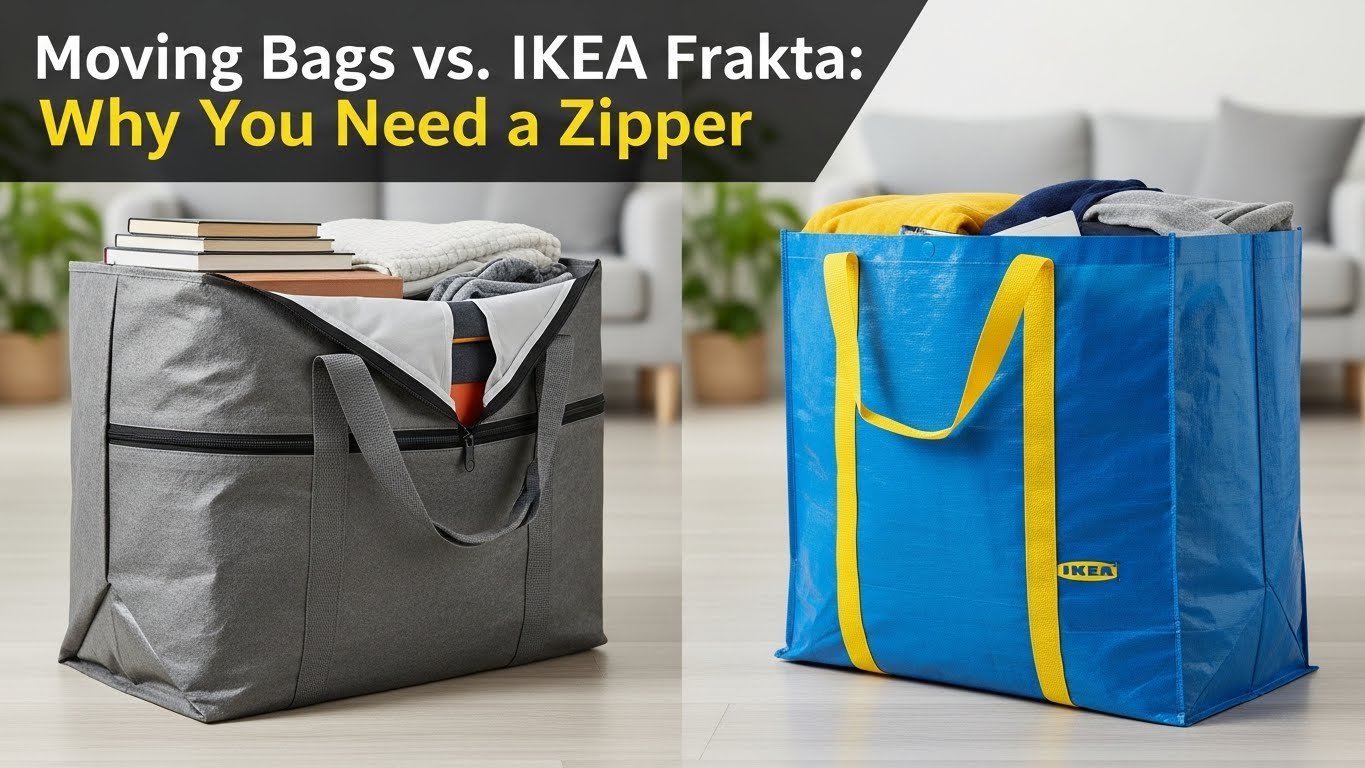

For adventure travel companies, the choice between a waterproof backpack and a duffle bag directly impacts client safety and trip success. The right gear protects equipment from the elements and ensures travelers can manage their loads comfortably, reflecting the quality of your operation.
This guide compares carry styles, capacity, and materials. We also cover the ergonomics of heavy loads and key specifications for sourcing wholesale bags, helping you make an informed purchasing decision.
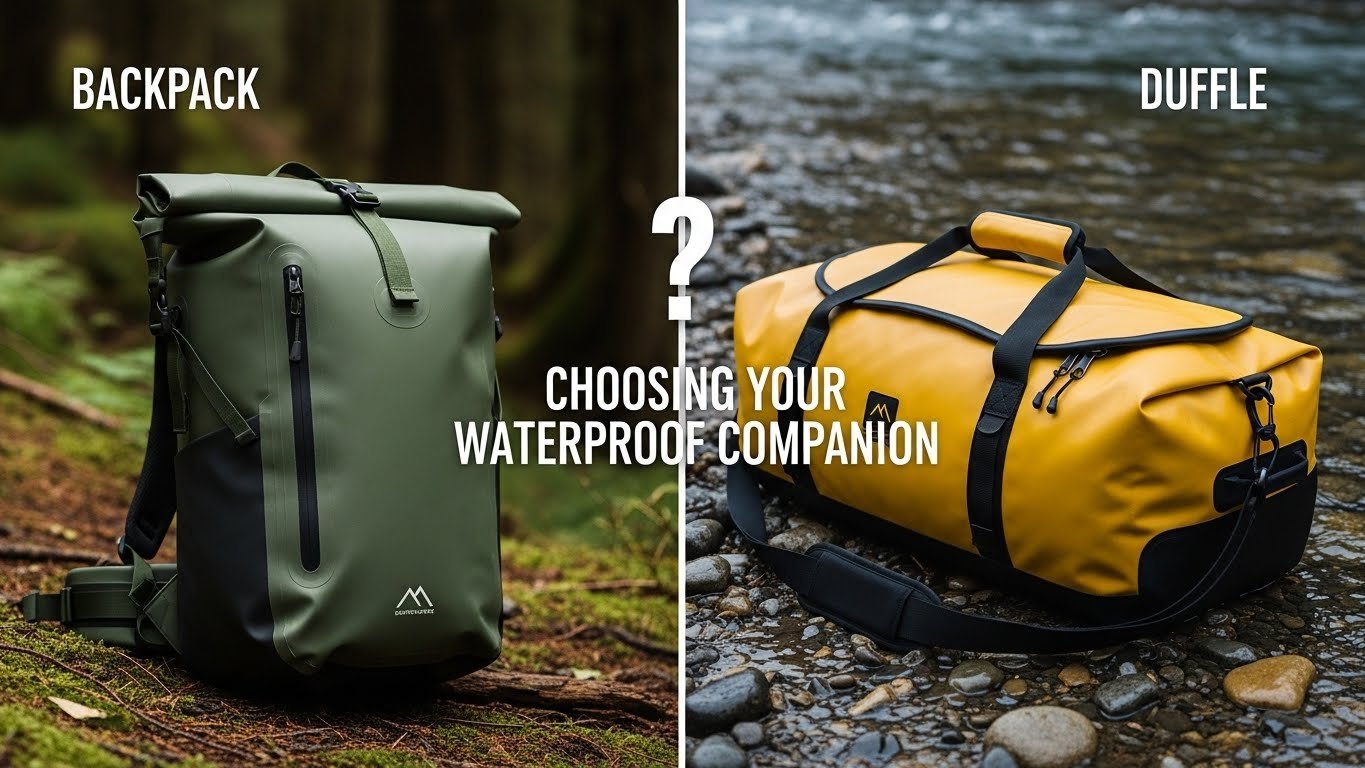
Backpack or Duffle: Choosing Your Waterproof Companion
Quick Answer: Choosing between a waterproof backpack and a duffel depends on your needs. Backpacks offer superior comfort and organization for hands-free travel, making them ideal for multi-stop trips. Duffels provide greater capacity for bulky gear and often feature more robust waterproofing materials like TPU-coated fabrics.
Carry Style and Comfort
How you carry your gear directly impacts your travel experience. A backpack uses two padded shoulder straps to distribute weight evenly across your back and shoulders. This design is perfect for hands-free comfort, letting you navigate busy airports, city streets, or hiking trails with ease.
Duffel bags, on the other hand, typically rely on a single shoulder strap or carry handles. This setup is great for moving heavy loads over short distances, like from your car to a hotel room. But for longer treks, the uneven weight distribution can cause strain on one side of your body.
Capacity and Organization
When it comes to packing, the internal layout of your bag makes all the difference. Duffels are champions of open space, offering a large, single compartment that’s perfect for bulky or oddly shaped items.
- ✅ Duffel Bags: Offer massive capacity, often from 30L up to 120L. Their simple, open design makes it easy to pack things like sports equipment, camping gear, or bulky textiles without fighting against compartments.
- ✅ Backpacks: Prioritize organization over raw volume. With capacities typically ranging from 20L to 70L, they feature multiple pockets and dividers (sometimes 10 or more) to keep your items neatly separated and easy to find.
Waterproofing and Materials
Not all “waterproof” bags are created equal. High-performance waterproof duffels are often built for extreme conditions, using materials and construction methods we see in industrial applications.
In our experience manufacturing heavy-duty storage, the most reliable waterproofing comes from high-denier fabrics—like ripstop nylon or woven polypropylene—coated with a thick layer of Thermoplastic Urethane (TPU) or PVC. This creates an impermeable barrier that can withstand heavy rain and even brief submersion, much like a dry bag.
While many excellent waterproof backpacks are available, their construction can be more complex due to zippers and seams for multiple compartments. This can create more potential points for water to enter compared to the simpler, more robust seal of a specialized waterproof duffel.
Which Is Right for Your Trip?
The best choice comes down to how you travel and what you need to carry. Here’s a quick guide to help you decide:
- 🚀 Choose a backpack for: Multi-stop adventures, hiking, or solo city travel where mobility, organization, and hands-free convenience are your top priorities.
- 🚀 Choose a duffel for: Weekend road trips, gym visits, or transporting sports equipment where maximum capacity for bulky items is the main goal.
- 💡 Consider a convertible duffle-backpack for: Versatile trips that might involve both flying to a destination and then heading out on shorter excursions. It gives you the best of both worlds.
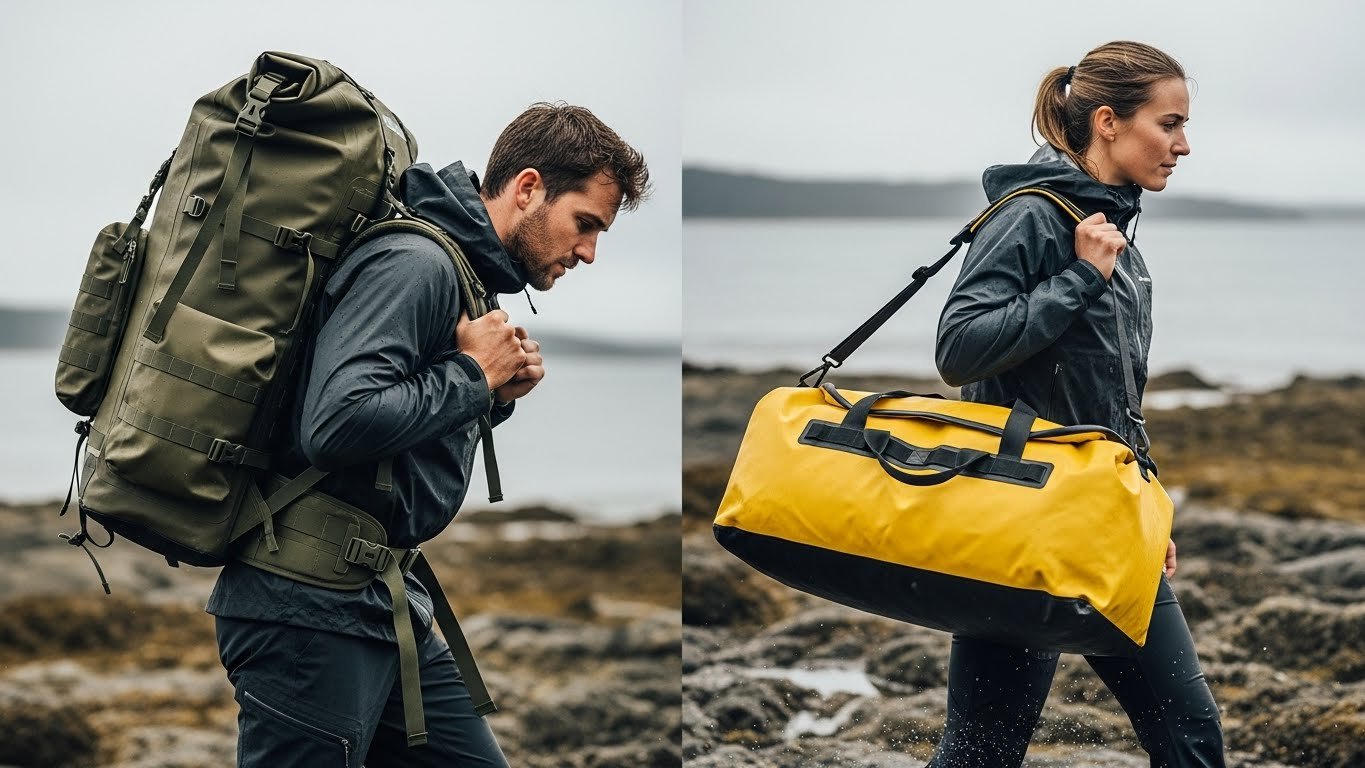
The Ergonomics of Carrying Heavy Waterproof Gear
The ergonomics of carrying heavy waterproof gear focus on intelligent design to manage the added weight of dense materials. Key features like hip belts transfer 60-80% of the load to the lower body, while proper packing maintains a stable center of gravity, significantly reducing back and shoulder strain.
The Challenge: Balancing Protection and Weight
Waterproof gear achieves its resilience by using materials that are inherently dense. Fabrics laminated with TPU (Thermoplastic Polyurethane), coated with PVC, or made from heavy-duty woven polypropylene are significantly heavier than their non-waterproof counterparts.
This added weight presents a physical challenge, especially during extended use. The primary goal of ergonomic design in this context is to counteract the weight penalty. Instead of simply building a bag, we focus on creating a load-carrying system that distributes this weight intelligently to minimize fatigue and prevent strain on the back, shoulders, and neck.
Core Principles for Effective Weight Distribution
Managing a heavy load effectively comes down to physics and anatomy. A well-designed pack uses simple principles to make weight feel lighter and more manageable.
- ✅ Transfer the Load to the Hips: A structured, padded hip belt is the most critical ergonomic feature. It is designed to transfer 60-80% of the pack’s weight directly onto the strong pelvic and leg muscles, taking the primary burden off the more sensitive shoulder and spinal muscles.
- ✅ Maintain Your Center of Gravity: The heaviest items should be packed close to your spine and positioned at mid-back level, roughly between the shoulder blades. This aligns the pack’s center of gravity with your body’s natural center, improving balance and stability.
- ✅ Strategic Item Placement: Pack lighter, bulkier items (like sleeping bags or extra layers) at the bottom of the pack to create a stable base. Frequently accessed gear should be stored in top pockets or outer compartments for convenience.
Essential Design Features for Long-Term Comfort
Beyond weight distribution, specific design elements directly contribute to a comfortable carrying experience over long distances.
- 💡 A Tailored Fit: Padded shoulder straps prevent chafing and soreness, but an adjustable torso length is equally important. It allows the user to align the pack perfectly with their spine, ensuring the hip belt and shoulder lifters function correctly.
- 💡 Enhanced Breathability: Carrying a heavy, non-breathable pack against your back causes sweat and discomfort. Back panels with molded foam and ventilation channels create space for air to circulate, which is vital for reducing heat buildup during activity.
- 💡 User Technique Matters: The bag’s design is only half the equation. Proper posture and movement, like using your leg muscles and bending at the knees to lift a heavy pack, work in tandem with its ergonomic features to prevent injury.

Capacity Check: 30L Backpack vs 60L Duffle
A 30L backpack is ideal for short trips or as a personal item for flights, fitting essentials for a weekend. A 60L duffel doubles the storage, accommodating multi-day trips of up to a week and serving as a standard carry-on, making it better for longer journeys or hauling more gear.
The 30L Backpack: Your Compact Travel Partner
The 30L backpack strikes a balance between a daily-use daypack and a dedicated travel bag. Its compact size is perfect for minimalist packers on extended journeys or anyone heading out for a weekend getaway. The key advantage for air travel is its ability to often qualify as a personal item, fitting neatly under the seat in front of you and helping you avoid extra carry-on fees.
While it’s versatile enough for daily activities, it might feel a bit large for a simple commute to the office if all you carry is a laptop.
- ✅ Trip Length: Best for 1-3 day trips.
- ✅ Air Travel: Fits under the seat as a personal item.
- ✅ Best For: Weekend escapes, business travel, and minimalist packing.
The 60L Duffel: For Extended Trips and Gear
When you need more space without checking a bag, the 60L duffel is a solid choice. This capacity comfortably holds enough clothing and gear for a 3-4 day trip, and with smart packing, can easily last a full week. From our experience manufacturing heavy-duty bags, a well-structured duffel with multiple compartments is essential for organizing clothing, shoes, and toiletries separately.
Most 60L duffels are designed to meet TSA carry-on size regulations, fitting perfectly in the overhead bin. This makes them great for longer vacations, road trips, or any adventure where you need to bring along extra equipment.
- 🚀 Trip Length: Handles 3-7 day trips with ease.
- 🚀 Air Travel: Qualifies as a standard carry-on for the overhead bin.
- 🚀 Best For: Vacations, adventure travel, and packing multiple outfits or gear.
Direct Comparison: Which Size Fits Your Trip?
Choosing between these two sizes comes down to how and where you travel. This table breaks down the primary differences to help you decide.
| Feature | 30L Backpack | 60L Duffel |
|---|---|---|
| Trip Duration | ✅ 1–3 Days | 🚀 3–7 Days |
| Air Travel Role | Personal Item (Under-seat) | Carry-On (Overhead Bin) |
| Primary Use Case | Business travel, daily flexibility | Vacations, adventure travel |
| Packing Style | ⚠️ Requires minimalist packing | ✅ Allows for multiple outfits & shoes |
Engineer Custom Moving Bags That Outlast the Competition
From custom logo printing to reinforced, 25 kg load-bearing handles, we build bags to your exact specifications. Get a free, professional mockup in 12 hours and see why top moving and logistics companies trust our certified quality.

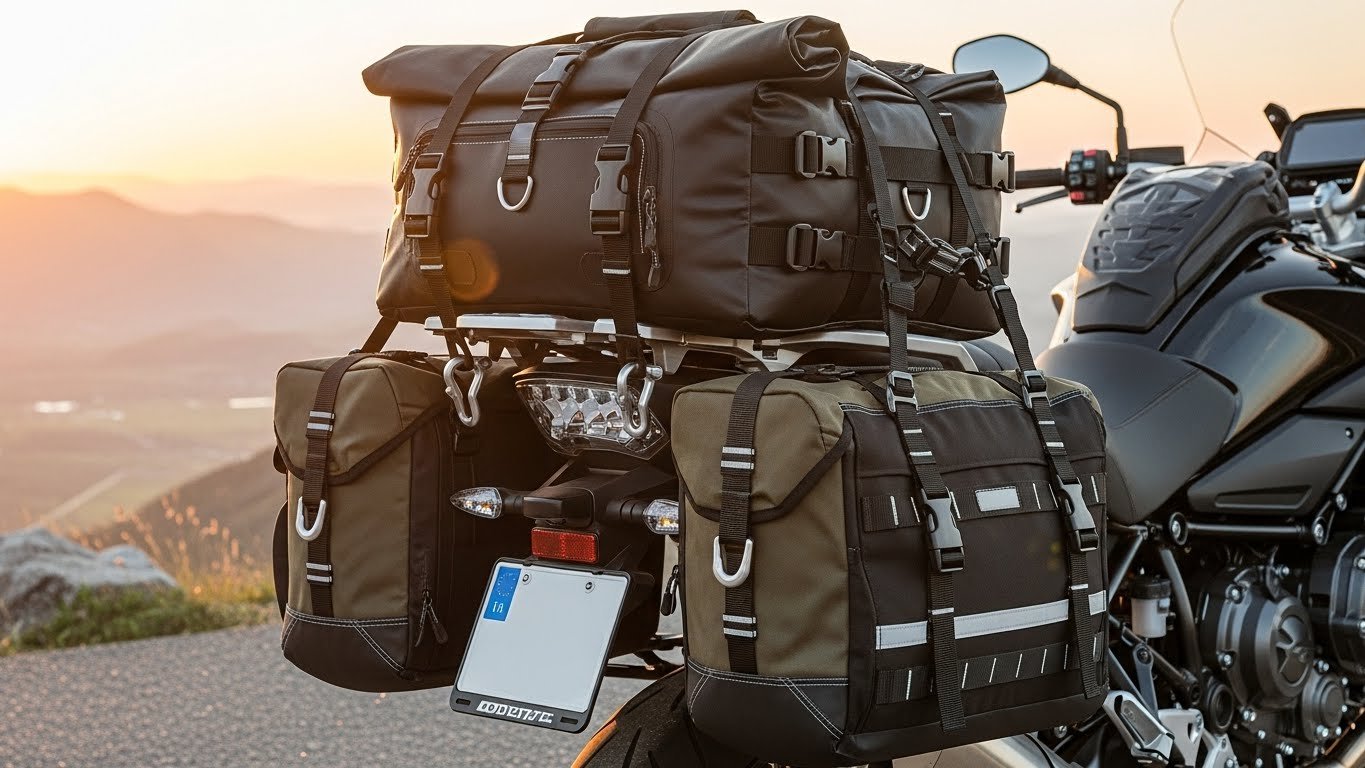
Best for Motorcycles: Tie-Down Points and Stability
💡 Properly securing a motorcycle for transport relies on strategic tie-down points and correct suspension compression. The best practice involves using four straps in an ‘X’ pattern to distribute forces evenly, compressing the suspension to about 75% to absorb road impacts without shifting.
| Component | Best Practice / Specification | Rationale |
|---|---|---|
| Tie-Down Geometry | Use four straps in an ‘X’ pattern at an approximate 45-degree angle. | Creates triangulation to evenly distribute horizontal and vertical forces, preventing side-to-side or forward-backward movement. |
| Suspension Compression | Tighten straps until the suspension compresses to at least 75% of its total travel. | Engages the bike’s suspension to absorb road bumps while keeping the chassis stable and preventing straps from loosening. |
| Equipment & Safety | Straps at least 1″ wide with a 500+ lb working load limit. Use soft loops on contact points. | Ensures straps are strong enough for the load and prevents metal hooks from scratching handlebars, forks, or painted surfaces. |
Core Principles for Tie-Down Geometry
Creating a stable and secure setup starts with the right geometry. The goal is to balance opposing forces so the motorcycle remains perfectly upright and stationary, regardless of road conditions. This is achieved by creating a triangulated system.
- ✅ Use a Minimum of Four Straps: Dedicate two high-quality straps to the front of the bike and two to the rear. This provides balanced tension from all four corners.
- ✅ Arrange Straps in an ‘X’ Pattern: The front-left anchor point should connect to the right side of the motorcycle, and vice-versa. This “X” configuration creates triangulation that effectively counteracts side-to-side forces.
- ✅ Maintain a 45-Degree Angle: Position the straps so they form roughly a 45-degree angle from the motorcycle to the anchor points on the transport vehicle. This angle provides an ideal balance of downward and sideways tension.
Achieving Correct Suspension Compression
A common mistake is not tightening the straps enough. Engaging the motorcycle’s own suspension is critical for a secure journey. When the suspension is compressed, it actively pushes back against the straps, keeping them tight.
- ✅ Target 75% Compression: As you tighten the straps, watch the front forks and rear shock compress. You should aim to use about three-quarters of the available suspension travel.
- ✅ Create a Stiff Reaction Force: This compression allows the motorcycle’s suspension to absorb sharp jolts from potholes or bumps. Without it, a large bump could slacken the straps and cause the bike to shift.
- ✅ Move as a Single Unit: When the bike’s suspension is properly engaged, the motorcycle and the transport vehicle move together as one solid mass, which dramatically improves stability.
Equipment Specifications and Final Safety Checks
The quality of your equipment and a final inspection are just as important as the technique. Using underrated or worn-out gear can lead to failure during transit. Before you drive off, run through a quick but thorough check.
- ✅ Strap Requirements: Only use straps rated for the job. Look for straps at least 1 inch wide with a working load capacity of 500 lbs or more. Avoid cheap, thin straps.
- ✅ Protect Your Vehicle: Metal hooks can easily scratch or damage handlebars, triple clamps, and fairings. Use soft loops or soft-touch strap extensions as a buffer between the hook and the bike.
- ⚠️ Pre-Departure Check: Give each strap a firm pull to confirm the tension is even across all four points. Make sure any loose strap ends are securely tied down so they can’t flap in the wind or get caught in wheels.

Wholesale Waterproof Travel Bags for Adventure Companies
Quick Answer: Wholesale waterproof travel bags for adventure companies are durable, high-capacity gear designed for demanding outdoor conditions. Sourcing them directly allows for specific customization of materials like 1680D fabric, waterproof ratings up to IPX8, and branding, ensuring the final product meets the performance and budget needs for commercial use.
For adventure travel companies, gear is not just an accessory; it’s a critical component of the customer experience. Providing reliable, waterproof bags protects client belongings from the elements and reinforces your brand’s commitment to quality. When sourcing these bags in bulk, understanding the key technical specifications ensures you get a product that performs in the field.
Key Specifications for Adventure-Grade Bags
The right bag depends on the adventure you offer. A bag for a multi-day rafting trip has different requirements than one for a mountain trek. Focusing on materials, waterproof ratings, and capacity helps narrow down the best options for your needs.
| Specification | Common Options | Best For |
|---|---|---|
| ✅ Material Options | 500D/840D Oxford with PU/TPU coating, high-density nylon, or premium 1680D fabric. | Oxford fabrics balance weight and durability, while 1680D offers maximum abrasion resistance for rugged use. |
| ✅ Waterproof Ratings | IPX6 (protects against heavy rain and splashes) to IPX8 (allows for full, continuous submersion). | IPX6 is suitable for hiking and general travel. IPX7/IPX8 is essential for kayaking, rafting, and canyoneering. |
| ✅ Capacity Range | 5L small dry bags up to 155L expedition-sized duffels. | Smaller bags are great for personal items, while large duffels can carry gear for multi-day expeditions. |
Critical Construction and Design Features
A bag’s material is only part of the story. How it’s assembled determines its real-world waterproof performance and durability. In our experience manufacturing heavy-duty bags, these construction details are non-negotiable for reliable gear.
- 💡 High-Frequency Welded Seams: This technique fuses fabric panels together without stitching. It creates a seamless, watertight bond that completely eliminates the risk of water penetrating through needle holes, which is common in standard sewn bags.
- 🚀 Secure Closure Systems: The roll-top closure is the industry standard for creating an airtight and watertight seal. These are often combined with high-quality YKK zippers for secondary compartments and compression straps to secure the load and reduce bulk.
- ⚠️ Reinforced Load Points: Handles and attachment loops must withstand significant force. Look for webbing that is double-stitched or bar-tacked into the main body of the bag, ensuring it can be securely fastened to rafts, vehicle roof racks, or pack animals without failing.
Sourcing and Customization for Your Brand
Working directly with a manufacturer gives you control over the final product’s design, features, and branding. This process is more straightforward than many companies realize and is accessible even for smaller operators.
- Minimum Order Quantity (MOQ): MOQs for custom bags often start around 100 units. This allows businesses of all sizes to create branded gear without needing massive inventory space.
- Production Timelines: The process is efficient. After confirming a design, expect a physical sample in about 5-7 business days. Full production for a bulk order typically takes between 25 and 45 business days, depending on the bag’s complexity.
- Branding Capabilities: OEM/ODM services allow you to add your company’s logo and match brand colors. Common application methods include silk screen printing, durable heat transfers, laser engraving on hardware, and custom-molded rubber patches for a premium look.
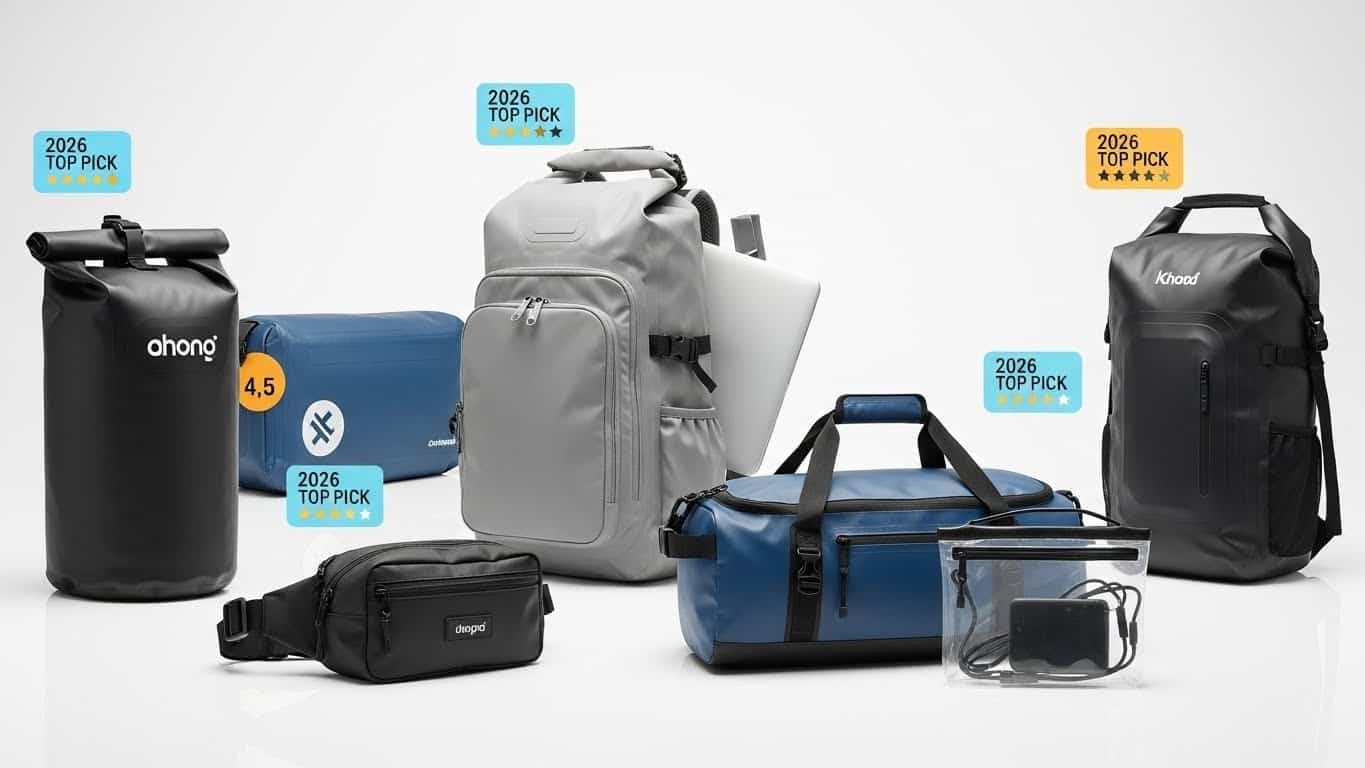
Top Rated Waterproof Bags for 2026 Travel
The 2026 market for waterproof bags offers a wide array of choices for different travel needs and budgets. From fully submersible, professional-grade duffels for rugged expeditions to ultralight compression sacks for backpacking, material innovations and advanced closure systems define the best options. This list highlights top-performing bags that balance durability, waterproof performance, and practical design.
TIIOCTI Custom Heavy-Duty Waterproof Bags
🏆 Best for: Logistics providers, professional moving companies, adventure tour operators, wholesale buyers
TIIOCTI specializes in manufacturing custom heavy-duty waterproof bags for B2B clients in logistics, professional moving, and adventure travel. Unlike companies offering standard consumer models, TIIOCTI provides a fully bespoke service, allowing businesses to engineer transport solutions tailored to specific operational demands. This approach ensures every bag aligns perfectly with its intended use, whether for protecting sensitive cargo or organizing expedition equipment.
The customization process gives clients complete control over design and functionality. Businesses can select durable materials like Woven PP with PE lamination for superior waterproofing and specify components such as heavy-duty zippers and reinforced stitching. This robust construction supports impressive load capacities of up to 25 kg. Clients can also integrate practical features like dual handles for easier lifting or transparent panels for quick content identification, creating a truly purpose-built product.
TIIOCTI’s production process is built for speed and scale. The company offers rapid prototyping with free mockups delivered within 12 hours, enabling quick design validation before committing to a large order. With a minimum order quantity of 500 pieces, businesses can ensure brand consistency across their entire operation. Adherence to international standards, including SGS and BSCI certifications, provides an extra layer of assurance for global partners seeking reliable quality and ethical manufacturing.
Key Information:
- 📍 Location: China
- 🏭 Main Products: Custom heavy-duty moving bags, waterproof storage bags, bulk adventure gear bags
- 🛒 Main Markets: Logistics providers, professional moving companies, adventure tour operators, wholesale buyers
Pros & Cons:
| What We Love | Things to Consider |
|---|---|
|
|
YETI Panga 75L Dry Duffel
🏆 Best for: Multiday paddle trips, rugged expeditions, fishing
The YETI Panga 75L Dry Duffel is engineered for professionals operating in the most demanding outdoor environments. It provides uncompromising waterproof protection for sensitive equipment during multiday expeditions, paddle trips, and fishing excursions. The bag is built to withstand extreme conditions where gear failure is not an option. Its construction focuses on durability and absolute water integrity, making it a reliable tool for field operations.
The core of its design is the high-density, puncture-resistant nylon shell. This material is paired with YETI’s patented HydroLok zipper, which creates a truly airtight and submersible seal. This combination guarantees that all contents remain completely dry, even if the bag is fully submerged in water or exposed to torrential downpours. The Panga 75L is a benchmark for waterproof bag technology.
While its weight of 2,767g makes it a heavier option, this is a direct result of its protective capabilities. With a generous 75L capacity, it accommodates substantial equipment loads. Priced between $200-$350 and supported by a 3-year warranty, the duffel represents a long-term investment in equipment safety for professionals who require peak performance and reliability in the field.
Key Information:
- 📍 Location:
- 🏭 Main Products: Dry duffel bags, coolers
- 🛒 Main Markets: Multiday paddle trips, rugged expeditions, fishing
Pros & Cons:
| What We Love | Things to Consider |
|---|---|
|
|
NRS Bill’s Bag Dry Bag 65L
🏆 Best for: Paddle trips, rafting, general outdoor use
The NRS Bill’s Bag is engineered to deliver exceptional reliability and value for commercial outfitters, rental fleets, and serious outdoor professionals. It provides a generous 65L capacity in a package built to withstand the demanding conditions of multi-day river trips and expeditions. This bag strikes an optimal balance between rugged performance and practical cost-effectiveness, making it a go-to solution for operations that require durable gear that protects client equipment from the elements without fail.
Constructed from a heavy-duty blend of PVC and polyester, the bag’s main body is designed for high-abrasion resistance. Its proven roll-top closure system is enhanced with a proprietary magnetic StormStrip seal, which creates a secure, highly water-resistant barrier against rain, splashes, and brief immersions. This innovative design offers a superior level of protection compared to standard roll-tops, ensuring contents remain dry in challenging environments while avoiding the higher cost and maintenance associated with fully submersible TIZIP zippers.
Weighing 1,899g, the Bill’s Bag is a robust workhorse. Functionality is further improved by a removable harness system, allowing for efficient transport of gear during portages or from vehicles to the launch point. For organizations seeking a high-capacity, dependable dry bag that maximizes performance and budget, the NRS Bill’s Bag is an industry-standard choice that consistently delivers.
Key Information:
- 📍 Location: Moscow, Idaho, USA
- 🏭 Main Products: Dry bags, paddling gear
- 🛒 Main Markets: Paddle trips, rafting, general outdoor use
Pros & Cons:
| What We Love | Things to Consider |
|---|---|
|
|
SealLine Pro Dry Pack 120L
🏆 Best for: Standup paddling, canoeing, multi-day expeditions
The SealLine Pro Dry Pack is engineered for professionals requiring massive storage and guaranteed waterproof performance. With a cavernous 120-liter volume, it serves as an essential tool for multi-day canoeing trips, standup paddleboarding expeditions, and any operation where large amounts of gear must be kept completely dry. This pack is specifically designed to secure critical equipment against the most demanding water-based environments, accommodating bulky supplies for extended field use.
Its construction prioritizes extreme durability for professional applications. The pack is built with a robust 600-denier polyurethane-coated polyester base and features a reinforced bathtub bottom. This combination offers exceptional resistance to abrasion from rocks, sand, and rough terrain often encountered during expeditions. The heavy-duty materials ensure the pack withstands the rigors of repeated professional use without compromising its structural integrity or waterproof seal.
To ensure a completely watertight closure, the Pro Dry Pack utilizes a proven roll-top system secured with four sturdy buckles. This design effectively prevents water ingress, protecting sensitive electronics, food, and emergency supplies. While its $340 price point reflects its premium build, the professional-grade construction and immense capacity provide a reliable return for users who depend on their gear. It functions less as a bag and more as a vital piece of expedition hardware.
Key Information:
- 📍 Location: Seattle, WA, USA
- 🏭 Main Products: Dry packs, dry bags
- 🛒 Main Markets: Standup paddling, canoeing, multi-day expeditions
Pros & Cons:
| What We Love | Things to Consider |
|---|---|
|
|
Watershed Chattooga 22L
🏆 Best for: Kayaking, SUPing, sailing, day trips
The Watershed Chattooga 22L sets a high standard for waterproof protection with its proprietary ZipDry closure system. This push-closure mechanism delivers a level of security typically found in much larger bags, creating a truly airtight and fully submersible seal. For professionals and enthusiasts in kayaking, sailing, and SUPing, this guarantees complete protection for sensitive electronics, safety equipment, and other essential gear during demanding water activities where failure is not an option.
Built from polyurethane-coated 840-denier Kryptothane Plus nylon, the Chattooga is engineered for exceptional durability and abrasion resistance. Its rugged construction withstands frequent contact with rough surfaces, ensuring long-term reliability in harsh marine or freshwater environments. Weighing just 726g, it provides a strong balance of portability and robust protection, making it an ideal companion for day trips or expeditions where every ounce counts.
The bag’s compact 22L capacity offers sufficient space for essentials without hindering mobility on a kayak deck or paddleboard. Integrated buckled straps provide effective compression and serve as secure attachment points for easy rigging. While its $190 price point reflects its premium status, the investment is justified by its superior closure technology and industrial-grade materials, delivering trusted waterproof performance in a versatile, manageable size for any serious water sports operator.
Key Information:
- 📍 Location:
- 🏭 Main Products: Submersible duffels and dry bags
- 🛒 Main Markets: Kayaking, SUPing, sailing, day trips
Pros & Cons:
| What We Love | Things to Consider |
|---|---|
|
|
Sea to Summit 13L Evac Compression Dry Bag
🏆 Best for: Backpacking, bikepacking, internal pack organization
Sea to Summit’s 13L Evac Compression Dry Bag offers a specialized solution for outdoor enthusiasts needing maximum space efficiency and minimal weight. It targets backpacking and bikepacking markets by providing a reliable way to organize and protect soft gear like sleeping bags and apparel inside a larger pack. The system streamlines packing by significantly reducing the volume of compressible items, making it an essential tool for adventures that demand a compact and organized loadout.
The bag’s core innovation is its waterproof, air-permeable eVent fabric base, which allows air to escape without a purge valve. This valve-free design simplifies compression—just roll the top and tighten the straps. Constructed from a PU-coated, recycled 70-denier nylon, the bag balances durability with an exceptionally low weight of just 136g, ensuring gear stays protected while adding minimal bulk to a pack system.
This design prioritizes internal pack organization and protection from moisture, though it is not intended for full submersion. The Evac series is available in a versatile range of sizes from 5L to 35L to accommodate various gear loads. Its accessible price point makes this advanced compression technology a practical choice for any adventurer looking to optimize their pack space effectively.
Key Information:
- 📍 Location:
- 🏭 Main Products: Ultralight dry bags, compression sacks
- 🛒 Main Markets: Backpacking, bikepacking, internal pack organization
Pros & Cons:
| What We Love | Things to Consider |
|---|---|
|
|
BOTE Highwater Slingpack
🏆 Best for: Day trips, fishing, paddleboarding, hiking
The BOTE Highwater Slingpack provides a reliable solution for professionals and enthusiasts requiring guaranteed waterproof protection. Designed for day-trip versatility, this pack ensures equipment stays completely dry during demanding outdoor activities. Its core feature is a 100% waterproof nylon construction paired with a TIZIP zipper, creating a fully submersible seal. This makes it ideal for securing sensitive items like cameras, phones, and documents during fishing, paddleboarding, or fieldwork in wet conditions, offering protection that standard water-resistant bags cannot match.
This sling pack moves beyond the basic functionality of a simple dry bag by incorporating thoughtful organization. It features three internal zippered pockets to keep smaller items secure and accessible, a common challenge with traditional roll-top designs. An external daisy chain also provides convenient attachment points for extra gear, enhancing its utility for varied applications. This structured approach helps users maintain order without sacrificing its core protective capabilities.
With a 20L capacity and weighing 30.4 oz, the Highwater Slingpack balances durability with portability. The ergonomic sling design allows for all-day comfort and quick access to contents. It effectively bridges the gap between a technical dry bag and a functional daypack, offering a practical asset for anyone who needs reliable gear protection and organization in one wearable product.
Key Information:
- 📍 Location:
- 🏭 Main Products: Waterproof sling packs, paddleboards
- 🛒 Main Markets: Day trips, fishing, paddleboarding, hiking
Pros & Cons:
| What We Love | Things to Consider |
|---|---|
|
|
Frequently Asked Questions
Best waterproof bag for travel?
The best bag depends on your specific travel needs. For a great all-around option, the Sea to Summit Big River Dry Bag Backpack provides a solid balance of features and reliable water protection. If you need a duffel, the SealLine Pro Duffel is a top choice for its durable, submersible design. For activities requiring maximum water protection, the YETI Panga 50 is fully submersible and built for extreme conditions.
Is a dry bag good for backpacking?
Yes, dry bags are excellent for backpacking. They are crucial for protecting moisture-sensitive gear like electronics or a down sleeping bag. For best results, use them as part of a layered system with a pack liner to keep all contents dry in heavy rain. While they aid in organization, be careful with weight distribution, as a densely packed dry bag can throw off your pack’s balance.
Waterproof duffle bag vs backpack?
Duffel bags typically offer more robust waterproofing; many models with TPU or PVC coatings can be fully submerged. Backpacks are more often water-resistant, suitable for light rain but not prolonged downpours. The main trade-off is comfort and capacity: backpacks are designed for carrying loads over long distances, while duffels often have a larger, more open capacity for bulky gear.
Can you check a dry bag as luggage?
Yes, you can check a dry bag as luggage. If you are traveling with dry ice, airlines generally permit up to 5.5 pounds (2.5 kg) per passenger in checked baggage. The container must be ventilated to let carbon dioxide gas escape and clearly labeled with “dry ice” and its net weight.
Best motorcycle dry bag?
The Touratech Adventure Dry Bag is a popular choice for motorcycle travel due to its durable construction and reliable performance. It carries an IP64 waterproof rating, which protects contents from heavy showers. Its functional design includes multiple attachment points, making it easy to mount securely on a motorcycle.
Waterproof bags for roof racks?
These are specialized cargo carriers made from heavy-duty, weather-resistant materials like vinyl or tarpaulin. They feature welded seams and covered zippers to create a watertight seal against rain, snow, and road grime. These bags attach to a vehicle’s roof rack system or directly to the car with door hooks and come in sizes ranging from 7 to over 35 cubic feet.
Final Thoughts
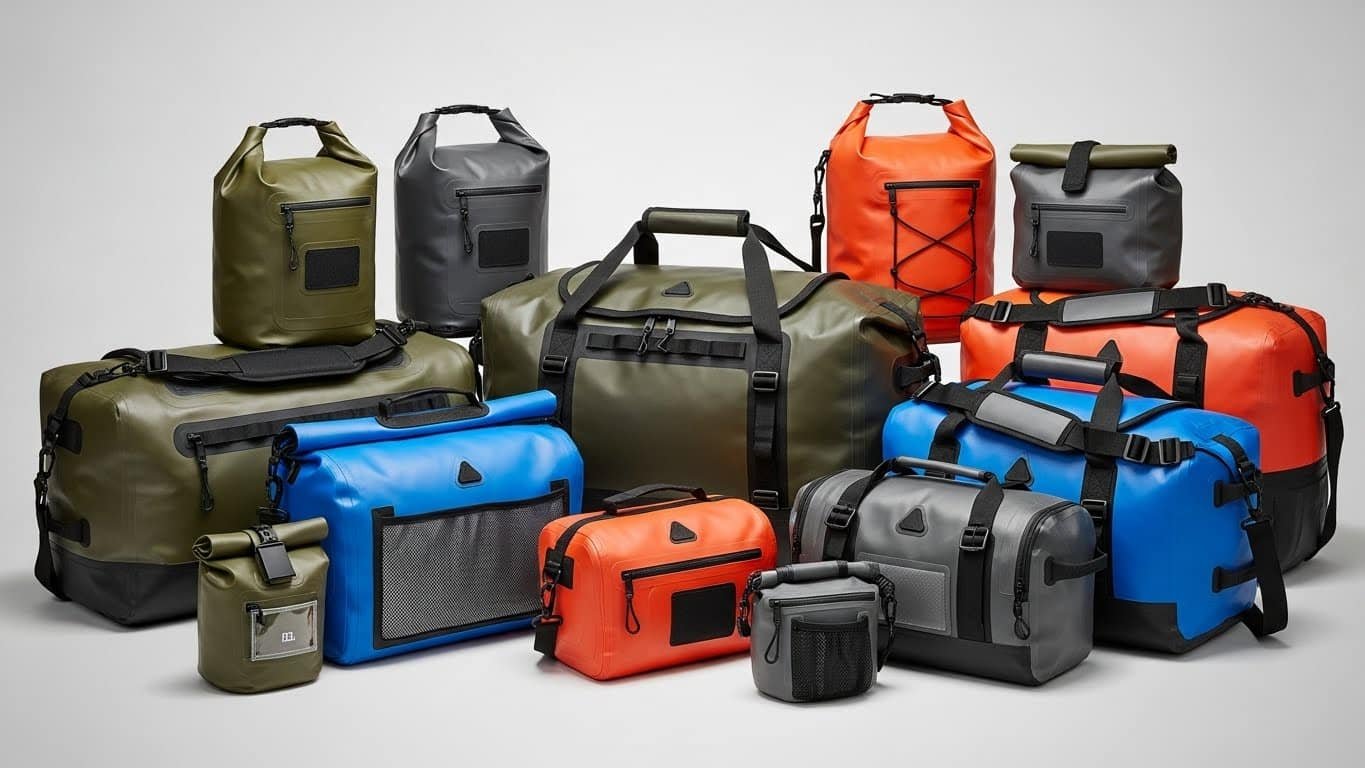
Choosing the right waterproof gear is a strategic decision based on mobility, capacity, and durability. A backpack offers ergonomic comfort for active, multi-stop trips, while a duffel provides superior volume and rugged protection for equipment-heavy excursions. Understanding the technical details, from load-bearing ergonomics to the benefits of welded seams and TPU-coated fabrics, ensures you select equipment that performs reliably when it matters most.
For adventure companies, equipping clients with the right bag directly enhances their experience and builds brand trust. Providing gear that is perfectly suited to the journey—whether an organized backpack for a trek or a submersible duffel for a water-based expedition—demonstrates a commitment to quality and safety. Aligning with a supplier who grasps these technical needs simplifies sourcing high-performance, branded equipment that stands up to any challenge.