Reorganised from the original tote bag article, with product spec details on canvas weight, handle styles and print methods kept in place.
The tote came back to the exhibitor's booth on the second morning of the show, one handle torn from the body, the other still looped around a visitor's wrist. She had carried it for a day and a half. Inside were three catalogues, a water bottle and a folded jacket, which is not a heavy load for a bag that was printed to look like it could take one.
The complaint that followed was short and familiar: the bag felt cheap. Nothing had ripped in the fabric. The print was still sharp. What failed was the join where the handle met the shell, and that join had been decided months earlier, in a quote comparison nobody photographed.
The Bag That Came Back With One Handle
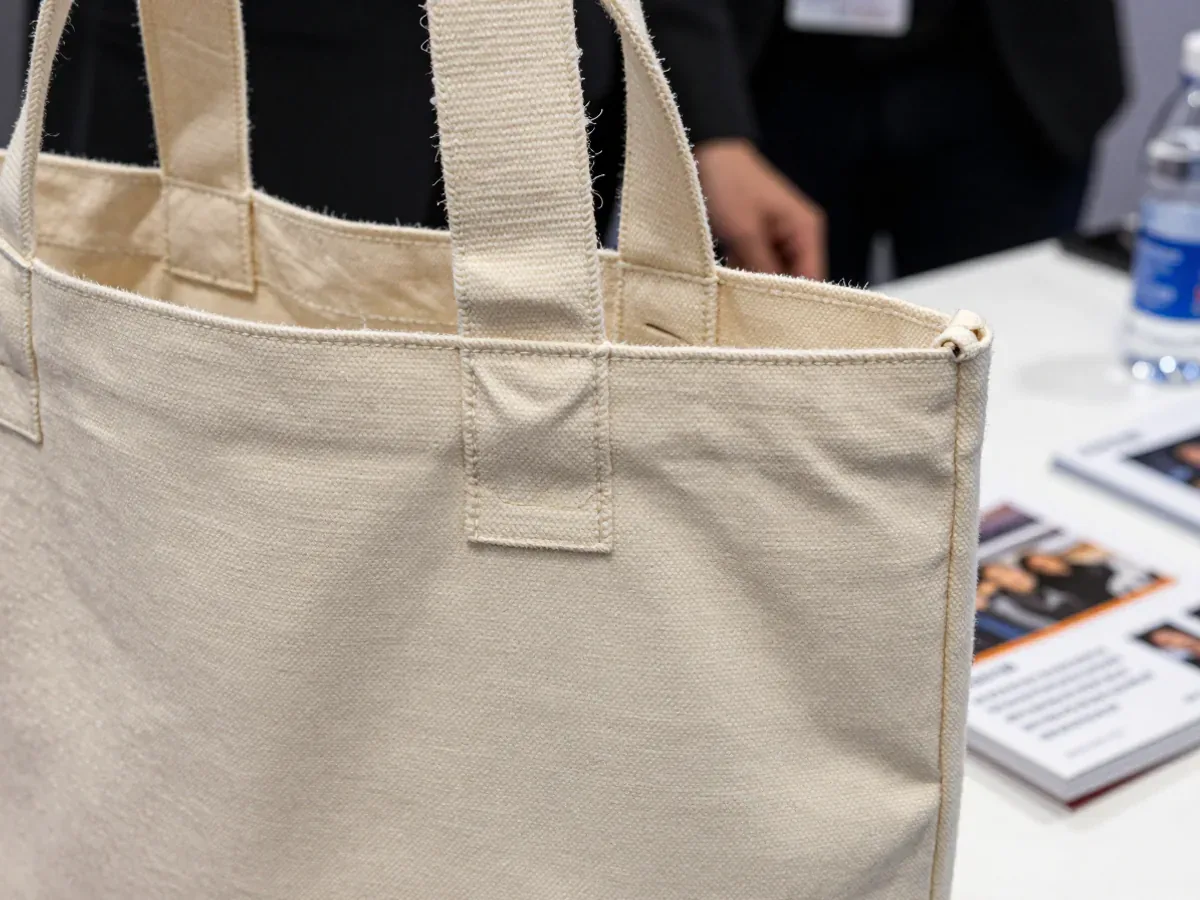
The handle had been attached with a single row of stitching, run fast across the top edge and backstitched at each end. Under a loaded bottle the stitches pulled through the canvas rather than tearing the tape, which is the quieter failure mode. A buyer watching the bag on a table would not see it. A buyer watching it walk around a hall for six hours would.
Two things about that morning are worth keeping. First, the bag looked correct in every photo taken before the show. Second, the visitor was not careless. She used the bag the way a tote is meant to be used, which is the only test that matters and the one least often run before an order ships.
The rest of the story is a rewind through four decisions, each of which looked reasonable at the time.
Rewinding to the Quote That Chose the Cheapest Shell
The order started as a giveaway, so the brief was cost first. Three quotes came back and the middle one was chosen, which sounds careful until the line items are read. The winning quote named a canvas weight but not a handle construction. The losing quotes had specified both.
A canvas tote is the lowest cost printed bag that still reads as a product rather than a giveaway, and that phrase hides a trap. The shell is the visible cost. The handle is the invisible one, and it is where the second trip is won or lost. A quote that prices the body and leaves the handle to the factory's default is not a cheaper bag. It is a bag with one decision removed from the buyer's hands.
There was a second omission. The quote did not ask what the bag would carry. A tote for a trade show carries catalogues and a bottle. A tote for a weekly shop carries jars, milk and something frozen. Those two bags can share a shell and should not share a handle.
Where the Second Trip Is Decided: Cloth, Handle, Base
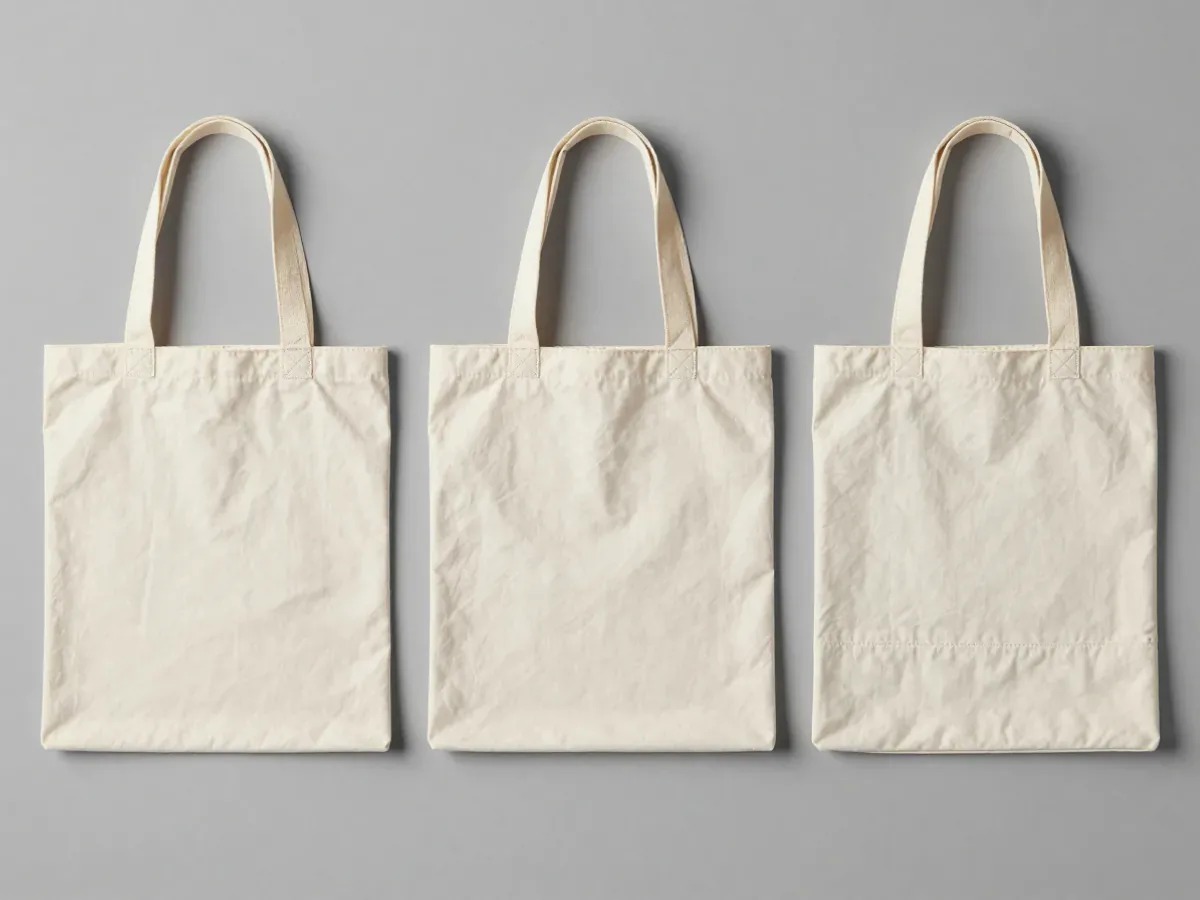
The shell matters, but less than buyers expect. Reusable tote shells run cotton canvas, PP woven, non-woven or rPET, and the wider material range across the line includes PE, polyester, nylon and jute. Each has a job. Canvas takes print beautifully and softens with use. PP woven is stiff and cheap and resists a splash. Non-woven is light and folds flat. None of them is the reason a bag comes back.
The handle is. Handles can be woven, webbing or rope, and the choice belongs to the buyer rather than the factory. The construction under the handle matters more than the material: handles stitched to the body rather than tacked on, with the stitch load spread across a reinforced area, survive a loaded bottle. A tacked handle survives a folded jacket.
The base is the third decision and the one most often skipped. A reinforcement where a bottle sits changes how the bag behaves when it is set down on concrete. Without it, the corners take the wear and the print at the bottom edge goes first.
The Print That Outlives the Event
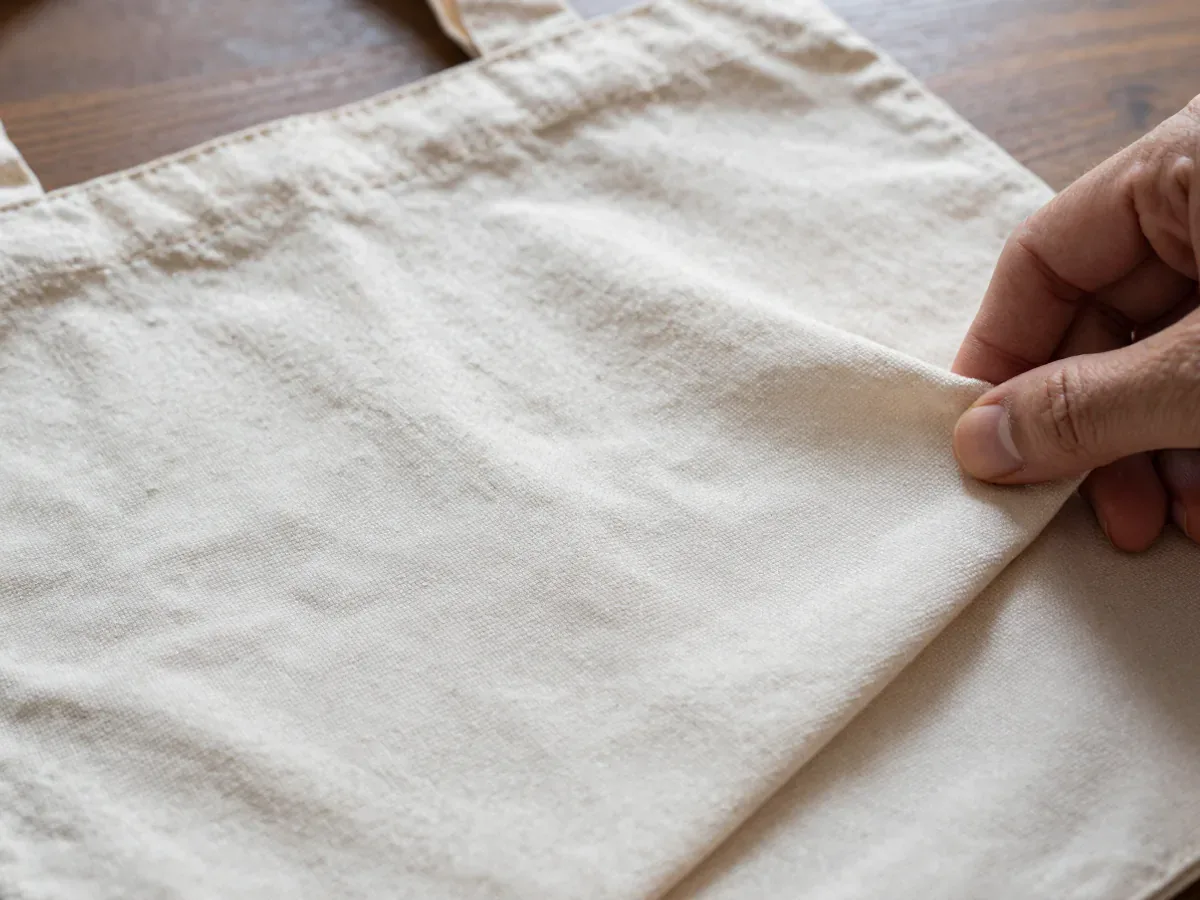
Print runs as screen print or heat transfer, and branding can add a woven label. The choice affects how the bag ages, not just how it looks on day one. Screen print sits in the cloth and follows its movement. Heat transfer sits on top and can lift at the edges after repeated folding, which is exactly what happens to a bag kept in a car boot.
A printed tote is judged twice: once at the event, once at home after a wash. The print that survives the first look and fails the second has wasted the money spent on it. Proofing the artwork before the run and making a sample to the same spec as bulk is the ordinary control here, and it catches most of the problems that a photo of a finished bag cannot.
There is a limit worth naming. A print can be excellent and still be the wrong print for a bag that will be washed weekly. Buyers who know the wash frequency before they choose the print method avoid most of this.
Why the Open Top Still Wins Over Zips
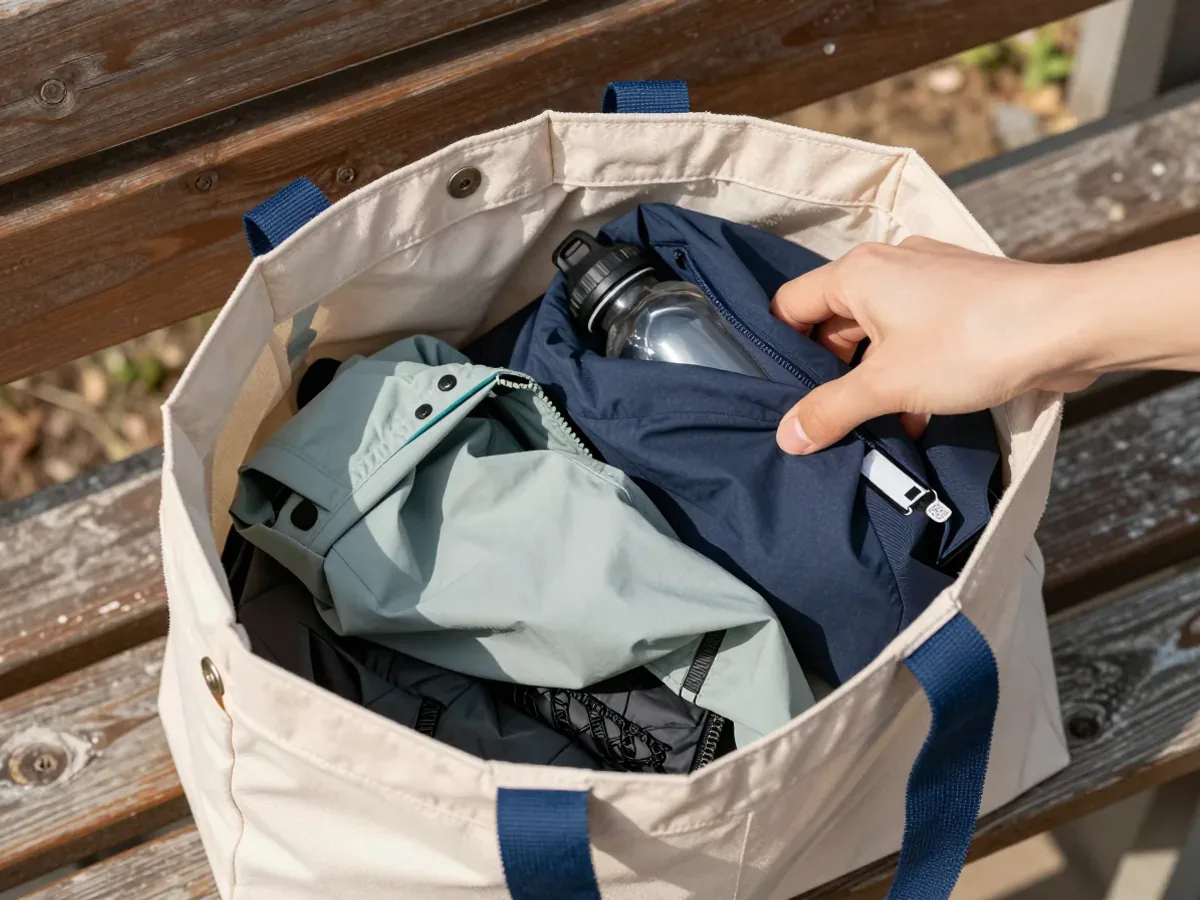
Every objection to the tote is an objection to the open top. Things fall out. Rain gets in. Nothing is secure. All true, and the open top survives anyway because loading and unloading is what a tote does most.
A zip adds a component, a seam and a failure point, and it slows the one action the bag exists for. The tote's popularity is not a mystery of fashion. It is a bag that asks nothing of the user at the moment of use. That is rare enough to explain a lot.
The open top also explains the material split. PP woven resists splashes, but its seams are stitched rather than sealed, so a PP tote is not waterproof. A buyer who needs dry contents needs a different construction, not a heavier fabric. The open top is a design decision with a weather consequence, and both should be written into the spec.
What the Word Tote Was Always Asking For
The word comes from the verb to carry. It is not an abbreviation of anything. A tote is a bag named for its job, and the job has not changed even as the designs have.
That origin is a useful filter. A tote that is hard to carry has failed at the only thing its name promises. Handle drop length, stitch placement and base reinforcement are not details around the design. They are the design, and the rest is surface.
This is why the bag from the show is instructive. It was a tote in shape and not in function. The visitor did not complain that it was ugly. She complained that it felt cheap, which is what people say when a bag breaks the promise its name made.
A Short Check Before You Approve a Tote
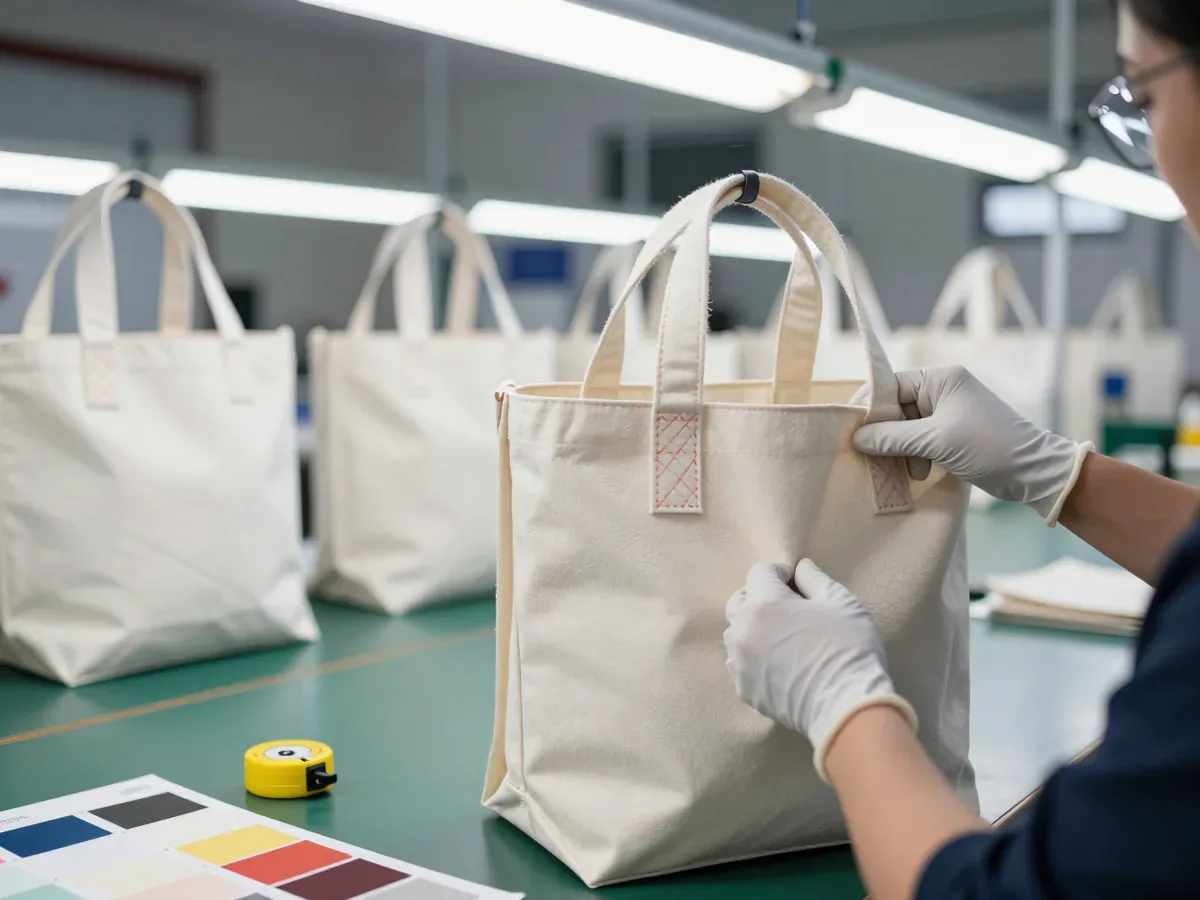
The fix for the show bag was not exotic. Handles were re-specified as stitched to the body with the load spread, and the base got a reinforcement where a bottle sits. The shell stayed the same. The quote moved, and the bag stopped coming back.
Four checks run on every order give a buyer something to hold the factory to: incoming material, seams and zip, finished bag, final count. Those four catch the handle join if the join is written into the spec. They cannot catch a decision that was never made.
Before approving a tote, a buyer can run a shorter list. Name the load the bag will carry on its second trip. Specify the handle material and the attachment method in the same line. Decide whether the base needs reinforcement. Choose the print method against the wash frequency, not the photo. Confirm the sample is built to the same spec as bulk. Then carry the sample for a day with something heavy in it.
FAQ
Is a canvas tote heavy enough for a weekly shop?
It can be, if the handle is stitched to the body and the base is reinforced where a bottle sits. Shell weight alone does not decide it.
Can a tote bag work as an everyday purse?
Yes. Many people use a tote as a daily bag because it holds a wallet, phone, keys and more without feeling cramped. A smaller shell and a shorter handle drop make it easier to carry that way.
Does a printed tote survive washing?
It depends on the print method and how often the bag is washed. Screen print sits in the cloth and generally follows its movement better than heat transfer, which can lift at the edges after repeated folding.
Is a PP woven tote waterproof?
No. PP resists splashes, but the seams are stitched rather than sealed, so water can pass through the stitching. A buyer who needs dry contents should look at a different construction rather than a heavier fabric.