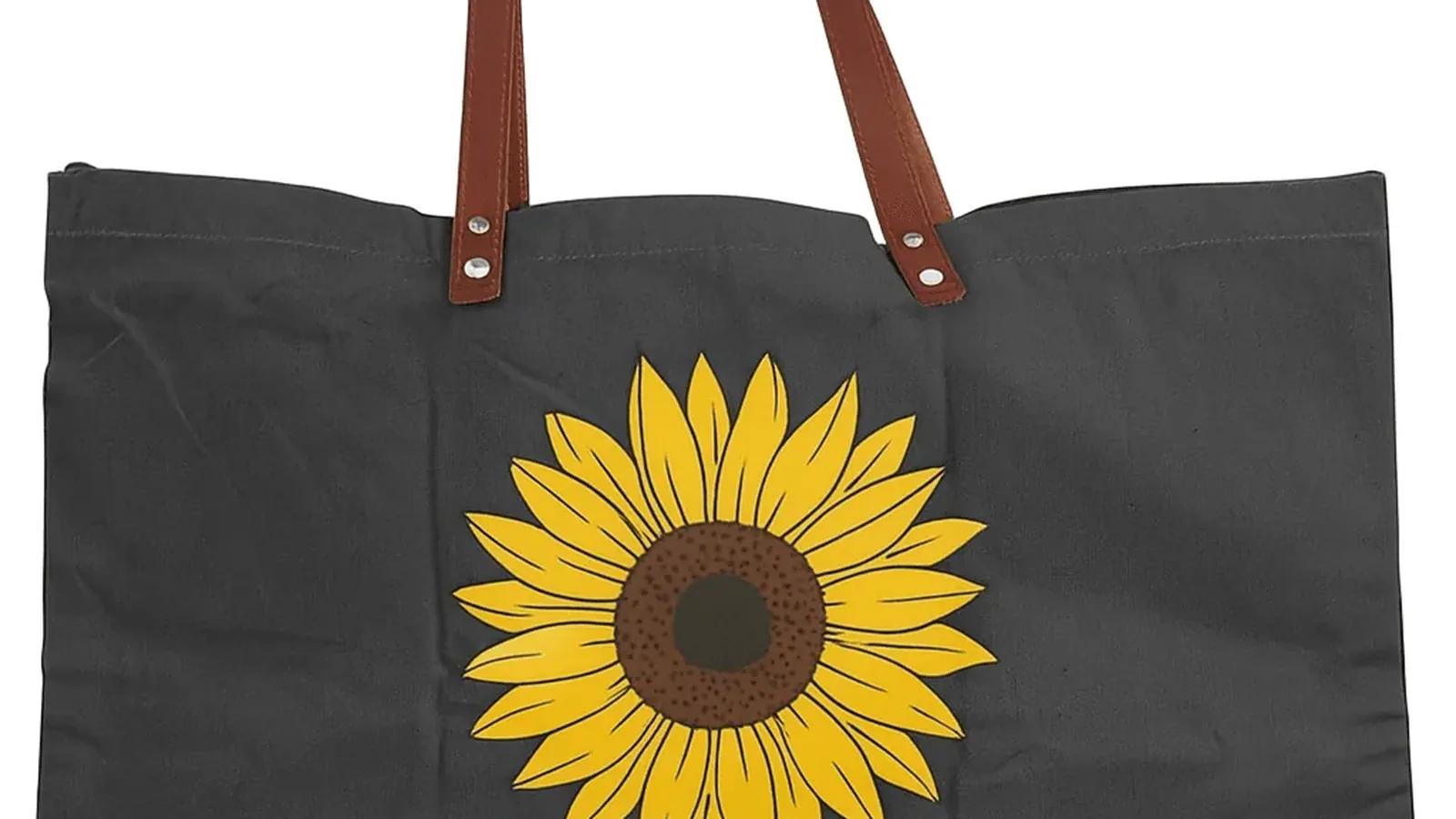
This rewrite draws on the original campaign notes and the canvas tote specification data behind them.
Three fabric swatches sat on the sample table for a week: a thin non-woven in bright red, a mid-weight rPET, and a natural canvas. The buyer kept returning to the red one, because at the quoted unit cost it let her order nearly twice as many bags for the same budget. Her plan was simple: hand one to every visitor at a two-day trade show and let the logo do the rest.
That plan is the most common one in promotional bags, and it is also the one that quietly wastes the most money. Cheap bags are not automatically a bad buy, but a bag chosen only on unit price is usually chosen without asking how long it will be carried, who will carry it, and whether anyone will be able to tell afterwards what the campaign achieved. This article takes that habit apart and rebuilds it around use cycle, channel and traceable design.
The habit: buy the cheapest bag and hand it to everyone
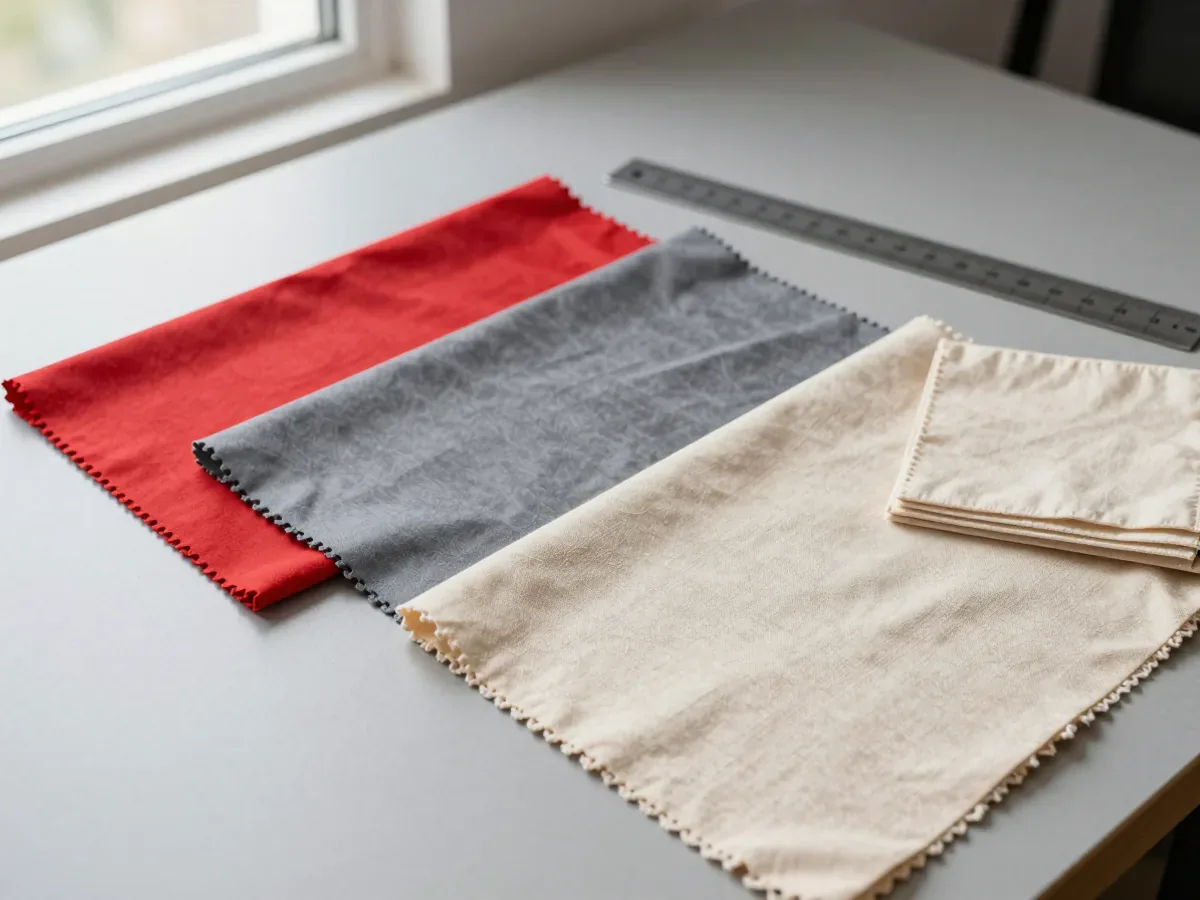
The default brief for a promotional shopping bag is short. It asks for a logo, a quantity, a delivery date and a price per unit. Distribution is decided late, usually as "everyone at the event" or "every order over a threshold", and the bag itself is whatever the supplier can deliver fastest at the lowest cost.
Nothing in that brief is wrong on its own. The problem is that the bag is treated as a giveaway rather than as a product, so the only specification that gets real attention is the print. Weight, handle attachment, seam construction and packing are left to the supplier's default, and the default is set by price.
A custom tote provides repeated exposure far beyond a single event, but only if it survives long enough to be used again. The cheapest bag in the quote is the one least likely to reach a second outing, which makes the saving theoretical before the carton is even opened.
Why the cheap route looks like the safe budget choice
Cheap feels safe because the risk is invisible at the point of decision. A buyer comparing two quotes sees a number per bag, and the lower number produces more units, more logos in circulation and a cleaner line in the budget sheet. Nobody is fired for ordering the cheaper giveaway.
There is also a real constraint behind the habit. Promotional budgets are usually fixed and small, and the pressure is to maximise reach within them. A tote bag can give more cost-effective impressions than many ad channels, and that logic pushes buyers toward volume: more bags, more hands, more sightings.
The reasoning breaks at the assumption that all impressions are equal. A bag that is used for a week and then binned produces a handful of sightings. A bag that is used for a year produces hundreds, in places the brand never paid to be. Unit price says nothing about which of those two outcomes is being bought.
Where the saving disappears: rips, repeats and wrong hands
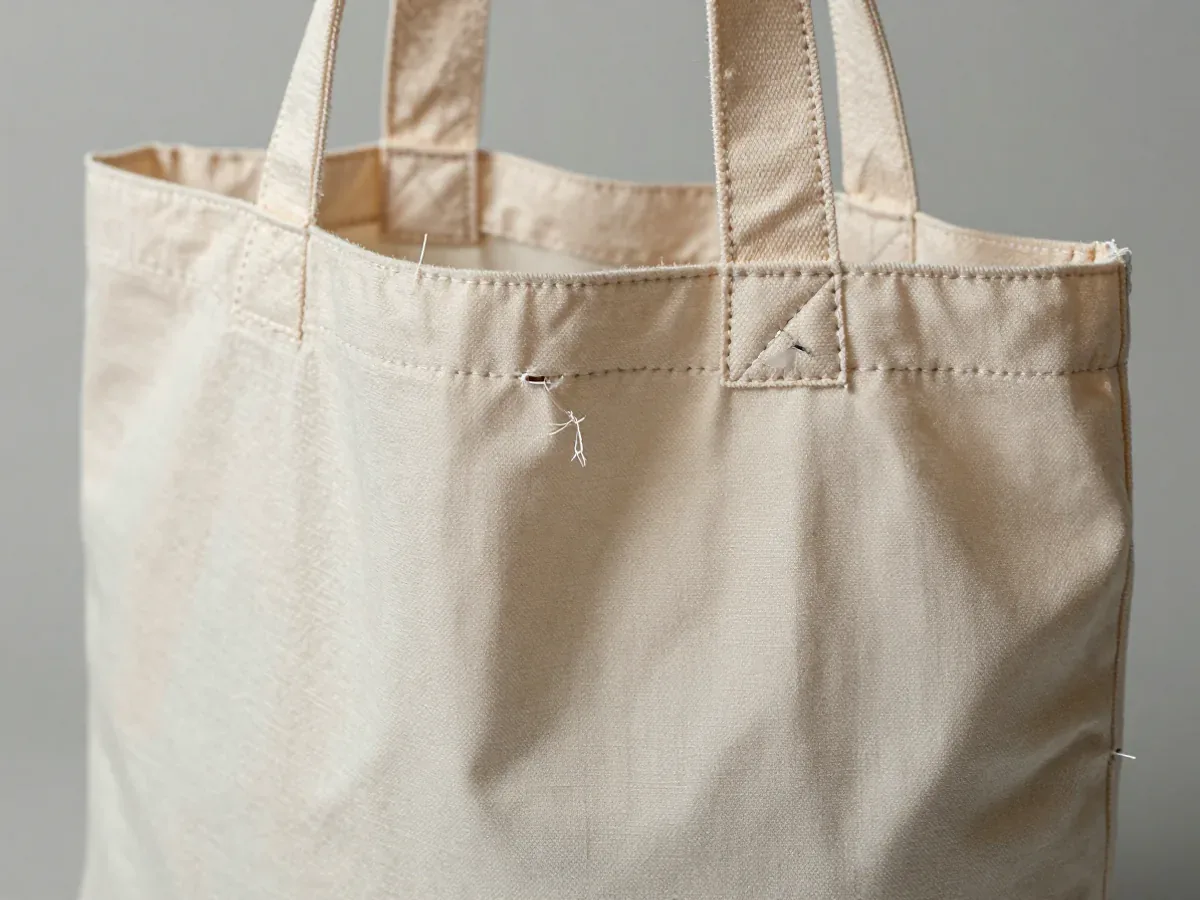
The first place the saving goes is the seam. A light shell with a stitched handle and no bar-tack at the joint will fail at the point where load meets thread, and it will fail while the bag is full. A ripped bag does not just stop working; it puts the logo on a broken object in public.
The second place is repetition. A bag that tears in week one forces a replacement order, and the replacement is usually rushed, which means a second round of sampling, freight and print setup. Two cheap orders can cost more than one specified order that was built to last the campaign.
The third place is the audience. Handing bags to everyone at a high-traffic event puts most of them in the hands of people with no reason to keep them. Bad distribution wastes budget even when the bag itself is good, and it wastes the good bag faster because the people who would have used it never received it.
What a bag has to do before it earns a second outing
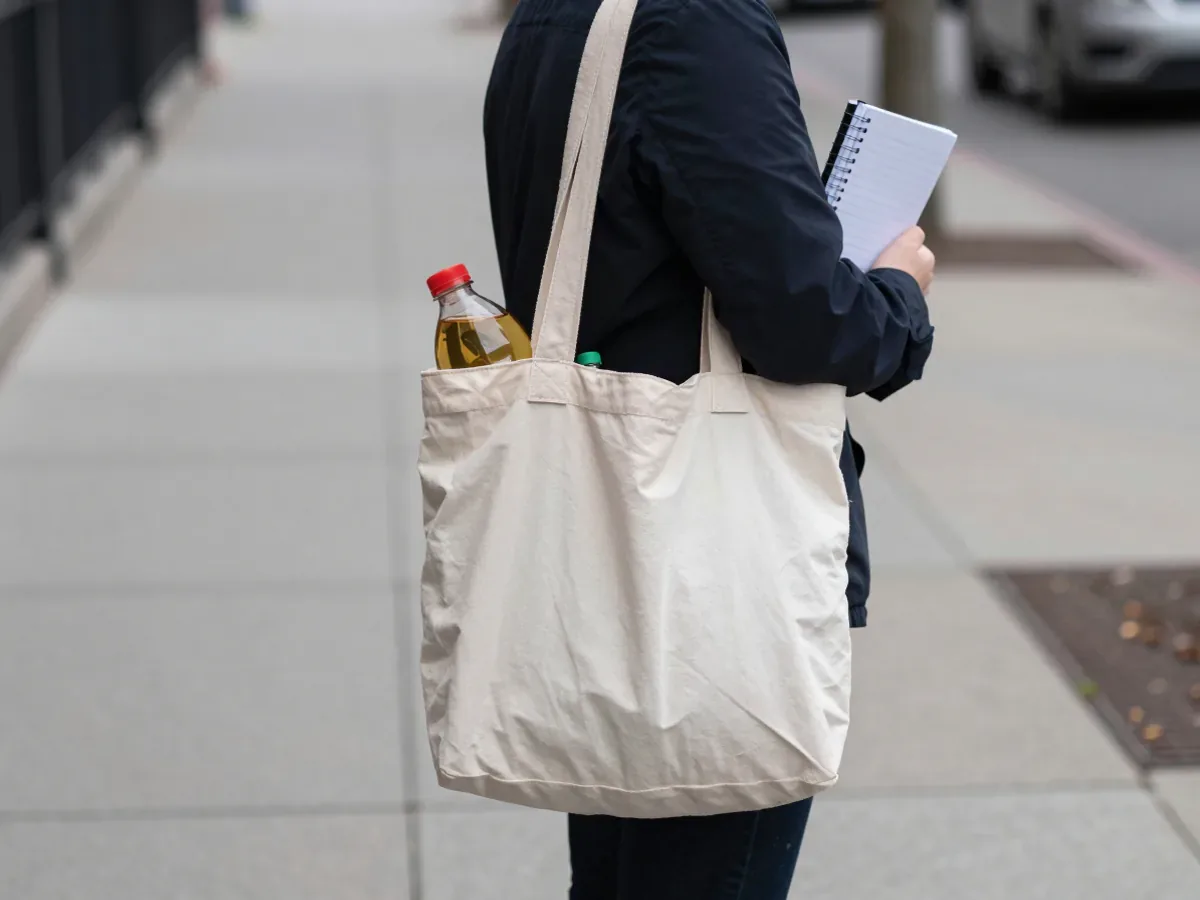
A promotional bag earns a second outing when it solves a carrying problem better than the alternative the person already has. That is a design question before it is a material question. A flat tote with no gusset holds a notebook and nothing else; the same shell with a gusset holds groceries, and groceries are a weekly errand.
The second requirement is that it looks acceptable to carry. Design must make someone feel cool wearing it, or at least not awkward. A bag covered edge to edge in a large logo reads as advertising and gets left at home; a bag with a restrained mark and a pattern people actually like gets used on a normal Saturday.
The third requirement is durability at the points that fail first. Handles, the seam where the handle meets the body, and the base corners take the load. A bag that passes those three points will usually outlive the campaign window, and that is the whole economic case for spending more per unit.
Choosing the material and build that survive daily use
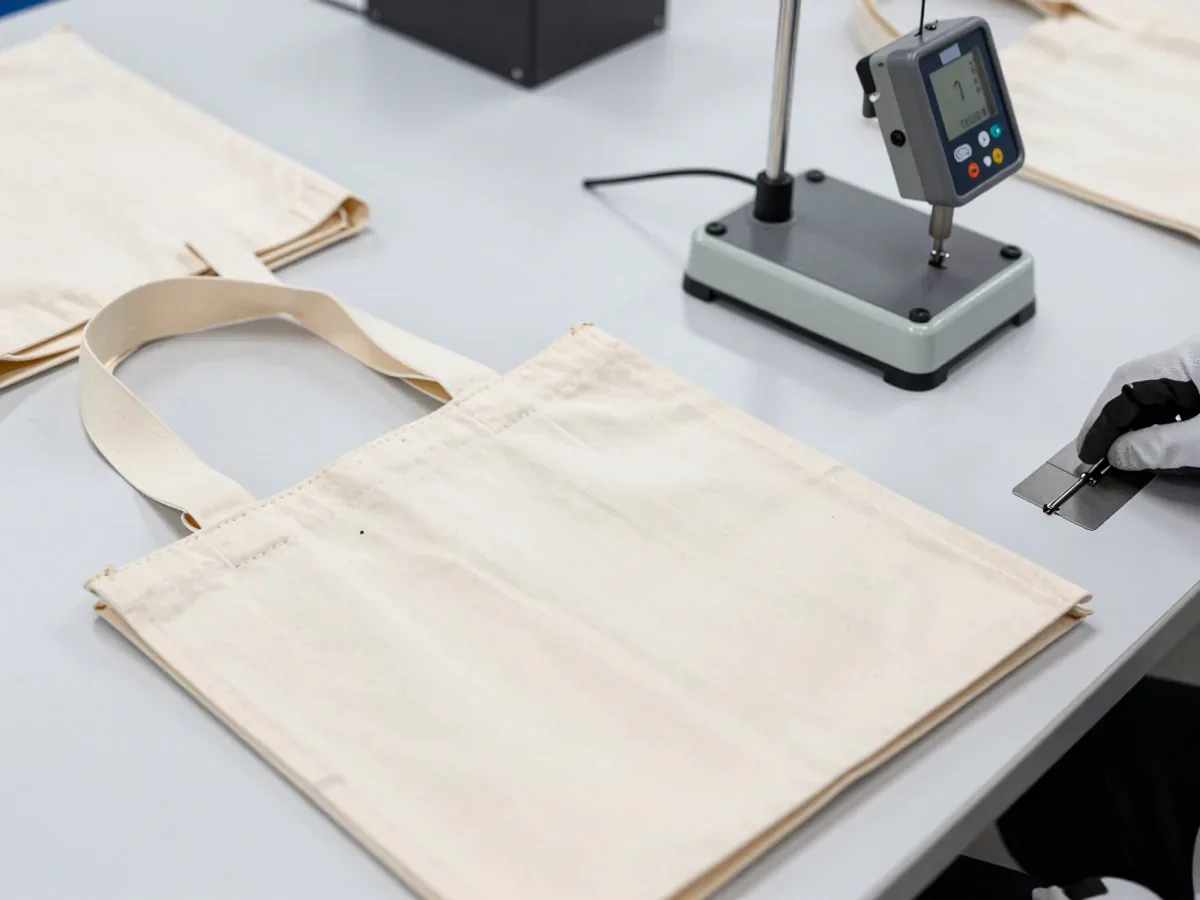
Material choice starts with the use cycle the buyer expects, not with the cheapest option on the line. Durable rPET or canvas gives a bag that lasts, and both are available in weights that suit a grocery run rather than a single afternoon. Our line also runs PE, PP woven, non-woven, polyester, nylon and jute, so the conversation is about matching the shell to the job.
A canvas tote is specified by weight, handle style and size, with a natural or dyed body. Handle options are woven, webbing or rope, and the choice matters more than it looks: a rope handle carries weight comfortably but needs a secure anchor, while webbing spreads load across a wider seam.
Build quality is checked rather than assumed. Incoming fabric, webbing, zips and thread are checked against the approved spec, and pull, seam strength and bar-tack are tested on every batch. Those three tests map directly onto the failure points described above, which is why they belong in the order conversation and not only in the inspection report.
Matching the bag to the channel that will actually carry it
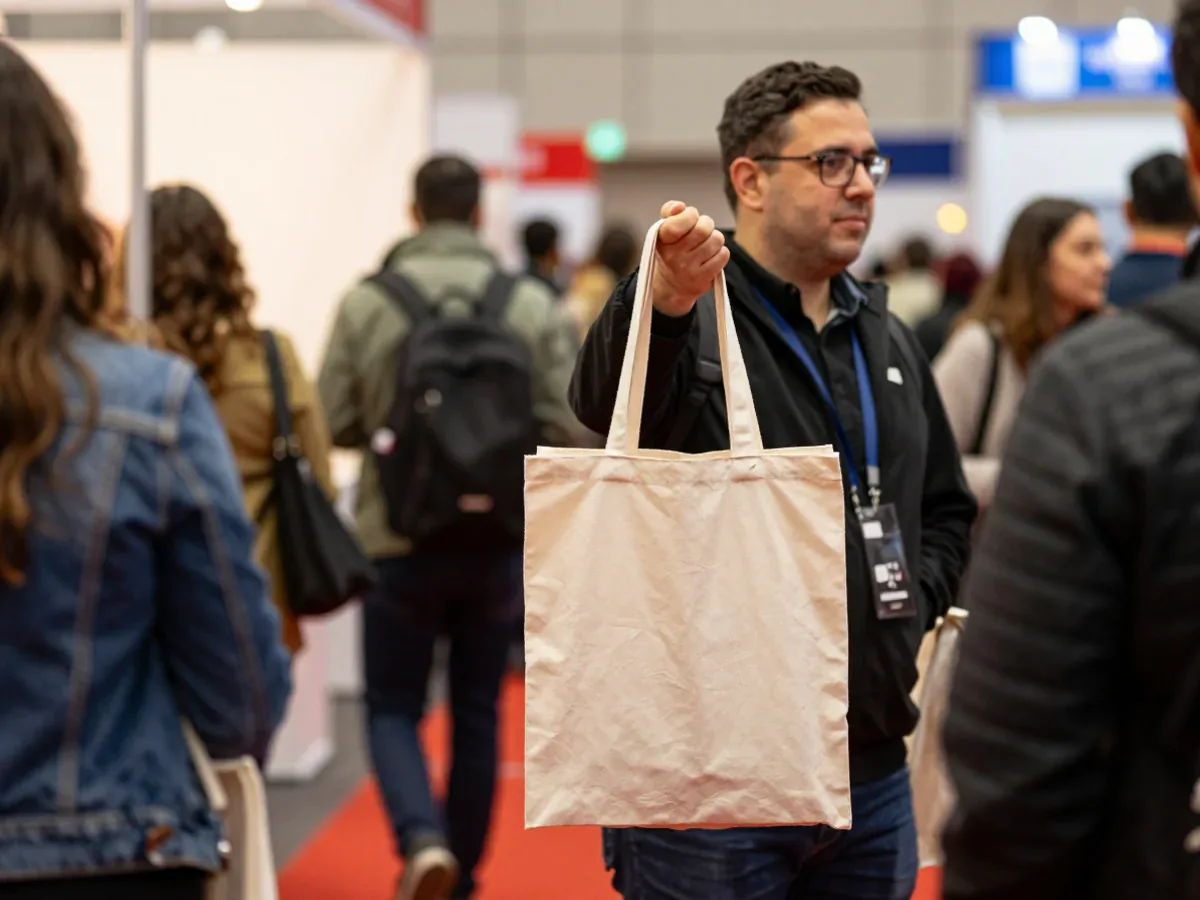
Distribution decides whether the bag is used or discarded, so it should be chosen before the bag is specified. Events and trade shows bring high foot traffic and an engaged audience, but they also bring a large share of visitors with no reason to keep anything. A bag handed there needs to be obviously useful on the walk back to the car or the train.
Point of sale incentives work differently. Offering a free tote with a purchase drives basket size and puts the bag in the hands of someone who has already decided to buy. Online redemption, where bags go to shoppers who spend over a threshold, does the same job with a delivery address attached.
Partnership giveaways, co-branded with local cafes, gyms or fairs, borrow an audience that already trusts the partner. A festival bag with event art and a QR code can carry a playlist link and keep engagement alive during the event itself. Each channel implies a different bag, and picking the channel first prevents the wrong bag being ordered in bulk.
Printing something worth scanning, keeping and posting
Print is where a bag becomes trackable, and trackability has to be designed in. A unique campaign code printed inside the bag or on a label lets a recipient redeem something later, and it tells the brand which bag went where. A QR code on the outside invites a scan at the moment of use, which is usually in a shop or on a street rather than at the event.
Placement matters as much as the code. A QR printed across a busy pattern gets lost; the same code in a clear panel near the handle gets found. Screen print, heat transfer or a woven label are all proofed before production, and the proof is the moment to check that the code is large enough to scan from a phone at arm's length.
Hashtag prompts and follow-up surveys extend the campaign past the handover. Encouraging recipients to post a bag photo links the physical item to social behaviour, and a short survey sent around two weeks after distribution captures whether the bag is still in use. Those signals connect a tangible item to digital behaviour and sales outcomes.
A pre-ship check for a campaign order
Before a campaign order ships, the checks that matter are the ones tied to the promises made in the brief. Dimensions, handles, logo and packed quantity are checked by hand, because a bag that is two centimetres short or printed off centre fails the campaign quietly. Cartons are counted and photographed before the container seals, which gives the buyer a record if a store reports a short delivery.
Retail packing deserves its own line in the check. Polybag, hang tag, retail carton or per-store packing lists change how the bags are received and how quickly they can be distributed, and a campaign with a fixed launch date cannot absorb a repacking delay.
The last check is the use cycle itself. Put one bag from the batch into real service before the full order is released: fill it, carry it, hang it by one handle. If the handle anchor moves or the base corners soften within a week of ordinary use, the campaign will produce torn bags rather than repeat sightings.
FAQ
How many bags should a first campaign order include?
Start small and size the first run to one channel rather than to the whole year. A single event or a single threshold promotion gives a clean read on uptake before a larger order is committed, and it keeps the specification flexible if the first batch reveals a problem.
Is rPET or canvas better for a reusable promotional bag?
Both can last, and the choice depends on the look and the load. Canvas reads as a durable everyday tote and takes a natural or dyed body; rPET suits a lighter, more technical feel and carries a sustainability story. Match the weight to what the bag will carry, not to the lowest quote.
Where should a QR code go so people actually scan it?
Put it where a hand naturally lands and where the print stays legible: a clear panel near the handle, or inside the bag next to a campaign code. Test the printed code with a phone before production, at the size and contrast it will actually appear.
How do we know a tote campaign worked after the event?
Set the measures before distribution: redemption codes used, QR landing page visits, social posts with the hashtag, and survey responses collected a couple of weeks later. Repeat purchase rates and brand perception scores add context, and clear targets keep the next campaign focused.