



Pet food brands ship heavy, greasy, perishable-adjacent product to a customer base that reorders on a schedule, and most of them still pack those orders in boxes that cost more, break in transit and carry no brand value past the doorstep. The switch to branded reusable tote packaging changes the math across fulfillment, freight and repeat purchase, and it is a pattern that repeats across the category.
This case study walks through how a pet food brand scaled to 500,000 orders on branded tote packaging. It is an illustrative program model built from the packaging patterns common across pet food and grocery fulfillment, not a profile of any single client; the numbers are planning ranges that buyers can test against their own lanes.
The category context, from kibble formats to the distribution channels that dominate pet food sales, is summarized in the reference on pet food.
Why pet food orders punish cardboard
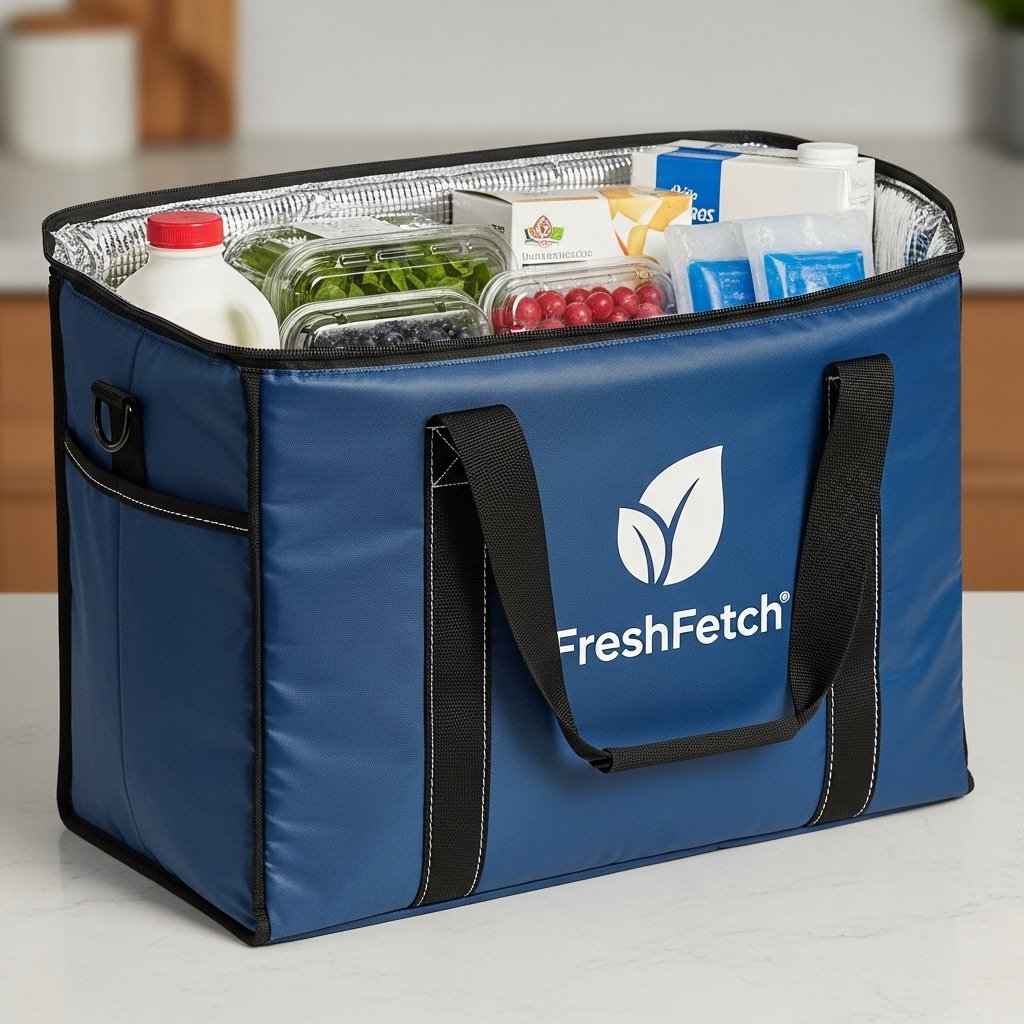
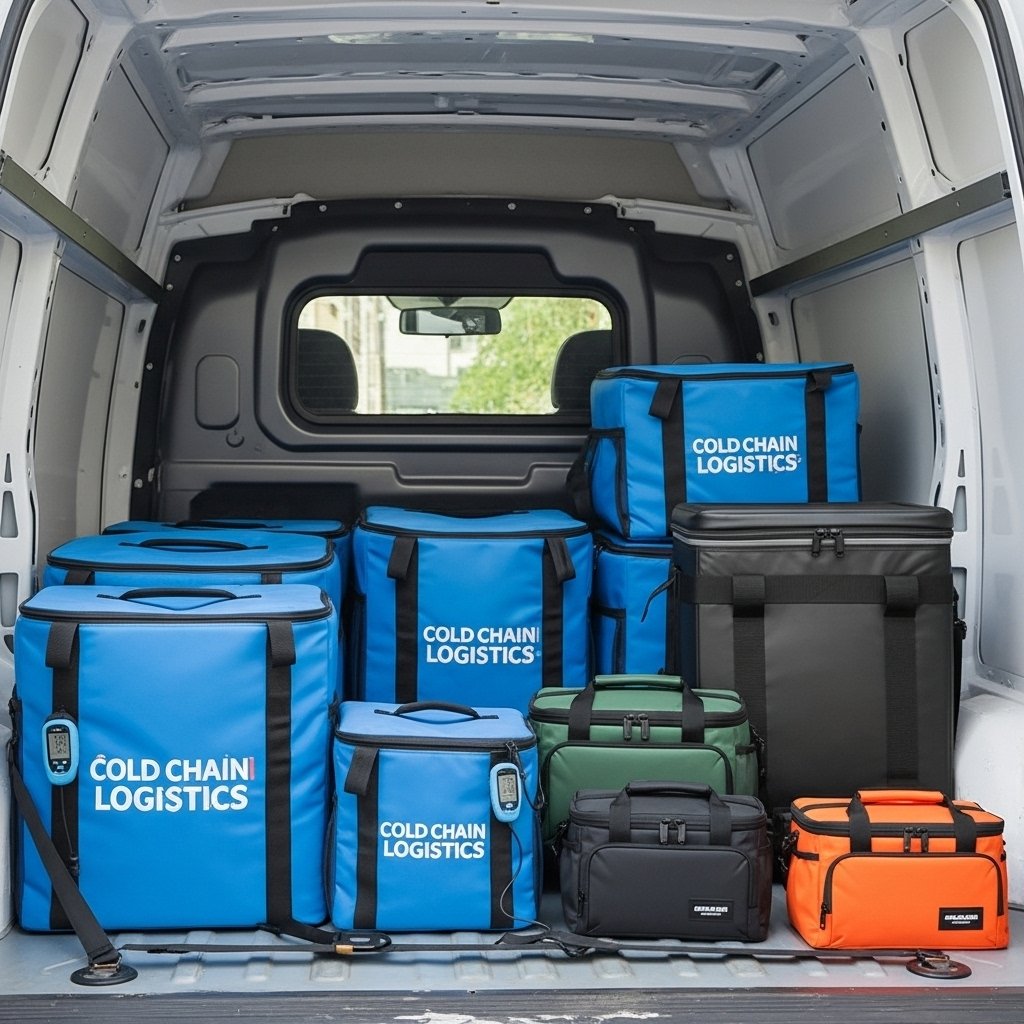
Pet food fulfillment is a stress test for packaging. Bagged kibble is heavy for its volume, wet food and frozen portions move through cold legs of the journey, and a torn outer carton turns a subscription order into a refund plus a lost renewal. Three failure patterns drive the packaging decision. Weight: a 10 kilogram kibble bag inside a corrugated carton plus void fill runs close to the parcel weight ceiling, raising zone-based freight. Grease and moisture: seams fail and cartons soften when a leaky can or thawing portion sits against the board. Returns: a damaged carton is written off entirely, while a reusable tote survives the round trip. The cold-chain program details are covered in our hotel group returnable laundry bag case study, which shows the same returnable logic in a different vertical.
The program model: 500,000 orders on branded totes
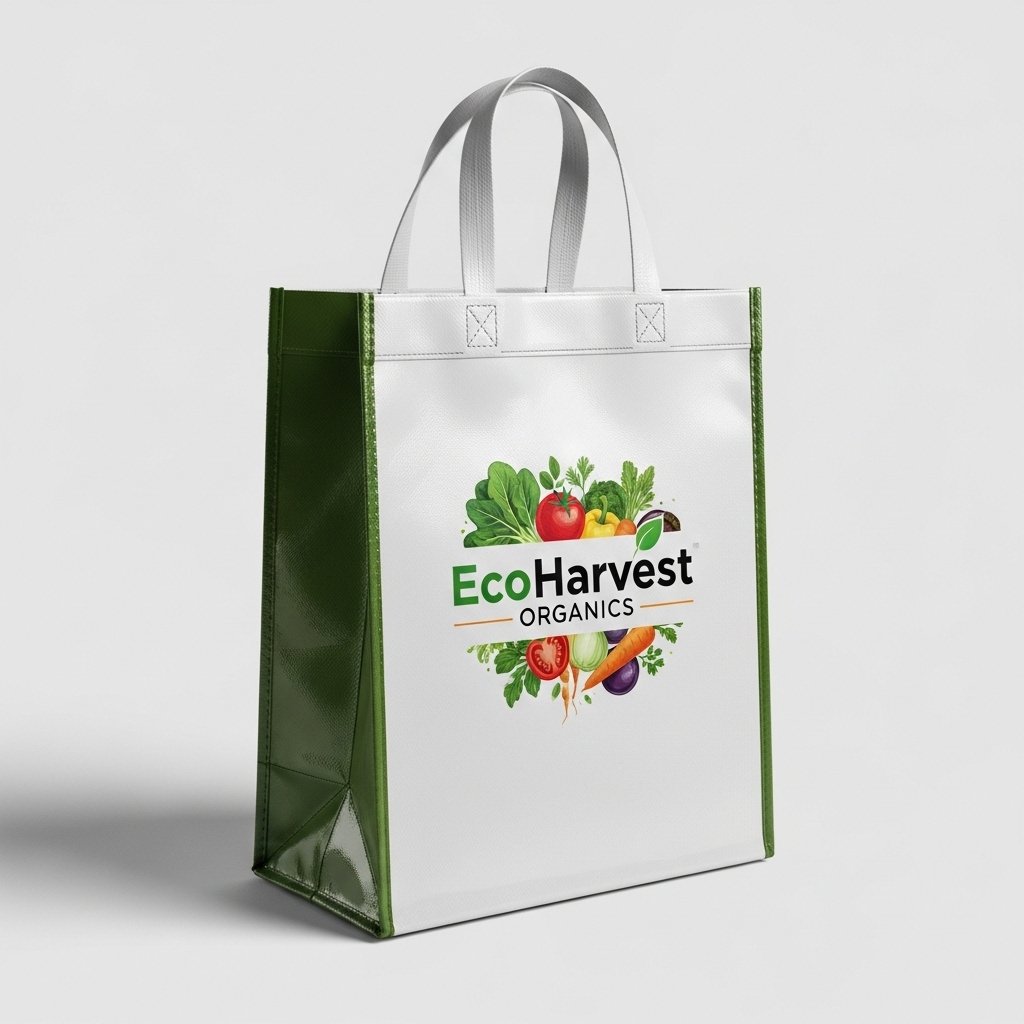
The model assumes a subscription pet food brand shipping 500,000 orders a year, roughly 41,700 a month, across a mix of 5 and 10 kilogram kibble, canned wet food and frozen raw portions. The packaging specification that makes the program work has four parts. One tote per order cycle: a laminated PP woven tote rated for 15 kilograms, with a moisture-resistant liner for the wet and frozen lines. Brand print on both faces: the tote is the package, so the logo, feeding instructions and reorder code live on the bag instead of a sleeve. A returnable lane for the customer’s next order: the tote is collected or credited at the next delivery, which turns packaging cost into a retention mechanism. A parcel-friendly footprint: the flat-packed tote adds 150 grams to the shipment instead of the 400 to 700 grams a corrugated carton with void fill adds. The material structure that carries the 15 kilogram rating is explained in our woven versus non-woven polypropylene comparison, and the print side of the specification in our bag printing color guide.
Where the savings come from
The 500,000-order model earns savings on four lines. Packaging cost per order: a printed laminated tote lands in a similar cost band to a printed corrugated carton with inserts, before reuse credits. Freight weight: removing 300 to 500 grams of void fill and board per order compounds across 41,700 monthly shipments, and every gram matters against dimensional weight rules. Damage and returns: a woven tote does not crush or soften, so the damage write-off line shrinks toward zero against the 1 to 3 percent carton damage rates typical of heavy pet food lanes. Retention: customers who receive a usable branded tote report a reason to keep the subscription, and the tote carries the reorder code to the pantry shelf, where the next order is decided. The economics of returnable programs, including the collection math, are covered in our courier fleet reusable delivery bag case study and the food bank donation bag case study, which show the same unit economics at different scales.
The quality gates that protect the program
A tote that fails in the field is worse than a carton that fails, because the tote carries the brand. Three gates keep the program honest. Load and seam testing: every production lot should pass seam strength verification to a published method such as ASTM D1683, with the results logged per batch, the protocol for which is in our seam strength testing guide. Print durability: the tote is handled, washed and reused, so rub fastness and wash fastness grades belong in the purchase contract rather than the sample review. Moisture resistance: the wet and frozen lines need a liner or coated construction verified by the fabric specification, not by a one-off sample. When the brand also claims recycled content on the tote, the material claim should carry certification under our GRS chain of custody guide. The order-side quality gates, from pre-production samples to batch release, are the same ones documented in our fabric weight and durability guide.
Running the pilot before the program
No 500,000-order program should start at full volume. A defensible pilot is 10,000 orders across three months and two lanes, one dry and one frozen, with four tracked numbers: damage rate against the carton baseline, packaging cost per order, weight per shipment and renewal rate among pilot customers. If the tote survives the pilot at or better than the carton on all four lines, the scale-up decision is arithmetic, not faith. If it does not, the failure shows up in 10,000 orders at pilot prices instead of 500,000 at program prices. The same staged logic applies to the sourcing side, where sample-to-bulk verification is covered in our wine distributor tote bag case study, and the production range for program-scale programs is on our canvas tote page and pp woven bag page; site-specific questions go through the contact page.
Frequently asked questions
Why use tote packaging for pet food instead of boxes?
Totes cut freight weight by removing void fill, survive the grease and moisture that soften corrugated board, and carry the brand and reorder code to the customer’s pantry.
What tote specification suits pet food orders?
A laminated woven polypropylene tote rated for 15 kilograms with a moisture-resistant liner for wet and frozen lines, tested for seam strength per batch.
Are branded totes more expensive than cartons?
At comparable print quality the tote sits in a similar cost band, and the gap closes when reuse credits, damage reduction and freight weight savings are counted.
How should a brand pilot reusable tote packaging?
Run 10,000 orders across a dry lane and a frozen lane for three months, tracking damage rate, packaging cost, shipment weight and renewal rate before scaling.
Foam thickness sets hold time more than any other single spec; our insulated bag foam thickness guide maps 2 to 8 mm walls to real hours.
Color-coded fabric bags can rework a sorting line; our uniform rental color-coded bag case study shows how one rental service measured the gain.
The unboxing layer decides retention on subscription programs; our subscription box tote design guide covers sizing, print, and mailer fit.
An insulated delivery bag switch paid for itself over the reuse count; our coffee roaster insulated bag case study walks through the cost and damage math.
For more detail, see our Case Study.


0 Comments