



Case Study: Medical Supply Distributor Standardizes Pick-and-Pack Totes
Pick-and-pack is where a medical supply distributor makes or loses money. Every order is picked into a tote, moved and packed, and the tote is a piece of the operation that is easy to overlook. When a distributor uses different totes on different lines, the pack is inconsistent, and the cost and the errors rise. This case study looks at how a medical supply distributor standardized its pick-and-pack totes and what it changed.

The problem: an inconsistent pack
The distributor ran several lines, and each line used a different tote. A tote that worked on one line was too small or the wrong shape on another, so the picker had to improvise, and the pack came out different each way. This led to a pack that did not fit the order, an item that was left out and a carton that did not close, and the errors showed up as returns and re-picks. The tote was a hidden source of cost.
The decision: one standard tote
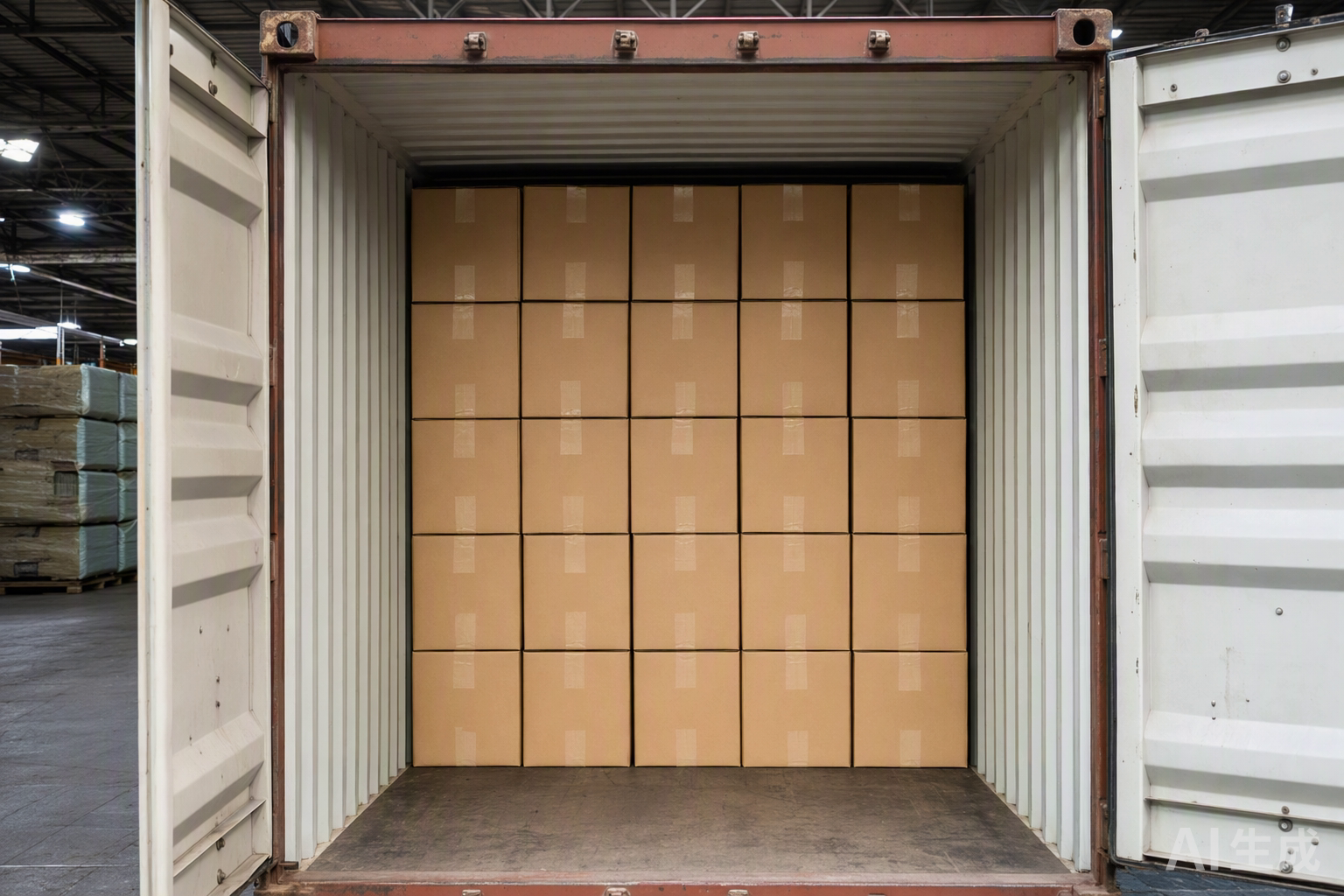
The distributor moved to one standard tote across the lines. The tote was sized to the largest common order, with a stable base and a strong handle so it could be carried and stacked. A single standard meant a picker knew the tote, the pack was the same each time, and an order either fit or was split into a known number of totes. The standard tote made the pack predictable.
The result: fewer errors and a lower cost
With a standard tote, the re-pick rate fell and the pack time came down. A picker did not stop to work out which tote fit, and the order was packed to size, so a carton was not oversized and the freight was not inflated. The cost per order fell, and the distributor was able to count the totes it needed and reorder in a batch. The standard tote was a simple change with a measurable effect.
The tote as a part of the operation
The pick-and-pack tote is a part of the warehouse flow, not a throwaway. It has to take daily use, hold the load, stack and clean, and it has to be the right size for the order. A tote that is too small causes a split, and one that is too large wastes space and freight. The standard is a design decision a distributor makes once and benefits from on every order.

The reference and the lesson
A standard tote is a procurement and an operational call, and it is the kind of efficiency that a distributor can apply and measure. The wider lesson is that a distributor should standardize the reusable handling item, because a repeat operation with a consistent input runs at a lower error and a lower cost. See how a grocery chain and a courier fleet standardized their programs.
What to take away
Standardize the tote to the order, size it to the largest common order, and reorder it in a batch. Count the tote into the pack cost, not as a side item. A consistent tote is a lower re-pick, a faster pack and a freight that is not inflated.
For the bag manufacturing range and the programs behind this guide, see our products page.
FAQ
Why standardize a pick-and-pack tote?
A standard tote makes the pack consistent. When every line uses the same fit, a picker knows the tote, the pack is the same each time, and an order either fits or is split into a known number of totes.
What does a standard tote change?
It lowers the re-pick rate, cuts the pack time and stops the freight from being inflated by an oversized carton. The cost per order falls.
What makes a good pick-and-pack tote?
It is sized to the largest common order, has a stable base and a strong handle, stacks, and cleans. It is the right size for the order, not too small or too large.
How does a tote fit the warehouse flow?
It is part of the flow, not a throwaway. It has to take daily use, hold the load and be reordered in a batch, so the distributor uses a consistent handling item.
Related: consistent containers for pick-and-pack under warehouse automation

0 Comments