



A mid-size wine distributor in the Pacific Northwest was losing $47,000 per year to bottle breakage and packaging waste. Their last-mile delivery fleet, which served 120 retail accounts and 340 direct-to-consumer subscribers, relied on single-use corrugated cartons with cardboard dividers. The cartons warped in wet weather, offered minimal impact protection on bumpy routes, and created a steady stream of disposal complaints from retail receiving docks.
Over a six-month period from Q3 2025 through Q1 2026, the distributor replaced corrugated cartons with custom padded tote bags manufactured by tiiocti. The result: a 62 percent reduction in bottle breakage, roughly $28,500 in first-year savings after the bag purchase, and ongoing annual savings above $45,000 once the investment is amortized.
All breakage, cost, and timeline figures in this case study come from the distributor’s operating records as shared with tiiocti (Q3 2025 through Q1 2026). Bag lifespan and material-test figures come from tiiocti product testing records (2025). Names and route details are anonymized at the client’s request.
Key Results at a Glance
The Problem: Corrugated Cartons Were Failing on Last-Mile Routes
The distributor operated a fleet of 8 delivery vehicles covering a 150-mile radius. Each vehicle made 15 to 22 stops per day, with drivers carrying 6-bottle and 12-bottle cartons from the van to the retail receiving area or customer doorstep. The corrugated cartons, sourced from a regional packaging supplier at $0.95 each for the 6-bottle size, had three persistent failure modes:
Moisture degradation. Wine bottles sweat during temperature transitions, especially in the Pacific Northwest climate. Condensation on bottles weakened the carton floor within 2 to 3 hours of loading. By the time a driver reached the 15th stop on a warm day, the bottom of the carton was soft enough to fail if set down too firmly.
Insufficient impact protection. The cardboard dividers between bottles prevented direct glass-to-glass contact but did not absorb shock. When a driver dropped a carton from van-floor height (approximately 28 inches), the force transmitted through the cardboard was enough to crack or chip bottles, particularly at the neck and lip. The breakage rate was 3.1 percent of bottles shipped, which on 42,000 annual deliveries meant roughly 1,300 broken bottles per year.
Waste and retailer complaints. Retail partners, particularly specialty wine shops with limited back-of-house space, complained about the volume of cardboard waste. A 6-bottle carton with dividers weighs approximately 380 grams. Across 42,000 deliveries per year, the distributor was generating over 15,900 kg of corrugated waste annually.
The Solution: Padded Canvas Tote Bags with Internal Dividers
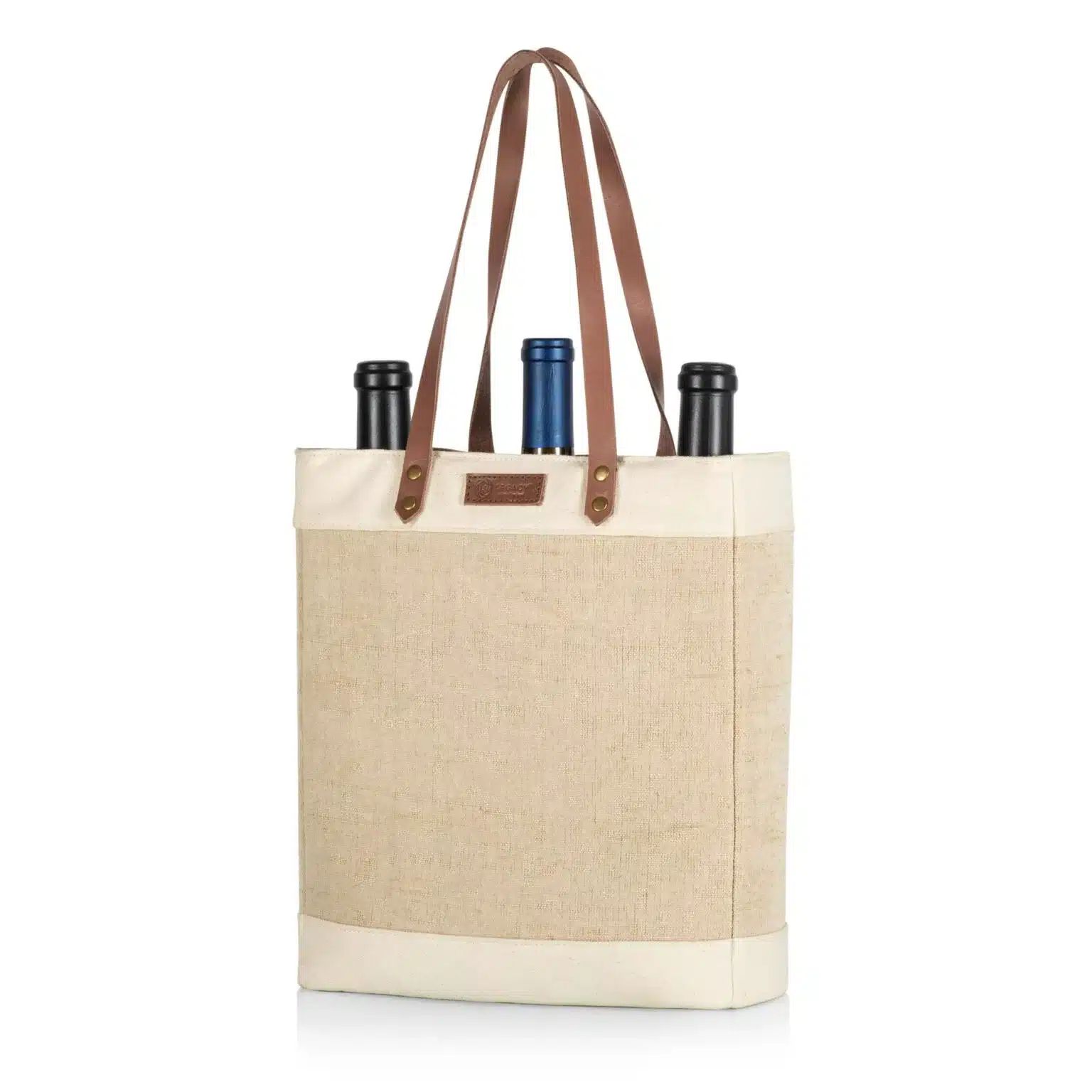
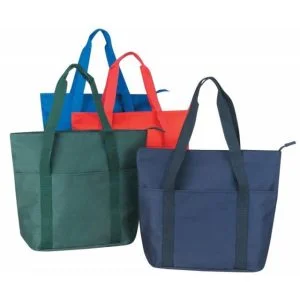
After evaluating three packaging alternatives, the distributor selected a custom shopping tote bag built with a padded interior, with the following specifications:
| Specification | Detail |
|---|---|
| Outer material | 600D polyester, water-resistant coating |
| Padding | 10mm EPE foam, full interior lining |
| Capacity | 6 bottles with molded PE dividers |
| Base | Reinforced with 3mm HDPE sheet |
| Handles | Padded nylon webbing, 18-inch drop |
| Dimensions | 14 x 10 x 12 inches (exterior) |
| Custom branding | Screen-printed logo on front panel |
| Unit cost (3,000 pcs) | $5.80 per bag |
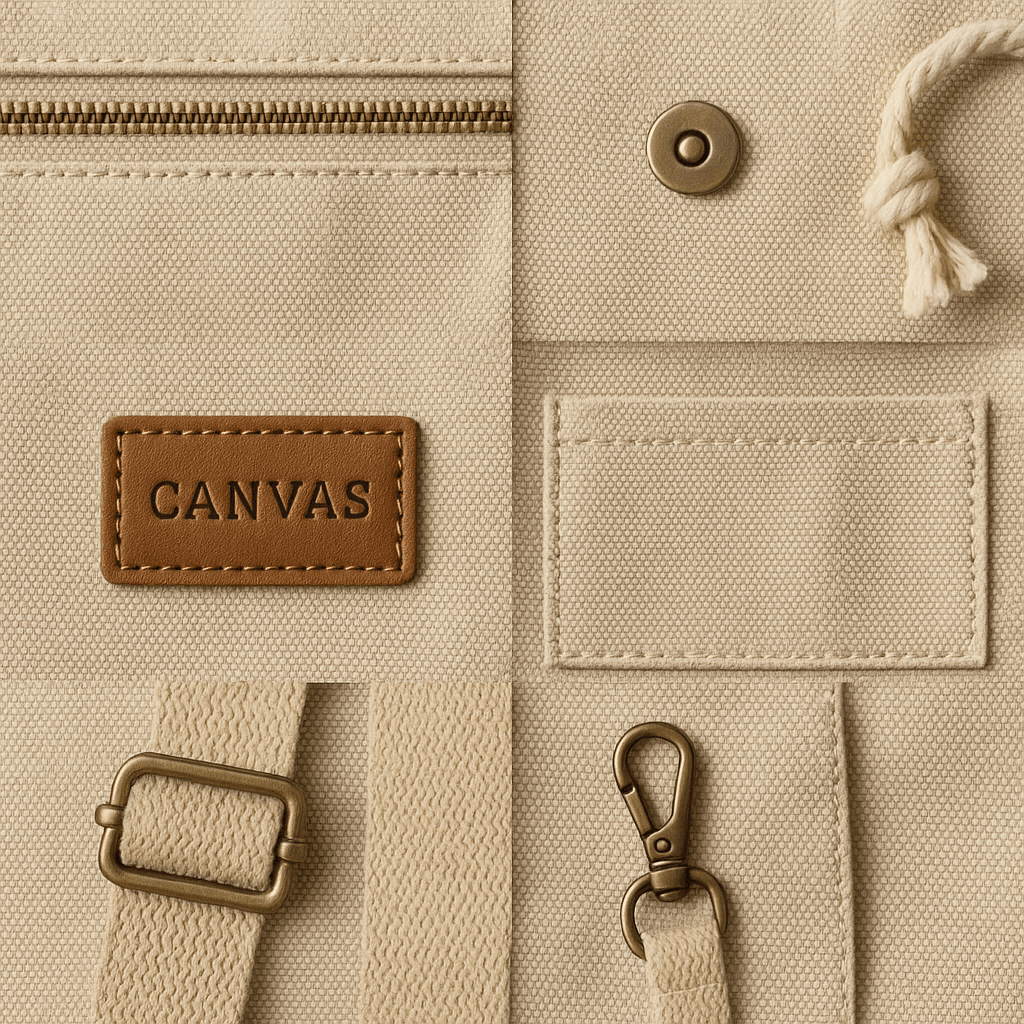
The 600D polyester outer was chosen over canvas for its superior moisture resistance. While 12 oz cotton canvas provides a more premium hand feel, it absorbs water and takes hours to dry, which would recreate the same degradation problem the distributor faced with corrugated cartons. Polyester sheds moisture and can be wiped clean between delivery runs.
The 10mm EPE (expanded polyethylene) foam padding wraps the entire interior, including the base, providing cushioning on all six faces of each bottle. The molded PE dividers hold bottles in individual cells, preventing glass-to-glass contact even when the bag is set down forcefully. The reinforced HDPE base sheet prevents the bag from sagging when loaded with 6 full bottles weighing approximately 18 pounds total.
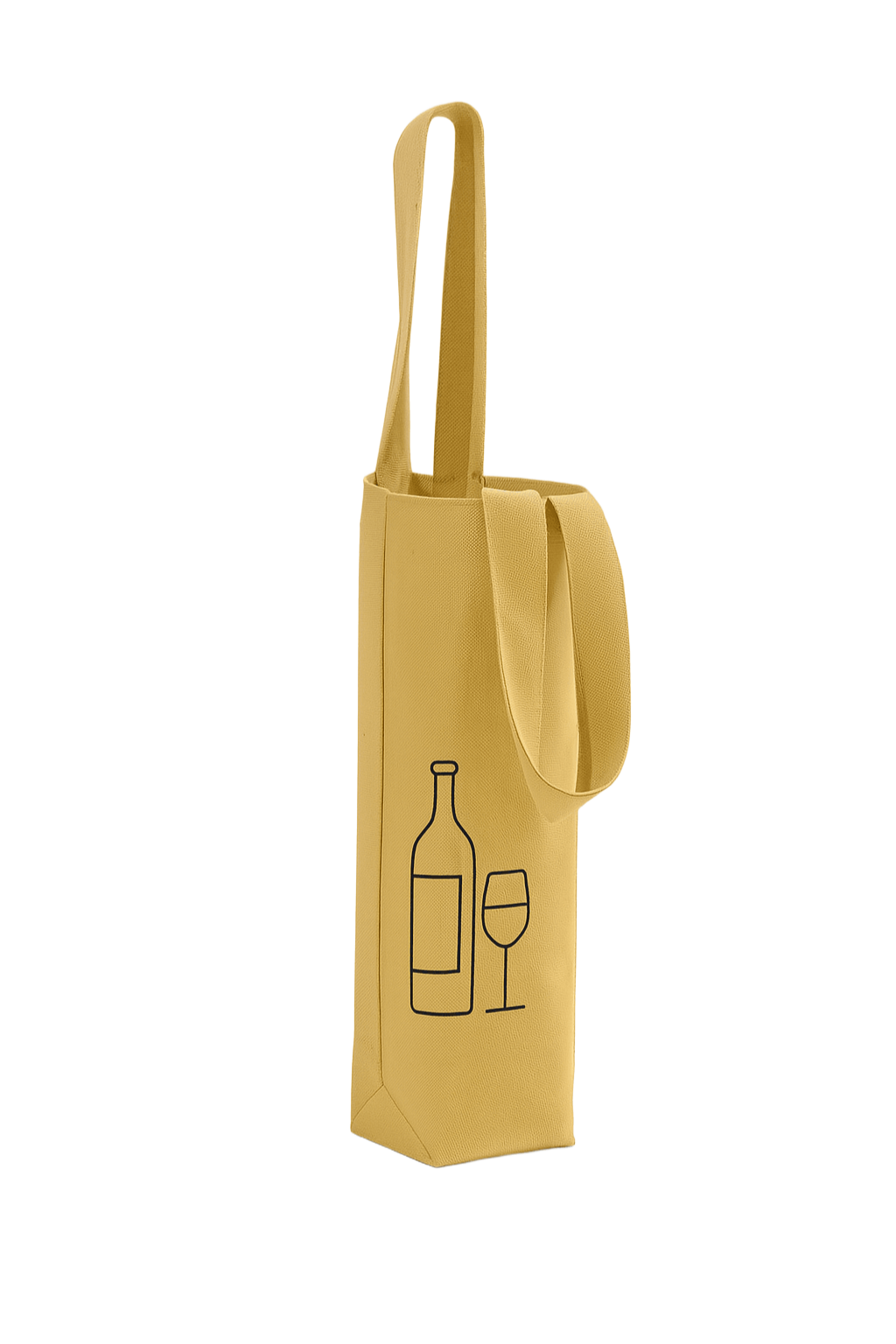
For the direct-to-consumer delivery segment, the distributor also ordered 1,500 single-bottle tote bags with a simpler construction (8 oz cotton canvas, 5mm foam, no dividers) at $2.40 per unit. These served as a premium unboxing experience that doubled as a reusable grocery bag, extending the brand’s visibility beyond the delivery moment.
Implementation: 90-Day Rollout Across the Delivery Fleet
The rollout followed a three-phase approach to minimize disruption to daily operations:
Phase 1 (Weeks 1 to 4): Pilot with 2 vehicles. Two delivery routes, one retail-focused and one DTC-focused, were equipped with 200 padded tote bags each. Drivers received a 30-minute training session on loading patterns, bag handling, and post-delivery inspection. During this phase, the operations team tracked breakage rates, delivery time per stop, and driver feedback.
Phase 2 (Weeks 5 to 8): Expand to 5 vehicles. Based on the pilot results, the tote bag design was adjusted. The handle drop was shortened from 20 inches to 18 inches after drivers reported that longer handles caused the bag to swing against their legs during walking. The foam thickness at the base was increased from 8mm to 10mm after one instance of a bottle chipping when the bag was set on a concrete loading dock.
Phase 3 (Weeks 9 to 12): Full fleet deployment. All 8 vehicles were equipped with the final-specification tote bags. A rotation system was established: each bag was numbered, and bags were inspected weekly. Any bag showing foam compression beyond 30 percent of original thickness, torn stitching, or broken base sheet was pulled from service and replaced.
“The first thing I noticed was that retailers started thanking us. They were used to dealing with a pile of broken cardboard at the end of each delivery day. With the tote bags, they just hand them back empty. It’s cleaner, and it makes us look professional.”
— Delivery Operations Manager, Pacific Northwest wine distributor
Results: Breakage, Cost, and Sustainability Outcomes
After six months of full-fleet operation, the data told a clear story. Here is the comparison between the corrugated carton baseline and the padded tote bag performance:
| Metric | Corrugated Carton (Baseline) | Padded Tote Bag (6-Month) |
|---|---|---|
| Bottle breakage rate | 3.1% (1,300 bottles/year) | 1.2% (504 bottles/year) |
| Annual packaging cost | $39,900 (42,000 cartons at $0.95) | $4,200 (replacement bags + initial amortization) |
| Product loss cost (at avg. $12/bottle wholesale) | $15,600/year | $6,048/year |
| Packaging waste generated | 15,960 kg/year | Approximately 180 kg/year (end-of-life bags) |
| Retailer satisfaction score (1-5) | 3.2 | 4.6 |
The breakage reduction from 3.1 percent to 1.2 percent saved $9,552 in product loss annually. The packaging cost savings were even larger: replacing $39,900 in annual carton purchases with a one-time investment of $21,000 (3,000 bags at $5.80 plus 1,500 single-bottle bags at $2.40) that lasts 250+ cycles each. Amortizing the initial investment over the bags’ expected lifespan, the annual packaging cost drops to approximately $4,200, a savings of $35,700 per year.
Combined savings from reduced breakage and packaging costs totaled approximately $28,500 in the first year after the bag purchase, rising to $45,000+ per year once the initial investment is fully amortized.
Design Decisions That Mattered
Three design choices had the greatest impact on the outcome:
1. EPE foam over bubble wrap or EPP molding. The distributor tested three padding options during the pilot phase. Bubble wrap was the cheapest but compressed permanently after 30 to 40 cycles, losing its cushioning effect. EPP (expanded polypropylene) molding offered superior protection but added $2.10 per bag and made the package 40 percent heavier. EPE foam at 10mm thickness hit the sweet spot: adequate protection for 250+ cycles at a reasonable cost and weight.
2. Reinforced base with HDPE sheet. The single most common failure point in early prototypes was the base of the bag, where bottles concentrated their weight when set down. Adding a 3mm HDPE (high-density polyethylene) sheet as a base reinforcement eliminated base sag and prevented the bag from tipping when placed on uneven surfaces. This is a detail that custom tote bag specifications should always address for heavy-load applications.
3. Numbered bags with a rotation and inspection system. Rather than treating the bags as consumables, the distributor managed them as assets. Each bag was numbered with a heat-transfer label, and a simple spreadsheet tracked which bags were in rotation, which needed inspection, and which had been retired. This system caught 23 bags with developing seam tears before they failed on a delivery, preventing potential breakage events.
Lessons for Other Distributors
The wine distributor’s experience offers several transferable lessons for any business considering a switch from disposable to reusable packaging:
Start with a pilot before committing to a full rollout. The two-vehicle pilot revealed handle length and base padding issues that would have been expensive to fix after ordering 3,000 bags at the wrong specification.
Choose materials based on the actual failure environment, not on aesthetics. The distributor initially preferred canvas for its premium look, but testing showed that polyester’s moisture resistance was more important in their wet climate. For a distributor in a dry climate, canvas might be the better choice. The printing method comparison also differs between materials: polyester accepts sublimation printing well, while canvas works best with screen printing or heat transfer.
Track the bags as assets, not supplies. The numbering and inspection system added roughly 15 minutes per week of management time but prevented premature failures that could have damaged bottles and eroded the cost savings.
Consider the brand value alongside the cost savings. The retailer satisfaction improvement from 3.2 to 4.6 was not a vanity metric. Two retail accounts that had been considering switching to a competing distributor cited the packaging improvement as a factor in their decision to renew. For businesses exploring custom logo tote bags as a brand investment, this case study shows that the brand benefit compounds the financial return.
Conclusion
This case study demonstrates that the total cost of packaging extends far beyond the per-unit purchase price. Corrugated cartons at $0.95 each looked inexpensive compared to padded tote bags at $5.80 each. But when breakage costs, waste disposal, and retailer satisfaction are factored in, the reusable tote bag delivered a 5-month payback and ongoing annual savings exceeding $45,000.
For wine distributors, beverage companies, and any business shipping fragile products on last-mile routes, the lesson is clear: invest in the packaging specification upfront, pilot before scaling, and manage reusable packaging as an asset. The numbers from this distributor show that the switch from cartons to padded tote bags was one of the most profitable operational changes they made in the past three years.
Frequently Asked Questions
How long do padded wine tote bags last in daily delivery use?
With 600D polyester outer, 10mm EPE foam padding, and a reinforced HDPE base, padded wine tote bags last 200 to 300 delivery cycles in daily use. The primary wear points are the handle attachment stitching and the foam compression at the base. A weekly inspection program can identify bags approaching end-of-life before they fail.
Can wine tote bags be customized with our brand logo?
Yes. Screen printing works well on polyester and canvas tote bags for logos with up to 4 spot colors. For full-color artwork or photographic images, heat transfer or sublimation printing is recommended. The minimum order quantity for custom-printed wine tote bags is typically 500 to 1,000 units per design. See custom printed retail tote bags MOQ and artwork setup for details.
What is the environmental impact of switching to reusable tote bags?
In this case study, the switch eliminated approximately 15,900 kg of corrugated cardboard waste per year. Even accounting for the eventual disposal of the tote bags after 250 cycles, the total waste dropped by over 98 percent. The environmental break-even point, where the cumulative impact of producing the reusable bags equals the impact of the disposable cartons they replaced, was reached at approximately 40 to 60 uses per bag.
Related reading: Bottom Gusset vs Side Gusset vs Flat: The Bag Structure That Changes Capacity and Cost
Related reading: Wine Bottle Tote Bags: The Retail Category Most Programs Ignore


0 Comments