



Woven and non-woven polypropylene share the same polymer and almost nothing else. Woven PP is a fabric of interlaced tapes with the strength to carry 50 kg; non-woven PP is a bonded web of fine fibres that makes soft, cheap promotional totes. Buyers who treat them as interchangeable pick the wrong material for the load, the print or the price. This guide explains how each is made and where each belongs.
How Woven PP Is Made
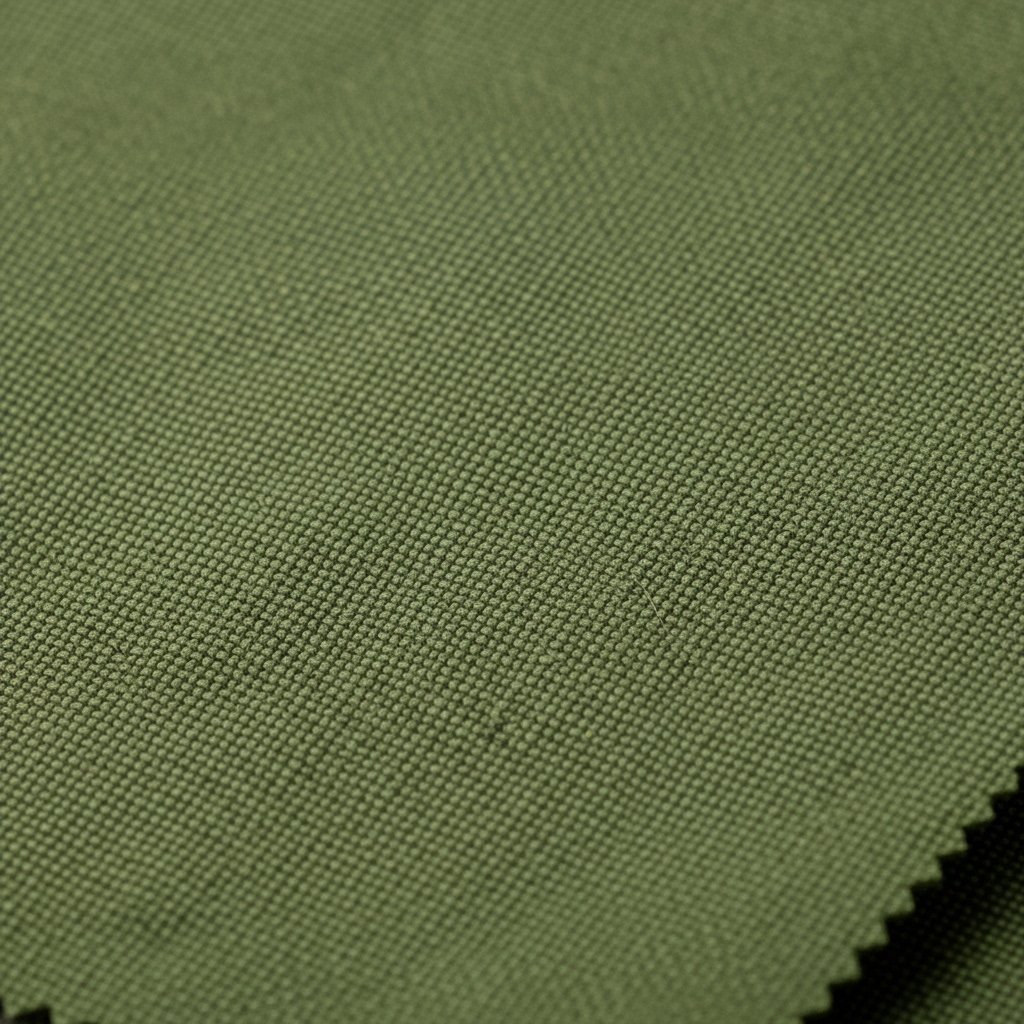
Woven polypropylene starts as resin pellets extruded into flat tapes, typically 2 to 3 mm wide. The tapes are stretched to orient the polymer chains, which is where the strength comes from, then woven into fabric on circular looms that produce a tubular cloth or on flat looms for sheeting. The weave is usually a plain 10 by 10 or 12 by 12 tapes per inch, and the finished fabric weighs 60 to 200 GSM depending on the tape denier.
The fabric can be used as-woven or laminated with a thin film on one side, which adds water resistance and printability. Bags made from woven PP run from simple sewn sacks to laminated shopping bags with handles, and the material’s breaking strength follows the textile testing methodology defined in standards such as ASTM D5034 for grab and modified grab strength of textile fabrics. A typical 80 GSM woven PP bag carries 15 to 30 kg; heavier laminates with reinforced seams carry 50 kg and up.
How Non-Woven PP Is Made
Non-woven polypropylene is not woven at all. The resin is melted and extruded through fine spinnerets into continuous filaments, which are laid into a random web and bonded by heat and pressure in a process called spunbond. The result is a soft, cloth-like sheet of 30 to 120 GSM with no grain direction and no interlacing, and the material specification follows the polypropylene classification in standards such as ASTM D4101 for polypropylene injection and extrusion materials.
The spunbond sheet is cut and sewn or ultrasonically welded into bags. Non-woven bags feel closer to fabric than to plastic film, which is why they dominate promotional totes, but the random fibre web has a fraction of the woven fabric’s strength at equal weight, and the seams are the failure point under load. A typical 80 GSM non-woven tote carries 5 to 10 kg comfortably and fails progressively as the fibres pull out of the welded seam.
Strength, GSM and the Load Question
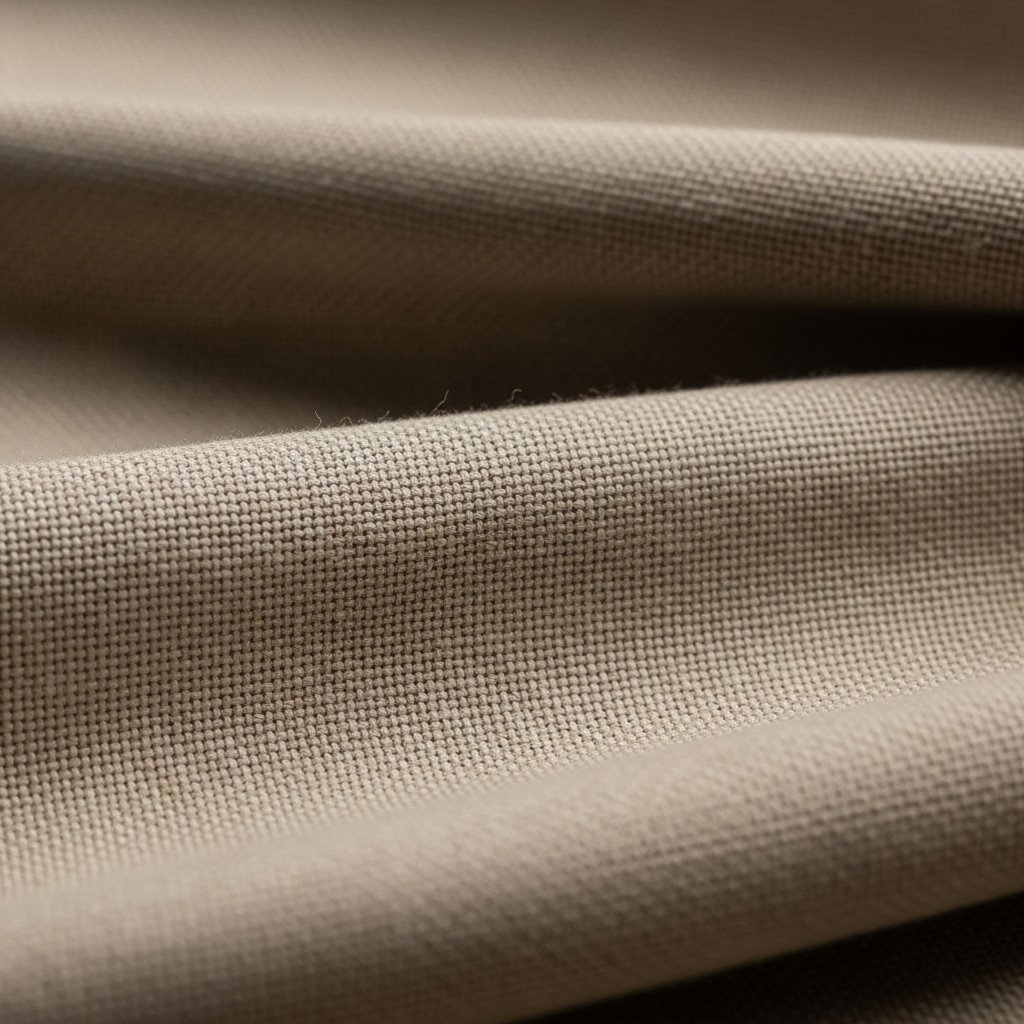
The strength gap is the deciding factor. Woven PP at 80 GSM carries 15 to 30 kg because the load distributes along continuous tapes; non-woven PP at 80 GSM carries 5 to 10 kg because the load concentrates on bonded fibre junctions. The gap widens under repeated use: woven bags hold their strength through hundreds of cycles, while non-woven bags lose seam integrity as fibres pull loose.
The weight rule for buyers: under 10 kg of load, non-woven PP wins on cost and feel; over 15 kg, woven PP is the only PP option, and over 30 kg the bag needs laminated woven fabric with reinforced seams. The GSM number alone does not answer the question, because 80 GSM woven and 80 GSM non-woven are different materials with different load ratings.
Printing and Cost Behaviour
Printing splits the materials again. Non-woven PP prints directly with screen or flexo ink and takes bright, full-colour graphics on its smooth surface, which is why promotional totes carry event artwork. Woven PP has a textured weave surface that prints poorly without lamination; the lamination film becomes the print surface, and the added layer pushes the cost up 20 to 40 percent. A fully printed woven bag costs more than a printed non-woven bag at the same GSM, but the woven bag carries ten times the load.
Cost per bag at 10,000 pieces runs roughly: non-woven totes USD 0.25 to 0.60, unprinted woven sacks USD 0.20 to 0.45, and laminated printed woven bags USD 0.60 to 1.20. The unit economics invert when load and reusability enter the brief: a cheap non-woven bag that fails on the first heavy load costs more per use than a woven bag at three times the price. For buyers choosing between the two materials for a specific product brief, the materials guide covers the full construction options.
Frequently Asked Questions
What is the load difference between woven and non-woven PP?
At 80 GSM, woven PP carries 15 to 30 kg while non-woven PP carries 5 to 10 kg. The woven load distributes along continuous tapes; the non-woven load concentrates on bonded fibre junctions.
Why do promotional totes use non-woven PP?
Non-woven PP has a smooth surface that prints bright full-colour graphics directly, feels soft like fabric, and costs USD 0.25 to 0.60 per bag at volume. The trade-off is the 5 to 10 kg load limit.
Does woven PP print as well as non-woven?
No. The woven texture prints poorly without lamination, and the lamination film that becomes the print surface adds 20 to 40 percent to the cost. Non-woven prints directly with bright graphics.
Which material suits a 50 kg load?
Laminated woven PP with reinforced seams carries 50 kg and up. Non-woven PP has no configuration that approaches this load rating.
Related reading: Seam Strength Testing for Bags: ASTM D1683 and Passing Thresholds.
Material weight ranges by family are tabulated in our bag fabric GSM guide.
Thread selection for heavy bag seams, from ticket sizes to bonded finishes, is covered in our sewing thread guide for heavy bags.



0 Comments