



A brand ordering 5,000 printed totes can pay 0.30 dollars per bag or 1.80 dollars per bag for the same artwork, and the difference is not quality: it is the printing route. Screen printing pays a setup cost and wins on volume; digital printing skips setup and wins on small runs and gradients. Choosing wrong adds 30 to 60 percent to a program budget that looked fine on the quote summary.
This guide compares the two routes on cost structure, color handling, order size thresholds and durability, and gives the crossover logic a buyer can apply before the next order.
Prices vary by factory, ink system and region; the figures below are working ranges from bag production practice, and every program should be confirmed against current quotes.
How each route actually prices
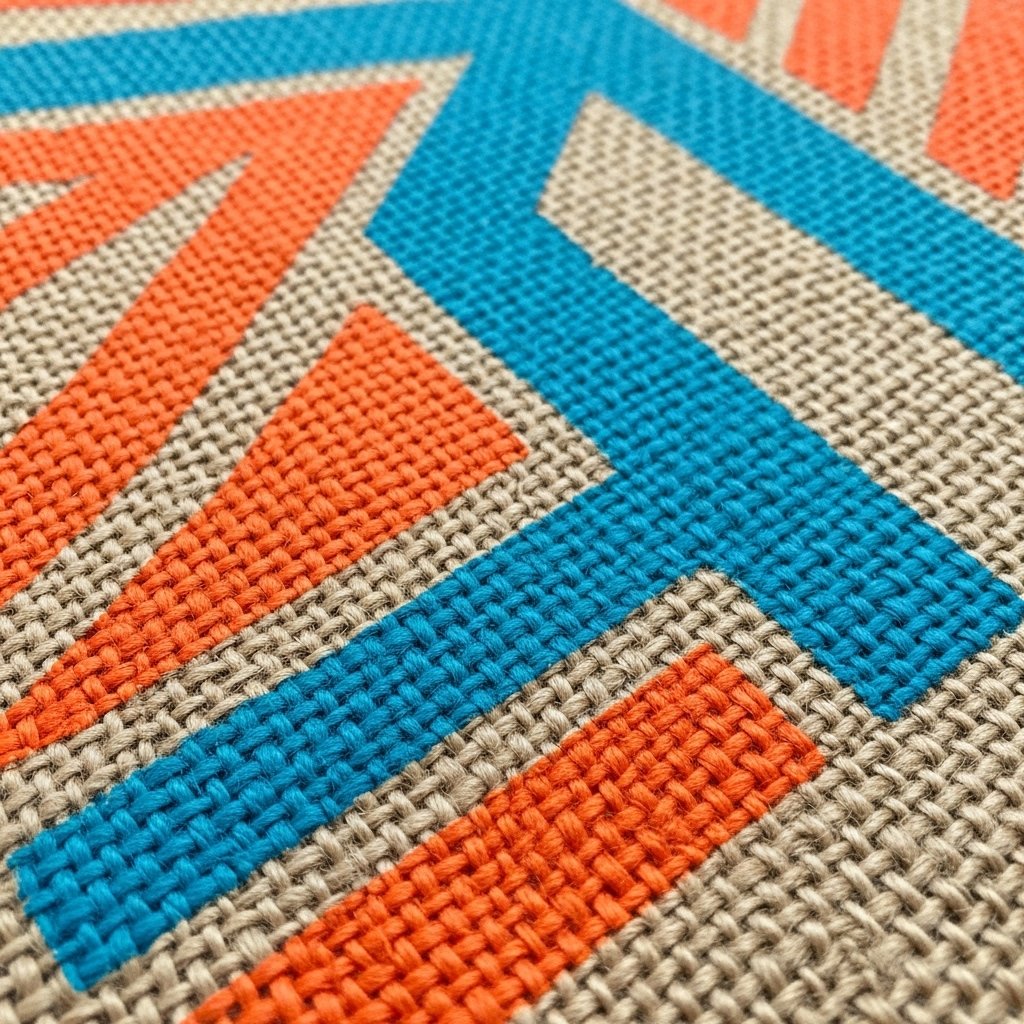
Screen printing prices in two parts. Setup: one screen per color, at roughly 20 to 50 dollars per screen, which is why a 4-color design carries 80 to 200 dollars of tooling before any bag prints. Running rate: each color adds a pass, so a single-color print on a 1,000-piece order runs 0.15 to 0.40 dollars per bag, and each extra color adds 0.08 to 0.20. The economics bend toward zero setup as volume grows. Digital printing, whether direct-to-garment on natural fabric or DTF transfer on synthetics, prices almost flat: no screens, no per-color passes, roughly 1.20 to 2.50 dollars per bag at 100 pieces and 0.90 to 1.80 at 1,000. The flat line never drops as far as screen printing’s floor, which is the entire decision. Concretely, a 4-color job at 2,000 pieces prices near 0.45 to 0.70 dollars per bag all-in on screens while the same artwork holds near 1.10 digitally, and stored screens reprint in 5 to 8 working days at 30 to 50 percent below first-run cost while digital files reprint at exactly the first-run price. Background on the two processes is maintained on Wikipedia.
The crossover math by order size
Run the numbers at three order sizes. At 100 pieces, digital wins outright: screen setup alone adds 0.80 to 2.00 dollars per bag before ink. At 500 pieces of a 2-color design, the routes meet, roughly 0.90 to 1.20 dollars per bag either way depending on region. At 2,000 pieces and up, screen printing wins and the gap widens: setup amortizes to cents, and per-bag cost falls to 0.20 to 0.60 for a 3-color design against a digital floor near 0.90. A working rule from production planning: single-run programs under 500 pieces go digital, repeat programs over 1,000 go screen, and the 500 to 1,000 band is decided by color count and reorders. Proof cycles matter at the deadline end: a physical screen color proof takes 3 to 5 days against a digital press proof’s 24 to 48 hours. The color-count question, how many colors a design should carry at all, is mapped in our how many colors to print guide, and the ink-side durability standards behind both routes sit in our color fastness testing guide.
Color handling and brand matching
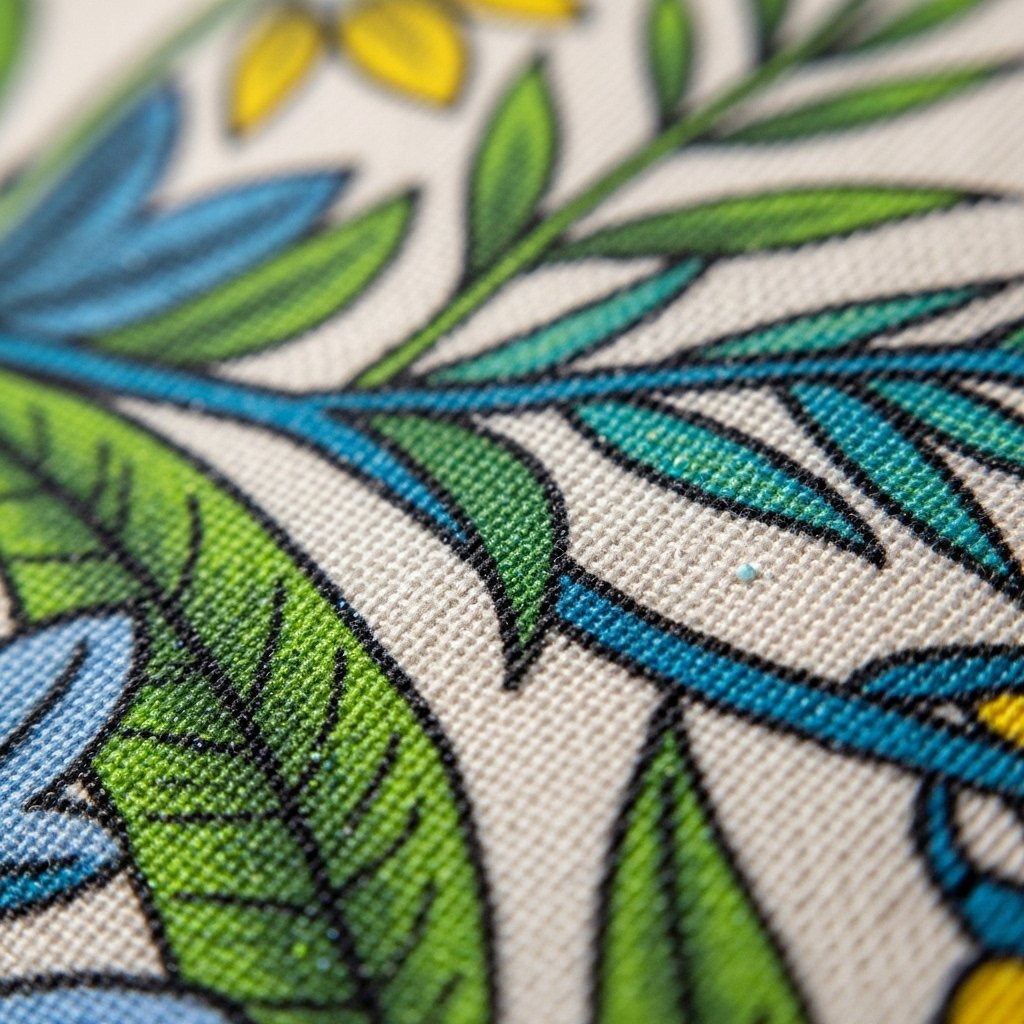
The two routes speak different color languages. Screen printing mixes physical ink to a specified spot color, which means a Pantone-matched brand red prints as that red on every bag in the run; the matching discipline is the same one we describe in our Pantone versus CMYK comparison. Digital prints in process color, excellent for gradients and photographs, with a practical shift of a few percent between proof and production that matters for strict brand palettes. Designs with fine line art below 0.5 mm stroke widths and halftone gradients belong to digital; designs with solid brand colors and 1 to 4 spot colors belong to screen.
Durability in the wash cycle
Both routes can pass commercial standards, but they age differently. A properly cured plastisol or water-based screen print typically survives 30 to 50 wash cycles before visible fade, with water-based inks softening into the fabric rather than sitting on it. Digital DTF transfers carry a thin adhesive film that can start to crack at edges after 15 to 25 cycles on heavy flex areas; DTG on cotton ages closer to screen prints. Curing discipline explains most of the spread: plastisol crosslinks fully at 150 to 160 degrees for 45 to 60 seconds, and under-cured prints fail at 10 to 15 cycles regardless of route. For programs where bags face weekly laundering, hotel spa totes, grocery fleets, the wash-test method in our color fastness guide applies to both routes, and the seam-side failure modes are separate, covered in our heavy-bag sewing thread guide.
Frequently asked questions
Is screen printing cheaper than digital for tote bags?
Under about 500 pieces, no; digital wins with zero setup. Over 1,000 to 2,000 pieces, screen printing wins and the gap widens as setup amortizes.
How many colors can each route print?
Screen printing runs 1 to 8 spot colors economically, one screen each; digital prints unlimited colors including gradients at no per-color charge.
Which route matches brand colors better?
Screen printing mixes physical ink to a Pantone spot color; digital works in process color with a few percent shift, so strict palettes favor screen.
Which print lasts longer in the wash?
Cured screen prints typically reach 30 to 50 wash cycles; DTF digital transfers can crack at edges after 15 to 25 cycles on flex-heavy areas.
Pick the route by order size, not by sample beauty
Digital samples always look impressive, and they cost accordingly at scale. The programs that price correctly decide on three numbers, quantity, color count, reorder likelihood, before looking at a printed sample. The savings compound across a year: a program running four orders of 800 pieces saves 400 to 900 dollars by routing two digitally and two on screens rather than forcing a single route. Both routes run across our canvas tote range et grocery bag range, with route recommendations per design at quotation.
Tooling quotes hide in the line items; our custom bag tooling and setup costs breaks down screens, molds, and dies so the comparison is honest.
The unboxing layer decides retention on subscription programs; our subscription box tote design guide covers sizing, print, and mailer fit.
Pour plus d'informations, consultez notre Handle Webbing 101.


0 commentaires