



Printed bags fail retailer compliance audits for one reason more than any other: color that rubs off onto hands, clothing and store fixtures. Color fastness testing turns that risk into a number instead of a promise, and this guide explains the three methods that matter for printed tote and shopping bags, together with the acceptance grades that belong in a purchase contract.
Every figure below follows the grading scales used by third-party laboratories, so buyers can compare factory claims on equal terms.
What fastness grading actually measures
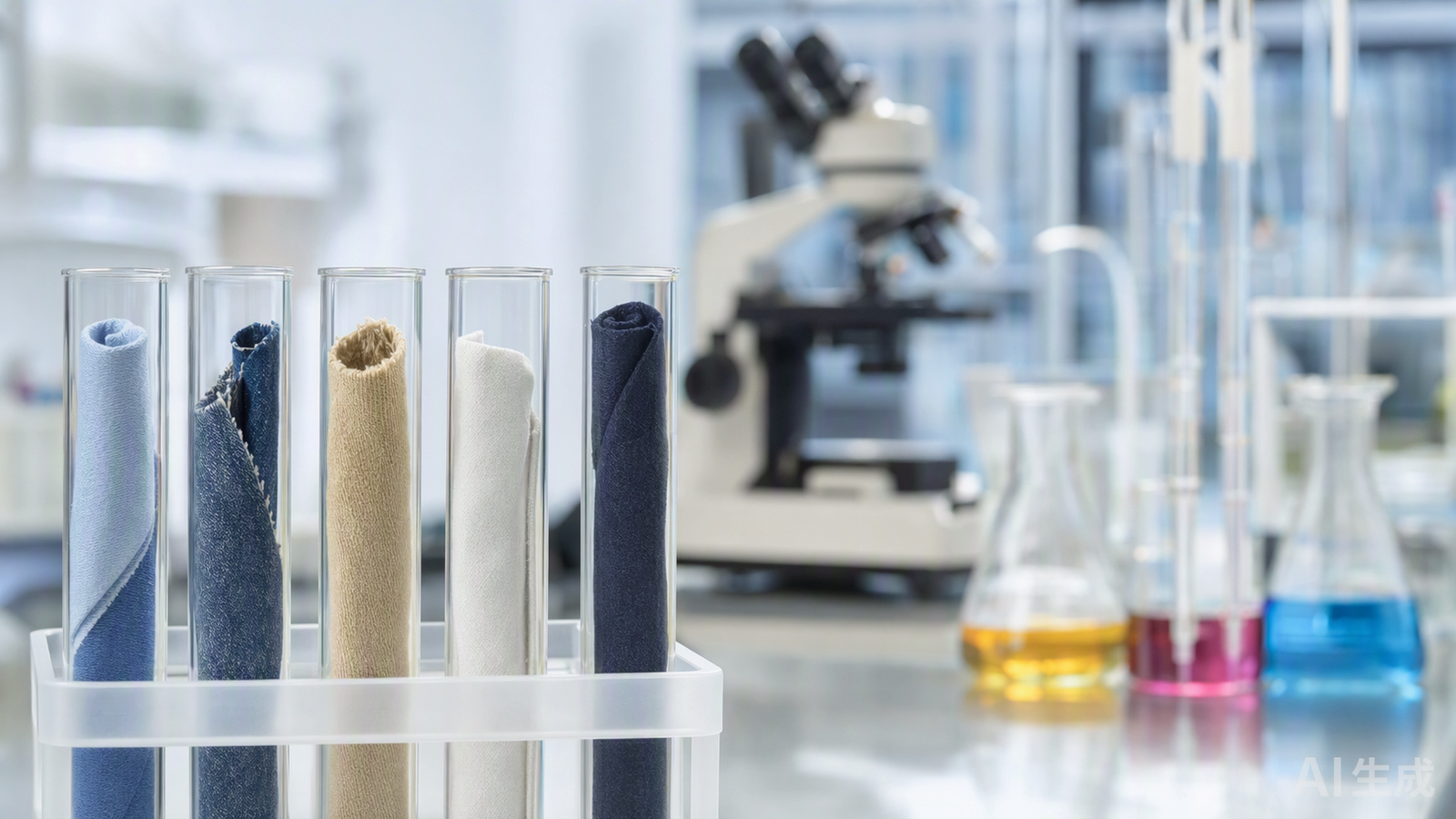
Color fastness is the resistance of a dye or print to fading or transfer under a defined stress, and it is scored on scales published in the ISO 105-A series. For rubbing, washing and perspiration, results read against the gray scale for staining and the gray scale for color change, both running 1 through 5 with half steps. Light fastness reads against the blue wool reference scale, which runs 1 through 8. A grade 4 on the gray scale means slight transfer visible only on close inspection; grade 3 is visible at arm’s length; grade 2 marks a bag most retailers will reject at receiving. The same scales apply whether the color comes from pigment printing, reactive dyeing or solution-dyed yarn, which is why we document the print route for every fabric on our materials page.
Rub fastness: AATCC 8 and ISO 105-X12
Rubbing, or crocking, is the failure buyers see first, because printed handles touch hands thousands of times per reuse cycle. The method mounts fabric on a crockmeter, drags a standard white cotton finger cloth across it under 9 newtons of force, and counts 10 complete strokes for dry crocking and 10 for wet. ISO 105-X12 follows the same mechanics with slightly different stroke counts, so results between the two standards are broadly comparable. Acceptance thresholds used across retail programs are grade 4 minimum for dry rubbing and grade 3 minimum for wet, with premium and food-contact programs pushing wet to grade 3-4. Dark saturated prints on light nonwoven polypropylene are the classic risk case, because heavy pigment load on a low-density surface transfers color fastest; the structure of that substrate is described in the reference on nonwoven fabric, and the test procedure library is published by AATCC.
Light fastness: AATCC 16 and blue wool exposure
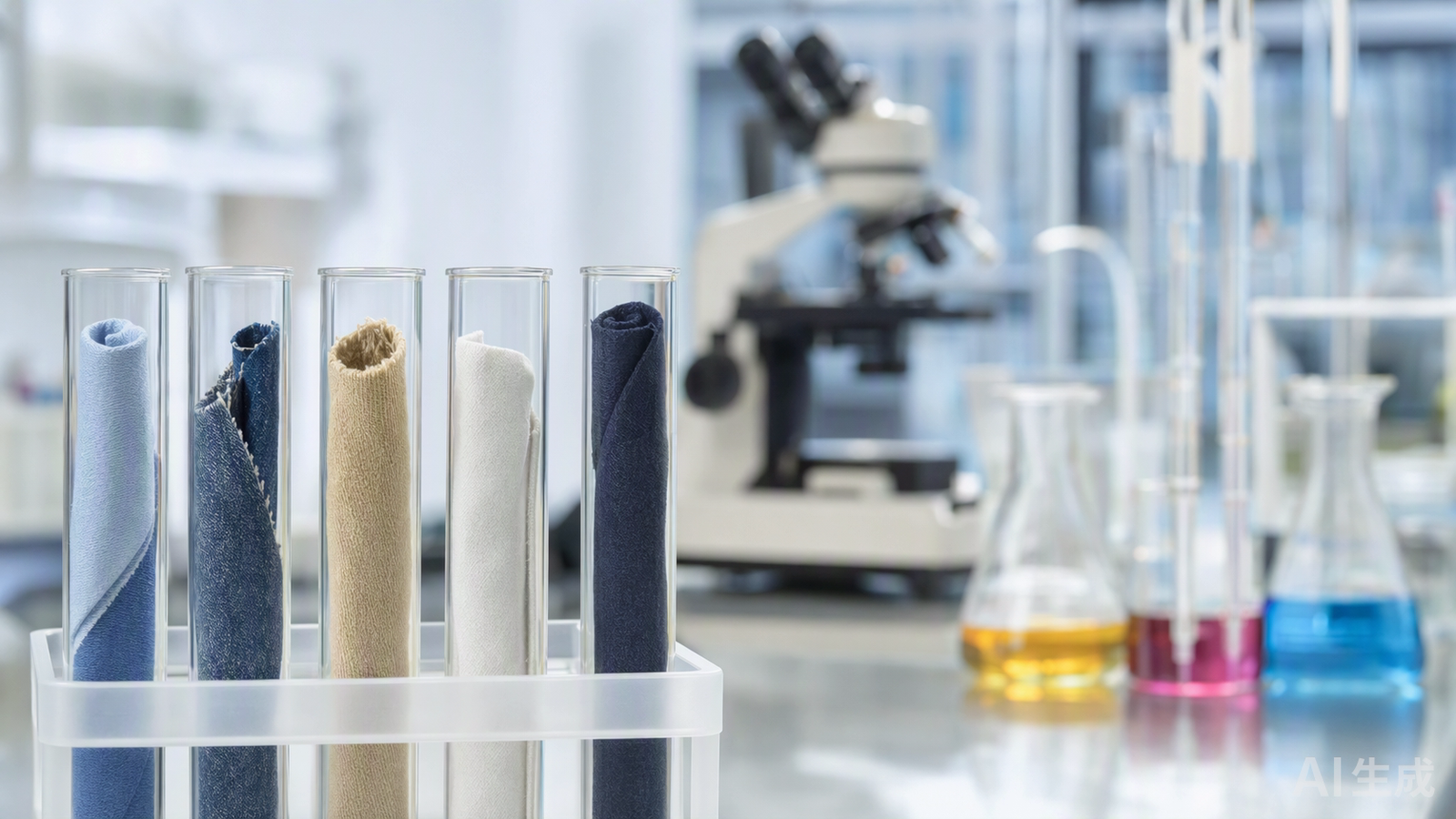
Bags that sit in storefront windows or outdoor market stalls fade, and light fastness is the grade that predicts it. AATCC 16 exposes samples to xenon-arc light matched to daylight, with the common continuous-exposure option running 20 to 40 AFU, available fading units, alongside a strip of blue wool standards; the grade is the numbered wool that fades at the same rate as the test specimen. For retail display programs, grade 4 on blue wool is the floor, and 5 or better is the safe specification for bags that will face months of window light. Pigment prints generally grade one to two steps below solution-dyed polypropylene on the same exposure, which is one reason our heavier pp woven bags hold showroom color longer than budget promotional nonwovens.
Wash fastness: ISO 105-C06 and repeated laundering
Reusable programs live or die on laundering, and wash fastness is graded after a defined cycle rather than a single rinse. ISO 105-C06 runs a 40 degree Celsius wash for 30 minutes in a standard detergent solution with an adjacent multi-fiber fabric in the bath; the adjacent fabric is then graded for staining and the specimen for color change. Program owners should specify grade 4 color change and grade 4 staining after cycle 3, because single-cycle results hide print systems that break down at wash 5 through 10. Prints that rely on insufficient curing ovens fail here first, which is why our canvas tote production logs oven temperature and belt speed for every print batch, creating a traceable record when a laboratory result is challenged.
Writing the acceptance table into your purchase contract
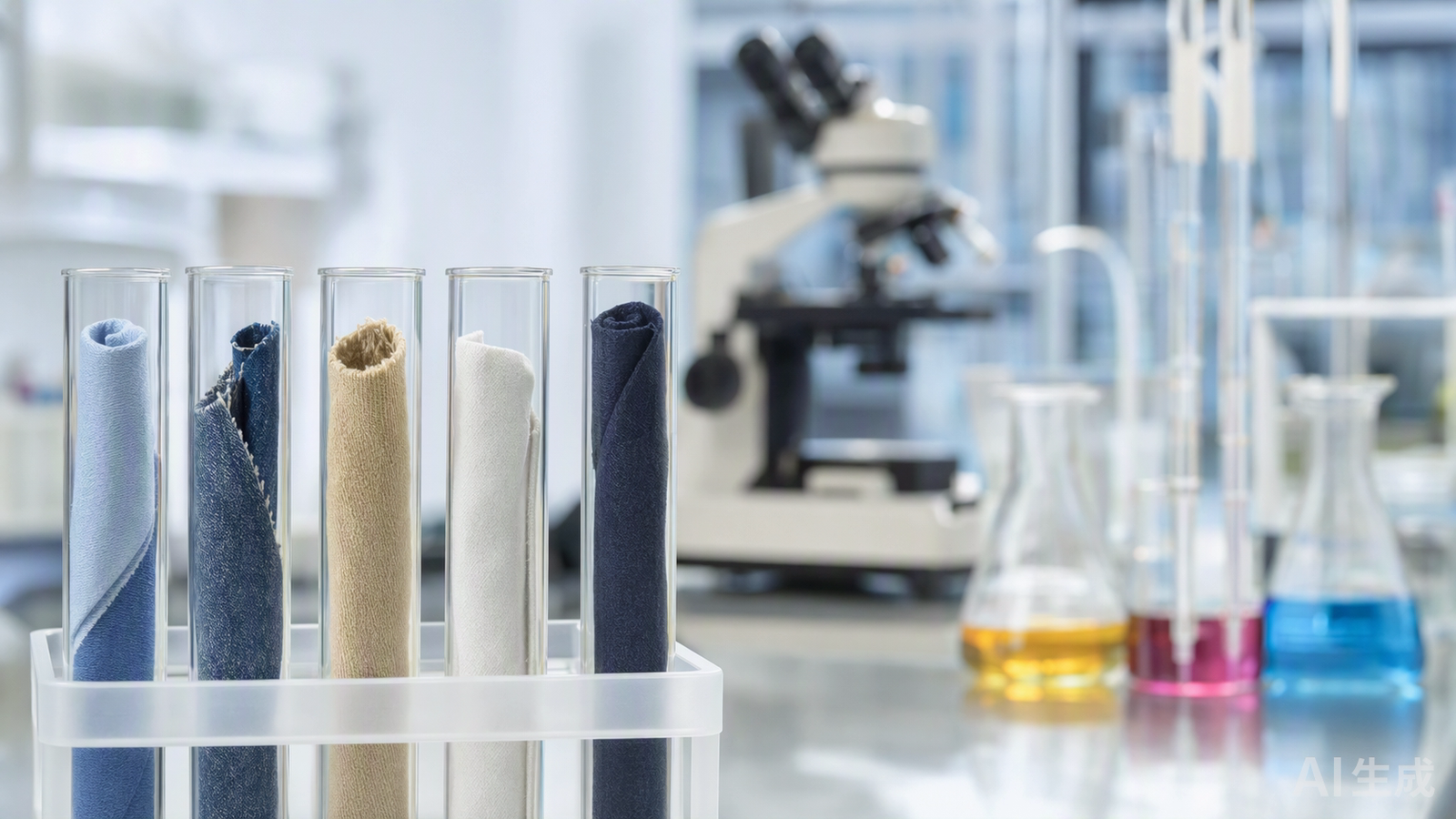
Testing only protects the buyer when the pass levels are contractual. A working acceptance table for printed bags reads as follows, and each line maps to a method a third-party laboratory can reproduce for 60 to 120 USD per test group.
| Propriété | Méthode | Minimum grade | Frequency |
|---|---|---|---|
| Dry crocking | AATCC 8 / ISO 105-X12 | 4 | Every print batch |
| Wet crocking | AATCC 8 / ISO 105-X12 | 3 | Every print batch |
| Light, window display | AATCC 16, xenon | 4 blue wool | New colors only |
| Wash, 3 cycles at 40 C | ISO 105-C06 | 4 change / 4 stain | New colors only |
Frequency matters more than most buyers expect: batch-to-batch ink lots and curing drift move grades by a full step, so a first-article pass does not certify month six of production. Reading the full laboratory report, not just the certificate summary, is covered in our guide to bag lab test reports from SGS and Intertek, and the mechanical strength counterpart to this table is in our seam strength testing guide to ASTM D1683. Color specification errors upstream, from file conversion to proofing, are a separate failure family covered in Pantone versus CMYK versus RGB bag color specs.
Frequently asked questions
What color fastness grade should printed shopping bags have?
Specify dry crocking grade 4 and wet crocking grade 3 minimum under AATCC 8 or ISO 105-X12; premium and display-heavy programs raise wet rubbing to grade 3-4.
How much does color fastness testing cost?
A crocking pair, dry plus wet, typically runs 60 to 120 USD at accredited laboratories, with light fastness exposure tests higher because xenon arc machine time dominates the fee.
Why did my bag pass crocking but fade in the window?
Rub fastness and light fastness are different failure modes; a print can transfer nothing under rubbing yet grade 2 on blue wool and fade within weeks of daylight exposure.
Do fastness grades apply to nonwoven promotional bags?
Yes, the same scales apply; nonwoven polypropylene with heavy pigment load is actually the highest-risk substrate, so keep the grade 4 dry and grade 3 wet thresholds in the contract.
Print route economics decide tote program budgets; our screen printing versus digital printing guide prices both routes honestly.
Recycled claims only hold with a certificate chain; our rPET versus virgin polyester comparison compares both fibers and the paperwork honestly.
Color-coded fabric bags can rework a sorting line; our uniform rental color-coded bag case study shows how one rental service measured the gain.
Odor claims fail at customs and retail gates; our textile bag formaldehyde testing guide maps formaldehyde limits and test methods for textile bags.


0 commentaires