



Handle Webbing 101: Width, Breaking Strength, and Attachment Stitches
The handle is the part of a bag that takes the load, and the webbing is the material the handle is made from. A handle that feels strong can still fail if the webbing is the wrong width, the wrong strength or is not stitched to the bag correctly. This guide covers handle webbing: the width, the breaking strength and the attachment stitches, and what a buyer should check so a handle does not give way.
Why the webbing matters
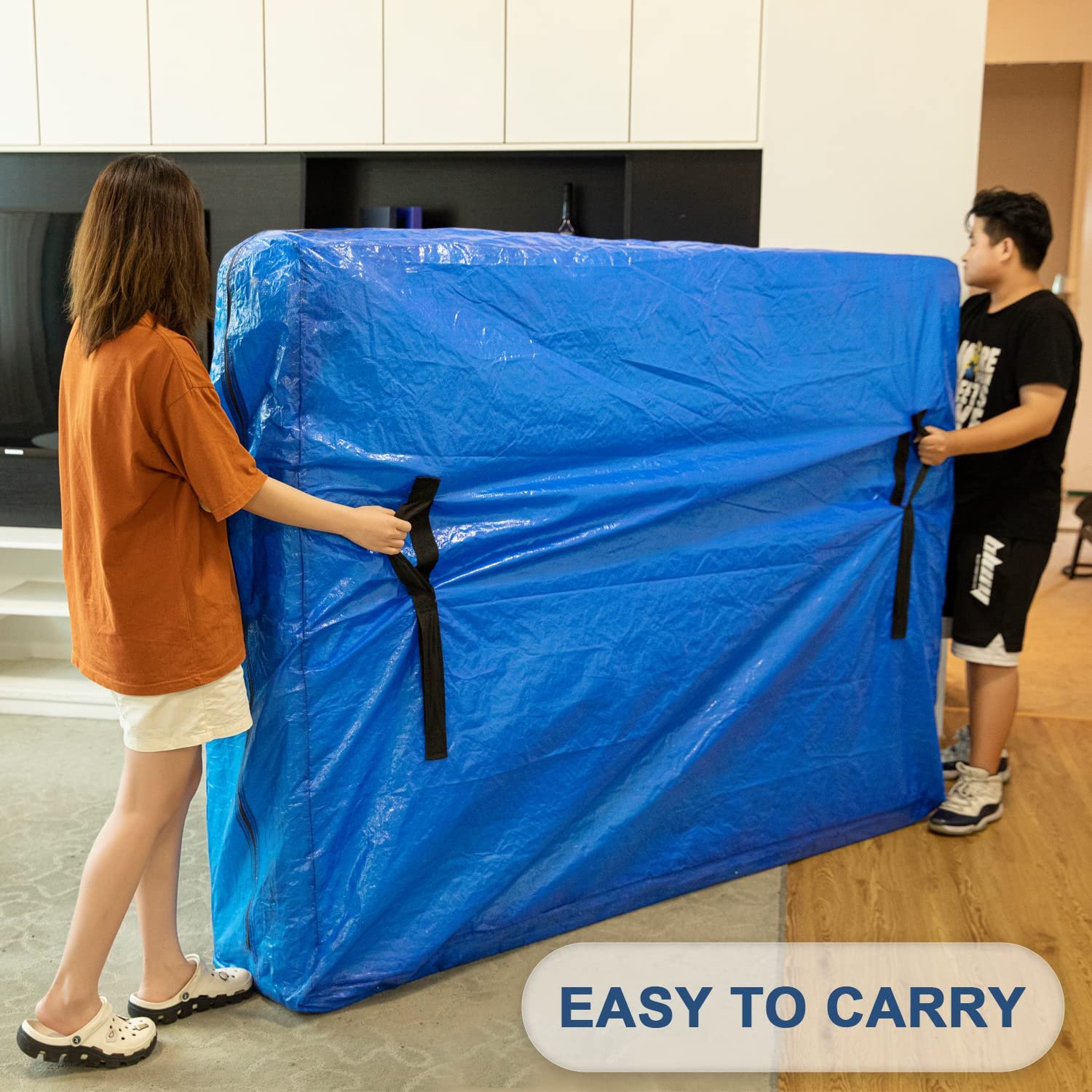
The webbing is the load path of the handle. When a bag is lifted, the force runs through the webbing into the bag, so the webbing is where a bag is most likely to fail under a heavy load. A handle that is too narrow, made of a weak fiber or stitched with too few stitches can carry less than the bag is rated for. The webbing is the safety and the durability of a handle, not a cosmetic detail.
The widths
Webbing comes in widths, and the width is a rough guide to the strength. A wider webbing spreads the load and has more material, so it holds more than a narrow one on the same fiber. The width is also a design choice: it has to fit the handle drop and be comfortable to hold. A buyer should match the width to the bag’s use, so a heavy bag gets a wider webbing than a light one. See the fabric weight et le woven vs non-woven choice.

The breaking strength
The breaking strength of a webbing is the load at which it fails, and it is set by the fiber and the construction. A polypropylene webbing has a different strength from a nylon or a cotton webbing, and a woven webbing holds more than a flat one of the same width. The breaking strength is what a buyer should match to the load the bag will carry, with a safety margin. A handle that is rated near the load it carries is a risk.

The attachment stitches
The attachment is where the webbing meets the bag, and it is a failure point. A handle is sewn to the bag, and the number, the spacing and the thread of the stitches set the strength of the joint. A handle with a box-X or a reinforced stitch holds more than a straight line of stitches, and a stitch that is too close to the edge can pull out. The attachment is worth as much as the webbing, because a strong webbing on a weak stitch still fails. See the conformité on the material.
What to check before you buy
Ask the supplier for the webbing width, the breaking strength and the stitch specification. Match the breaking strength to the rated load of the bag, confirm the stitch is reinforced for a heavy bag, and inspect the attachment at the source. A handle that is specified and tested is a handle that holds. A buyer should not trust a handle that “feels” strong without a spec.
The reference and the standard
The strength and the safety of a bag and its handle are judged against the testing and the standards that apply to the product and the material. The Federal Trade Commission sets the rules for how a product is represented to a consumer, so a claim about a handle or a bag’s strength has to be one a buyer can rely on and one that is not misleading.
What to buy
Buy a handle that matches the use: a width that fits the load, a breaking strength above the rated load, and an attachment stitch that is reinforced. Confirm the webbing and the stitch are specified, and inspect a sample. A handle that is specified is a handle that will not let a bag let go.
Pour découvrir la gamme de fabrication de sacs et les programmes présentés dans ce guide, consultez notre moving bag manufacturer page.
FAQ
Why is handle webbing important?
The webbing is the load path of the handle. When a bag is lifted, the force runs through the webbing, so it is where a bag is most likely to fail under a heavy load.
Does the webbing width affect the strength?
Yes. A wider webbing spreads the load and has more material, so it holds more than a narrow one on the same fiber. It also has to fit the handle drop and be comfortable to hold.
What is the breaking strength of the webbing?
It is the load at which the webbing fails, set by the fiber and the construction. Match the breaking strength to the load the bag carries, with a safety margin.
What makes the attachment strong?
The attachment is the joint between the webbing and the bag. A box-X or a reinforced stitch holds more than a straight line of stitches, and the stitch has to be away from the edge.
À lire également : Conception des soufflets du sac : soufflets latéraux, soufflets de fond et volume



0 commentaires