



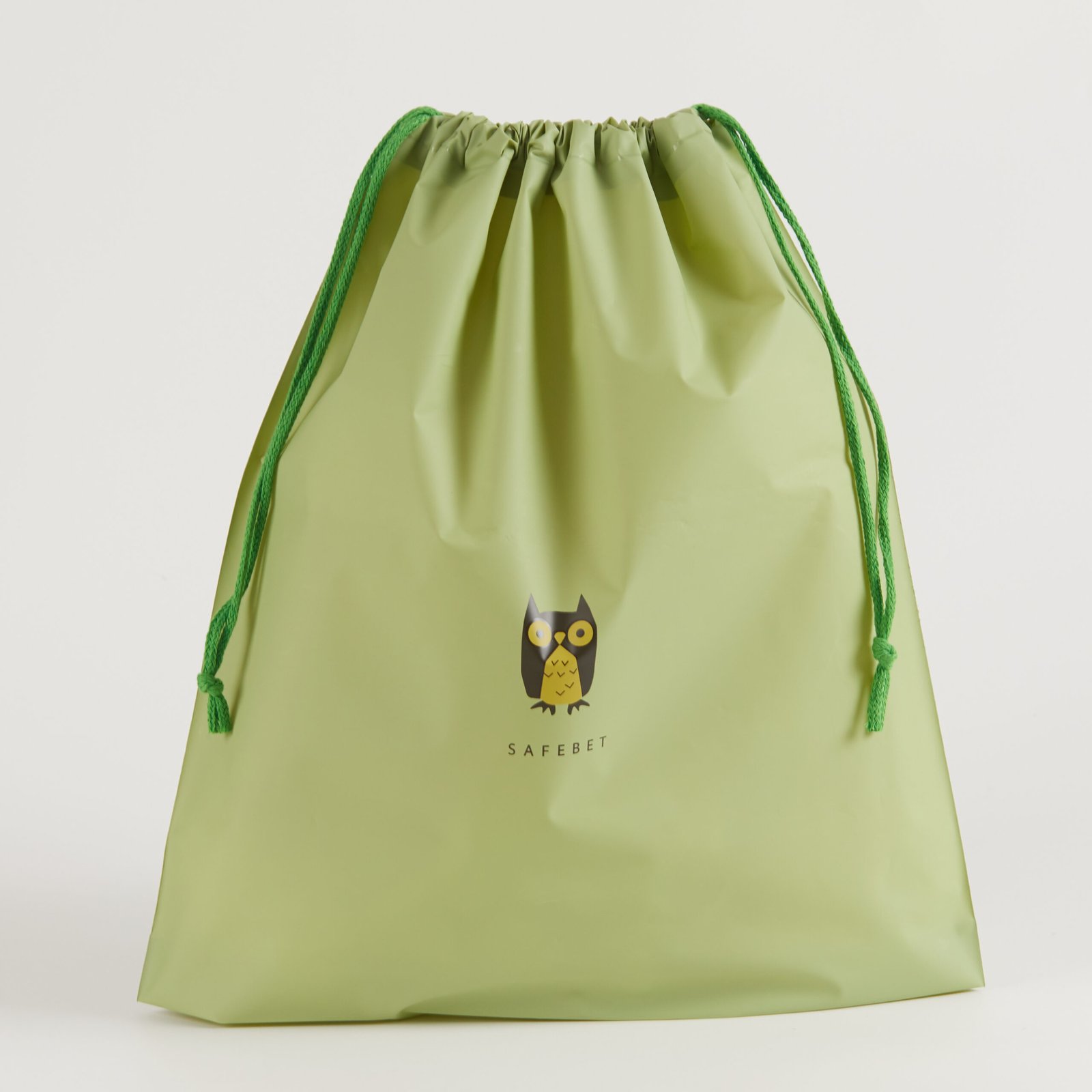
Sampling is where a bag order is either de-risked or quietly compromised. Three rounds are common, and each has a purpose that the others cannot serve. When buyers treat them as a single step, or skip one to save a fortnight, the gap shows up in bulk.
The rounds are not about approvals for their own sake. Each one answers a specific question, and understanding which question belongs to which round is what makes the sampling budget worth spending.

Round One: The Counter Sample
A counter sample is the supplier’s demonstration that it understands the requirement. The buyer provides a specification, a sketch or a reference product, and the supplier produces its interpretation.
Its purpose is commercial as much as technical. It shows whether the supplier has the materials and the capability, and it gives both sides a physical object to discuss. Where several suppliers are quoting, counter samples make the comparison concrete rather than theoretical.
Counter samples are usually made with available materials rather than with the exact production fabric, so they should be approved for construction and proportion, not for shade and finish. Treating a counter sample as the final colour approval is a common cause of disappointment later.
Round Two: The Pre-Production Sample
The pre-production sample is made with the actual materials, the actual print method and the actual construction that will be used in bulk. It is the round where specification meets production.
What it proves is repeatability. A counter sample can be made by hand in a sample room; the pre-production sample comes off the line with the production tooling and shows what the line will actually deliver. Where those two differ, the difference is exactly what the buyer needs to know before the bulk run starts.
Approval at this stage should be explicit and documented, because it is the reference for the bulk. Where a change is made afterwards, the sample is no longer the reference, and the change control process has to capture it — the discipline described in our notes on purchase order clauses for bag imports.

Round Three: The First Article
The first article is the first unit from the bulk run, inspected against the approved sample. It answers the question that neither of the earlier rounds can: does production repeat?
Factories often produce a good pre-production sample and then drift slightly on the run, because of a material substitution, a machine setting or simply the pressure of volume. The first article check catches that drift while the run can still be adjusted.
Where the product involves printing, the first article should be checked under the lighting conditions the customer will see it in, and against the colour reference rather than against memory. Colour judgement without a reference is a conversation, not an inspection.
What Each Round Costs and Saves
Counter samples are usually cheap or free, since they use available materials. Pre-production samples cost more because they consume production materials and time. First article inspection costs almost nothing when it is built into production and a great deal when it has to be arranged retrospectively.
The saving is in avoided rework. A construction error caught at the counter sample costs a sample; the same error caught after bulk costs a container. A print colour error caught at the pre-production sample costs a reprint of the sample; caught after bulk, it costs the order.
The calculation is not subtle, and it explains why experienced buyers resist pressure to skip a round even when a timetable is tight. The time saved by skipping is usually smaller than the time a bulk correction would take, and correction always happens at the worst moment.
Timing the Rounds Within a Programme
Sampling takes calendar time, and that time has to be inside the seasonal window rather than against it. Where a programme aims at a retail season, working backwards from the delivery date is the only reliable way to place the sampling rounds.
Factory calendars matter as much as the buyer’s. Before a peak season, sample room capacity is contended, and a programme that starts sampling during the busiest month will wait. The pattern of capacity booking through the year is described in our notes on booking factory capacity before peak season.
Where a programme ships to several markets, sampling should be sequenced so that approvals needed earliest are produced first, rather than completing one market’s range entirely before starting the next.
Making Approvals Effective
Five habits make sampling rounds count: approve each round for its own purpose, retain a signed sample at both ends, note the points that remain open, keep a written record of what changed, and confirm the bulk schedule against the approval date.
A signed sample at the factory is the most valuable document in a bag order. It is what a first article is compared against, what an inspector references, and what settles a dispute without a negotiation. Where a programme operates across markets, the commercial context for those agreements varies, and the US Commercial Service country commercial guides give useful background on business and contracting practice by country.
Notre bag product range documents the sampling stages per construction, so a buyer knows what to expect at each round and what the turnaround is before committing to a launch date.
FAQ
What is a counter sample?
The way the supplier interprets the requirement, produced before the order is confirmed and usually with available materials. It proves understanding of construction, not final colour or finish.
Why is a pre-production sample necessary?
Because it is made with production materials and tooling, so it shows what the line will actually deliver rather than what a sample room can achieve.
What does a first article inspection add?
It confirms that bulk production repeats the approved sample, catching drift while the run can still be adjusted.
Can sampling rounds be skipped to save time?
Rarely worth it. Errors caught at sampling cost a sample; the same errors caught after bulk cost a container and usually happen at the worst possible moment.
What should be kept after approval?
Signed samples retained by both parties, a note of open points, and a written record of any change made after approval.
Video: Packaging Lead Times Explained
If you are planning a launch and the sampling calendar is tight, send the target delivery date. Our bag team will map the sampling rounds against the production schedule so approvals land before the window closes.



0 commentaires