



A quote for 3,000 custom tote bags can list 600 dollars of tooling that the buyer never sees explained, and the same tooling can be free at another factory that builds it into the unit price. Tooling is a one-time cost for screens, molds and dies that shapes how honestly two quotes compare, and it is the line item most often used to hide a price difference. A buyer who understands tooling can make the comparison fair and keep the tools as assets for reorders.
This guide breaks down the tooling that appears on custom bag orders, what each item costs in production practice, and how to read tooling line items in quotes.
Costs below are working ranges from bag production practice; actual figures depend on factory, region and tool complexity, and every program should be confirmed against current quotes.

Screen printing tooling: one screen per color
Screen printing charges tooling per color because each color needs its own screen: a mesh frame stretched with fabric, coated with emulsion, and exposed with the artwork. In production practice a screen runs 20 to 50 dollars, and a 4-color logo therefore carries 80 to 200 dollars of tooling before any bag prints. The screen is reusable: stored screens reprint the same artwork at 30 to 50 percent below first-run cost, which is why repeat programs amortize tooling fast. Two details change the number. Mesh count affects cost, with fine-mesh screens for detail work at the upper end of the range, and half-tone or simulated-process jobs may need one screen per color separation, pushing a 4-color design to 6 or 8 screens. The color-count decision that drives screen count is mapped in our how many colors to print guide, and the full route comparison between screen and digital printing is in our screen versus digital printing guide.
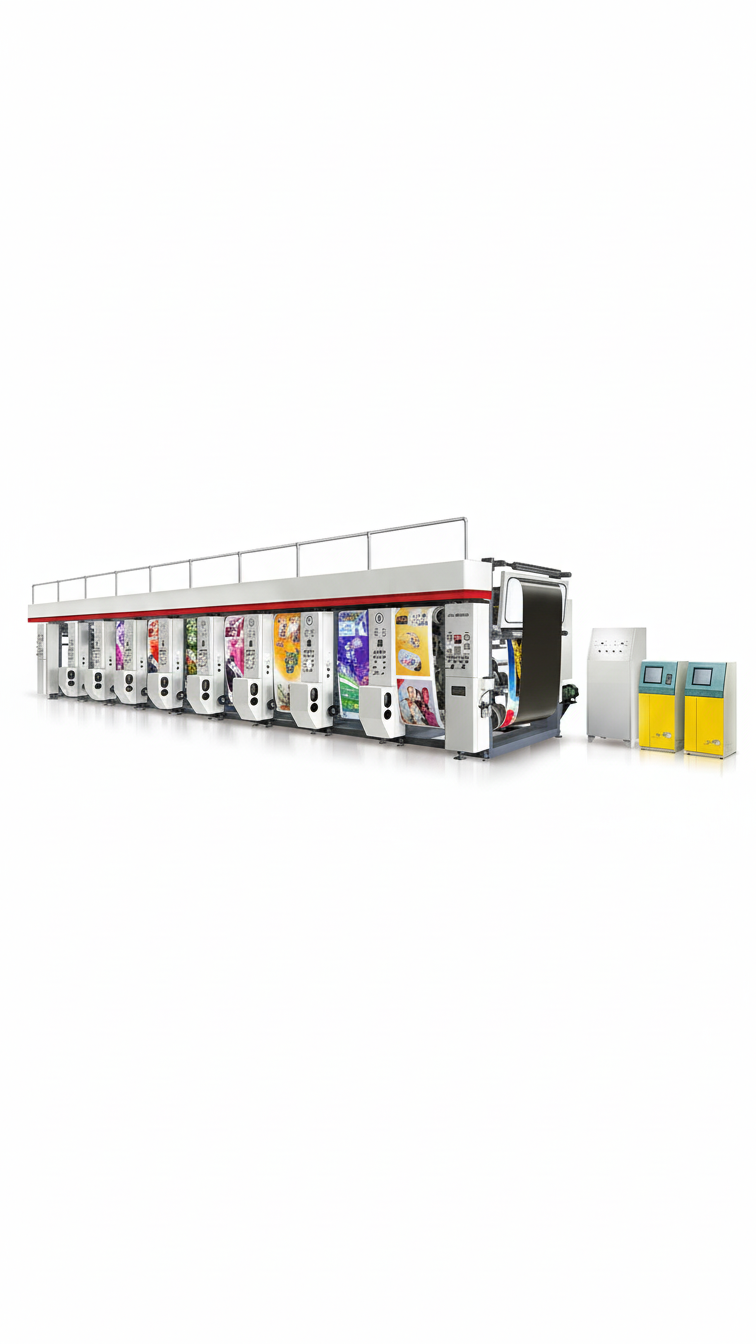
Dies and molds for fabric and film
Beyond print, custom shapes and welds carry their own tooling. A die-cut blade for custom-shaped non-woven bags or handle cutouts runs 100 to 300 dollars, and the die is owned by the buyer, which means it can be shipped to a second factory for future orders. High-frequency welding and ultrasonic welding molds, used for laminated bags, insulated liners and sealed seams, run 300 to 800 dollars per mold depending on electrode area and complexity, and the mold defines the seal shape permanently, so a design change means a new mold. Heat-transfer and embossing dies sit between the two at roughly 50 to 150 dollars. Rotogravure cylinders, used for photographic full-coverage print on film and woven PP, are the expensive end: 800 to 2,500 dollars per color per repeat length, which is why gravure programs only make sense at very high volume. For programs under 5,000 pieces, the cheaper print routes and standard die shapes usually win, and the fabric-side consequences of tooling choices, like seam and thread behavior on heavy bags, are covered in our heavy bag sewing thread guide.
When tooling is free, and what it really costs
Factories quote tooling in three ways, and the difference matters. Free tooling usually means the cost is absorbed into the unit price or the MOQ, which is fine for a one-off program and expensive for a reorder at a different factory, because the buyer has no tool to move. Charged tooling with unit price at the clean rate is the honest model: the buyer owns the screens or dies and can reuse them anywhere. Amortized tooling splits the charge across the first order, common at 500 to 2,000 pieces, and disappears from later quotes. The trap is the third model dressed as the first: a factory that waives tooling on the quote but adds a hidden setup line at invoicing. The rule for buyers is to ask four questions before signing: is tooling charged or absorbed, who owns the tools at the end, what does a reorder cost with stored tools, and what is the tooling fee on a design revision. MOQ structure interacts with all of this, and the mechanics are explained in our bag MOQ guide.
Reading tooling line items in quotes
When tooling appears as a line item, three checks catch the common errors. First, verify the unit: screens are quoted per color, dies per shape, molds per weld station, and a quote that lists one lump sum without units is hiding complexity. Second, confirm reorder terms in writing: stored screen reprints at 30 to 50 percent below first-run print cost is the standard practice, but only what is written survives a change in sales staff. Third, check revision policy: a 10 percent artwork change should not trigger full re-tooling, and the quote should state whether minor revisions are free. Tooling also belongs in the RFQ stage, because a factory that prices tooling honestly in the first quote is usually the same factory that prices fabric and labor honestly, and the sampling route that validates tooling before bulk is described in our standard tote size guide alongside the dimensions that the tooling must match. Industry context on print processes and their tooling is maintained by the PRINTING United Alliance at printing.org.
Frequently asked questions
How much does screen printing tooling cost for bags?
Each color needs a screen at 20 to 50 dollars, so a 4-color logo carries 80 to 200 dollars of tooling before any bag prints.
Who owns the dies and molds after production?
Whoever paid the tooling line item owns it; buyers who pay separately can ship dies to a second factory for reorders.
Why do some factories quote free tooling?
Free tooling usually means the cost is absorbed into unit price or MOQ, which suits one-off programs but leaves no tool to move on reorders.
What is the reorder cost with stored screens?
Stored screen reprints run 30 to 50 percent below first-run print cost, when the reorder terms are written into the quote.
Tooling is an asset, not a fee
The buyer who pays a separate tooling line owns the means of reproduction: screens, dies and molds that reprint and recut at a fraction of first-run cost, at the original factory or a new one. The buyer who accepts absorbed tooling owns nothing and pays for the tool again in every unit. Custom programs across our canvas tote range и drawstring bag range are quoted with explicit tooling line items, so the comparison is honest from the first email.
The MOQ math is easier to negotiate when you can name the four fixed cost centers; our why bag factory MOQ exists explains each one.
For more detail, see our Second Sourcing.




0 комментариев