



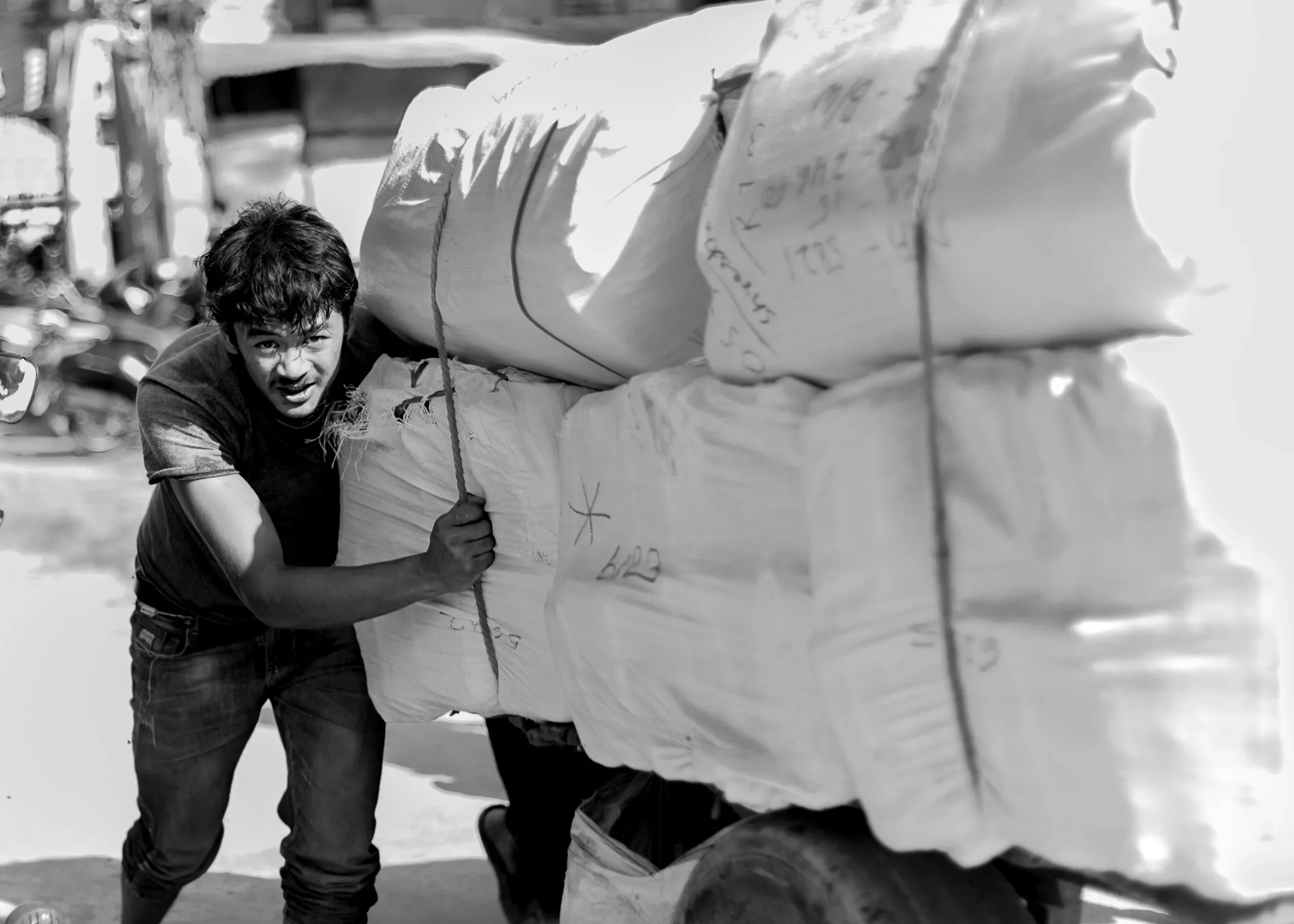
Port congestion is not an event to react to; it is a condition to plan for. When a route slows, the importers who keep their shelves stocked are the ones who had buffer stock in place and a forwarder who could offer an alternative, and the ones who lose sales are the ones who discovered the delay when the vessel was already at anchor.
The decisions that matter are all made in advance: how much buffer to hold, which routings are viable, what the trigger is for switching, and who is responsible for telling whom. Once a delay starts, the options narrow quickly.
Buffer Stock: Sizing It Honestly
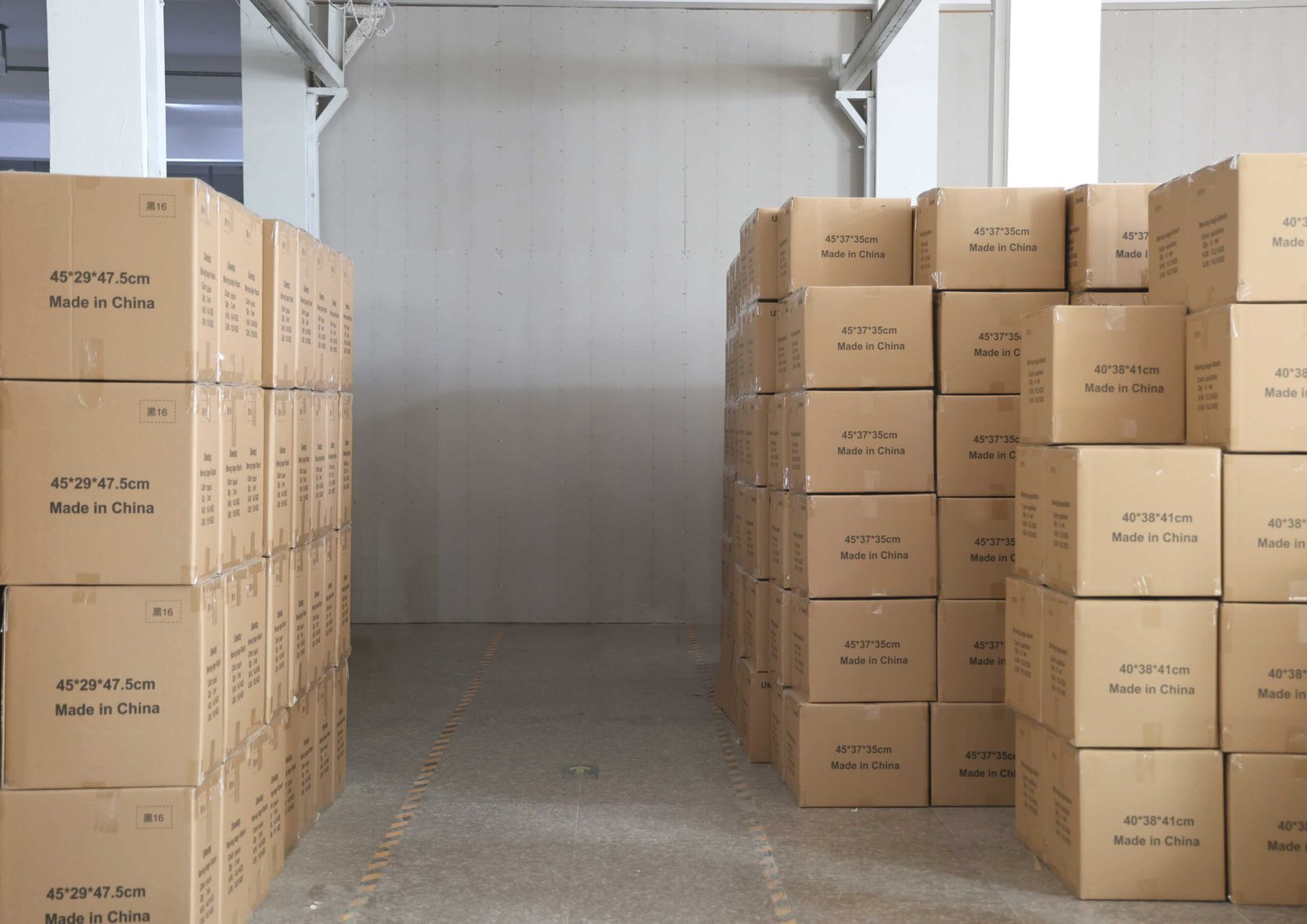
Buffer stock is expensive and its size should be derived rather than guessed. The inputs are the sales rate, the normal lead time, the delay that is considered plausible on the route, and the cost of holding versus the cost of a stockout.
A workable formula is the sales rate multiplied by the plausible delay, plus a small margin. Where the plausible delay on a route is a month, the buffer is a month of sales, which for many importers is a large amount of working capital. That number usually forces a conversation about whether a second route or a second supplier is cheaper than holding that much stock.
Buffer stock also has a seasonality. Holding a month of cover through a peak period is different from holding it in a slow quarter, and the level should be reviewed with the same calendar used for booking freight, as described in our peak season calendar.
Routing Options and Their Trade-Offs
Most congestion contingencies involve a different port, a different inland leg, or a different mode. Each has a cost: an alternative port may mean a longer inland haul, a different inland point may mean a different broker or a different delivery schedule, and a switch to air for part of a shipment changes the landed cost significantly.
The practical approach is to identify, in advance, the two or three viable alternatives and price them. An option that has never been priced is not a contingency; it is a hope. Where the alternative involves a different entry port, the documentation and record keeping requirements still apply, as set out in the US Customs and Border Protection import guidance guidance.
Partial contingencies are often the most useful. Moving a portion of a shipment by air to bridge a gap, while leaving the balance on the sea route, keeps the shelf stocked without moving the whole order. That decision requires the order to be splittable, which is a packing decision taken at the order stage rather than a shipping decision taken under pressure.

The Role of the Forwarder
Congestion exposes the difference between forwarders. The one that adds value during a disruption is the one that calls before the customer asks, offers a specific alternative with a price, and can execute it. The one that adds least is the one that forwards a carrier notice.
That behaviour is predictable in advance from how a forwarder communicates during normal operations. Where updates are sporadic and answers are slow in a calm market, the same forwarder will be worse under pressure, and the selection criteria that reveal this are described in our notes on choosing a freight forwarder.
It is worth naming a second forwarder for the same reason a second factory is useful. The relationship costs nothing to maintain if it is used occasionally, and it is what makes an alternative routing executable rather than theoretical.
Triggers and Decision Rules
A contingency without a trigger is a document nobody reads. The trigger should be objective: a stated number of days of dwell time, a carrier announcement of a skipped call, or a projected arrival date slipping beyond a stated date.
The decision rule should say what happens next and who decides. Below the trigger, no action but monitoring. Above it, a quote for the alternative routes within a stated time, and a decision within a further stated time. Those two clocks are what keep a disruption from consuming a week of internal debate.
It also helps to decide in advance what will not be done. Some contingencies, such as switching a whole order to air, are rarely justified by the margin, and saying so in advance prevents a panicked decision that costs more than the stockout would have.
Learning From Each Disruption
After a disruption, three questions are worth answering: how long the delay actually was, what the buffer absorbed, and what the contingency cost. Those three numbers improve the next plan, and they turn an operational headache into a data point.
The record should also note what the forwarder did and when, because that evidence is what makes the next forwarder conversation concrete rather than a matter of impressions.
None of this removes the risk of congestion; it changes the outcome from a scramble into a managed event. The packing decisions that keep an order splittable, and the loading practice that protects cartons, are described in our https://tiiocti.com/logistics-moving-solutions/ material, and they are part of the same planning exercise.
Часто задаваемые вопросы
How much buffer stock is needed?
Sales rate multiplied by the plausible delay on the route, plus a small margin, reviewed seasonally against the cost of holding versus a stockout.
What makes a routing alternative real?
It has been identified and priced in advance. An option that has never been priced is not a contingency.
Why split a shipment instead of switching it entirely?
Moving part of an order by air bridges a gap without changing the landed cost of the whole order, which requires the order to be splittable.
What should trigger a contingency?
An objective measure such as dwell days, a skipped call, or a projected arrival date slipping past a stated date.
What should be recorded after a delay?
Actual delay length, what the buffer absorbed, and the cost of the contingency, plus what the forwarder did and when.
Video: Packaging Machine Export Packing | Wooden Case Packing Before Shipment
If a delay on one route can empty a shelf, the buffer and the alternatives should be planned before the season starts. Our logistics and moving solutions covers packing decisions that keep orders splittable, and forwarder evaluation is described in our forwarder selection notes.


0 комментариев