



Stitches per inch, or SPI, is the number that quietly decides whether a bag survives its load rating. Read a bag tech pack without understanding stitch density and you cannot tell a durable seam from a decorative one, because two bags with identical fabric can differ by a factor of ten in seam life. This guide explains SPI, the stitch types that matter, and how to read the sewing section of a tech pack like a factory engineer.
What SPI actually measures
SPI counts stitches per inch of seam; metric tech packs use stitches per centimeter, roughly SPI divided by 2.5. Higher SPI is not automatically better. Too few stitches and the seam leaks load to each individual stitch, tearing the fabric at stress points. Too many and you perforate the fabric with needle holes, weakening it along the seam line. Heavy woven polypropylene moving bags typically run in a moderate SPI band with heavier thread, while lighter consumer bags run higher SPI with finer thread. The number only means something together with the thread specification, which is why tech packs list them as a pair.
The stitch types that carry load
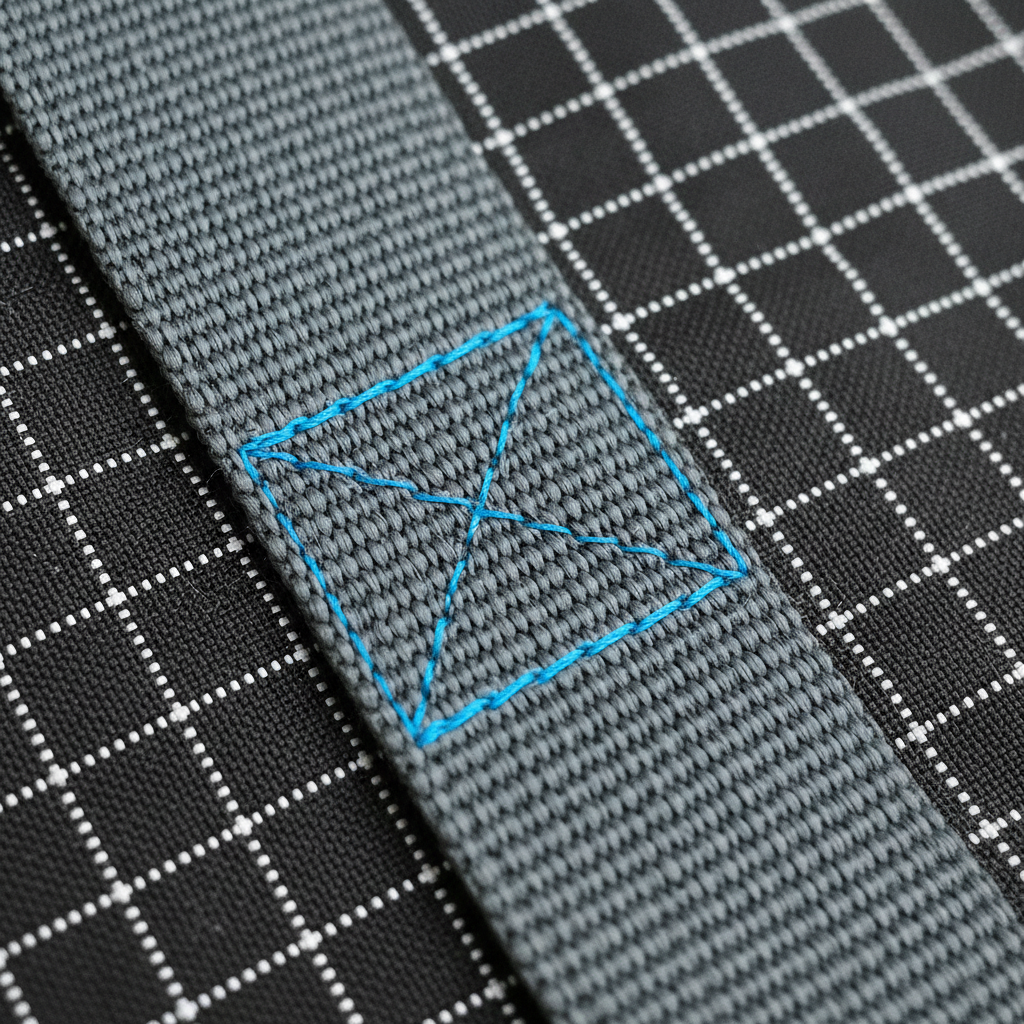
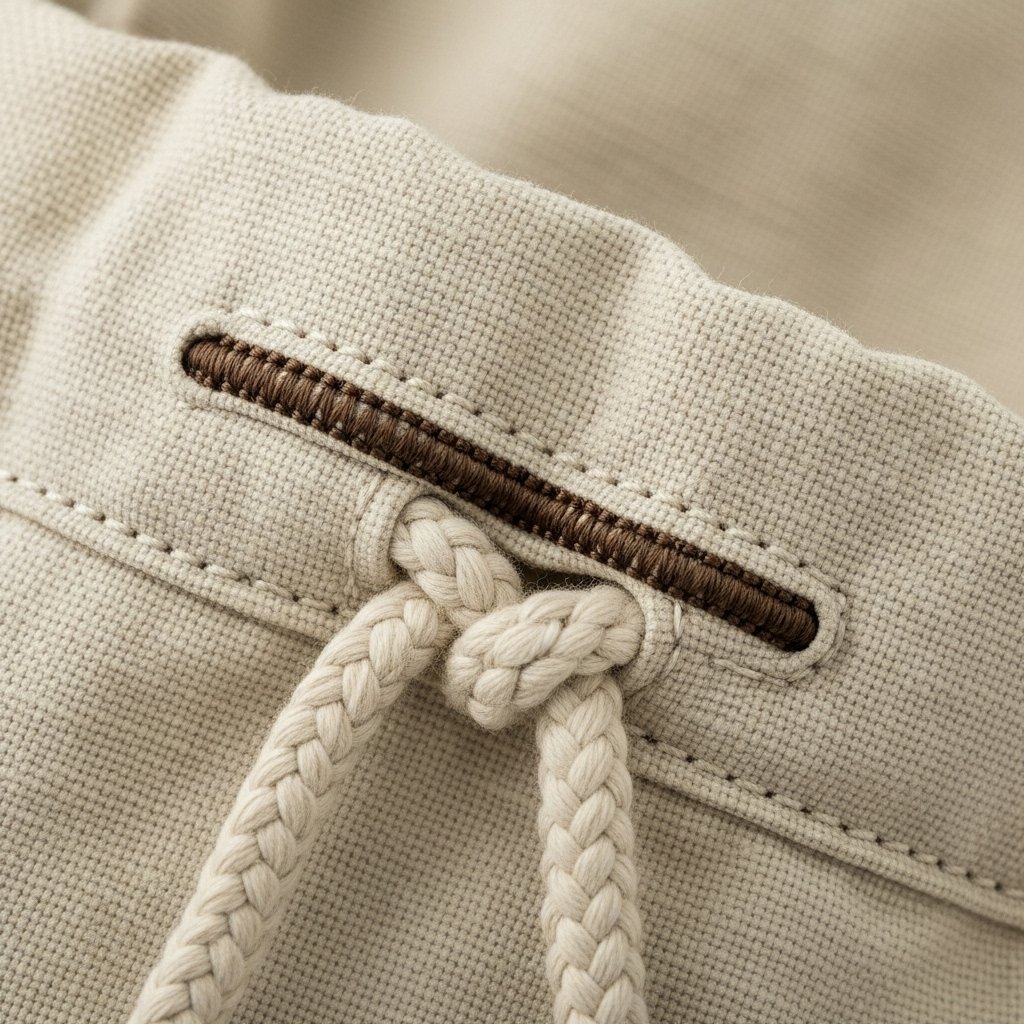
Three stitch constructions do most of the structural work in bags. The lock stitch, the workhorse straight seam, is what body panels and hems run on. The double-locked variant adds a second thread interlock for seams under cyclic load, the kind used on drawstring channels and repeated-lift handles. And box or X-box stitches concentrate reinforcement at attachment points, the classic pattern at handle-to-body junctions on heavy duty bags. Our close-up of handle webbing attachment shows the X-box pattern where webbing meets the body, which is the single highest-stress joint on any moving bag.
Reading the sewing section of a tech pack
A complete sewing spec names four things per seam: stitch type, SPI, thread, and seam construction (lap, French, or bound). When a factory quotes a heavy-duty bag, check the handle attachment and the base seam first: handle attachment should show a box or X-box pattern with reinforcement bar, the base should show a lapped or bound construction, and thread should be a bonded nylon or polyester rated for outdoor abrasion, a choice our bonded nylon versus polyester thread guide breaks down. A tech pack that says only “double stitching” is telling you the factory expects you not to ask.
How SPI interacts with cost and automation
SPI is also a cost line. Higher stitch counts take longer to sew, and reinforced patterns like X-box add operations; on automated lines, pattern tacking is programmable while complex curves remain manual, a trade-off our automation versus manual sewing analysis covers. Seam performance test methods are standardized; ASTM publishes the seam strength testing standards that buyers can reference in a spec sheet at astm.org, and writing the test standard into the tech pack removes ambiguity from acceptance. As a custom bag manufacturer, we build tech packs this way: stitch, SPI, thread, seam, and the test that proves it.
FAQs about stitch density and SPI in bags
What does SPI mean in bag manufacturing?
Stitches per inch along a seam. Metric tech packs use stitches per centimeter, roughly SPI divided by 2.5. SPI only means something together with thread type and seam construction.
Is higher SPI always better?
No. Too few stitches overload each stitch and tears fabric; too many perforate the seam line with needle holes. Heavy woven bags run moderate SPI with heavier thread, lighter bags run higher SPI with finer thread.
Which stitch types carry load in bags?
Lock stitch for straight body seams, double-locked stitches for cyclic-load seams like drawstring channels, and box or X-box reinforcement at handle-to-body attachment points.
How do you verify seam quality from a spec sheet?
The tech pack should name stitch type, SPI, thread and seam construction per seam, and reference a standardized seam strength test method, such as the ASTM standards published at astm.org.
Read the seam before you sign the order
Stitch, SPI, thread, seam, test. If you are specifying custom bags, our team will send a tech pack with the full sewing specification and the acceptance tests behind it.
For more detail, see our guide to Types de cordons pour sacs à cordon.
À lire également : Bag Gusset Types: Folded Depth, Expanded Depth and Freight Impact
À lire également : Bag Handle Types: Load Ratings, Strap Widths and Stitch Fixings
À lire également : stitch density and SPI in bag tech packs.
À lire également : Finished Bag Weight and Dimension Verification

0 commentaires