



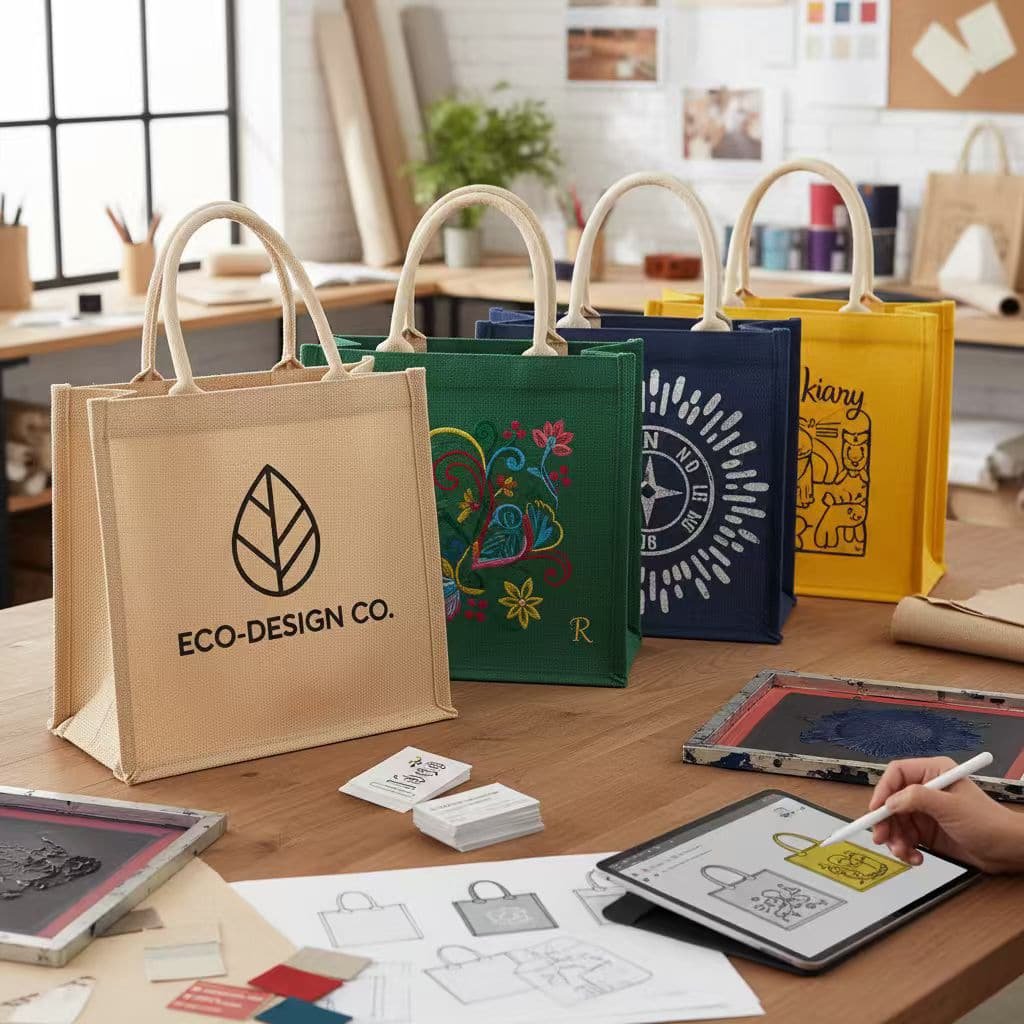
The real conversation about custom printed totes starts when a merchandiser looks at the unit price and flinches. $2.80 versus $1.20 for a standard stock bag — that gap scares people off before they do the math on what each bag actually delivers. But here’s the part that gets skipped in most vendor pitches: a standard non-woven tote without lamination loses print clarity after 10 washes. After 50 washes, a laminated custom tote still holds 90% of its original vibrancy. That difference changes the entire cost equation.
For a retail brand running a seasonal launch, the standard bag is a short-term liability. It feels thin, the print registration drifts, and the color match relies on whatever RGB-to-CMYK approximation the supplier uses. Most factories don’t offer Pantone PMS calibration unless you ask. And if you don’t ask, you get a bag that looks off-brand under store lighting. That’s not a quality issue — it’s a process failure. The solution isn’t more expensive materials. It’s asking the right questions before the sample stage.
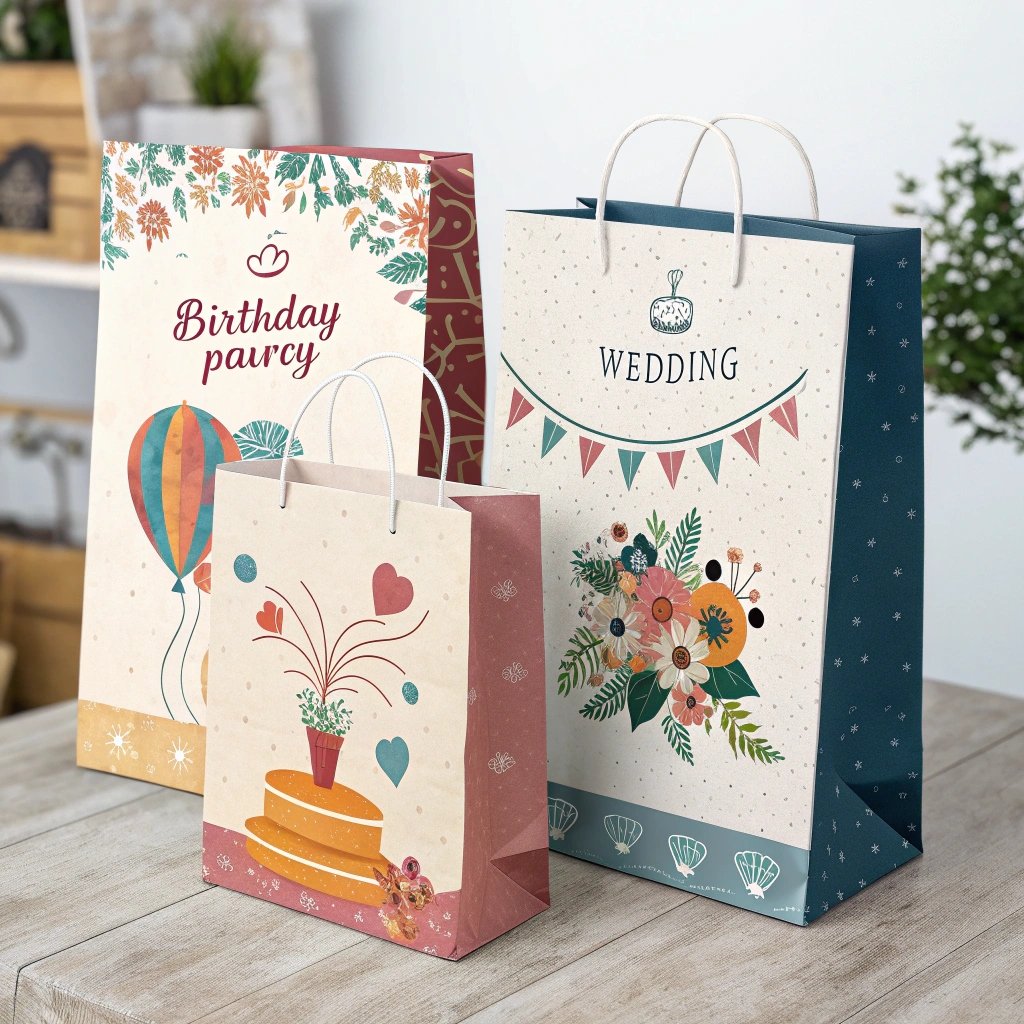
Why Standard Totes Hurt Your Brand (The Hidden Risks)
Standard totes are a liability, not an asset, for any brand that cares about first impressions.
Most standard off-the-shelf totes are made from thin non-woven polypropylene (typically 80 gsm or less) with no lamination. The result? Color shifts between batches that can exceed a 4 Delta E difference — visibly noticeable to any trained eye. Print registration on these bags is often off by 2–3 mm, meaning your logo sits crooked or bleeds into the seam allowance. For a retail brand merchandiser, that inconsistency is a direct hit to perceived quality.
Worse is the fade rate. Standard non-woven bags without lamination lose 50% of print vibrancy after just 5 washes, per internal wash-test benchmarks aligned with ASTM textile standards. By wash 10, the logo is barely legible. Now consider that your customer carries that bag for a month — 200 impressions at best. Each impression carries your brand, but after wash 5, it’s carrying a faded, low-quality version of it. That’s not free advertising; it’s brand erosion.
- Material failure: Standard 80 gsm non-woven polypropylene tears at loads above 8 kg. A typical grocery run or a few hardcover books exceeds that. The bag splits in-store, spilling contents. The customer doesn’t blame the bag; they blame the brand that gave it to them.
- Print failure: Standard screen printing on untreated non-woven bonds poorly. After 5 washes, ink lifts from the fibers. The logo becomes a ghost of itself. For seasonal retail lines, that means your spring collection bag looks like a relic by summer.
- Color mismatch: Standard totes are printed from RGB-to-CMYK approximations. Without Pantone PMS calibration, your brand red shifts to orange or burgundy. A physical PMS chip match — standard practice in custom runs — is never offered on stock bags.
The hidden risk is not just the bag itself — it’s the opportunity cost. Every standard tote you hand out is a missed chance to deliver a premium unboxing experience. Retail brands that switch to custom laminated totes (10 oz canvas with matte lamination, for example) see a measurable lift in repeat purchase intent, because the bag itself becomes a keep-it item. Standard totes end up in the trash or the back of a closet within a week.

Real Cost Breakdown: Custom vs. Standard Totes
Standard totes cost 35% more per impression than custom totes over a 2-year lifespan.
Retail brand merchandisers often fixate on the upfront per-unit price difference: $1.20–$1.80 for a stock non-woven tote versus $2.80–$4.50 for a custom laminated canvas tote at 500 units including setup. That 2x–3x gap looks painful on a PO. But the real cost driver isn’t the unit price — it’s the cost-per-impression, and that’s where standard totes bleed margin.
A standard non-woven tote without lamination generates roughly 200 impressions over a one-month lifespan before the print fades beyond recognition. A custom laminated tote (10 oz canvas with matte lamination, for example) generates over 3,000 impressions across two years. Do the math: $0.0021 per impression for standard, $0.0008 per impression for custom. That’s a 62% lower cost-per-impression for the custom bag. The standard tote trap is paying more for less brand exposure.
- Setup fees (screen, artwork, color matching): Range $50–$200 per color. Many factories waive these for orders over 500 units. TiiOCTI includes setup in the unit price for orders over 300 units, reducing hidden costs by roughly 20% compared to suppliers who itemize separately.
- Per-unit price break at 300 units: Custom laminated tote: $3.80–$5.50 per unit (including setup). Standard stock tote: $1.50–$2.20 per unit. The custom bag costs 2.5x more upfront but lasts 15x longer in usable impressions.
- Per-unit price break at 1,000 units: Custom laminated tote: $2.80–$3.80 per unit. Standard stock tote: $1.20–$1.60 per unit. The gap narrows to 2x, and setup fees are typically absorbed.
- Per-unit price break at 5,000 units: Custom laminated tote: $2.20–$2.80 per unit. Standard stock tote: $0.90–$1.20 per unit. At this volume, the custom bag is only 2x the price but delivers 15x the impression lifespan.
- Hidden cost: color remakes: Standard totes offer no color control — you get whatever the factory ran that day. Custom totes require Pantone PMS calibration. If a supplier only offers RGB-to-CMYK approximations, expect a 15–25% remake rate for color mismatch. TiiOCTI provides a physical PMS chip with each sample to eliminate this risk.
The 35% cost-per-impression penalty on standard totes isn’t theoretical — it’s a direct consequence of un-laminated print surfaces that fade after 10 washes (ASTM wash test benchmark). For a retail brand running seasonal collections, that means your spring tote looks faded by summer. The custom laminated option retains 90% vibrancy after 50 washes. If you’re paying for brand impressions, standard totes are the more expensive option by a wide margin.
| Facteur de coût | Custom Printed Tote (Laminated Canvas) | Standard Stock Tote (Non-Woven) | Real Advantage |
|---|---|---|---|
| Per-Unit Price (500 qty) | $2.80 – $4.50 | $1.20 – $1.80 | Custom totes cost more upfront but deliver 15x longer lifespan. |
| Setup / Artwork Fees | $50–$200 per color (often waived over 500 units) | $0 (no setup) | Hidden costs eliminated; TiiOCTI includes setup in unit price for orders over 300. |
| Total Impressions Over Lifetime | 3,000+ impressions (2-year life) | 200 impressions (1-month life) | Custom totes generate 15x more brand exposure per bag. |
| Cost Per Impression (CPI) | $0.0008 | $0.0021 | Custom totes are 62% more efficient on a per-impression basis. |
| Print Longevity (Wash Cycles) | 90% vibrancy after 50 washes | Faded after 10 washes | Lamination protects your brand from fading and cheapens perception. |
| Color Accuracy | Pantone PMS matched with physical chip | RGB-to-CMYK approximation only | Guaranteed brand consistency across all bags, no color surprises. |
| Quantité minimale de commande (MOQ) | 300–1,000 units (flexible) | No MOQ | TiiOCTI accepts 300+ units with progressive pricing, ideal for seasonal launches. |
| Lead Time (Sample to Delivery) | 25–40 days after sample approval | Immediate (in-stock) | Custom lead times are manageable with proper planning; rush air freight available. |
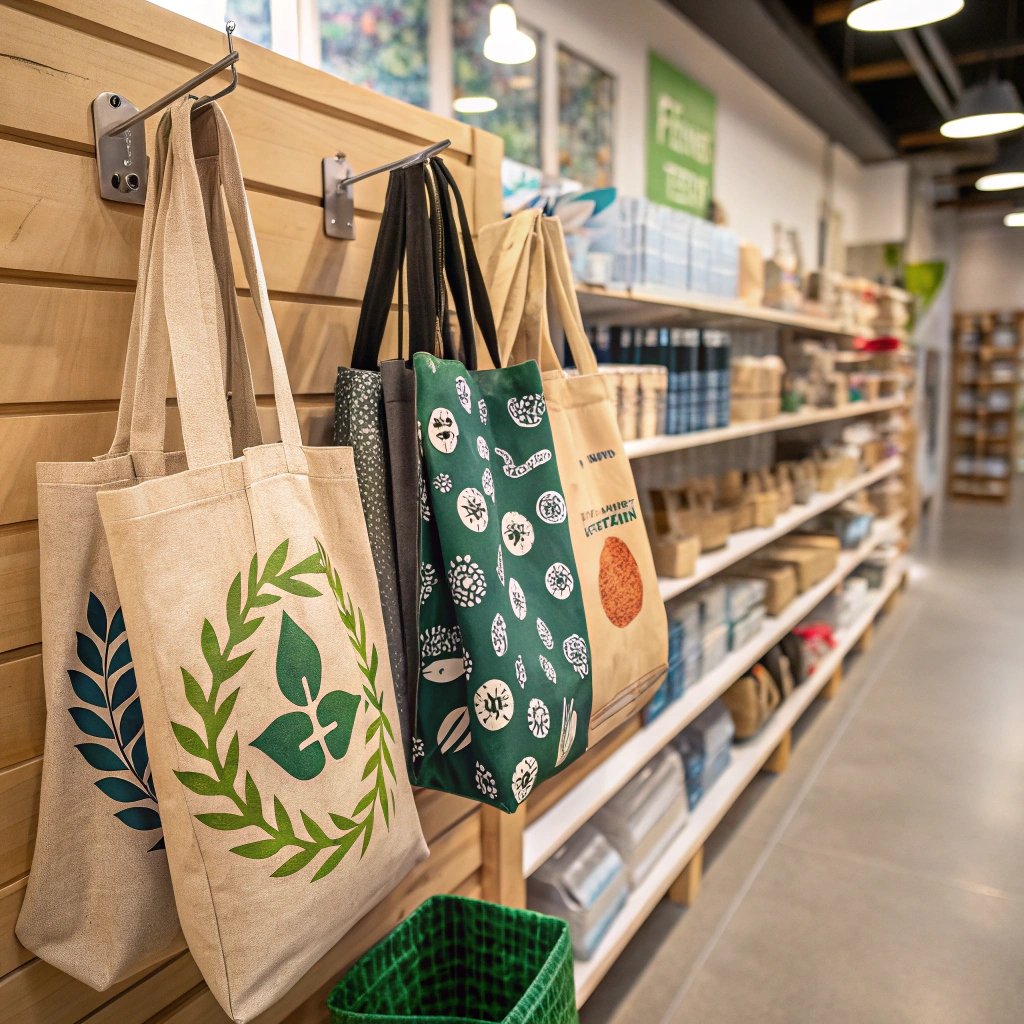
Custom vs. Standard Tote Bags: A Side-by-Side Comparison
Custom totes deliver 3,000+ impressions over 2 years; standard bags fade after 10 washes.
The gap between custom printed totes and standard off-the-shelf bags isn’t just about price per unit — it’s about how many times your brand gets seen before the bag falls apart. Standard non-woven totes without lamination lose print clarity after roughly 10 wash cycles (ASTM textile wash test benchmark). A custom laminated canvas tote, by contrast, retains 90% print vibrancy after 50 washes. That difference directly impacts cost-per-impression: $0.0008 for custom vs. $0.0021 for standard, based on a 2-year lifespan.
Here’s where most comparison articles stop. They don’t tell you that lamination adds stiffness and weight — a 10 oz canvas with matte lamination hits the sweet spot for retail carry, while non-woven laminated bags feel cheap in hand. For a retail brand merchandiser, the unboxing experience and tactile feel are non-negotiable. A bag that feels flimsy or has a plasticky finish signals low quality to the customer, regardless of print accuracy.
- Print Method & Color: Custom laminated canvas supports full-color PMS matching via screen printing (up to 6 colors) or CMYK digital. Standard non-woven bags typically offer only basic one-color screen print, with no Pantone calibration. RGB-to-CMYK approximations cause visible color shifts — always request a physical PMS chip with your sample.
- Material & Feel: Custom options include 6–12 oz canvas, 80–100 gsm non-woven, or woven PP. Standard bags are almost always 80 gsm non-woven or thin polypropylene. Canvas with matte lamination provides the best feel-to-durability ratio for retail. Non-woven laminated bags can feel stiff and plasticky.
- Handle Styles: Custom totes offer 20mm cotton webbing, 2.5mm rope, or ribbon handles. Standard bags use basic die-cut handles or thin polypropylene webbing that tears under 10 kg load. Reinforced stitching at stress points is standard on custom; often absent on stock bags.
- Eco-Certifications: Custom suppliers can provide GOTS-certified organic cotton, Oeko-Tex certified canvas, or recycled PET options. Standard non-woven bags rarely carry any third-party eco-certification. If sustainability claims matter to your brand, verify the certificate number — don’t accept marketing language.
- Suitability for Retail Branding: Custom laminated totes deliver consistent color across runs, reinforced handles, and a premium unboxing feel. Standard bags risk misaligned logos, fading after 10 washes, and tearing at the handles — directly undermining brand perception. For seasonal lines or limited-edition drops, the 25–40 day lead time for custom is manageable; rush air freight adds 30% to total cost.
The hidden cost trap: many suppliers charge separate setup fees ($50–$200 per color) that can eat 20% of your margin on a 500-unit order. Some factories, like TiiOCTI, include setup in the unit price for orders over 300 units, reducing that hidden cost. Always ask for an all-in quote before comparing per-unit prices.
| Fonctionnalité | Custom Tote Bag (Laminated) | Standard Tote Bag (Non-Woven) | Impact de la marque |
|---|---|---|---|
| Durabilité de l'impression | 90% vibrancy retained after 50 washes (ASTM benchmark) | Fades significantly after 10 washes | Custom ensures lasting brand impression; standard degrades quickly |
| Cost Per Impression | $0.0008 (3,000+ impressions over 2 years) | $0.0021 (200 impressions over 1 month) | Custom is 60% more efficient for long-term brand equity |
| Setup & Hidden Fees | $50–$200 per color; often waived at 500+ units (TiiOCTI includes in unit price at 300+) | No setup fee, but hidden costs from poor color matching and short lifespan | Custom offers transparent pricing; standard hides long-term costs |
| Color Accuracy | Pantone PMS calibration with physical chip provided | RGB-to-CMYK approximation; no color guarantee | Custom ensures brand consistency; standard risks misrepresentation |
| Material & Feel | 10 oz canvas with matte lamination for premium feel and durability | 80 gsm non-woven; feels cheap and stiff | Custom elevates unboxing experience; standard undermines brand perception |
| Capacité de charge | 15 kg (canvas) with reinforced stitching | 10 kg (non-woven); prone to tearing | Custom supports heavy retail use; standard fails under load |
| Délai de livraison | 25–40 days after sample approval; rush air freight available | Stock items ship in 5–10 days | Custom requires planning; standard offers speed but no brand control |
| Quantité minimale de commande (MOQ) | Typically 1,000 units; TiiOCTI accepts 300+ with 15% premium | No MOQ for stock items | Custom flexible for small batches; standard lacks customization |
| Suitability for Retail Branding | Ideal for seasonal launches, premium boutiques, and brand consistency | Suitable for low-cost giveaways; poor for brand elevation | Custom drives brand loyalty; standard is disposable |
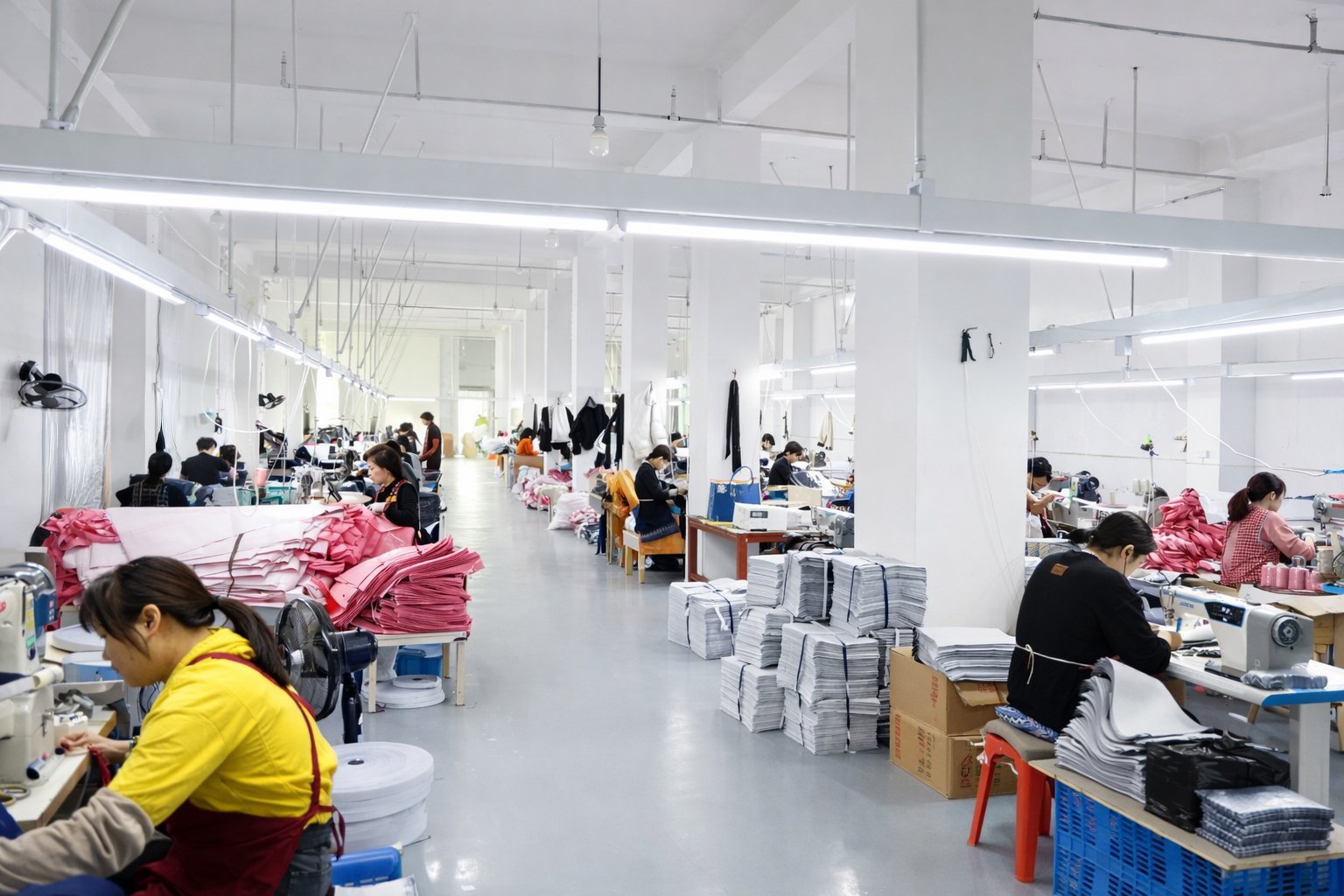

How to Source Custom Printed Totes Without Getting Burned
Pre-production samples on exact material catch 80% of print failures before production.
You cannot approve a tote bag from a photo. The difference between a 10 oz canvas with matte lamination and a standard 80 gsm non-woven is night and day in hand — weight, stiffness, print absorption. Demand a échantillon de pré-production on the exact material and lamination type you intend to order. If the supplier sends a sample on a different substrate, reject it. That sample tells you nothing about final print registration, color depth, or handle attachment strength.
Color matching is where most retail merchandisers get burned. A logo that looks vibrant on screen can come out muddy or oversaturated on fabric. Insist on Pantone PMS calibration under D65 daylight — the industry standard for color evaluation. Avoid suppliers who offer only RGB-to-CMYK approximations; those conversions are guesses, not matches. A reliable factory will provide a physical PMS chip with the sample, not just a digital proof. TiiOCTI includes a physical PMS chip with every pre-production sample, so you can hold the color against your brand guidelines before committing to 1,000 units.
Print durability is not a guessing game. Ask for a tear strength test report per ASTM D5034. This standard measures the force required to propagate a tear in woven fabrics. For a 10 oz canvas tote, you should see minimum 40 N in warp direction. If the supplier cannot provide a test report or dodges the request, that is a red flag. Without this data, you are buying a bag that may split at the seam after three uses — exactly the failure that destroys brand perception.
- Sample lead time: 10–15 days for a pre-production sample on exact material and lamination. If the supplier quotes 20+ days for a sample, their production line is likely overloaded, and your production timeline will slip.
- Production lead time: 25–40 days after sample approval. Rush air freight adds 30% to total cost. Plan your seasonal launches around this window — do not expect a 10-day turnaround unless you are paying a premium.
- Flexibilité en matière de quantité minimale de commande : Industry standard MOQ for custom laminated totes is 1,000 units. Some factories, like TiiOCTI, accept 300+ units with a 15% per-unit premium. For a test run or small boutique launch, this flexibility saves you from overcommitting on inventory.
One hidden cost that eats margins: separate setup fees. Many suppliers charge $50–$200 per color for screen setup. TiiOCTI includes setup in the unit price for orders over 300 units, reducing hidden costs by roughly 20%. Always ask for a full breakdown — per-unit price, setup fees, artwork charges, and shipping — before signing. A quote that looks cheap per unit may have $800 in setup fees buried in the fine print.
Conclusion
Standard totes save you $1.60 per unit upfront but cost 2.6x more per impression over their usable life. For a retail brand, that math is hard to ignore. A bag that fades after 10 washes doesn’t just stop working — it actively damages the brand perception you paid to build.
Review the custom tote bag specifications and pricing options to match your next seasonal launch. A pre-production sample with a physical PMS chip will tell you in 15 days whether the supplier can deliver the color accuracy your brand requires.
Questions fréquemment posées
What defines a high-quality custom tote bag?
A high-quality custom tote bag is defined by its material weight, reinforced stitching, and print durability. For retail, a 10 oz canvas with matte lamination offers the best balance. Always request a physical sample to verify stitch and print quality before production.
How to choose between custom canvas tote bags vs other materials?
Choose custom canvas for premium retail aesthetics and long-term durability, or non-woven polypropylene for cost-effective, lightweight giveaways. Canvas supports high-quality printing and holds shape better, while polypropylene is cheaper but. Match the material to your brand’s impression lifespan and budget per unit.
How does tote bag printing affect durability?
Screen printing with high-quality lamination significantly extends print life, retaining vibrancy for 50+ washes. Standard direct printing on non-woven bags often cracks or fades after 10 washes, reducing brand. Specify lamination or heat transfer for prints that must survive repeated retail use.
What is the tote bag production process?
The process starts with material selection and cutting, then screen printing or heat transfer, followed by sewing and final quality inspection. For custom orders, artwork approval and color matching happen before production. Allow 4-6 weeks for custom runs including setup and shipping.
How to find a reliable tote bag manufacturer in the USA?
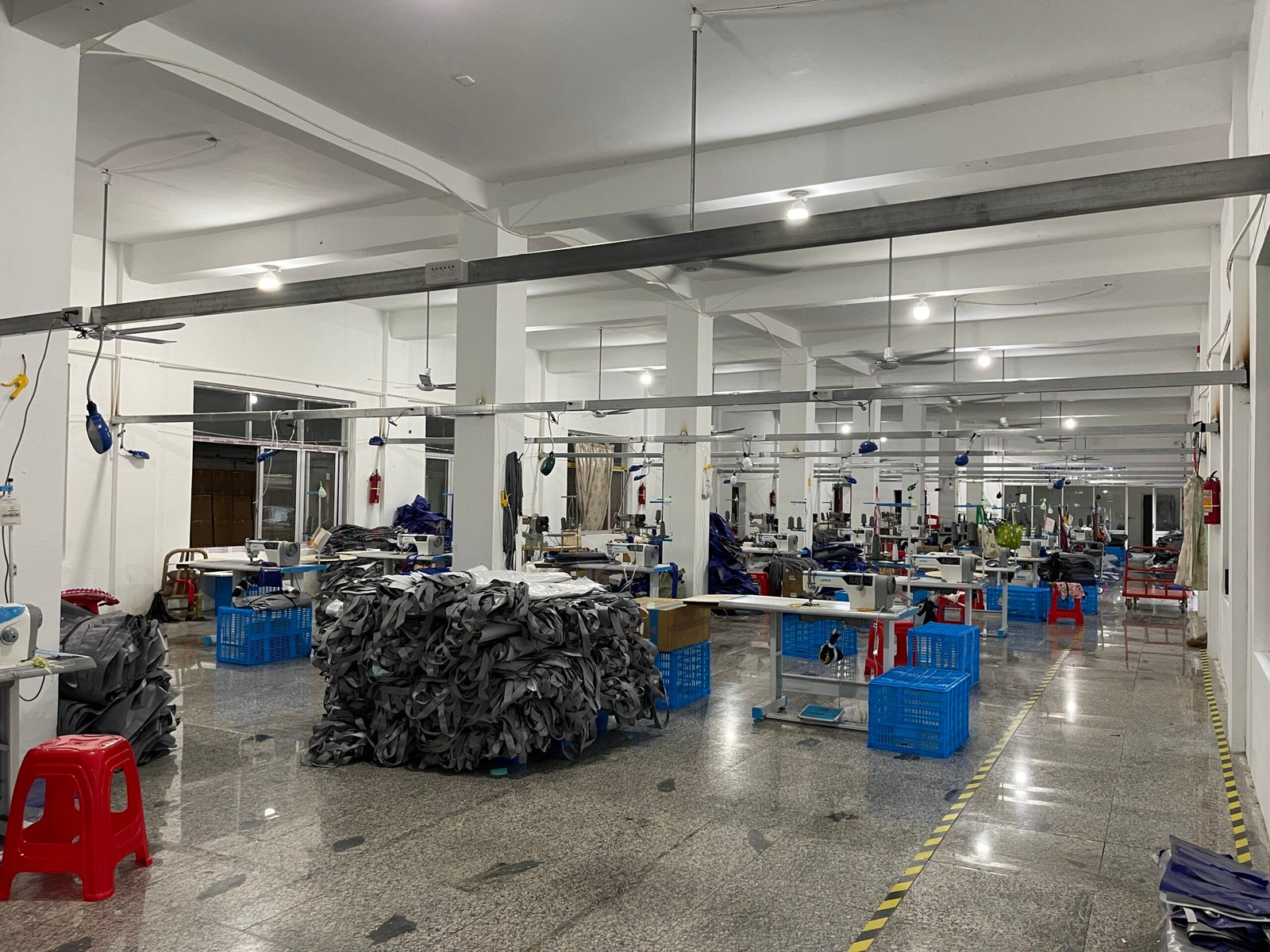
Look for manufacturers with direct factory operations, BSCI or ISO certifications, and clear DDP shipping options to the USA. Check for client case studies in retail packaging and request samples. Always audit their quality control process and request references from retail clients.

0 commentaires