



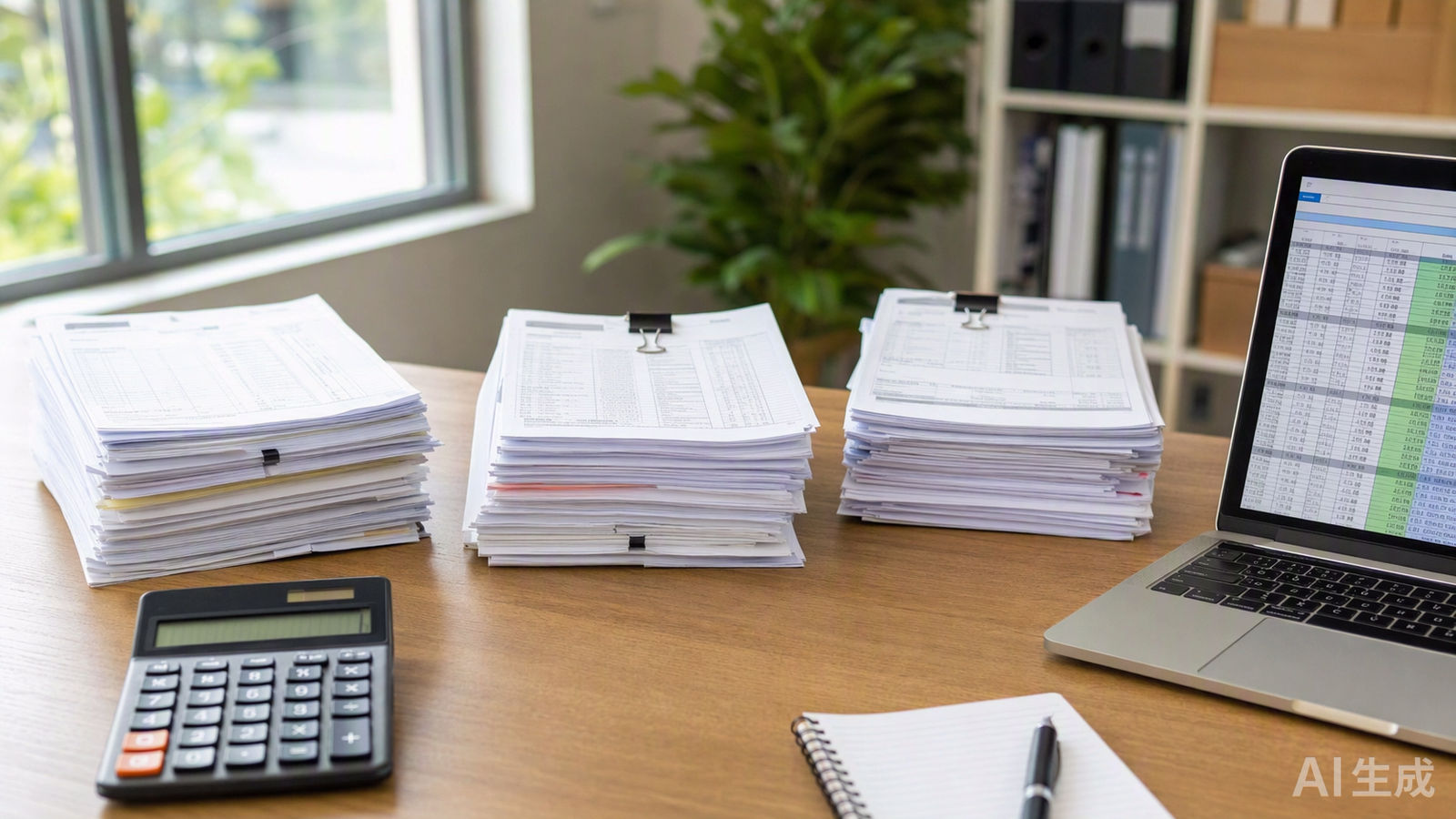
Diversification is the word in every bag sourcing meeting this year, and India and Vietnam are the destinations buyers mean. All three markets can make excellent bags; they differ in what they make easily, what they cost, and what a first-time importer should watch. This comparison compares the three on strengths, cost logic, lead times and risk, so your sourcing map matches your product.

What each market does best
China remains the deepest manufacturing ecosystem for bags: complete material supply chains, every printing and finishing process available within one industrial region, and the tooling culture that turns custom designs quickly. India brings strength in cotton, canvas and jute, with textile heritage behind natural-fibre bag programs and competitive pricing on woven materials. Vietnam has grown fastest in technical synthetics and export-oriented factories, with strong.ui documentation habits and a young manufacturing base expanding capacity. None of these is a secret, which is why the practical question is never which country is best but which country fits the specific bag. The trade frameworks structuring purchases from any of the three come from the International Chamber of Commerce, whose terms apply identically regardless of origin.
Cost, lead time and the currency picture
Unit costs move with material more than with country: a canvas tote prices competitively from India, a laminated PP woven bag from China or Vietnam, and each market quotes differently as raw material markets move. Lead times depend on seasonality in all three, with pre-holiday production peaks compressing capacity everywhere at once. Currency adds the layer buyers forget until it moves: invoicing currency, exchange movement between order and payment, and the hedging options worth asking about are laid out in our guide to currency risk in bag imports. Buyers comparing quotes across countries should normalise everything to landed cost before ranking, because freight and duty differences can reorder the list.

Risk and verification by market
Each market carries its verification habits. In all three, factory audits and certifications deserve the same scrutiny, and the checklist in our guide to bag factory certifications and RFQs applies regardless of flag. Communication styles and timezone differ more than factories admit, so first-time importers should weigh their own capacity for managing distance. And single-source concentration is the risk no market solves: buyers putting every unit in one country for price reasons own that country’s disruption risk entirely, which is exactly the exposure diversification exists to manage.
Video: bag manufacturing comparison
China, India and Vietnam are complements more than competitors: the deep ecosystem, the natural fibres and the fast-growing synthetics base each fit different bag programs. Match the country to the product, normalise quotes to landed cost, verify factories identically in all three, and hold a second source before you need one. Importers comparing us against other origins can start from our moving bags manufacturer overview, which documents what our Foshan line quotes, certifies and ships.



0 commentaires