



Co-branded bags put two logos where one used to sit: a supplier’s craftsmanship mark beside a retailer’s brand, on a product customers keep. Done well, joint packaging campaigns share costs, double the audience and give both partners a story. Done casually, they produce bags nobody owns and disputes nobody wants. This guide covers the program structures that work, the split of costs and rights, and the print decisions that keep both logos looking intentional.
Program structures that work
Three structures cover most co-branded bag programs. The supplier-funded giveaway: a manufacturer brands bags with a retailer’s logo and its own small mark, gifted with purchase, which builds goodwill at the point of sale. The joint campaign: both partners fund a limited bag for a season or event, splitting costs and sharing the customer data it generates. And the retail line extension: the retailer’s brand on the front, the supplier’s brand as the maker’s mark, sold as product. Each structure allocates cost, data and rights differently, and the advertising claims attached to joint campaigns should respect truth-in-advertising rules, which the US Federal Trade Commission enforces for endorsements and partnership messaging. Retail branding decisions of this kind are exactly what our retail and branding solutions program supports from artwork to shipment.
Costs, data and rights: split them in writing
The agreements behind co-branded bags need three splits on paper. Costs: who pays for tooling, printing setup and the run, usually proportional to logo prominence or revenue share. Data: who keeps the customer information a giveaway generates, because both partners want it and neither assumed the other did. Rights: who may reuse the bag design, how long each brand’s mark may appear, and what happens to remaining stock when the campaign ends. None of this is complicated, but all of it is cheap to agree early and expensive to argue later, a theme every co-branding partnership discovers once.
Print decisions when two logos share a bag
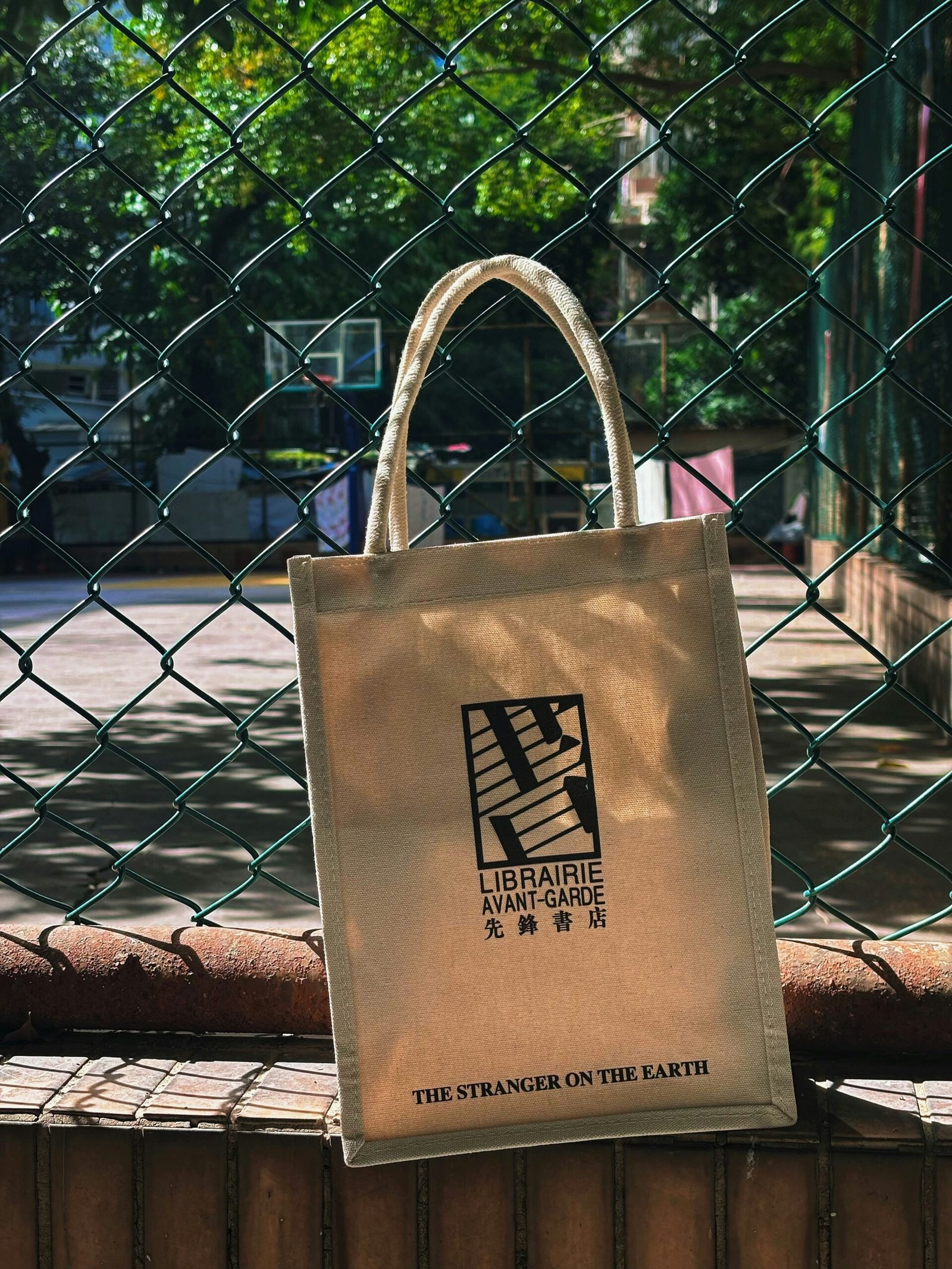
Two logos on one bag is a hierarchy question. The design should make clear whose bag this is, usually the retailer, and whose craft it carries, usually the supplier’s smaller maker’s mark, because equal-size logos read as a collision rather than a partnership. Colour separation matters technically: if the two brands use conflicting palettes, choose the print method that respects both rather than compromising one, and check the alignment tolerance on a physical proof before the run. Our decoration cost guide for bulk screen-printed bags breaks down how multi-colour co-branded artwork affects price per unit, and the design-to-production workflow continues in our guide to drawstring bag branding for fitness and gym programs.
Video: co-branded bags in production
Co-branded bag programs work when structure, splits and print hierarchy are decided before artwork: choose the program type, write down costs, data and rights, and let one logo lead while the other endorses. Partners who do that get bags customers keep and a campaign both sides photograph proudly.

0 commentaires