




A lab test report is the difference between a bag that is compliant and a bag that is merely claimed to be compliant. SGS, Intertek, and their competitors publish reports in a standard structure, and a buyer who can read that structure can spot an irrelevant test, a wrong standard, and a report that does not actually cover the shipped product. This guide walks through the anatomy of a bag test report and the checks that matter for each section.

The Report Header: The Five Fields That Make It Valid
A valid report header carries five fields a buyer should check before reading any results: the report number, the sample description, the standard and method tested against, the test dates, and the laboratory’s accreditation marks (ISO/IEC 17025 for the testing lab). The two most common fraud patterns live right here: a report issued for a different product than the one shipping, and a report testing an outdated version of the standard. The sample description must name your product, material, and colorway, not a generic ‘textile bag’.

The Test Tables: What Each Line Actually Measures
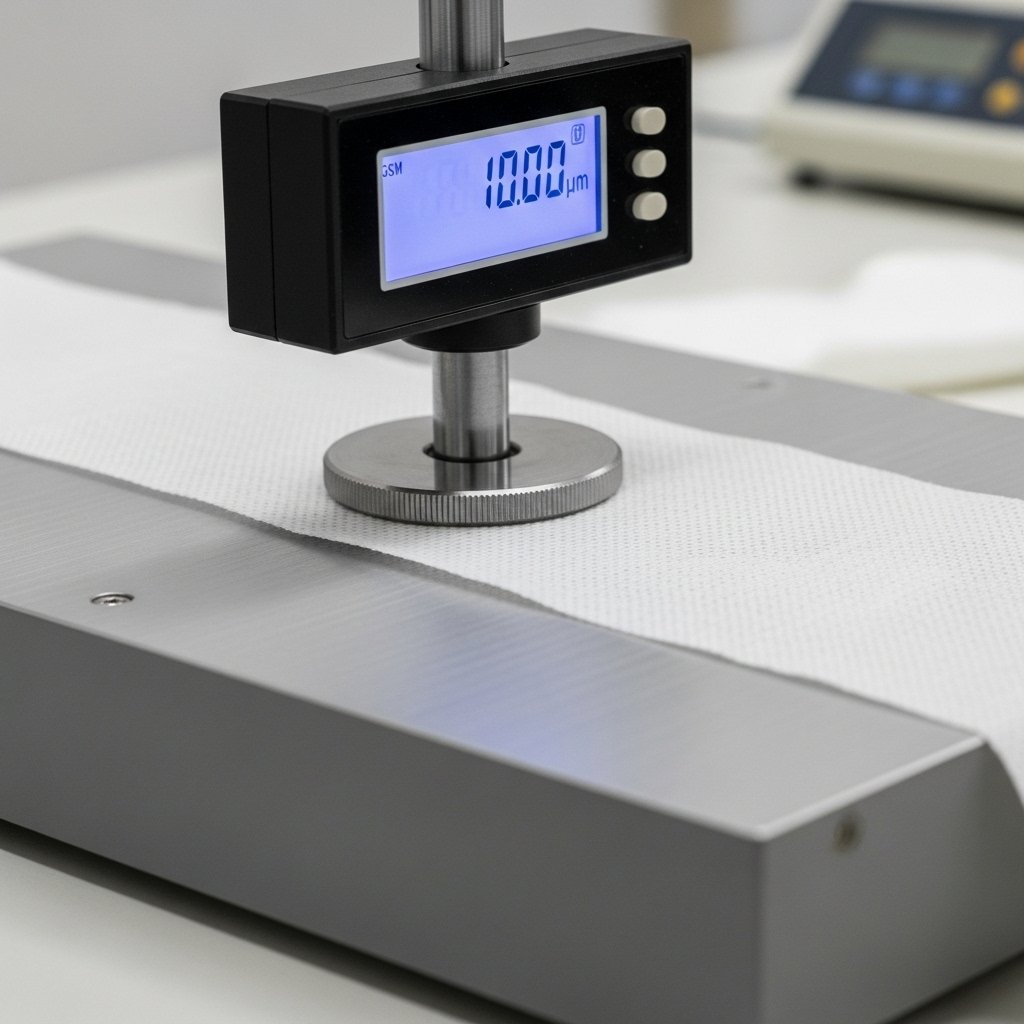
Bag reports typically group results into physical, chemical, and regulatory tables. Physical tests cover fabric weight (GSM), tensile and tear strength, seam slippage, and load capacity. Chemical tests target restricted substances: lead and cadmium content, phthalates, azo dyes, and, for food-contact or children’s lines, the relevant migration tests. Regulatory tables map the results against the standard’s limits and state a pass or fail per parameter. Read the limits column as carefully as the results column, because a passing result against the wrong limit is still a failure for your market.
Standards by Market: Matching the Report to the Destination
The standard a report tests against must match the destination market’s rules. EU-bound bags answer to REACH chemical restrictions and the General Product Safety Regulation; US-bound bags face state rules like California Proposition 65 and federal requirements for specific product classes; children’s and food-contact lines carry their own far stricter standards. A report against a China GB standard says nothing about EU or US compliance. The buyer’s job is to name the destination regulation in the test request, because labs test what they are asked to test.
The Fine Print: Scope, Condition, and What Reports Cannot Say
Three fine-print items deserve attention. The scope line defines exactly which parts of the product were tested: a report testing only the fabric does not cover the print, the zipper, or the webbing, and those components are where restricted substances usually hide. The test condition states whether the item was tested as received or after washing, which changes results materially. And the report itself only certifies the tested samples; it is the factory’s production consistency, backed by your own batch testing, that extends that result to the container.
Questions fréquemment posées
What makes a bag test report valid?
A valid report names the report number, the exact sample description, the standard and method tested, the test dates, and the laboratory’s ISO/IEC 17025 accreditation marks.
Which tests does a bag lab report normally include?
Physical tests cover GSM, tensile and tear strength, seam slippage and load capacity. Chemical tests cover lead, cadmium, phthalates, azo dyes and relevant migration limits.
Does a report against a China GB standard prove EU compliance?
No. Reports prove compliance only against the standard actually tested. EU bags need REACH-based testing, and US bags need state and federal requirements such as Proposition 65.
Vous aimerez peut-être aussi...
Request a Landed Cost Quote
Planning a bag program for your market? Contact our team with your specification and volume, and we will return a landed-cost quotation with the documentation your customs authority requires.
The grading scales and acceptance thresholds are explained in our color fastness testing guide.
Recycled claims only hold with a certificate chain; our rPET versus virgin polyester comparison compares both fibers and the paperwork honestly.




0 commentaires