



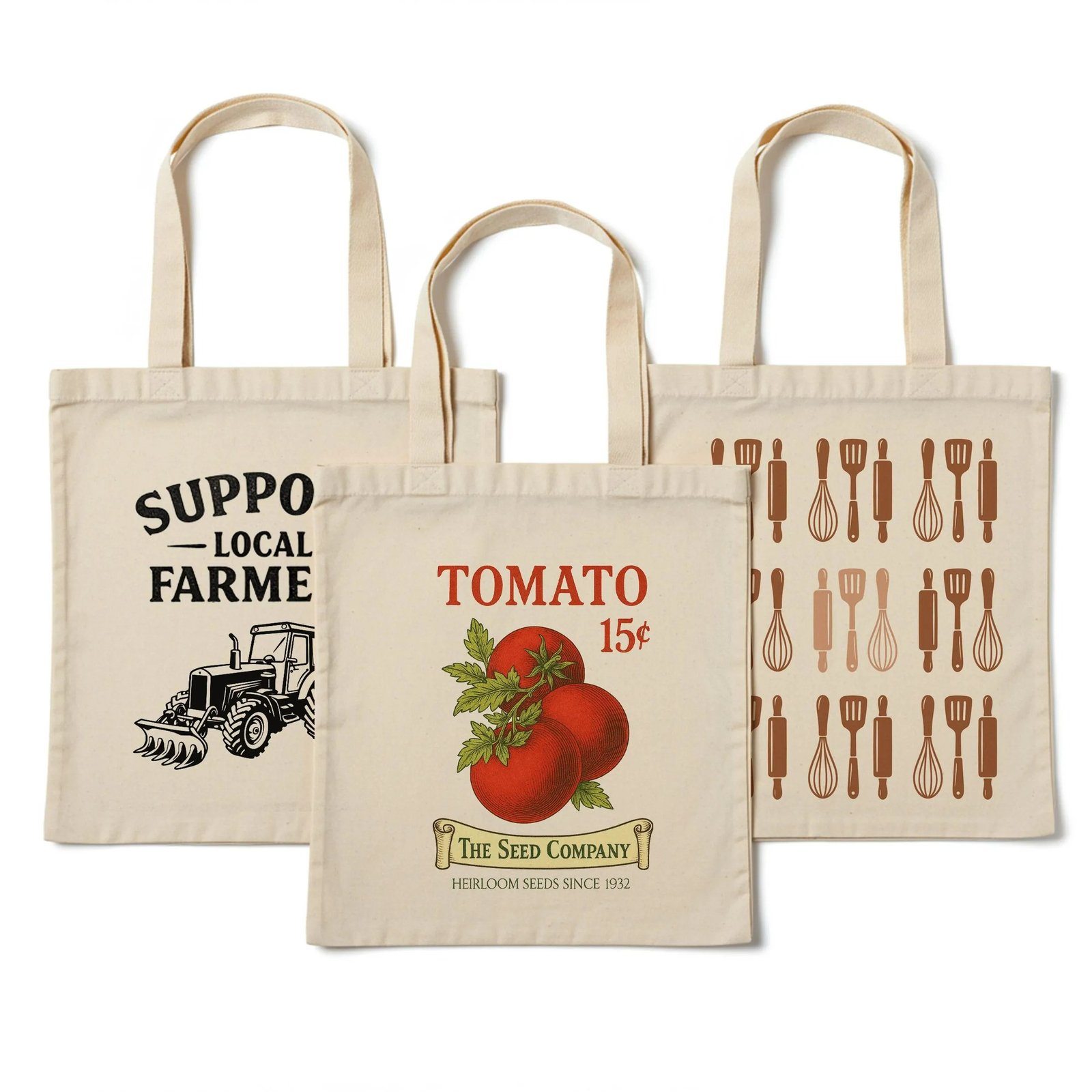
custom tote bags corporate gifts is the first checkpoint buyers should lock before they approve a supplier, budget, or production slot. The moment someone unboxes a custom tote bag for corporate gifts, their thumb goes straight to the fabric surface. If the texture feels waxy or thin, the brand moment collapses before they even check what’s inside. Worse, if you’ve gone with a dark cotton canvas and the interior sheds white lint across the face of the bag, every photo taken at the event will show dust, not your logo. Most suppliers never mention lint transfer—it’s a production detail that separates a bag that looks premium all day from one that gets stuffed under a seat after the first coffee spill.
Non-woven tote bags can hit a budget at $0.50 per unit, but they rarely survive beyond a single conference. PPAI research confirms that 2 out of 3 consumers keep a branded item only if it’s genuinely useful, and 60% of tote recipients hold onto a bag for over a year. A 16oz heavy-duty canvas bag runs between $1.20 and $5.00, carries 30+ lbs without seam failure, and achieved a cost per impression under $0.001 when reused three times a week over a year. That’s not swag—that’s repeat brand exposure paid for by daily utility. The decision tree for corporate gifts isn’t about picking a bag. It’s about engineering an unboxing experience that lasts 18 months, not 18 minutes.

Why the Unboxing Moment Defines Your Brand Image
A cheap bag leaves a lasting impression—just not the one you want.
You’ve spent months planning the event, curating speakers, and refining the attendee journey. The gift bag is the final physical touchpoint. The moment a delegate pulls out a custom tote, their fingers meet the fabric. That split-second tactile signal sets the emotional anchor. Industry tracking data shows 85% of people remember the brand on a promotional tote, and 60% keep it for over a year. The bag is a walking billboard your most valued guests carry into their daily lives. That kind of impression density makes the choice between swag and statement a direct line to your KPI: brand recall.
The high cost of a cheap gift experience runs deeper than you think. Hand out a flimsy bag with a smeared logo and the attendee won’t just dislike the item—they will transfer that disappointment to your brand. Worse, a dark fabric bag that picks up lint from its own interior visually reads as ‘used’ before the event lunch break. Most suppliers ignore this; a low-lint interior specification is what separates premium corporate gift tote bags from landfill filler. Your logo on a linen-closet dust magnet undercuts the polish of every other dollar you spent on the conference.
- Swag Mentality: Pushes a sub-$0.50 non-woven, generic print, mass-dropped into hands only to land in the trash before the closing keynote.
- Statement Approach: Deploys a 12oz canvas or soft-touch laminated bag, PMS-matched print that survives 30+ washes, and an unboxing experience worthy of your brand equity.
- Bottom Line: One strategy damages brand trust; the other generates cost-per-impression under $0.001 on a bag reused three times a week for a year.
The 7 Factors for a Perfect Custom Tote Unboxing
Your brand’s first physical touchpoint must survive the unboxing without lint, color shift, or torn packaging.
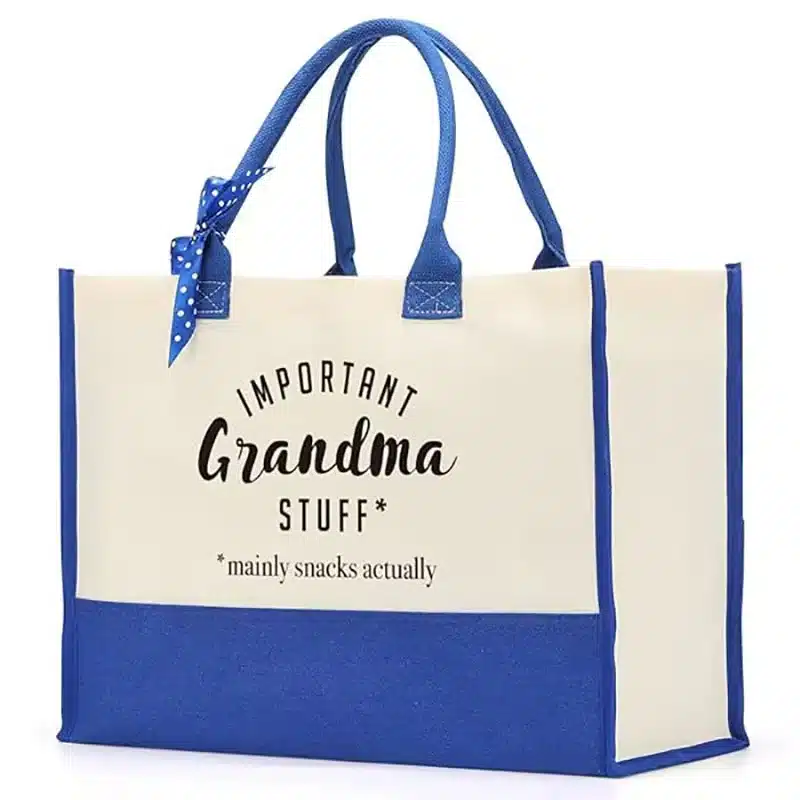
1. Material Selection: Non-Woven, Cotton, or Soft-Touch Laminated The bag’s fabric sets the entire unboxing tone. Non-woven is cheap (as low as $0.50 per bag in bulk) but reads disposable — fine for mass swag drops, deadly for VIP events. Cotton canvas costs $1.20–$5.00 each, with 16oz heavy-duty canvas holding 30+ lbs without seam failure. Soft-touch laminated polypropylene bridges the gap: stain-resistant and smooth, it mimics luxury at lower cost. But a hidden trap is lint. Dark fabrics accumulate visible dust from standard linings, making the bag look used before it’s gifted. Demand low-lint interior specs, a detail most suppliers ignore, to keep that premium first impression intact.
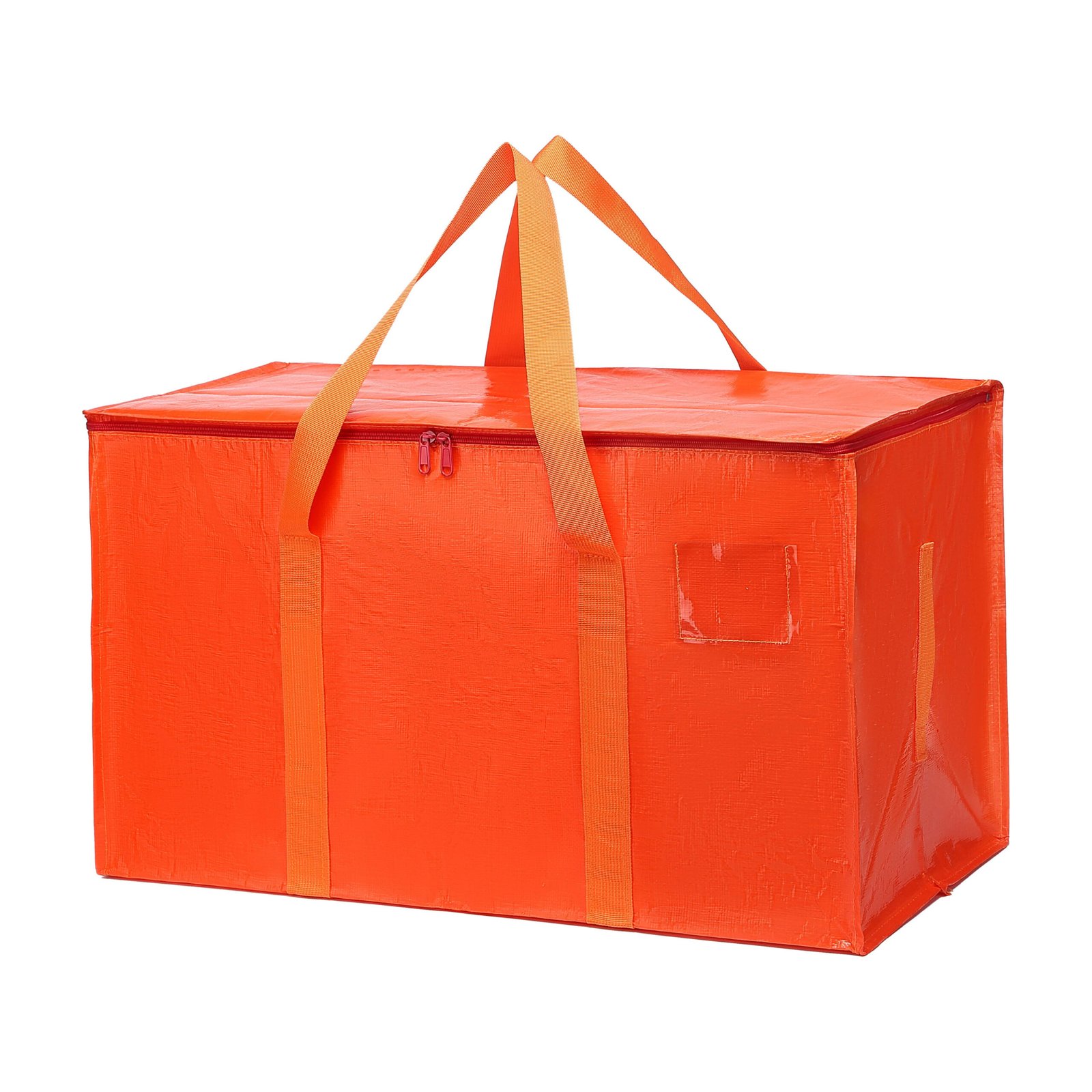
- Non-woven: Sub-$0.50 in bulk; acceptable for 5,000+ attendee giveaways where the bag is utilitarian, not aspirational.
- Cotton canvas (10–16oz): $1.20–$5.00 per bag; natural hand-feel, heavy durability. 16oz carries 30+ lbs. Essential for conference kits that double as post-event everyday totes.
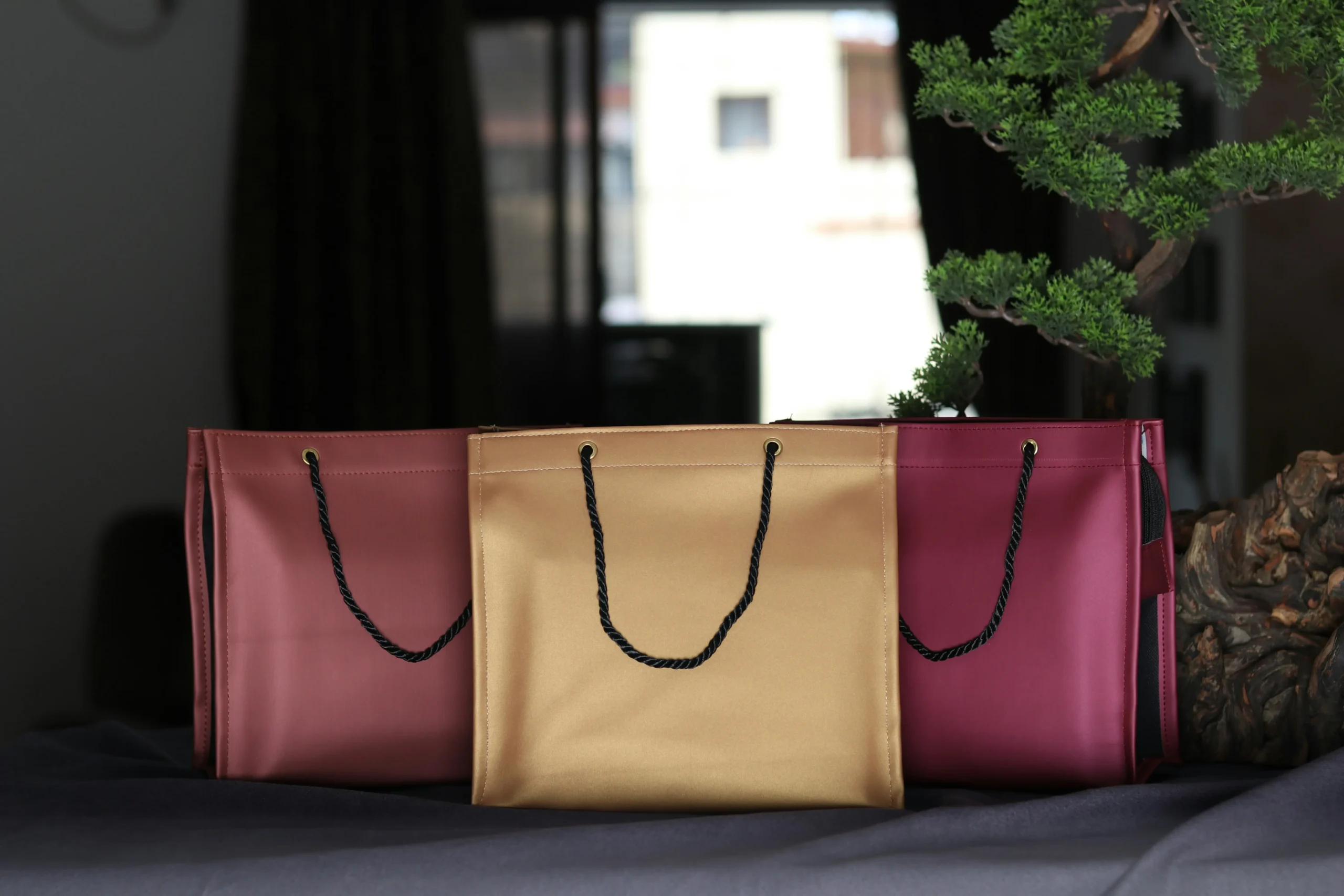
- Soft-touch laminated: Smooth, stain-resistant surface; high-end retail aesthetics without the canvas weight. Pairs well with foil or embossed logos for luxury gifting.
- Lint-mitigation rule: For any dark-colored fabric, specify a low-lint lining. Standard polyester linings shed microfibers that cling to the bag exterior and ruin the unboxing shot.
2. Print Fidelity: PMS Matching and Pre-Production Proofs Are Non-Negotiable Digital proofs lie. Screens show flat color; fabric absorbs and scatters ink, shifting hues. PMS matching promises consistency, but only a physical strike-off on the actual tote material reveals true results. Insist on this before production starts. A pre-production proof catches texture-induced color shifts that would otherwise force a costly reprint — or worse, deliver bags whose logo looks washed out under event lighting. Corporate gifting managers who skip this step gamble their brand’s visual recall on a PDF.
3. Structural Details: Inner Pockets, Zippers, and Reinforced Handles Structural choices separate gifts from gear. An inner pocket secures a phone or business cards; a zipper closure protects content during transport. Reinforced handles with double stitching prevent the dreaded rip when someone loads a laptop and water bottle. In event giveaways, the bag becomes mobile brand billboard — a broken handle halts usability and ends impressions. Ask for stitch-per-inch counts and handle attachment methods. For canvas bags carrying conference materials, specify bar-tacked stress points at handle junctions. These details don’t just look good in photos; they keep the bag functioning past the event hall.
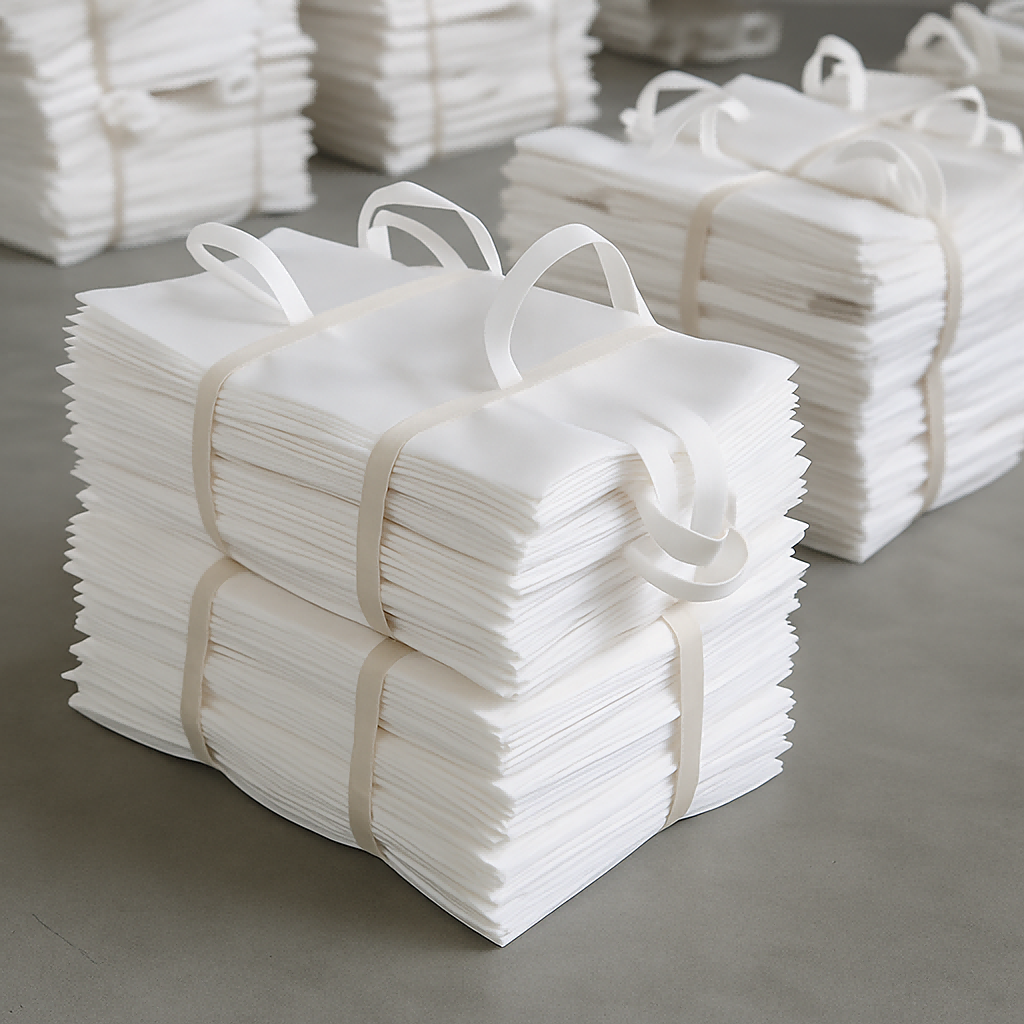
4. Packaging Add-ons: Tissue Paper, Ribbon, and Branded Inserts Unboxing isn’t just about the bag — it’s the reveal. Tissue paper, branded ribbon, and inserts telling your CSR story build anticipation. But the packaging itself must work. A common failure: retail tear strips that rip unevenly or shred during opening. Request tare-force test data for any display box or tear strip; the threshold is a minimum 15N to resist accidental tearing yet open cleanly. Nothing embarrasses a brand faster than a recipient wrestling with shredded wrapping in front of colleagues. Inserts should also include care instructions and material certifications — small paper cards that signal intention and quality.
5. Sustainability Cues: Recycled Fabrics and Certifications By 2026, 65% of corporate gift recipients expect sustainable packaging. Recycled rPET fabric and BSCI-audited production directly align with CSR mandates. Nielsen data backs the move: 73% of millennials prefer brands with real environmental commitments. Include FSC-certified paper inserts and print certification marks on the packaging. These cues transform a bag into a corporate responsibility statement — and they generate social media shares when attendees photograph the branded, eco-conscious details. Even at low MOQs (starting at 50 for embroidery), opt for recycled-content options; suppliers without BSCI or GRS certifications should be avoided regardless of price.
6. Order Agility: Low MOQs, Rush Production, and Split Shipments Event deadlines punish standard lead times. The difference between a successful rollout and a last-minute panic is a factory with in-house sample cutting. That infrastructure can ship 300–500 fully customized totes in 10 working days, even when colors and logo placements are complex. MOQs as low as 50 for embroidery make small VIP runs possible. Split shipments to multiple venues require early logistics coordination, but a supplier who understands event calendars won’t blink. Confirm that the factory runs dedicated production slots for rush orders rather than slotting them into an already overloaded line — because speed without capacity control produces defects.
7. Quality Guardrails: Sample Approval Workflows and Defect Allowances Your final line of defense is the approval workflow. Never sign off on a digital photo alone. Demand a physical sample — the exact bag that will ship — and inspect it under lighting that matches your event. Set a defect allowance (under 2%) with clear credit or reprint terms. Also require that the supplier test random units from the actual production run for handle strength, zipper function, and print consistency. Color drift across batches, misaligned embroidery, and varying lint levels can only be caught with statistical sampling, not a single pre-production sample. The supplier’s willingness to pause and correct, rather than push poor output out the door, separates factory-direct expertise from order-taker anonymity.
The Event-Ready Unboxing Checklist: Verify Before You Ship
Skip one check and your brand turns into landfill swag.
You’ve selected the material, approved the proof, and the pallets are almost ready. This final gatekeeping step separates a flawless unboxing moment from a last-minute panic. Use this checklist to pressure-test the shipment before it reaches your event venue.
- Demand a strike-off on actual bag material: Digital proofs lie. Surface texture shifts hue — a Pantone-matched print on coated stock can look 2–3 shades darker on woven 10oz canvas. Require a physical sample on the exact fabric before giving the green light.
- Run the black-fabric lint test: Open a bag, shake it inside a dark room under bright light. If fine white dust clings to the interior, the supplier skipped the low-lint finishing step. This kills the premium feel instantly and stains dark event apparel.
- Verify tear-strip force exceeds 15N: Retail-ready packaging with flimsy tear strips rips open in transit or, worse, during the attendee’s first pull. Ask for the factory’s tare-force test report. Anything below 15N is a field failure waiting to happen.
- Inspect handle bar-tack reinforcement: Grab a loaded bag and yank upward with a sudden 30-pound force. The bar-tack stitches at the handle anchor points must hold without elongation. A 16oz canvas with double-needle reinforced handles routinely passes this; lightweight non-woven won’t.
- Confirm rush production timeline with actual milestone dates: A factory promising ’10 working days for 500 units’ means nothing without a sample-approval deadline and a production-start timestamp. Lock both in writing. Factories with in-house sample cutting can absorb 10–12 day turnarounds without outsourcing errors.
- Request a sealed production sample from the final run: Don’t trust the pre-production sample. Have the factory pull and seal one bag from the actual bulk order, photograph it next to the approved strike-off, and email the image before dispatch. This catches color drift and stitch tension discrepancies.
- Validate any sustainability claim with third-party cert numbers: If you’re marketing ‘recycled rPET’ or ‘CSR-aligned’, a generic supplier statement won’t survive a consumer’s phone camera. Confirm GRS or equivalent certificate IDs and verify the claim is batch-specific, not a blanket factory line.
Conclusion
Getting the unboxing right creates a tactile brand memory that outlasts the event—recipients remember how the bag felt. Hard numbers back this: 85% recall the brand on a useful tote, and 60% keep it for over a year. Locking in material selection, print fidelity, structural extras, and quality guardrails avoids the cheap giveaway trap and builds repeat exposure.
Browse the custom logo tote bag collection to compare material swatches, print precision samples, and production timelines for your next event. Small production details—low-lint interiors, reinforced handles, strike-off proofs—shift a bag from convention swag to a brand asset.
Frequently Asked Questions
What is the best material for custom tote bags used as corporate gifts?
Laminated non-woven or soft-touch coated fabric delivers the premium tactile feel corporate gifts require without the lint or waxy texture of raw non-woven. Material choice fundamentally shapes the unboxing impression. Always request a material swatch to verify the hand-feel matches your brand.
How much do custom tote bags cost in bulk for events?
Bulk pricing shifts sharply with material, print complexity, and order volume; basic non-woven totes can fall under $1.50 at scale, while laminated or cotton versions run higher. Exact unit. Lock in final pricing only after you lock the spec and quantity tier.
What is the minimum order quantity for logo-printed tote bags?
Custom printed tote MOQs typically start at 500 units for factory-direct orders, though stock programs with pad printing can sometimes allow 100–250 pieces. Lower quantities usually restrict material and print. Confirm MOQ based on your exact logo placement and bag material choice.
Can I get eco-friendly tote bags for corporate events?
Yes, rPET recycled fabric and certified organic cotton are standard eco-friendly options that align with CSR goals. Verified certifications like GRS or OCS provide the credibility procurement teams need for gift bag sustainability. Ask for certification documents to back every sustainability claim.
How long does it take to produce custom tote bags for a large conference?
Production lead time normally runs 2-4 weeks after sample approval, with rush options compressing to 10-14 days depending on factory capacity. Large conference orders need buffer for pre-production proofing, so backwards-plan from. Factor in sample approval time when setting your event deadline.


0 Comments