





Azo Dyes and Formaldehyde in Textile Bags: Which Test Covers What
Two restricted substance issues account for most of the test failures that affect textile bags. Azo colourants that can release certain aromatic amines, and formaldehyde from finishing chemistry. Both are well understood, both are testable, and both are frequently the...
Finished Bag Weight and Dimension Verification: Scales, Sampling and Tolerances
Two bags can look identical and differ in ways that decide whether the order is accepted. One is a few percent lighter because the fabric’s weight per square metre drifted; the other is slightly short because the cutting plan was tight. Both pass a visual check...
How to Read a Bag Lab Test Report: SGS and Intertek Reports Explained
A bag lab test report is a contract document most buyers file without reading, and the unread pages are where disappointed orders explain themselves: a load rating tested at a different configuration than the buyer’s use case, a colorfastness grade that meets...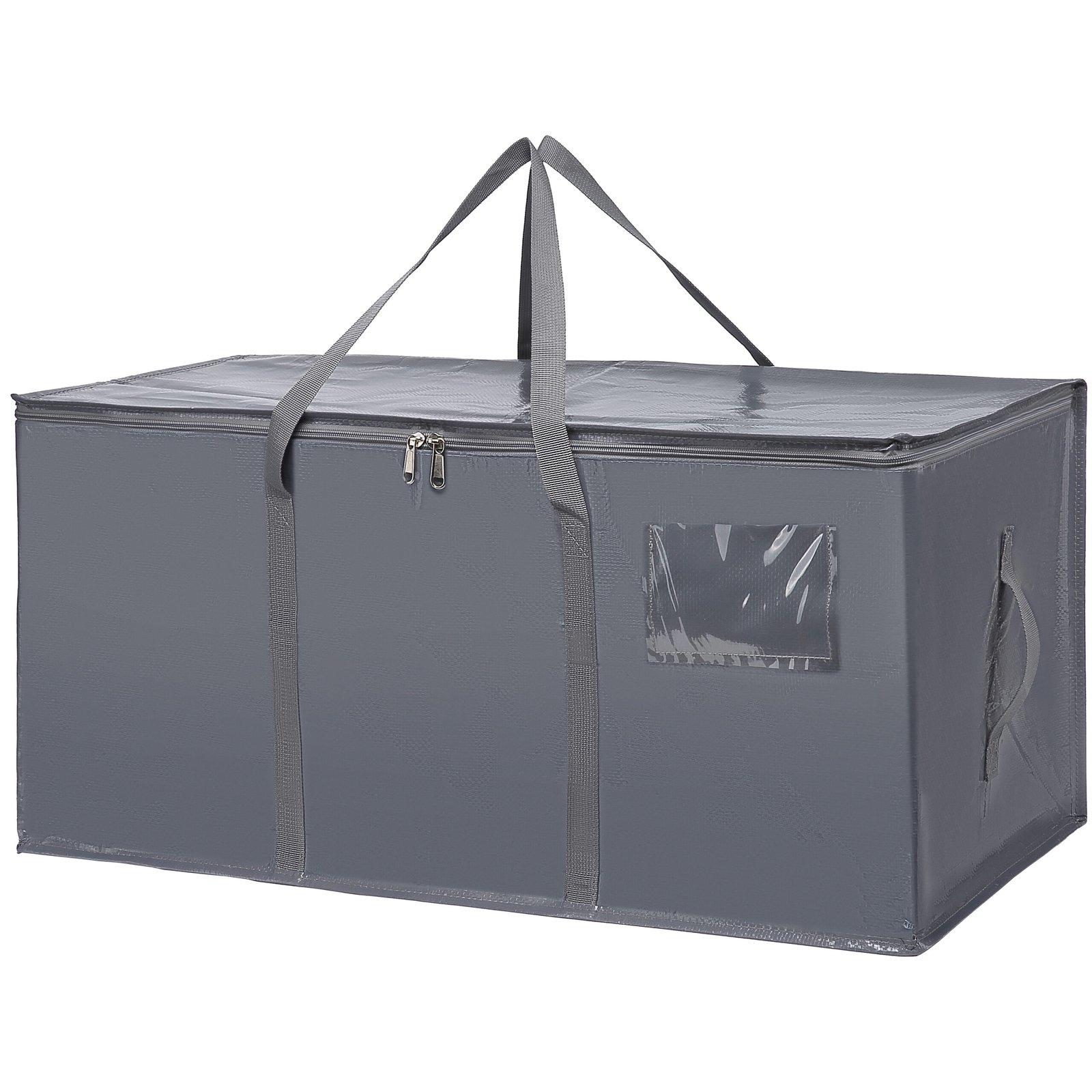
Poly Bag Warnings and Bag Packaging Compliance: Labels, Holes and Messages
Poly bags are the least glamorous item in a bag order and the one most likely to cause a compliance problem. A bag that holds a product on a retail shelf, or that protects a product during fulfilment, can fall under warning label requirements, and the details are...