Skip to content

Why Standard Sizes Don’t Fit Your Custom Products
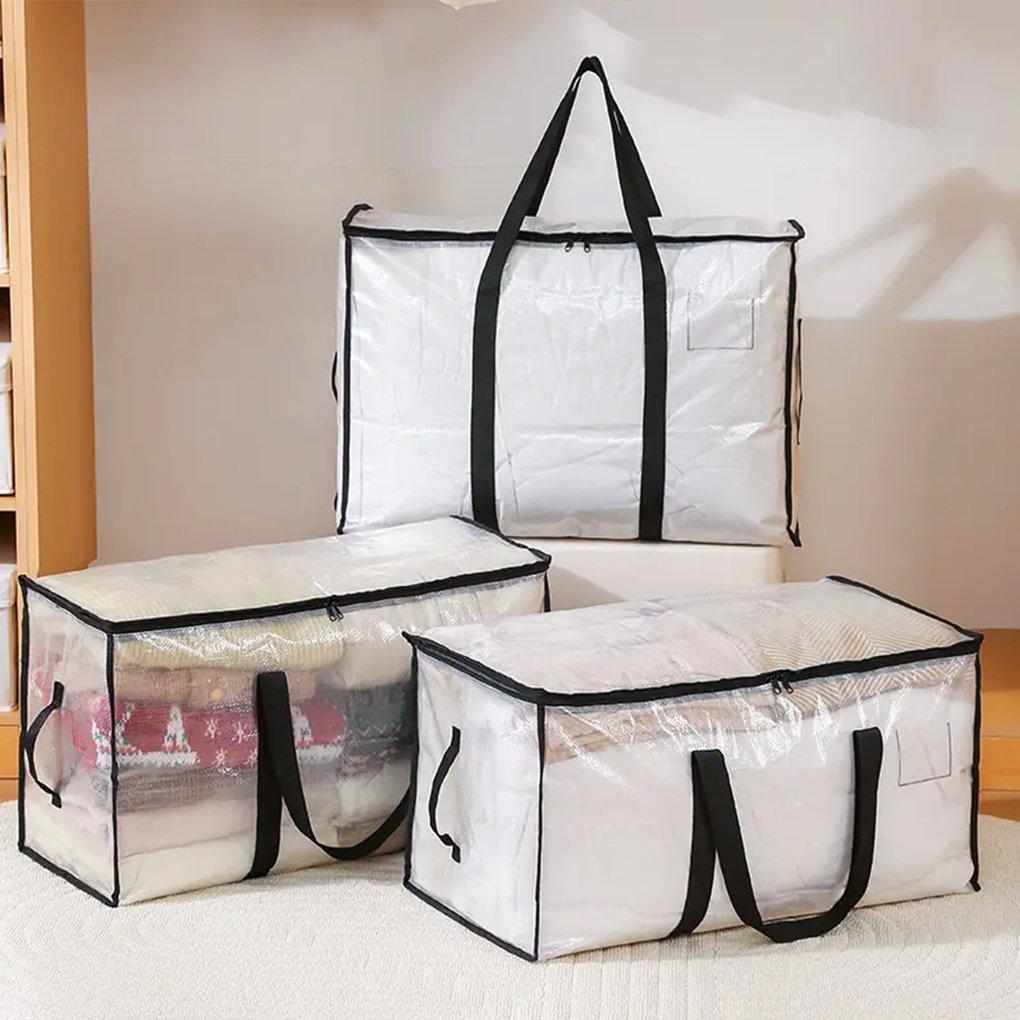
Finding wholesale clear bags is easy, but off-the-shelf options rarely fit unique products. This mismatch creates operational friction, leading to wasted materials and poor presentation. For manufacturers, a one-size-fits-all approach compromises both product protection and brand professionalism, driving up hidden costs.
This guide covers customizing dimensions, printing logos and labels, and understanding MOQs. We’ll compare factory and distributor pricing to help you source a custom solution that fits your product perfectly.
Why Standard Sizes Don’t Fit Your Custom Products
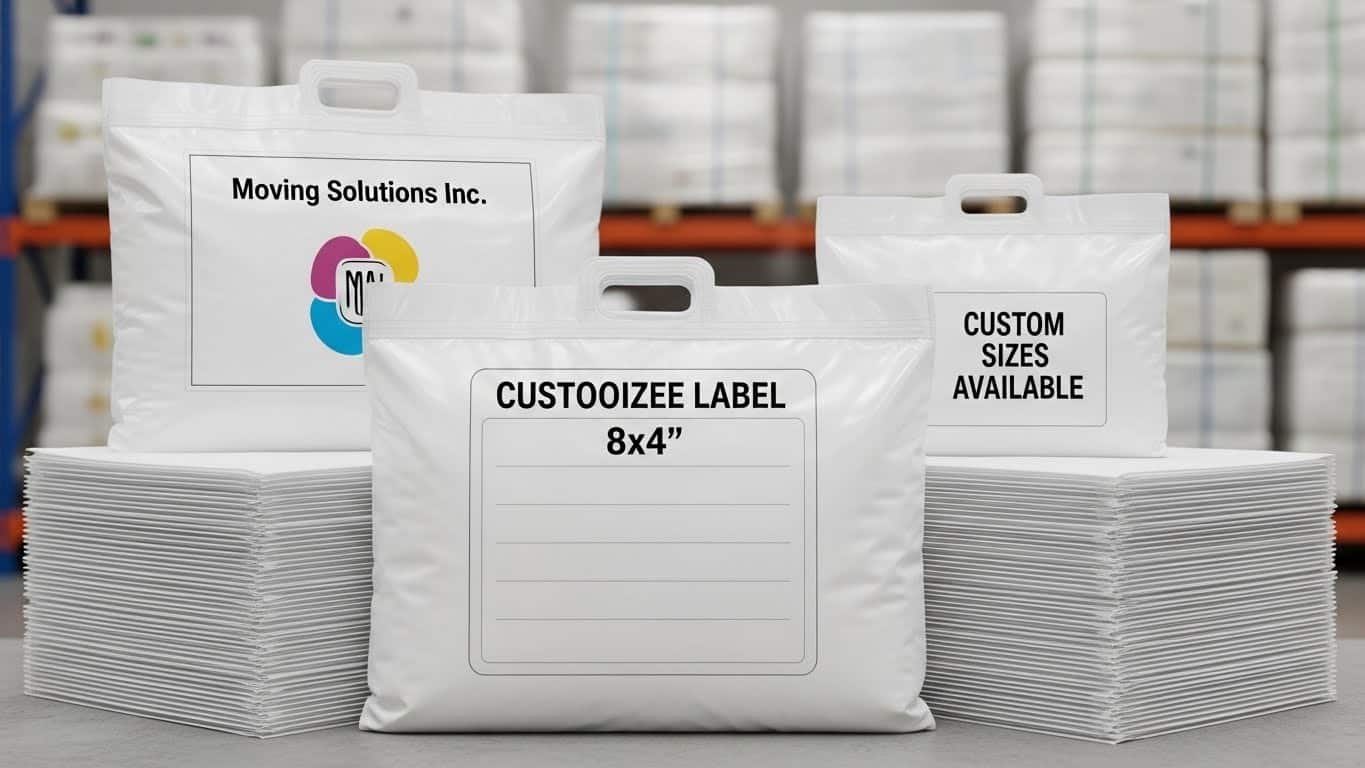
Standard sizes fail to accommodate custom products because they are built for mass-production efficiency, not unique specifications. This mismatch creates operational friction, wastes materials, and leads to higher costs, as standardized workflows cannot handle the variable dimensions and smaller batches custom orders require.
Production Mismatch: Custom Demands vs. Standardized Workflows
Mass production thrives on uniformity and repetition. Workflows are optimized for a single, unchanging product to maximize output and minimize cost per unit. In our experience manufacturing custom storage bags, custom orders fundamentally disrupt this model. They introduce variables that standardized lines are not designed to handle.
- 💡 Batch Size Conflicts: Custom orders typically involve smaller, more intricate batches. Inserting a run of 500 specialized bags into a line designed for 50,000 identical units causes significant downtime and breaks the production rhythm.
- ⚠️ Tooling and Equipment Inflexibility: Standard manufacturing uses fixed tooling for repeatable processes. Custom products, like a bag designed to carry 25 kg with reinforced handles, require adaptive equipment, different needle gauges, and flexible machine setups.
- ❌ Extended Lead Times: Customization isn’t just about changing a color. It often requires design modifications, material sourcing, machine resets, and unique quality checks, all of which extend lead times compared to off-the-shelf products.
The Financial Impact of a One-Size-Fits-All Approach
Forcing a custom product into a standard production model creates significant financial inefficiencies. The economies of scale that make mass production profitable disappear when dealing with unique specifications, leading to unpredictable and often higher costs.
The entire pricing structure is built on a different foundation.
- ⚠️ Higher Per-Unit Costs: Custom manufacturing has greater setup, design, and labor costs distributed over a smaller number of units. A one-size-fits-all pricing model fails to account for this reality, hurting profitability.
- ❌ Inefficient Material Purchasing: Manufacturers lose the ability to secure bulk discounts on materials for custom orders. Unpredictable dimensions and features mean materials must be purchased on a project-by-project basis, often at a premium.
- 📉 Incompatible Pricing Models: Standardized products use static price lists. Custom work requires dynamic quotes that calculate the precise cost of variable materials, dimensions, printing, and special features—a calculation that standard models cannot perform.
Operational Friction and Quality Compromises
When the production and financial models don’t align, the friction trickles down into daily operations and directly impacts product quality. Trying to fit a unique requirement into a rigid system creates waste, complexity, and a higher risk of errors.
This approach often compromises the very reason a customer chose a custom solution in the first place.
- ❌ Complex Inventory Management: Instead of stocking a few standard materials, a custom-focused operation must manage a wide variety of fabrics, zippers, webbing colors, and other components to meet diverse client needs.
- 🗑️ Material Waste and Poor Fit: Forcing a product into a standard-sized container is a common source of inefficiency. It either wastes material by being too large or compromises protection and user experience by being too small. A perfectly sized bag prevents damage and optimizes storage space.
- 📉 Higher Defect Rates: Mass production relies on established, repeatable quality controls. The lack of process repetition for custom items increases the chance of defects, as each new setup introduces variables that must be carefully managed to ensure consistency.

Customizing Dimensions: Height, Width, and Gusset
Customizing dimensions means specifying the exact height, width, and gusset for wholesale bags. This process enables businesses to create packaging that perfectly fits their products, which optimizes storage, protects contents during shipping, and aligns with brand requirements.
Defining the Core Dimensions for Functionality
Getting the right fit for your product starts with three foundational measurements. Each one plays a distinct role in defining the bag’s final capacity and structure.
- Height: The vertical measurement from the bag’s top edge to its bottom seam.
- Width: The horizontal measurement from one side seam to the other.
- Gusset: The depth added to the bag, which allows it to expand and increase its internal volume for bulky items.
Gusset Specifications: Side vs. Bottom
The type of gusset determines how the bag expands and whether it can stand on its own. For most wholesale orders, the choice comes down to two primary types, each suited for different applications.
| Gusset Type | Common Application |
|---|---|
| Side Gussets These are folds located on the sides of the bag, creating a rectangular, box-like shape when opened. | ✅ Best for items that need to be packed neatly and uniformly, like folded apparel or boxed goods. |
| Bottom Gussets A fold or a separate piece of material at the base that allows the bag to stand upright without support. | ✅ Ideal for retail, grocery, and storage bags that need a stable base for display or shelving. |
The Customization Process for Bulk Orders
Creating a custom-sized bag for a bulk order is a straightforward, collaborative process. Following a clear sequence ensures the final product perfectly matches your specifications.
- Provide Product Details: Start by giving your supplier either a physical sample of your product or the precise internal dimensions the bag needs to hold.
- Review Technical Designs: Before full production, you should review technical drawings and pre-production samples. This is a critical step to confirm the final sizing, material, and overall structure.
- Confirm Minimums: Be aware that fully custom dimensions often have higher minimum order quantities (MOQs) than standard, off-the-shelf sizes. Clarifying this early helps in planning and budgeting.
Cost Implications and Manufacturing Tolerances
When customizing dimensions, a few key production realities can influence the final cost and specifications. Keeping these in mind helps you make more informed sourcing decisions.
- 💡 Cost Factors: Larger dimensions directly increase material consumption and, therefore, cost. Highly unconventional height-to-width ratios may also require special handling or setup, which can impact the per-unit price.
- ⚠️ Manufacturing Tolerances: In B2B manufacturing, there is always an accepted size tolerance (e.g., ±0.5 cm). It’s important to ask your supplier about their specific standard before production starts to ensure alignment.
- 🚀 Material Efficiency: Choosing dimensions that align with a manufacturer’s raw material widths can significantly reduce waste. In our experience, small adjustments can often lead to a lower per-unit cost without compromising functionality.
Printing on Clear Plastic: Logos and Warning Labels
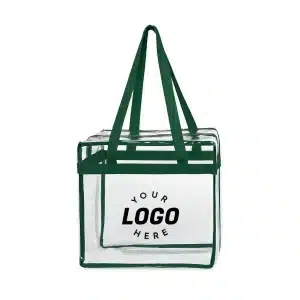
Printing on clear plastic for logos and warning labels involves using techniques like screen, digital, or flexographic printing on materials such as PE, PVC, or PLA. This process allows businesses to enhance brand recognition and ensure product compliance, with typical production runs starting at 1,000 units.
Available Materials and Printing Techniques
When customizing clear plastic packaging, you have several material and printing options to choose from. The right combination depends on your product, budget, and desired aesthetic. In our experience, Polyethylene (PE) is a popular and versatile choice, but other plastics are also widely used.
- ✅ Material Options: Common plastics include Polyethylene (both LDPE and HDPE), PVC, and Polypropylene (PP). For businesses focused on sustainability, eco-friendly options like PLA are also available.
- 🚀 Direct Printing Methods: Designs can be applied directly to the plastic surface. The most common methods are Screen Printing for bold, simple graphics; Digital Printing for complex, full-color images; and Flexography for high-volume runs.
- 💡 Premium Finishing: For a more high-end feel, Heat Transfer Printing and Hot Stamping create crisp, metallic, or glossy finishes that stand out on shelves.
- Alternative Method: If direct printing isn’t suitable, applying custom adhesive labels is another effective way to add branding and mandatory warning information to your packaging.
Key Considerations for Branding and Compliance
Custom printing is more than just aesthetics; it’s a strategic tool for brand building and meeting legal requirements. Directly printing logos and information onto packaging integrates your brand identity while streamlining compliance.
- Cost-Effective for Bulk Orders: Direct printing becomes highly economical at scale. For large production runs common in wholesale sourcing, it’s often cheaper than applying individual labels.
- Enhanced Brand Recognition: Using the Pantone Matching System (PMS) ensures your logo and brand colors are perfectly consistent across all packaging. This creates a professional and recognizable look.
- Compliance Labeling: ⚠️ Efficiently add mandatory warning labels, usage instructions, or recycling symbols directly onto the packaging to meet industry and government regulations without needing a separate labeling step.
- Design Support: Many manufacturing partners offer free design services and mockups. This allows you to visualize your final product and make adjustments before committing to a full production run, reducing financial risk.
Production Timelines and Order Requirements
Understanding the logistical details is key to planning your inventory and product launch. Below are the typical requirements and timelines for custom-printed plastic orders.
| Logistic or Requirement | Typical Specification |
|---|---|
| Minimum Order Quantity (MOQ) | 1,000 units |
| Mass Production Timeline | 15 to 20 days |
| Express Shipping & Delivery | 3 to 6 business days post-production |
| Custom Sizing Capabilities | From 2×2 inches up to 54 inches |
Durable, Branded Moving Bags Built for Professionals
Outfit your moving, storage, or logistics team with bags built for the job. Our heavy-duty bags feature reinforced webbing handles, tear-resistant fabrics, and hold up to 25 kg. Fully customize your order with your logo, colors, and unique features. We support your brand with free 12-hour mockups, low MOQs, and fast, certified production.

MOQ for Custom Clear Bags: What to Expect
The minimum order quantity (MOQ) for custom clear bags varies based on the supplier, bag style, and printing method. You can find options as low as 24-50 units for simple styles, while standard promotional bags often require 100-250 units. High-volume industrial printing can demand 5,000+ units.
Key Factors That Determine MOQ
A supplier’s minimum order is not an arbitrary number. It’s calculated based on the real costs of machine setup, material sourcing, and labor. Understanding these core factors helps explain why MOQs differ so much from one project to another.
- ✅ Supplier & Production Scale: A manufacturer’s equipment directly influences minimums. Factories designed for large-scale industrial runs have significant setup costs, requiring higher volume orders to be profitable. In contrast, smaller workshops or those using flexible digital technology can often handle small batches more efficiently.
- ✅ Customization Method: The printing technique is critical. Simple screen prints have a straightforward setup, allowing for lower MOQs. More advanced methods, like custom plate printing for industrial poly bags, involve higher upfront costs and material waste during calibration, pushing minimums to 5,000+ units.
- ✅ Product Style & Material: Standard, in-stock pouches are easier to customize in small quantities. A premium, fully custom-designed vinyl travel case requires unique patterns, specialized materials, and more complex assembly, which naturally demands a higher MOQ to cover development and manufacturing costs.
Common MOQ Ranges by Product Type
While every order is unique, most custom clear bags fall into a few common MOQ brackets. Knowing these ranges can help you set realistic expectations when sourcing a supplier for your project.
- 🚀 Low Volume (24-100 units): This range is typically accessible for simple promotional clear totes or stock items customized with basic printing. Certain vendors using methods like DTG (Direct-to-Garment) may even offer no-minimum options for specific products.
- 🚀 Standard Orders (100-500 units): This is the sweet spot for most business-to-business promotional orders. It covers a wide array of products, including custom clear vinyl cosmetic cases, event giveaway bags, and branded pouches.
- 🚀 High Volume (5,000+ units): These large minimums are almost exclusively for industrial-scale production. Think mass-produced poly bags for product packaging, which rely on high-speed machinery where efficiency is only achieved at very large volumes.
How to Navigate MOQ Requirements
If a supplier’s MOQ seems out of reach, you may still have options. A good partner is often willing to work with you to find a practical solution that fits your budget and their production workflow.
- 💡 Combine Styles: Ask your supplier if you can meet a single MOQ by mixing different bag styles or colors. For example, ordering 250 units with blue trim and 250 with red trim could help you meet a 500-unit threshold.
- 💡 Explore ‘No Minimum’ Options: Some companies specialize in small-batch production, often using digital printing to avoid high setup fees. The cost per unit will be higher, but it’s an excellent way to get samples or fulfill a small, targeted order.
- 💡 Choose Simpler Customizations: The more complex the design, the higher the MOQ. Opting for a standard stock bag with a simple one-color logo print is one of the most effective ways to qualify for a lower minimum quantity.

Factory Direct Pricing vs. Packaging Distributors
Factory direct pricing comes straight from the manufacturer. This model can mean lower unit costs on large volume orders, though the factory keeps a higher profit margin. Packaging distributors act as intermediaries. They offer value through bulk purchasing discounts, faster delivery from stock, and managed logistics, often with more flexible order sizes.
Key Differences: A Side-by-Side Comparison
| Factor | ✅ Factory Direct Sourcing | 🚀 Packaging Distributor |
|---|---|---|
| Pricing Model | Higher internal margins but can offer the lowest per-unit cost on large orders. | Adds a markup, but their own bulk purchasing power can lead to competitive pricing. |
| Order Volume (MOQ) | Often requires high minimum order quantities to justify production runs. | Typically offers more flexible and smaller order options from their inventory. |
| Delivery & Logistics | Longer lead times that include production and direct shipping. | Provides faster delivery from existing, local, or regional stock. |
| Product Control | Guarantees product authenticity and full control over customization and quality. | Less direct control over manufacturing; quality depends on the distributor’s vetting process. |
| Product Variety | Limited to the specific product lines the factory produces. | Offers a broad catalog of products from multiple manufacturers. |
| Ideal Buyer | Large enterprises with predictable, high-volume demand and in-house logistics. | Small to midsize businesses that require agility, speed, and varied sourcing. |
When to Choose Factory Direct Sourcing
From our experience as a manufacturer, sourcing directly is the most strategic choice in specific situations. This approach gives you maximum control and cost efficiency at scale.
- ✅ High-Volume Needs: Your business requires large, consistent volumes and can meet higher MOQs to secure the lowest possible cost per unit.
- ✅ Customization is Key: You need complete control over product specifications, materials, branding, and quality assurance. Direct communication ensures your vision is executed perfectly.
- ✅ Sophisticated Supply Chain: Your company has the internal teams to manage longer production lead times and direct international shipping logistics.
- ✅ Product Authenticity: Building a direct relationship with the producer is critical to guarantee the product’s origin and construction.
When to Partner with a Packaging Distributor
A distributor is an excellent partner when flexibility, speed, and simplified logistics are more important than deep customization.
- ✅ Flexible Ordering: You are a small or midsize business needing lower-volume orders to manage cash flow and minimize inventory risk.
- ✅ Speed is Essential: You need rapid access to stocked products to meet tight deadlines or unpredictable customer demand.
- ✅ Sourcing Variety: Your business model benefits from ordering a wide range of products from different brands through a single supplier and invoice.
- ✅ Outsourced Logistics: You prefer a partner to handle the complexities of warehousing, inventory management, and final-mile delivery.
Quality Control: Checking for Clarity and Seams
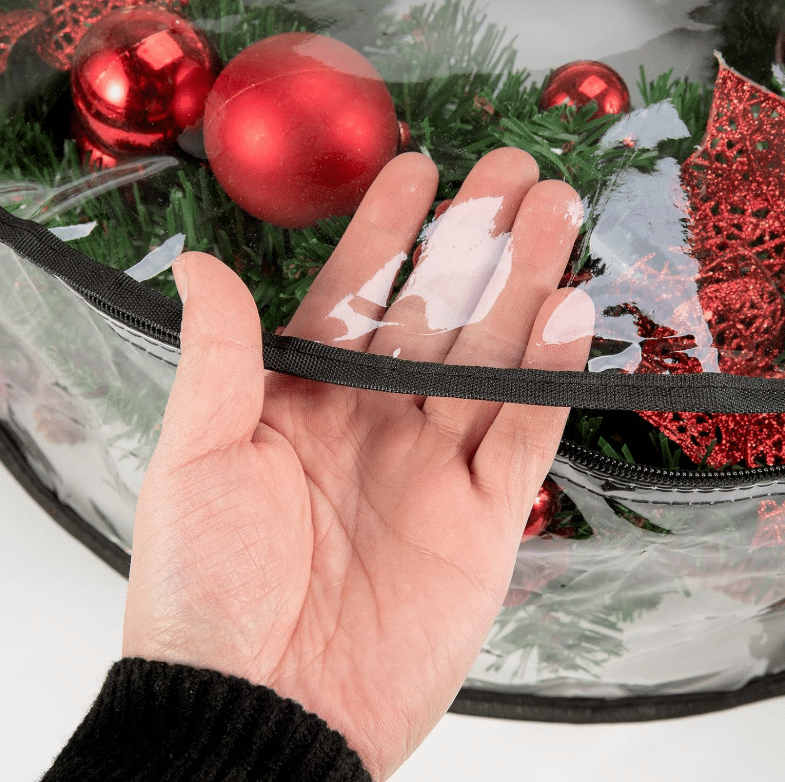
Checking for clarity and seams is a key part of quality control that focuses on workmanship and aesthetics. This process involves visually inspecting products for transparency (clarity) and structural integrity (seams) against approved standards to catch cosmetic defects and construction issues before shipment.
What Are Clarity and Seam Inspections?
These essential checks fall under the “Workmanship and Aesthetics” category of a standard Pre-Shipment Inspection (PSI). They give us a clear view of both the product’s appearance and its structural reliability before it ever leaves the factory.
- Clarity Inspection assesses the visual properties of transparent materials. Inspectors look for any defects that could impact the product’s look or function, such as scratches, cloudiness, air bubbles, or other inconsistencies.
- Seam Inspection evaluates structural integrity. This focuses on the quality of the stitching, its durability, and how well the product is constructed. It’s about ensuring the product will hold together under its intended use.
The Inspection Framework: How Checks Are Performed
The inspection process is methodical and relies on direct comparison. Inspectors take a sample of products from a finished production batch and meticulously compare them against pre-approved specifications and reference standards.
- Sample Comparison: A random selection of products is pulled from the production line for evaluation.
- Benchmark Standard: A “golden sample” or an approved physical swatch is used as the official benchmark. This ensures every product in the batch maintains consistent quality.
- Defect Identification: Inspectors identify any cosmetic defects or construction flaws and categorize them to determine if the batch meets the required quality thresholds.
Applying These Checks to Heavy-Duty Bags
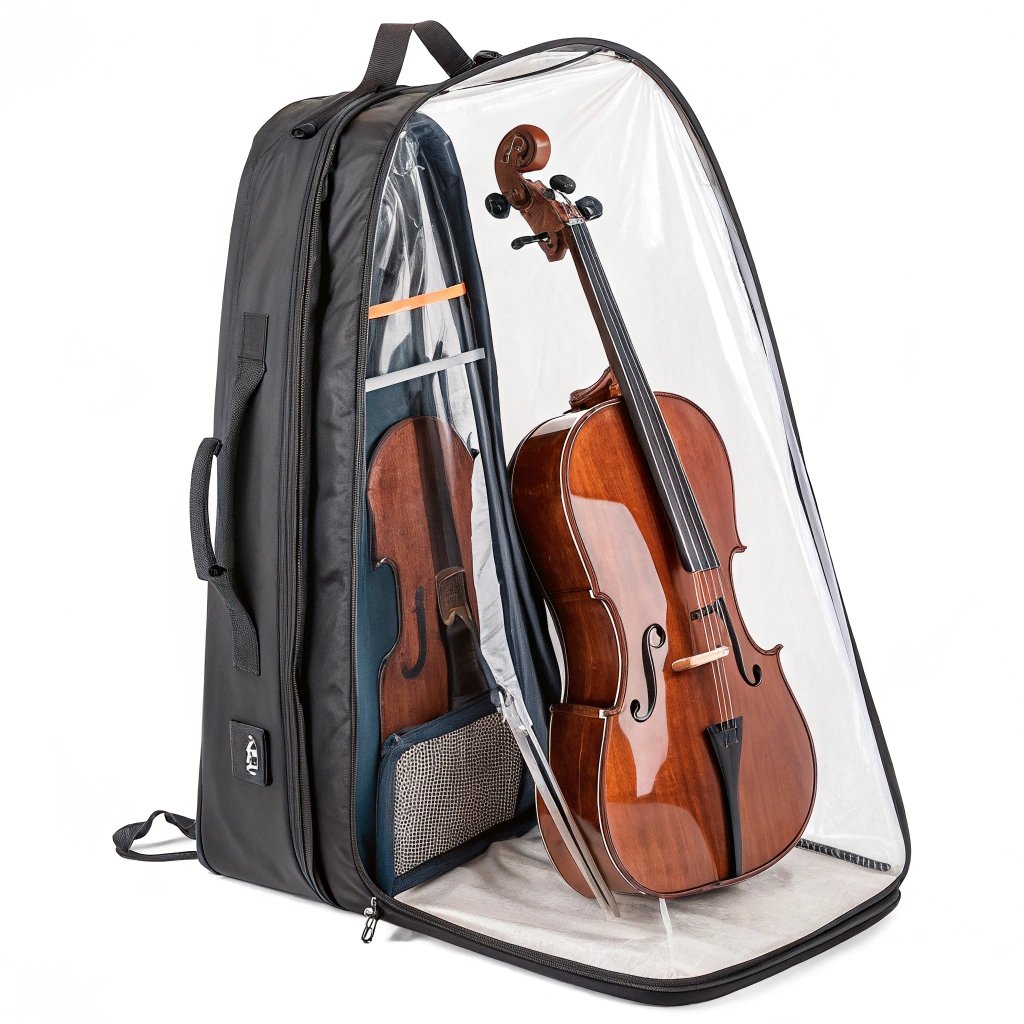
For custom moving and storage bags, clarity and seam inspections are not just procedural—they are critical to performance and safety. A flaw in a seam can lead to a handle tearing off mid-lift, while poor clarity defeats the purpose of a see-through panel.
Here’s what we check for in our heavy-duty bags:
- ✅ Clear Panels: We inspect any transparent panels to ensure contents are easily visible without visual distortion, scratches, or cloudiness.
- ✅ Load-Bearing Seams: This is our priority. We scrutinize critical stress points, including the double-stitched webbing on handles and the reinforced piping along the bag’s edges.
- ✅ Zippers and Closures: All zippers are checked to confirm they are stitched correctly, function smoothly, and are robust enough to prevent structural failure when the bag is full.
Frequently Asked Questions
Where to buy custom clear bags?
You can purchase custom clear bags in bulk from specialized wholesale suppliers like Bag Manufacturer USA, ClearBags, and Universal Plastic Bags. These companies offer extensive customization, including logo imprinting, custom sizing, and various materials such as vinyl and eco-friendly polyethylene. Most suppliers can customize orders starting from 50 pieces for logo imprinting.
What are the benefits of wholesale plastic packaging bags?
Wholesale plastic bags are cost-effective, durable, and versatile packaging solutions for product storage, transport, and retail. They are available in many styles, including gusseted and resealable options, and are often made from materials that meet FDA and USDA food-grade standards. Businesses can customize bags in any size, color, or thickness and can save up to 70% with wholesale pricing.
Can I print my logo on clear bags?
Yes, clear bags are designed for custom branding and support multiple printing methods, including screen printing, digital printing, and heat transfer. For best results, use simple designs with bold colors that contrast with the transparent background to ensure high visibility. The typical minimum order quantity for custom printing is 1,000 pieces, with a production time of about 15-20 days.
What is the minimum order for custom plastic bags?
Minimum order quantities (MOQs) for custom plastic bags vary significantly, typically ranging from 150 to 5,000 units. Budget-friendly suppliers offer MOQs as low as 150-250 pieces, while large-scale, fully custom orders may require 5,000 or more units. Some specialized companies, like The Packaging Lab, offer no minimum order quantity for select products.
Who are the best packaging bag manufacturers?
The best manufacturer depends on your specific needs. International Plastics is a leader for poly and plastic bags, while International Paper and WestRock are top choices for paper bags. For heavy-duty bulk bags (FIBCs), leading manufacturers include Berry Global Group and GLOBAL-PAK Inc. The top three U.S. packaging companies by revenue are WestRock ($20.3B), International Paper ($18.9B), and Ball Corporation ($14B).
How much do custom packaging bags cost?
The cost varies based on material, order size, and design complexity. Standard custom paper bags with a logo typically range from $0.50 to over $2.00 per unit. Flexible packaging like stand-up pouches usually costs between $0.25 and $0.75 per unit but requires higher minimum orders (5,000+). Significant discounts are available for large bulk orders; for example, paper bags can cost as little as $0.02 to $0.03 per unit for orders of 25,000 or more.
Final Thoughts
Choosing the right wholesale clear bags requires more than a simple price comparison. It involves specifying exact dimensions and printing options to ensure a perfect fit and brand compliance. By carefully evaluating factory-direct sourcing against distributor flexibility and understanding how MOQs and quality control shape your order, you can develop packaging that truly protects and presents your product.
This strategic approach transforms packaging from a cost into a competitive advantage. A well-designed bag reduces product damage, streamlines operations, and reinforces your brand identity. Partnering with an experienced manufacturer simplifies these complexities, ensuring your packaging performs flawlessly from the production line to your customer’s hands.