



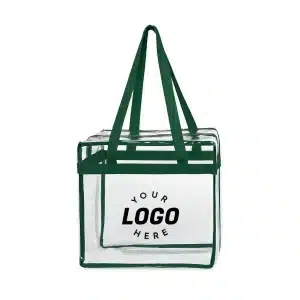
Using clear bags for storage boosts visibility, but a structured system is essential to reduce picking errors and speed up fulfillment. This usage guide offers a framework for warehouse managers to build an efficient, easy-to-navigate inventory system that leverages visual cues.
We cover key decisions like using color-coded handles for categorization, choosing between stickers and insert cards for labeling, and optimizing shelf space with proper stacking. These steps help managers create a faster, more accurate workflow for their teams.
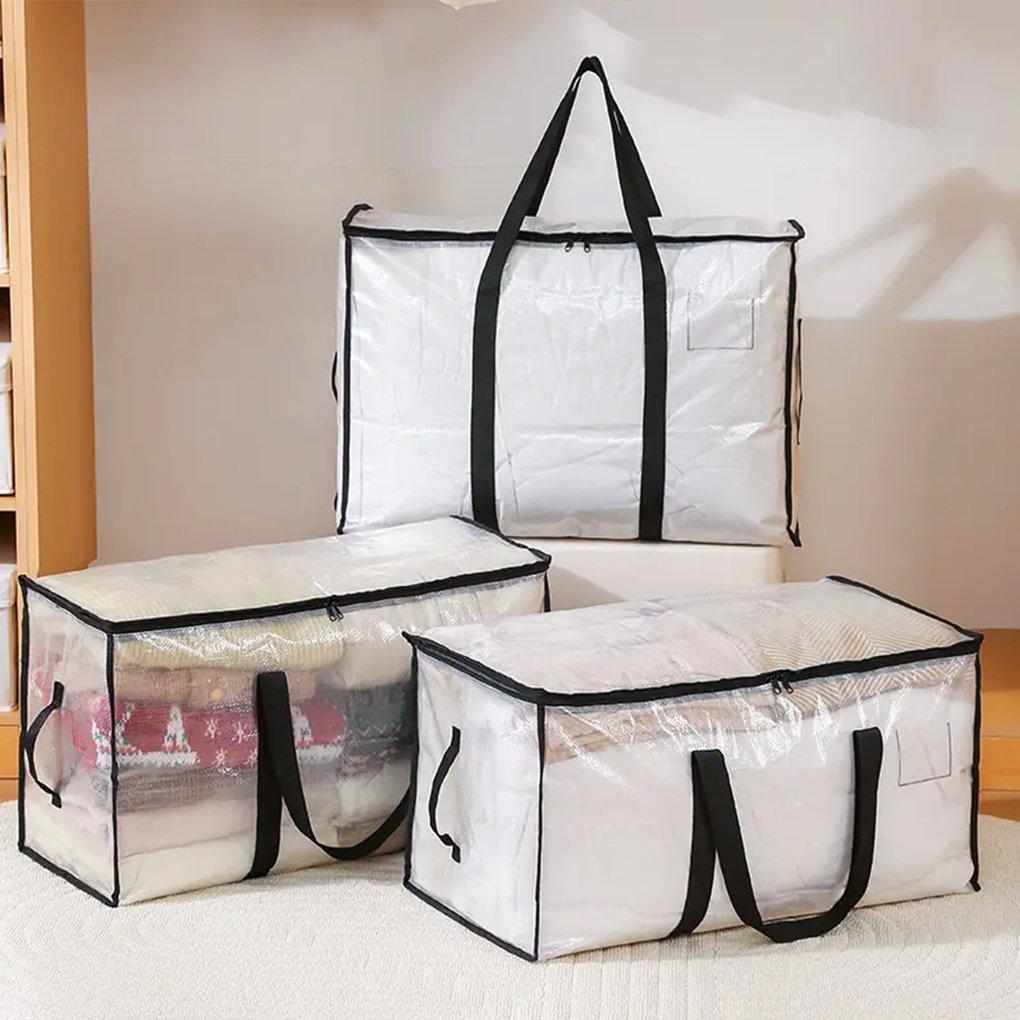
The “Visual Warehouse” Concept: Speeding Up Picking
A visual warehouse uses 3D mapping, real-time visualization, and guided technologies to boost picking speed. It creates digital maps that allow management systems to calculate the most efficient routes for pickers, increasing productivity by 2-3x and reducing travel time, which often accounts for 60% of manual picking.
What Defines a Visual Warehouse?
A visual warehouse transforms the physical space into a dynamic digital model, often called a “digital twin.” This model serves as the command center for optimizing how workers move and interact with inventory. The core idea is to eliminate guesswork and inefficient travel paths.
- ✅ Digital Mapping: The system leverages 3D mapping and real-time visualization to create a precise digital replica of the warehouse, including aisles, racks, bins, and inventory locations.
- ✅ Guided Workflows: A Warehouse Management System (WMS) analyzes incoming orders and calculates the most efficient picking path for workers, sending clear, step-by-step instructions to their devices.
- ✅ Real-Time Visibility: Managers gain a live view of operations, allowing them to monitor progress, identify bottlenecks, and adjust workflows on the fly.
Data-Backed Benefits for Picking Operations
Implementing visual guidance and optimized routing delivers measurable improvements across key performance indicators. The primary goal is to minimize non-value-added activities, especially travel time.
| Area of Improvement | Quantifiable Impact |
|---|---|
| 🚀 Productivity Gains | Pick-to-light and pick-to-color systems can increase picking productivity by 2-3 times compared to traditional paper-based methods. |
| ⏱️ Travel Time Reduction | Optimized routes significantly cut down on travel, which can account for up to 60% of a picker’s time in manual systems. |
| 💰 Labor Cost Savings | Strategic slotting based on visual data can decrease labor costs by nearly 20% by placing high-velocity items in easily accessible locations. |
| ✅ Error Reduction | Guided systems with illuminated indicators at each pick location minimize mistakes and dramatically improve order accuracy. |
Core Technologies and Integrated Strategies
A successful visual warehouse relies on a combination of hardware, software, and smart operational strategies. These elements work together to create a cohesive and efficient picking environment.
- Visual Guidance Systems: These are direct-to-worker tools that simplify decision-making. Common examples include pick-to-light, which uses illuminated buttons to show the correct item and quantity, and pick-to-color, which assigns colors to different orders in a batch.
- Optimized Picking Methods: Technology enables more advanced picking strategies. This includes zone picking (workers stay in dedicated areas), batch picking (a worker picks multiple orders at once), and wave picking (orders are grouped and released in scheduled waves).
- Digital Scenario Planning: Managers can use the digital twin to run “what-if” analyses. Before physically moving a single rack, they can test new layouts, slotting strategies, or workflow changes to predict the impact on productivity and choose the best option.
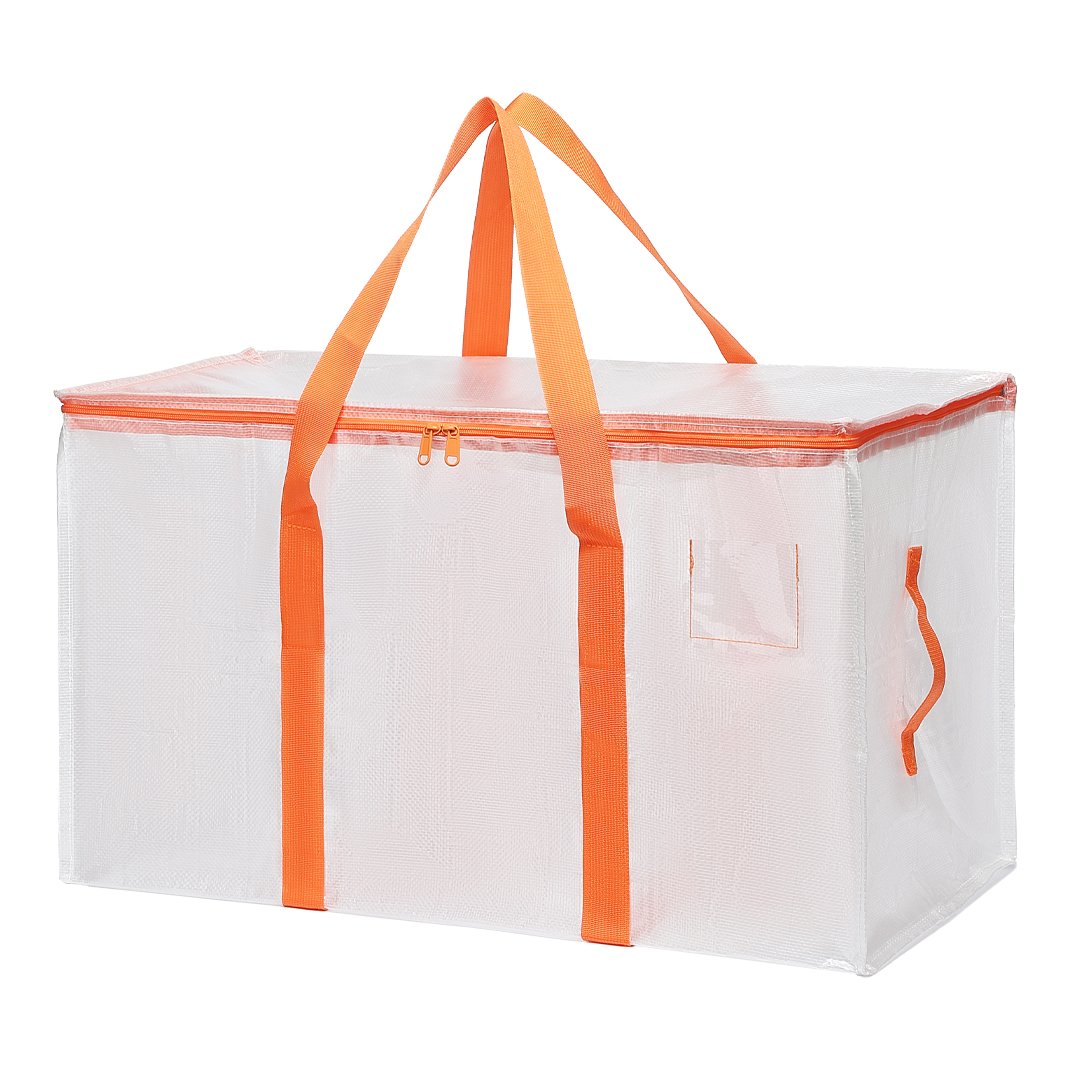
Categorization Hacks: Color Coded Handles or Tags?
The choice between color-coded handles and tags for warehouse categorization depends on operational needs. Handles offer durable, permanent visual cues for equipment, while tags provide flexible, low-cost solutions for changing inventory. Both methods aim to reduce errors and speed up sorting.
Key Benefits of Warehouse Color Coding
Implementing a color-coding system moves your warehouse beyond simple text-based labels into a more intuitive, visual language. This simple change can produce significant operational gains by making complex environments easier to navigate at high speed.
- ✅ Reduces Human Error: Clear visual cues are faster for the brain to process than reading text, minimizing mistakes in picking, sorting, and putaway tasks.
- ✅ Improves Speed: Staff can identify product categories, zones, or specific equipment like heavy-duty moving bags instantly, accelerating workflow and reducing dwell time.
- ✅ Enhances Safety: Colors can be used to designate hazardous materials, equipment requiring special handling, or restricted access zones, creating a safer environment.
- ✅ Increases Accessibility: At-a-glance identification helps staff distinguish between similar-looking SKUs or containers quickly, which is critical in fast-paced fulfillment operations.
Comparative Analysis: Color-Coded Handles vs. Tags
Both handles and tags serve the same core purpose, but they excel in different scenarios. The right choice depends on what you are labeling—permanent equipment or dynamic inventory.
In our experience manufacturing custom storage bags, we’ve seen clients use our multi-color handle options to build robust, long-term organizational systems right into their equipment.
| Attribute | Color-Coded Handles | Color-Coded Tags |
|---|---|---|
| Durability | 🚀 Excellent. Handles are an integrated, permanent part of equipment. We use double-stitched webbing in materials like PP and Nylon to ensure they withstand heavy use without fading or tearing. | ⚠️ Fair. Tags can tear, fade, or fall off. They require regular inspection and replacement, especially in high-traffic areas. |
| Flexibility | ❌ Low. Because they are permanent, handles are not suited for inventory or locations where classifications change frequently. | ✅ High. Tags are easy to change, making them perfect for dynamic inventory, seasonal items, or evolving categorization schemes. |
| Cost | Higher upfront investment integrated into the equipment cost. Long-term cost is minimal as they don’t require replacement. | Lower initial cost for tags and fasteners. Ongoing costs include labor for replacement and the price of new tags. |
| Best Application | Permanent fixtures like totes, carts, and custom moving bags assigned to specific zones, product lines, or departments. | Individual SKUs, product batches, pallet locations, and shelving where contents or classifications change often. |
Implementation Best Practices
A successful color-coding system is built on clarity and consistency. Without a well-defined plan, even the best intentions can lead to confusion. Follow these steps to deploy a system that works.
- Design a Clear Scheme: Document what each color means. Assign specific colors to zones, product types, material status (e.g., QC Hold, Ready to Ship), or priority levels. Make this guide easily accessible to all staff.
- Ensure Consistency: Apply the color codes uniformly across the entire facility. If red handles signify the “Apparel” zone, all bags and carts used for apparel should have red handles. This removes ambiguity.
- Train Your Staff: Conduct training sessions to explain the system’s logic and benefits. Run periodic refreshers and include the color-coding guide in the onboarding process for new hires.
- Integrate with Technology: 💡 For maximum accuracy, pair your color codes with a WMS. A simple scan of a barcode or RFID chip can confirm the item matches its color-coded location, creating another layer of error-proofing.
The Optimal Strategy: A Hybrid Approach
You don’t have to choose between handles and tags. The most efficient warehouses often use a hybrid system that leverages the strengths of both methods. This approach balances long-term durability with day-to-day flexibility.
By combining permanent and temporary visual cues, you create a robust, multi-layered organizational system that is both stable and adaptable.
- 1️⃣ Use color-coded handles for permanent assets. Assign custom bags, totes, and carts with specific handle colors to certain departments, outbound routes, or value streams. This creates a durable, foundational structure for your logistics.
- 2️⃣ Use color-coded tags for dynamic inventory. Apply flexible tags to shelving, pallets, and individual product groups that change frequently. This allows you to adapt to new SKUs, seasonal shifts, and process changes without overhauling your core system.
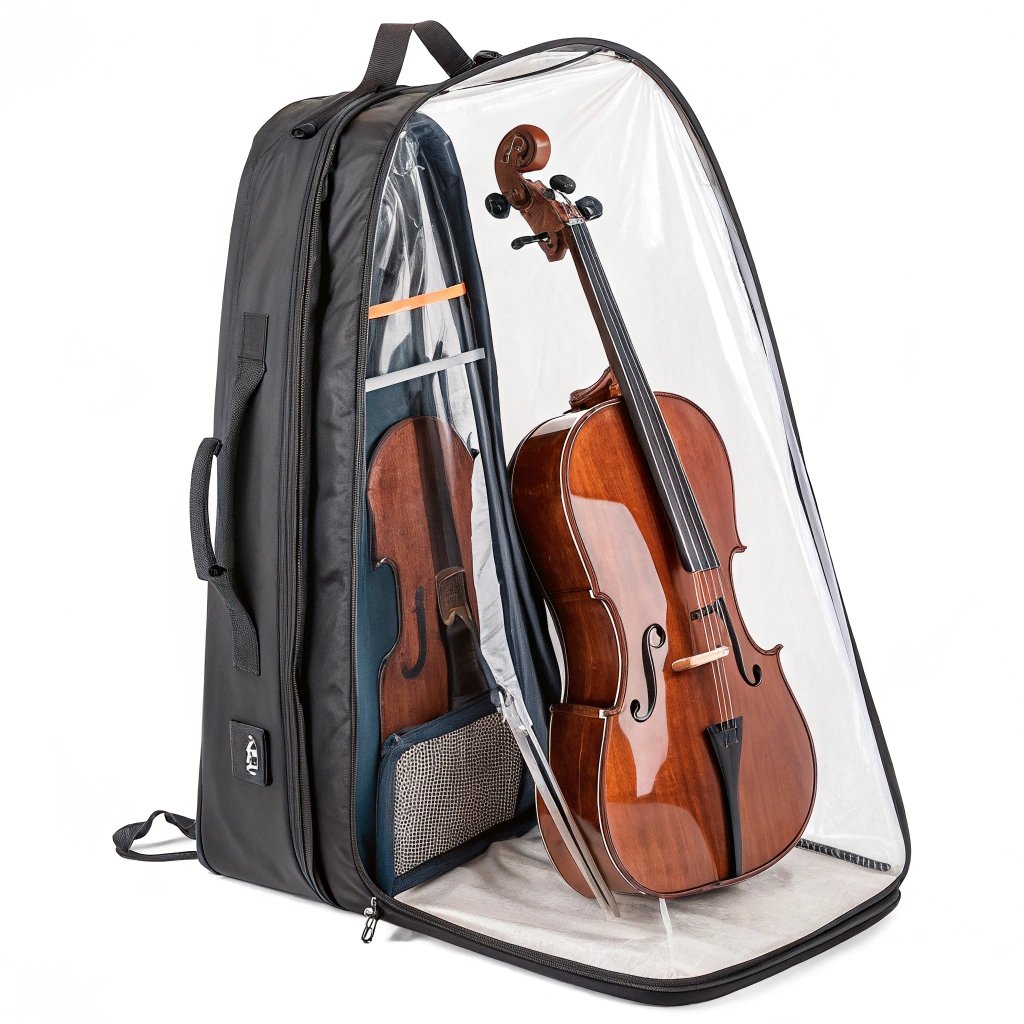
Labeling Clear Bags: Stickers vs. Insert Cards
When labeling clear bags, stickers offer a cost-effective, self-adhesive solution applied directly to the bag’s exterior, ideal for fast application. Insert cards use a bag’s reinforced lip to place information inside, protecting it from external damage and offering a cleaner look.
Stickers: Direct and Permanent Adhesion
Stickers are a straightforward labeling method, providing high-visibility information directly on the bag’s exterior. In warehouse settings, these aren’t your typical paper labels. We commonly produce them from Biaxially Oriented Polypropylene (BOPP), a material chosen for its resilience.
- ✅ Durable Material: BOPP resists moisture, tears, UV exposure, and even freezing temperatures, ensuring labels remain intact and scannable.
- 💡 High Visibility: Perfect for displaying logos, barcodes, or critical product information that needs to be seen at a glance during handling.
- 💰 Cost-Effective: A simple and economical choice, with unit costs typically ranging from £0.25 to £1.00 depending on size and order volume.
Insert Cards: Protected and Versatile Information
Insert cards work with bags that feature a specially designed reinforced lip or pocket. Instead of adhering to the outside, the card slips securely inside this feature. This method shields the information from the wear and tear of logistics.
- ✅ Maximum Protection: The label is protected from scuffs, moisture, and dirt during storage and transit, preventing lost information.
- ✨ Clean Appearance: Keeps the bag’s exterior free of any labels, offering a professional and uncluttered aesthetic.
- 🚀 Multi-Functional: The pocket can hold more than just a label. It’s useful for including packing slips, marketing materials, or return instructions without cluttering the package.
Operational Comparison for Warehouse Managers
Choosing the right method depends on your operational priorities. Here’s a direct comparison of how stickers and insert cards perform in a busy warehouse environment.
| Factor | Stickers | Insert Cards |
|---|---|---|
| Durability | ✅ Superior resistance to external environmental factors like moisture and abrasion due to BOPP material. | Protected by the bag itself. Durability depends entirely on the bag’s integrity and material strength. |
| Application Speed | 🚀 Faster application. The peel-and-stick process is quick and easily integrated into packing workflows. | Adds an extra step to the packing process, requiring workers to slide the card into the designated slot. |
| Aesthetics | Provides immediate, external branding and information visibility. Can sometimes appear cluttered. | Maintains a clean, uncluttered external appearance for a more premium or minimalist look. |
| Cost | Economical, especially for large quantities. Per-unit cost drops significantly with bulk orders. | Also very economical. The cost of the card stock is low, and bulk printing offers major savings. |
Engineer Custom Heavy-Duty Bags for Your Brand
Outfit your team with heavy-duty moving bags engineered to handle 25 kg loads. We offer full OEM customization, including logo printing, to reflect your brand’s standards. Receive a free digital mockup within 12 hours to finalize your design. With low MOQs and fast production, we make sourcing reliable, branded storage simple.


Shelf Optimization: Stacking Bags to Save Space
Quick Answer: Shelf optimization through strategic stacking maximizes warehouse capacity by utilizing vertical space. Key methods include using taller racks, high-density systems like double-deep racking, and organizing product placement, which can significantly reduce floor space requirements and improve inventory management.
Utilizing Vertical Space for Maximum Capacity
The most direct way to increase storage capacity without expanding your warehouse footprint is to build upwards. Using a facility’s full cubic footage is a core principle of efficient inventory management. For every six feet of vertical space you add to a racking system, you can often store an entire additional pallet’s worth of inventory.
This vertical approach directly lowers operational costs by maximizing the value of your existing floor space. 💡 In our experience, using storage containers with inherent structural integrity is key. Our extra-large moving bags are designed with a sturdy, box-like frame that allows them to be stacked safely and efficiently, even without extensive shelving for certain types of goods.
Key Stacking Techniques and Systems
Choosing the right stacking method depends on your inventory type, turnover rate, and budget. Each system offers a different balance of density, accessibility, and cost.
- ✅ Block Stacking: This is the most cost-effective technique, as it requires no racking systems. You simply stack inventory in blocks on the floor. It’s ideal for uniform, sturdy product containers like our heavy-duty moving bags, which are built to handle loads up to 25 kg and maintain their shape.
- 🚀 Double-Deep Racking: This system places one row of racks behind another, increasing pallet storage capacity by 20-40% compared to standard single-deep layouts. It’s a great way to boost density but reduces direct access to rear pallets.
- 🛡️ Stacking Accessories: Using tools like stackable racks, pallet collars, or frames prevents products from shifting. This ensures safer, more organized high-density storage. Our bags often serve this function directly, as their reinforced construction prevents crushing and maintains a stable stack.
Optimizing Layout: Aisle Widths and Product Placement
A well-planned layout balances storage density with operational workflow. Aisle width is a critical factor and must be matched to your material handling equipment. Narrowing aisles can dramatically increase storage space, but requires specialized forklifts.
| Equipment Type | Typical Aisle Width Requirement | Best For |
| Very Narrow Aisle (VNA) Forklifts | 1.5 – 1.8 meters | Maximum space utilization |
| Standard Forklifts | 2.5 – 3.5 meters | General purpose, high accessibility |
| Manual Picking / Hand Carts | 0.9 – 1.2 meters | Pedestrian-only zones, small item picking |
Beyond aisle width, strategic product placement reduces travel time and improves efficiency. Place high-turnover goods near shipping and receiving areas to streamline picking. Low-turnover items can be stored on higher shelves or in less accessible locations. Using bags with clear panels allows for quick content identification, which is especially useful for items stored on upper-level racks.
Seasonal Rotation: How Clear Bags Make It Easy
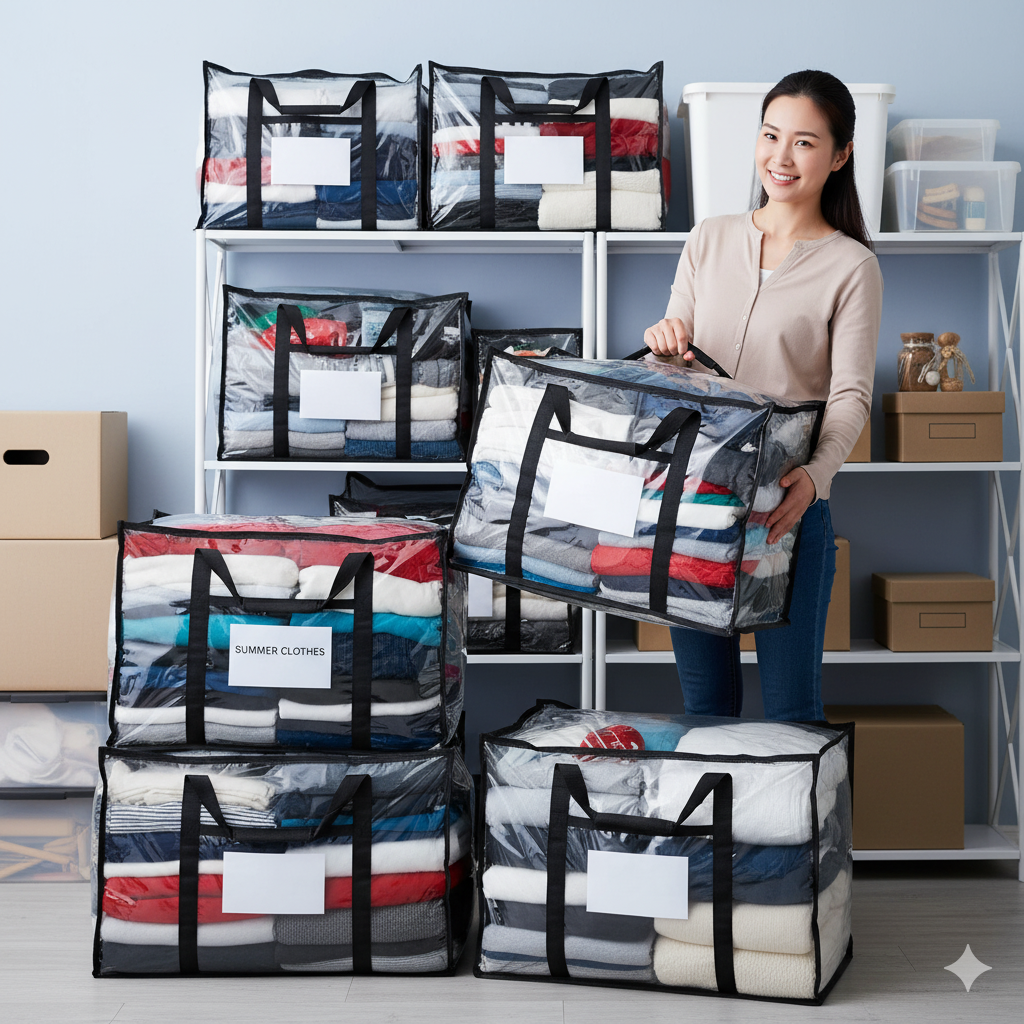
Clear bags streamline seasonal rotation in warehouses by offering instant content visibility, which reduces search times and picking errors. Their durable, stackable design with reinforced handles also simplifies the physical process of moving and organizing off-season stock.
The Visibility Advantage in Seasonal Swaps
In a busy warehouse, time spent searching is time wasted. Traditional opaque boxes or bins force staff to open lids, read small labels, or rely on memory to locate seasonal inventory. Clear storage bags remove this friction entirely.
The ability to see contents at a glance dramatically speeds up the entire rotation process. Teams can quickly pull last season’s items for storage and locate the new season’s stock without guesswork.
- ✅ Instant Identification: Eliminates the need to open containers, reducing handling time and disruption.
- 🚀 Fewer Picking Errors: When staff can visually confirm the contents, the chance of pulling the wrong SKU drops significantly.
- 💡 Simplified Audits: Cycle counts and inventory checks become faster and more accurate, as stock can be verified without unsealing or moving every container.
Key Features for Warehouse Durability
Consumer-grade bags won’t survive a professional logistics environment. Professional bags are engineered for repeated, heavy use in warehouses, incorporating features designed for strength and efficiency.
The right materials and construction are critical for handling bulk seasonal items like winter apparel, bedding, or holiday decor.
- Heavy-Duty Construction: Built from materials like Woven PP with a waterproof PE coating, these bags are designed to handle loads of 20-25 kg without tearing or failing.
- Reinforced Handles: Double-stitched webbing for handles, often with both side grips and shoulder straps, ensures safe transport whether moving bags by hand or with equipment.
- Stackable Design: A sturdy, rectangular frame allows the bags to be stacked neatly on pallets or shelving. This structure prevents sagging and maximizes the use of vertical storage space.
Streamlining the Physical Rotation Process
A bag’s design directly impacts the physical effort required to manage seasonal inventory. The goal is to make moving and storing items as simple and secure as possible.
Beyond visibility, features that protect contents and simplify handling are essential for long-term storage.
- Easy Handling: While strong, materials like Woven PP are also lightweight, making the bags easy to manage even when empty.
- Secure Storage: Heavy-duty zippers seal contents away from dust and pests. Waterproof coatings protect valuable textiles and apparel from moisture damage during months in storage.
- Reusability: Unlike cardboard boxes that crush, weaken when damp, and need frequent replacement, high-quality bags are a lasting investment. They can be used season after season, offering a more sustainable and cost-effective solution for inventory management.

Frequently Asked Questions
How to organize inventory in a warehouse?
To organize your warehouse effectively, start by classifying inventory using ABC analysis. Place high-demand items (Category A) in the most accessible locations to minimize travel time for your team. Implement a zone-based system to logically group similar items and use vertical space with tall shelving or multi-tier racking to maximize storage capacity. A Warehouse Management System (WMS) ties it all together by enabling real-time tracking, optimizing storage allocation, and streamlining workflows.
What is the best labeling system for storage bags?
The industry standard is a barcode labeling system. Barcodes allow for fast, accurate scanning that integrates directly with your WMS, reducing manual errors. You can enhance this system with color-coding for quick visual categorization of products or zones. For harsh or demanding environments, consider weather-resistant RFID tags to automate data collection and ensure consistent tracking accuracy.
How should I stack clothes for storage?
The most effective method is file-folding, where clothes are folded into compact rectangles that stand upright in drawers or bins. This approach allows you to see every item at once, which makes selection faster and prevents the disorganization that comes from digging through a pile. Using this technique can increase your drawer or bin storage capacity by up to 50% compared to traditional stacking.
Should I organize with clear bins or bags?
For most warehouse needs, clear plastic bins are the superior choice. They are durable, stackable, and protect contents from dust and moisture. Most importantly, their transparency allows for quick visual identification of contents, which streamlines inventory checks and picking processes. Bags are better suited for specific applications, like long-term storage of seasonal clothing and bedding, but they lack the durability and structure for general inventory management.
What are some effective warehouse storage hacks?
- ✅ Optimize Vertical Space: Use tall shelving or mezzanines. This can save up to 90% of your warehouse floor space.
- ✅ Implement ABC Analysis: Strategically slot high-demand items near shipping areas to reduce employee walking distance and fulfillment times.
- ✅ Use Color-Coded Labeling: Create a comprehensive labeling system with color codes to reduce picking errors and speed up retrieval times.
How can I keep track of inventory manually?
⚠️ Manual tracking involves using pen and paper or spreadsheets to record stock levels and movements. This method is only suitable for very small businesses, as it is highly prone to human error, time-consuming, and extremely difficult to scale as your business grows. Transitioning to an automated system can save up to 95% of the time your team would otherwise spend on manual data entry and correction.

Final Thoughts
Organizing with clear bags is more than a storage tactic; it’s a system for operational clarity. By combining instant visibility for seasonal rotations with smart categorization—like color-coded handles and durable labels—you empower your team to locate items faster. When paired with proper stacking techniques and clear staff training, these elements transform your physical space into a more intuitive and efficient environment.
Ultimately, these methods reduce picking errors, accelerate fulfillment, and maximize your warehouse footprint. Equipping your team with well-designed storage solutions turns inventory management from a daily cost center into a strategic asset. A smarter storage system doesn’t just hold products; it supports operational excellence and business growth.

0 Comments