



custom tote bag specs is the first checkpoint buyers should lock before they approve a supplier, budget, or production slot. The gap between what a spec sheet promises and what actually lands in the container is where most $50,000 custom tote bag orders go sideways. Such occurrences have been observed countless times: a buyer approves a pre-production sample that looks perfect under the showroom lights, then the bulk shipment arrives with fabric that feels thinner, a print that’s shifted two millimeters off-register, and handles that start pulling at the seams after three uses. The spec sheet said 340 GSM. The actual fabric measured 290 GSM. The factory blamed the variance on “normal production tolerance.” The buyer blamed themselves for not specifying the acceptable range upfront.
That’s the real cost of treating custom tote bag specs as a formality rather than a contract. When you’re sourcing for a retail brand, every unit that doesn’t match the approved sample chips away at your margin and your reputation. The factories I’ve worked with across a dozen countries all have the same capability on paper. The difference comes down to which details you lock down before the ink dries on the purchase order. GSM tolerance, print registration, thread count per inch, handle reinforcement type — these aren’t just technical footnotes. They’re the difference between a tote that sells at full retail and one that ends up in the discount bin.
Understanding Custom Tote Bag Specifications
A spec sheet without tolerances is just a wish list.
I’ve watched retail merchandisers approve a pre-production sample, then open the bulk shipment to find bags that feel thinner, print colors shifted dull, or handles sewn at a different angle. The root cause is almost always the same: the spec sheet looked complete but lacked enforceable tolerances. If you’re sourcing custom tote bags for a brand launch, three numbers matter more than any others — GSM, denier, and dimensional tolerance.
- GSM (grams per square meter):This is the fabric weight. For a standard canvas tote that holds groceries or promo materials without sagging, look for 200–240 GSM. Anything below 180 GSM feels flimsy and won’t hold shape after a few washes. The factory uses 210 GSM as the baseline for retail-grade totes because it balances drape with durability — heavy enough to carry a 15-lb load but not stiff like industrial sackcloth.
- Denier (D):If your material is nylon or polyester rather than cotton canvas, denier replaces GSM as the primary metric. A 600D polyester tote will outlast a 300D version by roughly 2x in abrasion tests. For premium retail totes that need to survive repeated use by customers, 600D is recommended as the minimum. Some suppliers push 420D as ‘heavy duty’ — it’s not.
- Weight tolerance ±5%: Industry standard on GSM is plus or minus five percent. That means a bag spec’d at 210 GSM can legally land between ~200 and ~220 GSM. If your brand depends on consistent hand-feel across batches — say you’re gifting these at trade shows — request ±3% tolerance with an extra QC fee. Most factories will quote it if you ask; they just won’t offer it unprompted.
| Feature | Specification | Advantage | Best Practice | ||||||||||||||||||||||||||||||||||||||||||||||||||||||||||||||||||||||||||||||||||||||||||||||
|---|---|---|---|---|---|---|---|---|---|---|---|---|---|---|---|---|---|---|---|---|---|---|---|---|---|---|---|---|---|---|---|---|---|---|---|---|---|---|---|---|---|---|---|---|---|---|---|---|---|---|---|---|---|---|---|---|---|---|---|---|---|---|---|---|---|---|---|---|---|---|---|---|---|---|---|---|---|---|---|---|---|---|---|---|---|---|---|---|---|---|---|---|---|---|---|---|---|
| Material Weight (GSM) | 140-200 GSM (standard), 200-300+ GSM (heavy-duty) | Determines bag structure and durability; higher GSM resists sagging | Specify ±5% tolerance; ±3% available with QC fee for premium lines | ||||||||||||||||||||||||||||||||||||||||||||||||||||||||||||||||||||||||||||||||||||||||||||||
| Material Type | Canvas (cotton/poly), Woven PP, Oxford fabric, Non-woven | Canvas delivers premium retail feel ; Woven PP offers industrial tear resistance
<< td = “” style = “padding : 12 px 15 px ; border : 1 px solid # e e e e ; color : #333” >180 GSM + cotton canvas absorbs screen prints best for retail branding< / td >
<< tr = “” >
<< td = “” style = “padding : 12 px 15 px ; border : 1 px solid # e e e e ; color : #333” >Custom Dimensions< / td >
<< td = “” style = “padding : 12 px 15 px ; border : 1 px solid # e e e e ; color : “#333″>Standard (15″x15″x6”) or fully custom sizes
<< td = “” style = “padding : 12 px 15 px ; border : 1 px solid ##eeeeee ; color : ##333” >Custom sizing ensures perfect fit for your product or promotional need< / td >
<< td = “” style = “padding : 12 px 15 px ; border : 1 px solid ##eeeeee ; color : ##333” >Standard sizes reduce MOQ and lead time ; custom adds2 -3 weeks< / td >
<< tr = “” >
<< td = “” style = “padding : 12 px 15 px ; border : 1 px solid ##eeeeee ; color : ##333” >Handle Reinforcement< / td >
<< td = “” style = “padding : 12 px 15 px ; border : 1 px solid ##eeeeee ; colour : ##333” >Double – stitched cotton webbing, PP, or rope handles< / td >
<< td = “” style =” padding : 12 px 15 px ; bordure : 1 pixel solide ##eeeeee ; couleur : ##333″>Reinforced handles increase safe load capacity to20+ kg< / td >
<< td =” ” stylen =” padding : 十二 像素 十五 像素 ; 边框 : 一 像素 实心 #eeeeee ; 颜色 : #333″>Bar – tack stitching at stress points for premium retail durability< / td >
<< tr =” “>
<< TD stylen =” padding : 十二 像素 十五 像素 ; 边框 : 一 像素 实心 #eeeeee ; 颜色 : #333″>Printing Method< / TD >
<< TD stylen =” padding : 十二 像素 十五 像素 ; 边框 : 一 像素 实心 #eeeeee ; 颜色 : #333″>Screen printing, Embroidery, Heat transfer, Digital printing< / TD >
<< TD stylen =” padding : 十二 像素 十五 像素 ; 边框 : 一 像素 实心 #eeeeee ; 颜色 : #333″>Screen printing is cost – effective for bold logos; embroidery adds premium feel< / TD >
<< TD stylen =” padding : 十二 像素 十五 像素 ; 边框 : 一 像素 实心 #eeeeee ; 颜色 : #333″>Screen print on canvas for500+ units; embroidery doubles unit cost< / TD >
“`
 Key Specs: GSM, Denier, and Material Choices for Durability
If you’re a retail brand merchandiser sourcing custom tote bags, the first three numbers on any spec sheet should be GSM, denier, and material type. Skip understanding these and you’ll approve a sample that feels right but fails after ten uses — or worse, one that looks flimsy on the shelf despite passing your hand test. GSM (grams per square meter) measures fabric density. For canvas totes, 140 GSM is entry-level — suitable for lightweight giveaways or single-use promo bags. At 200 GSM, you get a mid-weight fabric that holds shape and handles a few grocery runs. Above 280 GSM, you’re in heavy-duty territory: structured totes that stand upright, resist sagging under load, and carry branding with a premium hand-feel. If your product bible calls for industrial-grade durability, never approve below 240 GSM.
One insider trap: some factories quote a higher GSM but use loosely woven yarns to hit the number cheaply. The bag weighs right but distorts under load because thread count is low. Always ask for both GSM and thread count (ends per inch) on woven fabrics. If they can’t provide both, request a pre-production sample before committing to bulk.
Standard vs. Custom Dimensions: Finding the Right Size for Your Brand
Every retail brand merchandiser I’ve worked with eventually faces this fork: pick a standard size off the spec sheet and save on MOQ, or go custom and own the shelf. The advice you’ll read everywhere is ‘custom always wins.’ That’s half-true at best. I’ve seen a $50K order go sideways because the pre-production sample looked right, but the mass production run came back 2 cm shorter on the gusset — just enough to make the brand’s gift box insert bulge. The buyer had approved a standard 38×42 cm tote thinking it would fit their custom insert. It didn’t. That’s the real cost of guessing dimensions. Here’s the factory reality: standard tote bag dimensions — like 38x42x10 cm for a mid-size canvas tote or 30×40 cm for a lightweight shopping bag — are built around common cutting dies and automated sewing jigs. That’s why standard sizes can drop your unit cost by 12–18% compared to a true custom cut. But standard dimensions also mean your bag competes on price and print alone, not on fit. If your brand sells a product that needs a specific internal volume — say, a wine bottle carrier or a tablet sleeve — standard dimensions will force you to compromise on the insert or the bag’s look.
For a retail brand merchandiser launching a seasonal line, starting with a standard size that’s close to your ideal volume is recommended, then using print placement and handle style to create visual differentiation. Reserve custom dimensions for your hero SKU — the one that sits in a branded box or needs to fit a specific insert. The rest of the line can share a common blank. That’s how you balance margin with shelf presence without burning your budget on retooling fees.
Printing and Branding Options for Custom Totes
I’ve seen retail merchandisers approve a beautiful PMS-matched screen print on a pre-production sample, only to have the mass production run show a 15% shift in hue because the factory used a different mesh count or ink viscosity. That’s not a supplier problem — that’s a spec problem. The spec sheet must define print method, ink type, color standard (PMS or CMYK), and acceptable tolerance before sign-off on any bulk order.
Screen Printing vs. Embroidery vs. Heat Transfer
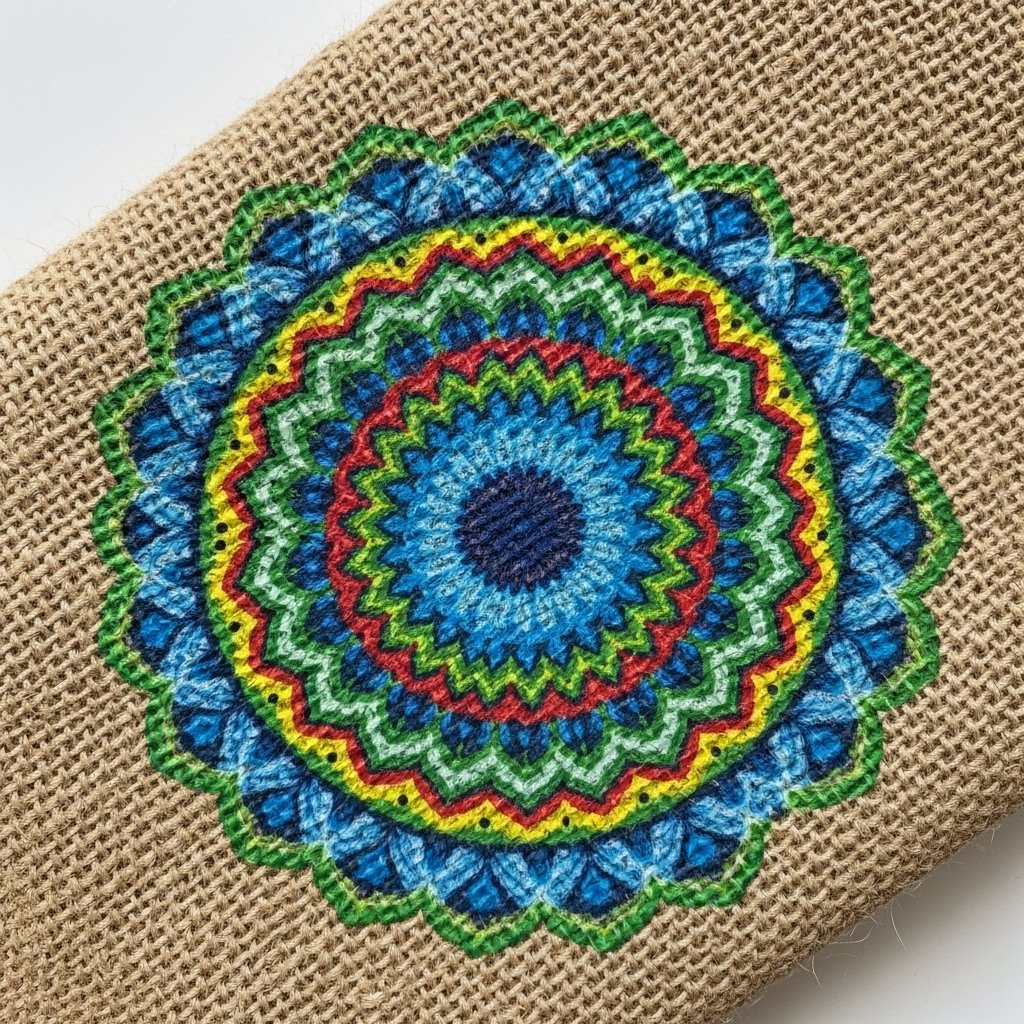
Screen printing is the default for tote bags with bold logos on canvas. It deposits thick ink directly into the fabric, giving you solid color coverage at around $0.50–$1.50 per bag depending on color count and volume. Embroidery adds a premium hand-feel but doubles the unit cost — expect $2.00–$4.00 per bag for a standard logo. Heat transfer (DTF or vinyl) sits in between, offering full-color photo prints at $1.00–$2.50 per bag, but adhesion on textured canvas is hit or miss.
If you’re a retail brand merchandiser evaluating screen print vs embroidery tote cost, the real differentiator is brand perception. A screen-printed logo works for promotional giveaways. Embroidery signals quality — think premium retail, corporate gifts, or limited editions. Just don’t skip the pre-production sample. I’ve seen PMS-matched screen prints arrive three shades off because the ink dried differently on the fabric. Always request a physical sample under the same production conditions before approving the batch. That’s the only way to catch color accuracy issues before they hit your container. Custom Tote Bag Specifications: A Factory Guide Browse this product, solution, or service page to explore relevant offerings. 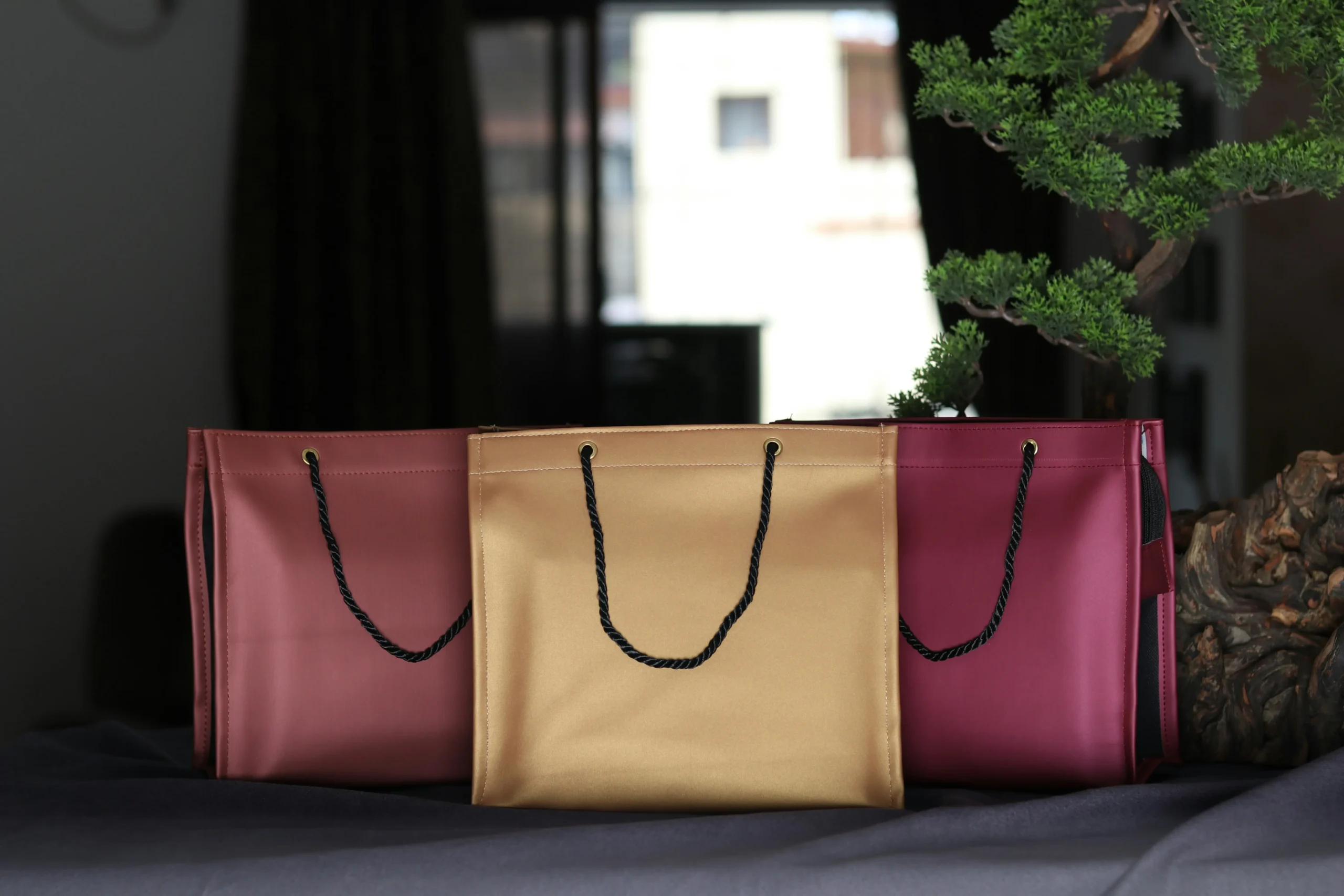 Color Matching: CMYK, PMS, and Pre-Production Samples
The most common call I get from brand merchandisers goes something like: ‘The bulk totes arrived, and the logo is a completely different shade than the pre-production sample.’ That $50K order now sits in a warehouse because the PMS 186C red you approved looks like a faded brick under warehouse lighting. The root cause is almost always the same: color approval was done from a PDF or a digital rendering, not from a physical sample printed on the actual substrate. CMYK is your computer screen’s language. It works for brochures and web graphics. But when you’re printing a brand logo on a 600 GSM canvas tote, the ink absorption, fabric texture, and dye lot all shift the final color. That’s why professional PMS (Pantone Matching System) coordinates exist. They give both the factory and the buyer a fixed reference point. But even a PMS number is only a starting point — the actual color on fabric depends on the material’s base color, weave density, and finishing chemicals.
If your supplier says ‘the color is fine’ based on a PDF or a photo they sent over WhatsApp, you are looking at a return or a discount negotiation. Always hold the physical sample in your hand, under your lighting, before signing off on the bulk run. That single step separates a professional retail brand from a buyer who learns the hard way. Factory Minimum Order Quantities (MOQ) Explained
The first question every retail brand merchandiser asks when they see a factory price sheet: ‘How many do they have to buy?’ But MOQ isn’t a single number. It’s a function of three variables—material, size, and print complexity—and understanding how each shifts the minimum is what separates a buyer who gets stuck with dead stock from one who negotiates efficiently. For standard 10 oz canvas totes with a one-color screen print on the front face, most direct factories (including ours) will run an MOQ of 500–1,000 pieces. That’s the sweet spot where setup costs for cutting dies, screen frames, and thread color changes get absorbed without inflating unit price. Change any one variable—switch to 14 oz canvas, add an inside pocket, or request PMS-matched ink instead of stock colors—and that minimum jumps to 2,000 units. The reason isn’t arbitrary; it’s driven by fabric yield loss during cutting (wider rolls have more waste on custom widths) and the additional setup time for color matching.
Low-MOQ options exist — but only if you stay within the factory’s existing ‘standard’ catalog dimensions and use stock thread colors (black, white, navy). For limited-edition runs under 300 pieces, ask about ‘sample-run pricing’: you’ll pay closer to FOB cost plus full setup fees (no volume discount), but it keeps your cash exposure low while testing sell-through before committing to bulk reorders. How MOQ Varies by Material, Size, and Print Complexity
Most suppliers quote a blanket MOQ, but that number shifts depending on three variables: what you’re building, how big it is, and how you’re branding it. For a retail brand merchandiser, understanding these levers means you can negotiate smarter—or avoid paying for capacity you don’t need.
One insider note: if you’re doing PMS color matching for a brand logo, the factory will typically run a pre-production sample to verify the ink on your specific fabric. This sample is your only chance to catch color drift before bulk production. Include a ±5% GSM tolerance on the spec sheet—standard across the industry—but if you need tighter control, budget for extra QC fees. The bottom line: know your material, standardize your dimensions, and keep your print simple if you want the lowest minimum order custom tote bags.
ConclusionThe difference between a tote that elevates your brand and one that ends up in a discount bin often comes down to the last 10% of the spec sheet. Most buyers nail the GSM and the dimensions. The professionals, the ones who don’t get burned on a $50K order, are the ones who enforce a ±5% weight tolerance on the fabric, who insist on a physical pre-production sample for PMS color matching, and who understand that a simple screen print on standard canvas can unlock a lower MOQ than a custom-sized bag with embroidery. That final 10% is where your margin lives. Frequently Asked QuestionsWhat GSM do I need for a heavy-duty tote?For industrial-grade durability, you want at least 200 GSM in woven polypropylene or 600 GSM in canvas. Lower GSM works for light retail use but will tear under repeated heavy loads. Lock GSM after confirming your maximum load and handle design. What’s the difference between standard and custom dimensions?Standard dimensions reduce tooling costs and lead time because factories cut from pre-set dies. Custom sizes give you a perfect fit for your product but add a one-time die charge and. Request a dimension feasibility check before committing to a custom die. How does MOQ vary by material and print?MOQ typically ranges from 500–1,000 pieces for simple woven PP totes, but jumps to 2,000+ for complex embroidery or multi-color screen printing. If you’re a small brand, look for factories. Get a per-design MOQ quote before finalizing your color and print plan. What should I check on a pre-production sample?Inspect seam strength, stitch density, and print alignment first—these are the top failure points in bulk orders. Also measure actual dimensions against the spec sheet and test the bag under. Sign off on the sample only after load testing and dimension verification. |
See the full specification list from a real wine delivery tote bag project, including padding, base reinforcement, and handle specs.


0 Comments