

The Myth of “Waterproof” Moving Bags: What Does It Mean?
For outdoor brands, “waterproof” is often a hollow marketing claim. Sourcing a bag based on this term alone risks damaged inventory and lost customer trust. True water resistance comes from specific material technology and construction, not just a label.
We’ll compare woven polypropylene against 500D PVC tarpaulin and analyze why welded seams outperform stitched ones for water integrity. This breakdown helps you make data-driven sourcing decisions for truly weatherproof gear.
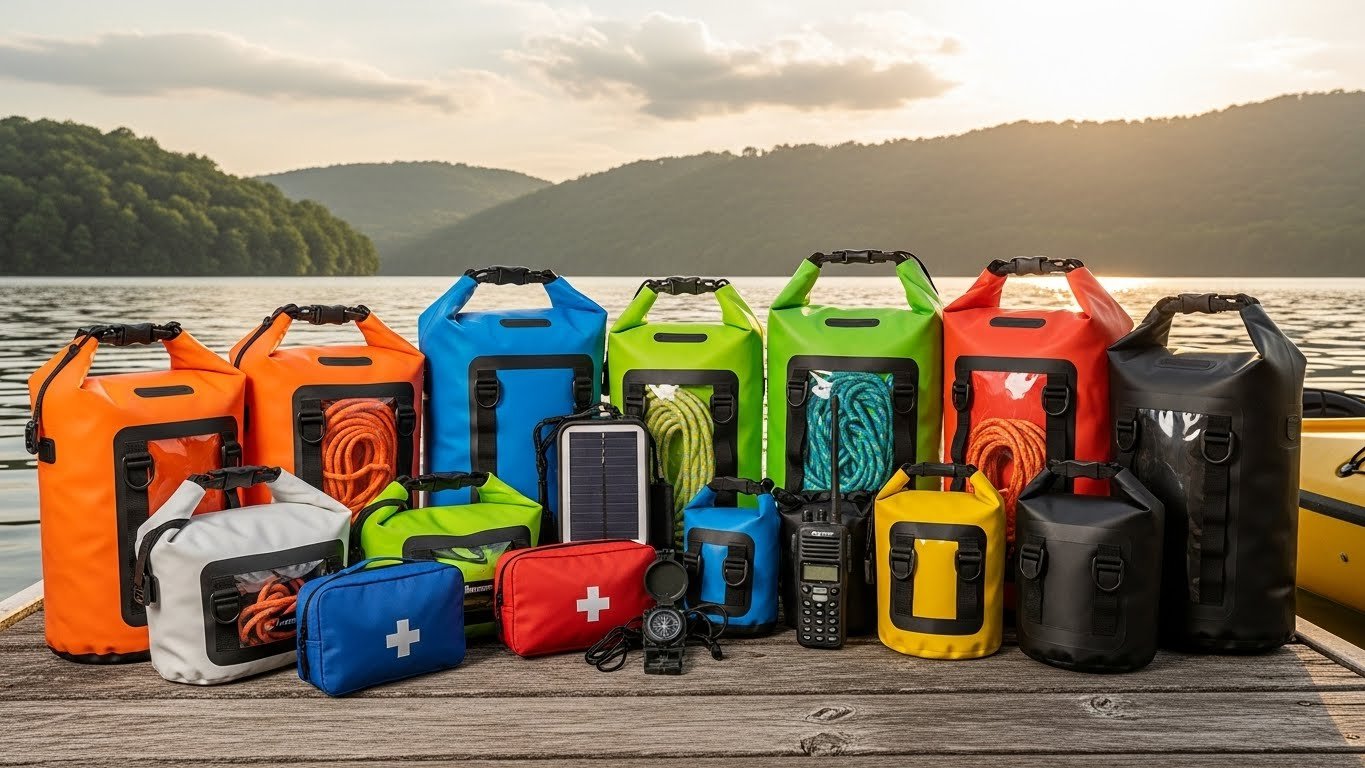
500D PVC Tarpaulin: Why Marine Cargo Needs This Material
💡 500D PVC tarpaulin is a 3-ply composite material engineered for marine cargo. Its superior waterproofing prevents moisture damage from saltwater and humidity, while its high-density polyester base offers outstanding tear resistance against the physical stresses of maritime operations, ensuring cargo remains protected.
Key Technical Specifications of 500D PVC Tarpaulin
Understanding the material starts with its technical data. These specifications define its strength, resilience, and suitability for demanding marine environments. As manufacturers of heavy-duty transport bags, we focus on these metrics to ensure reliable performance.
| Specification | Details |
|---|---|
| ✅ Fabric Composition | 3-ply composite: a 500 denier (D) high-density polyester base fabric coated with PVC on both sides. |
| ✅ Weight & Density | Typically ranges from 450 to 550 grams per square meter (gsm), balancing durability with flexibility. |
| ✅ Operational Durability | Engineered for a service life exceeding 8 years. Functions effectively in extreme temperatures from -35°C to +70°C. |
| ✅ Dimensions & Cost | Available in large seamless widths up to 5.1 meters. Priced between US$0.6-1.99 per square meter. |
Core Protective Features for Marine Environments
Marine transport exposes cargo to a unique set of hazards. 500D PVC tarpaulin is built with specific properties to counteract these threats directly, protecting assets from port to destination.
- Superior Waterproofing: The dual PVC coating creates an impenetrable barrier against moisture. This feature is critical for preventing damage from constant saltwater spray and high humidity, which can lead to rust, mold, and product degradation.
- Outstanding Tear Resistance: The high-density 500D polyester base fabric provides the structural backbone. It withstands the physical stresses of loading and unloading, including sharp impacts, abrasion from shifting loads, and tension from securing straps.
- Environmental Resilience: This material is chemically stable and resists damage from common marine and industrial substances. It holds up against degradation from UV radiation, salt spray, oil, acid, grease, and mildew, ensuring long-term reliability.
Versatile Applications in Maritime Operations
The combination of strength and flexibility makes 500D PVC tarpaulin a go-to solution for a wide range of maritime needs. Its adaptability allows it to protect different types of assets across the supply chain.
- Heavy Cargo Covers: Its primary use is covering bulk goods on container ships, flatbed trucks, and in port storage areas. It serves as an effective marine cover and can also be used to line shipping containers for an added layer of protection.
- Equipment Protection: On-deck machinery like winches, ropes, and anchor chains are constantly exposed to the elements. Using this tarpaulin to cover them prevents rust and deterioration, extending equipment life and reducing maintenance costs.
- Industrial Storage: For port facilities and coastal businesses, it offers a durable and reliable material for outdoor storage solutions. It effectively shields raw materials and finished goods from harsh weather conditions.
Cost-Benefit Analysis for Long-Term Use
While upfront cost is a factor, the true value of 500D PVC tarpaulin lies in its long-term economic benefits. It provides a high return on investment by minimizing replacement frequency and operational friction.
- 🚀 Cost-Effective Solution: With a price point of US$0.6-1.99 per square meter, the material offers premium protective performance without a premium cost. It delivers a strong value proposition for large-scale operations.
- 🚀 Long Lifespan & Low Maintenance: An expected service life of over 8 years means fewer replacements. The material is easy to clean and requires minimal upkeep, lowering the total cost of ownership significantly over its lifespan.
- 🚀 Operational Efficiency: The material is strong yet flexible, making it easy for crews to fold, carry, and deploy. This ease of handling saves valuable time and labor during fast-paced loading and unloading operations.

Welded Seams vs. Stitched Seams: The Leak Point
Welded seams fuse fabric layers with heat, creating a continuous, watertight bond free of perforations. Stitched seams use needles and thread, leaving tiny holes that are natural leak points under pressure or heavy rain, making welding the superior method for waterproof applications.
| Feature | ✅ Welded Seams | ❌ Stitched Seams |
|---|---|---|
| Waterproofing Performance | Creates a completely fused, watertight seal by melting fabric layers together. This monolithic bond eliminates any potential for leaks. | Inherently creates thousands of needle holes. These perforations allow water to penetrate, especially during heavy rain or when submerged. |
| Durability & Strength | Testing shows welded seams are consistently stronger than the original fabric. The bond becomes a single, unified piece of material. | The seam’s strength is limited by the thread and stitch density. Stress is concentrated on the thread and the weakened, perforated fabric. |
| Common Failure Points | ⚠️ Failure is linked to manufacturing errors. Too much heat can make the material brittle; too little prevents a strong bond. Requires precise process control. | ⚠️ Fails when stitch holes enlarge under stress, thread wicks moisture through the seam, or uneven stitching creates weak points that unravel. |
| Best Applications | 💡 Ideal for critical applications needing absolute waterproofing. Think heavy-duty outdoor bags, protective clothing, and industrial filtration systems. | 💡 Suited for applications where minor moisture is not a concern, budgets are tight, or a traditional aesthetic is valued. |
| Manufacturing Trade-offs | Requires a higher investment in specialized equipment and skilled operators to ensure consistent, high-quality results. | A more common and forgiving process. In our experience, achieving high strength relies on using quality thread and reinforced stitching patterns. |
How to Test Your Bag’s Waterproof Rating at Home
Testing your bag’s waterproof rating at home involves simple methods like the paper towel test or the more rigorous shower test. These techniques simulate rainfall to help you identify leaks at common weak points like seams and zippers before you rely on the bag in wet conditions.
Verifying a bag’s waterproof claims doesn’t require a specialized lab. As a manufacturer specializing in durable materials with PE coatings, we know that true water resistance comes down to fabric integrity and construction quality. These at-home tests can help you see how your bag really performs under pressure.
Key Methods for At-Home Waterproof Testing
Choose a method based on the level of water exposure you expect the bag to handle. Start with a simple test and move to more intense simulations if needed.
- The Paper Towel Test: This is a great starting point for finding minor leaks. Place dry paper towels inside the bag, focusing on corners and along the seams. Pour water over the bag’s exterior and let it sit for 5-10 minutes. Check the towels for any signs of dampness.
- The Garden Hose or Shower Test: To simulate heavy rain, line the empty bag with paper and close all zippers. Spray it with a hose or place it in the shower for 5-10 minutes. Afterward, thoroughly inspect the interior for wet spots, paying close attention to seams and zipper lines.
- The Fill with Water Test: This extreme test checks the main compartment’s integrity. Fill the bag about halfway with water, seal it, and watch for any drips forming on the outside. ⚠️ Be careful with this method, as it puts significant stress on the seams and is not suitable for all bags.
- Real-World Rain Testing: For the most authentic result, place dry contents inside the bag and leave it outside during a steady rain for at least 30-60 minutes. This will show you exactly how it holds up in natural conditions.
Essential Precautions During Testing
Protecting your bag during testing is just as important as finding leaks. Damaging the material or its coating can create new problems.
- ⚠️ Avoid Hot Water: Never use boiling or very hot water. High temperatures can weaken or melt the waterproof coating applied to fabrics like Woven PP or nylon, destroying their water-resistant properties.
- ⚠️ No Sharp Objects: Ensure there are no sharp items inside or near the bag during your tests. A stray key or tool can easily create a puncture that wasn’t there before.
- ⚠️ Dry Completely: After any water test, turn the bag inside out if possible and let it air dry completely. Storing a damp bag will lead to mold and mildew growth, which can degrade the fabric over time.
How to Interpret Your Test Results
The outcome of your test tells you what to expect from your bag and what your next steps should be. In our experience, leaks almost always occur at seams or zippers—the most complex parts of production.
- ✅ Completely Dry Interior: If the contents are bone dry, your bag’s waterproof construction is solid. It’s reliable for use in wet conditions.
- 💡 Damp Spots or Small Leaks: Dampness reveals specific weak points. A wet seam might need a new layer of sealant, while a leaky zipper might indicate a failed water-resistant coating on the zipper tape.
- ❌ Significant Water Entry: If a lot of water gets in, the bag’s fabric or seams are likely compromised. This helps you decide if the bag can be repaired for light use or if it’s time to find a replacement with a more robust, verified waterproof design.
Build Your Custom Heavy-Duty Moving Bags
Equip your team with durable, water-resistant moving bags built to your exact specifications. We offer complete OEM/ODM support, from custom logo printing to reinforced handles that carry up to 25 kg. Get started with a low MOQ and receive a free digital mockup within 12 hours to finalize your design.

Frequently Asked Questions
Are moving bags waterproof or water resistant?
Most moving bags are water-resistant rather than fully waterproof. This makes them suitable for protecting contents from rain and accidental spills. They are typically made from materials like woven polypropylene. If you need complete protection from submersion, you should look for bags specifically labeled as ‘waterproof’.
Can I submerge a dry bag?
Yes, dry bags with high waterproof ratings like IPX7 or IPX8 are specifically designed to handle submersion. An IPX8 rating indicates the bag can withstand continuous submersion beyond one meter, often for up to 30 minutes. Bags with lower ratings or simple roll-top closures may leak if submerged under pressure.
Is woven polypropylene waterproof?
Woven polypropylene fabric itself is highly water-resistant but not completely waterproof. The material is naturally hydrophobic, with a water absorption rate of less than 0.01%. However, microscopic gaps in the weave can let water through under pressure. To make it fully waterproof, we add a coating or lamination layer to the fabric.
What is the difference between a dry bag and a dry sack?
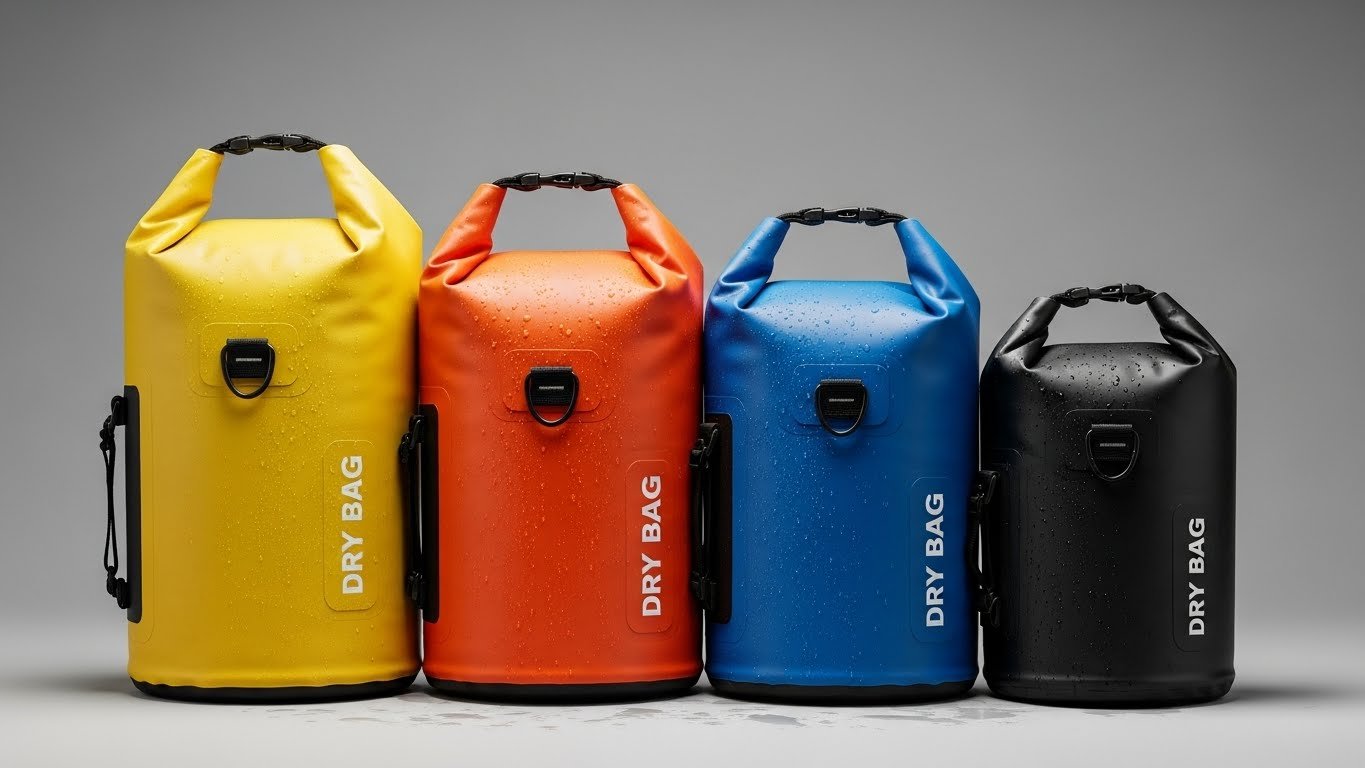
The primary differences are material weight, waterproofing level, and intended use. A dry bag is a heavy-duty, fully waterproof container for external use where submersion is possible, like on a boat. A dry sack is a lightweight organizational tool designed to keep contents dry inside another bag, like a backpack.
Do zippers on moving bags leak?
High-quality zippers on moving bags are designed to be watertight. Leaks are most often caused by user error, such as not closing the zipper completely, overstuffing the bag, or having debris in the zipper track. Many of our leakproof bags use a double-locking zipper design to ensure a stronger seal.
What is the best material for waterproof bags?
The best material depends on the use case. PVC coating is popular for its durability and affordability. TPU (Thermoplastic polyurethane) is a strong, flexible, and more environmentally friendly alternative. For extreme conditions, heavy-duty fabrics like 1050D HT Ballistic Nylon with a urethane coating offer superior protection.
Final Thoughts
Choosing the right bag comes down to the technical details behind the “waterproof” label. A woven polypropylene tote handles light rain, but its stitched seams and porous fabric are failure points under real pressure. True waterproof performance is engineered with materials like 500D PVC tarpaulin and high-frequency welded seams. This system eliminates the tiny holes inherent in sewing, creating a continuous barrier that protects contents from full submersion, not just splashes.
For outdoor brands, investing in this higher-grade construction is a strategic decision. It allows you to deliver on performance promises, protect your customers’ valuable gear, and justify a premium price point with verifiable data like IPX ratings. By prioritizing superior materials and manufacturing techniques, you build brand credibility and reduce the risk of product failures. Partnering with a supplier who understands these technical nuances is key to getting it right.