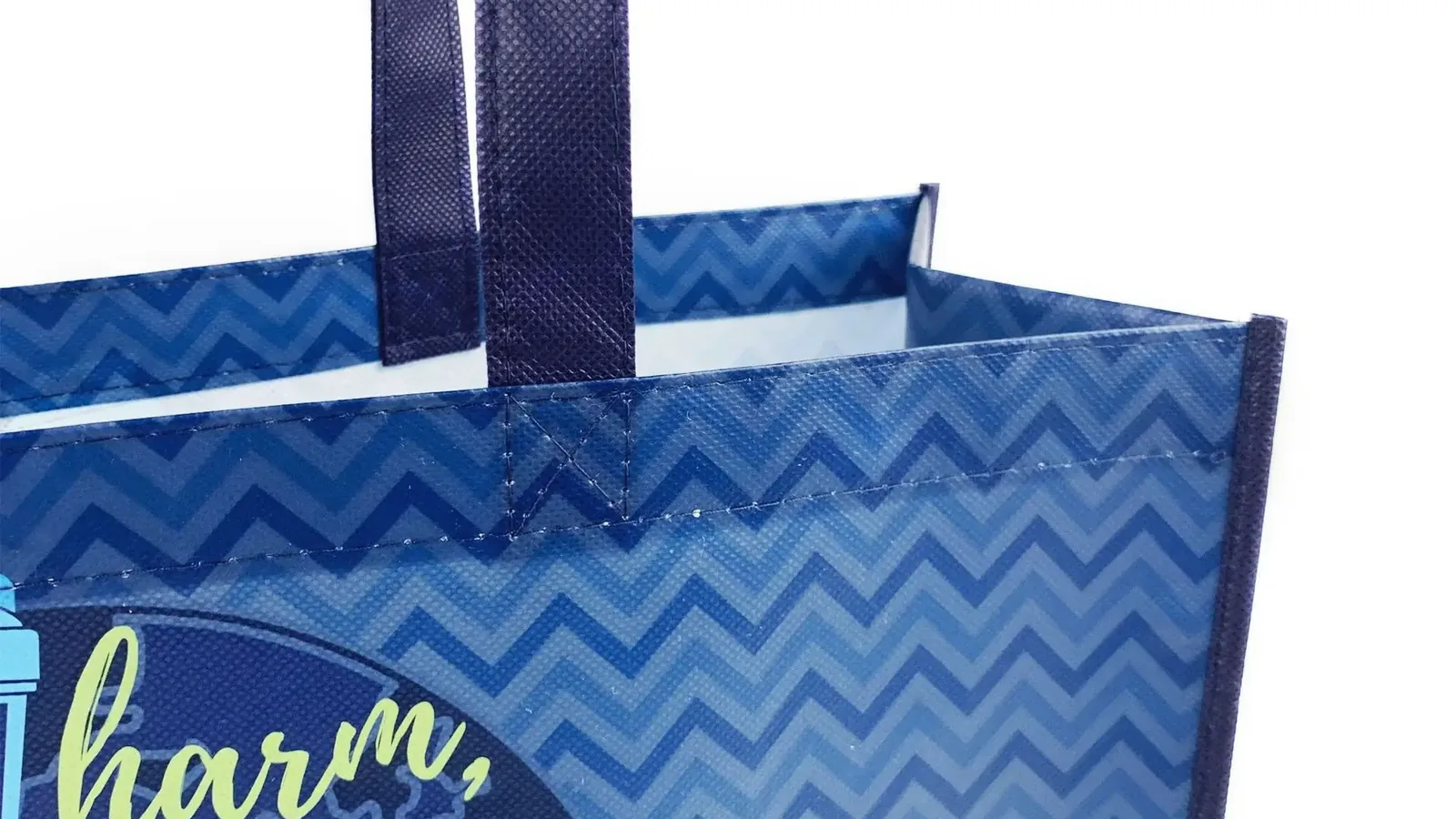
Based on our own tote line records and the four QC checkpoints every order passes before packing.
A carton label on the loading bay said 38 by 16.5 in. The bag inside measured 40 by 45. Nobody caught it until the buyer's warehouse scanned the first pallet, and by then the container was already booked. The gap did not come from a bad factory or a careless buyer. It came from six small handoffs between the purchase order and the sealed carton, and each one has a place where a printed non woven tote order can quietly drift.
This is a walk through those six stops, in the order a real order passes them.
The PO Arrives and the Spec Sheet Decides Everything
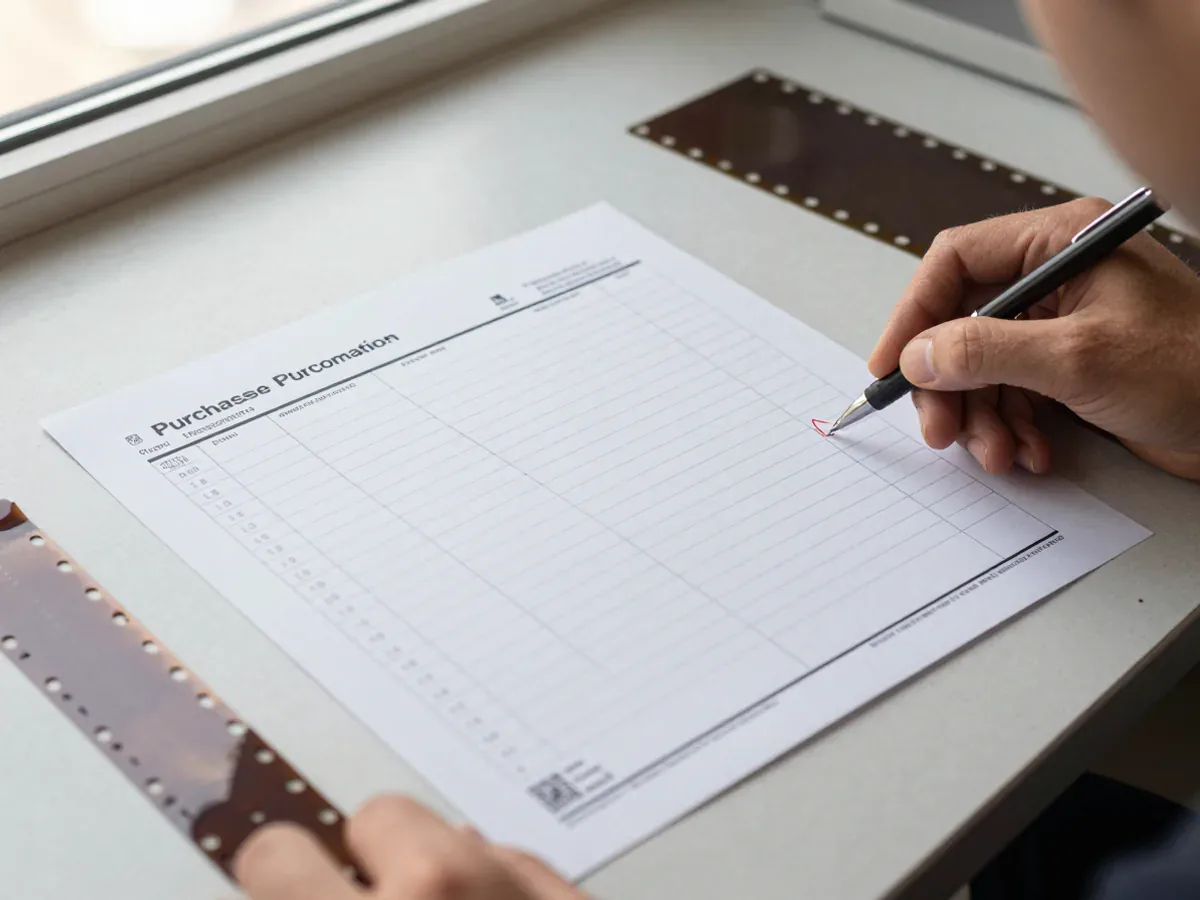
The first station is not a machine. It is a document. When the purchase order lands, the factory reads the spec sheet line by line and turns it into a cutting ticket, a print film and a stitching instruction. Every later mistake traces back to a line that was vague, copied from an old order, or never written down at all.
A buyer should check three things before the deposit clears. The size must state body dimensions and handle drop separately, because a 30 by 15.7 in bag means nothing if the handle length is left open. The fabric must name the material and the weight, since the range covers PE, PP woven, non woven, polyester, nylon, canvas, jute and rPET, and each one behaves differently under a print. The branding line must name the method, because screen print, heat transfer, a woven label and a retail insert are four different production paths.
The mislabelled carton at the start of this story began here. The spec sheet listed the size once, in centimetres, and the cutting ticket converted it by hand. One person rounded up. That single rounding travelled through every station after it.
Fabric Intake: Weighing the Roll Before It Is Cut
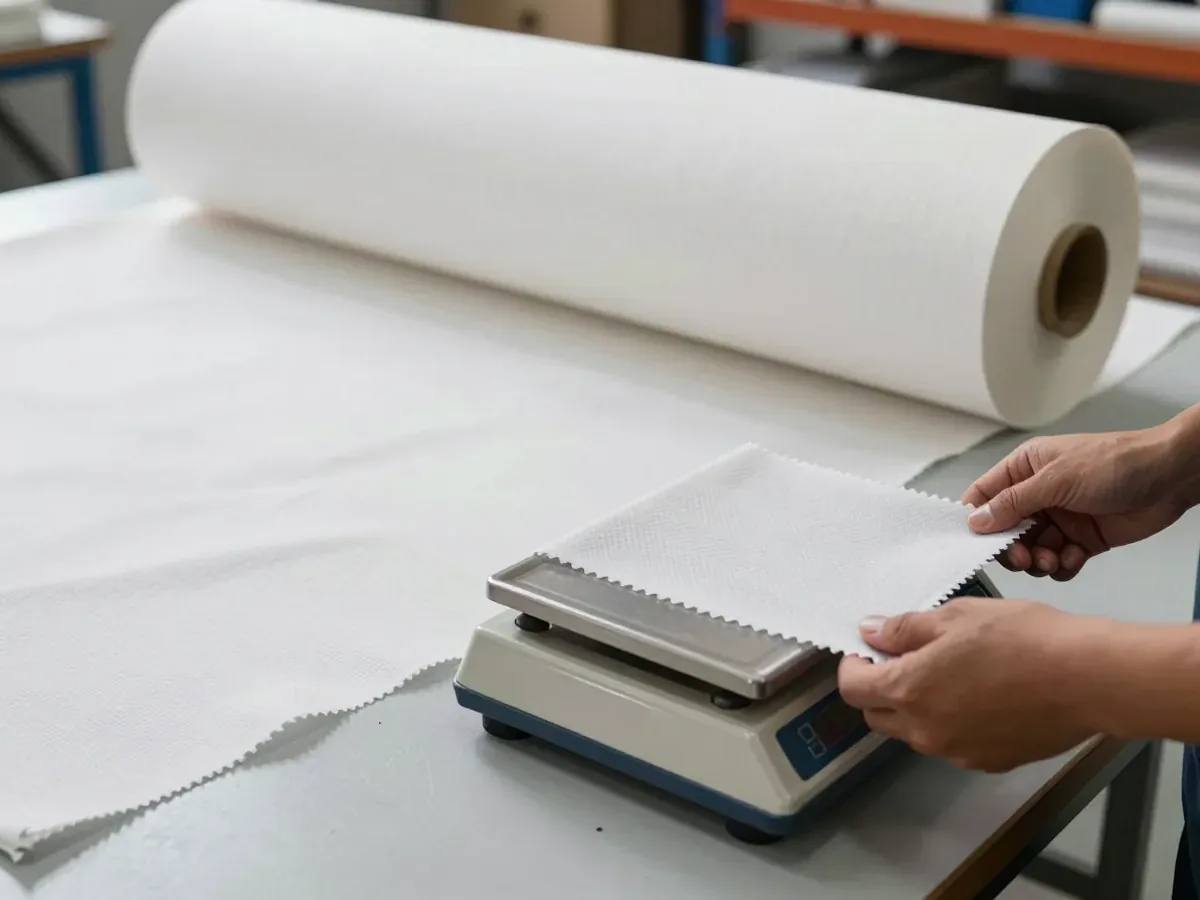
The roll arrives at the intake table and the first question is not about colour. It is about weight. A non woven roll that feels right in the hand can still sit a few grams per square metre below the approved sample, and that difference shows up months later as a bag that sags at the base or tears at the handle.
The intake check is simple and boring, which is why it gets skipped. Weigh a square metre from the roll and compare it to the approved sample. Check the roll width against the cutting plan. Hold the roll against the sample under the same light, because a shade that looks close on a sunny dock can look wrong under warehouse fluorescents.
A buyer rarely stands at this table, but the questions to ask are worth writing into the order. Ask whether the incoming roll is weighed against the approved sample or only matched by eye. Ask whether a shade variation triggers a hold or a note. The answers tell you how much of the later quality is already decided before the first cut.
Cutting: Where the Handle Length Gets Fixed
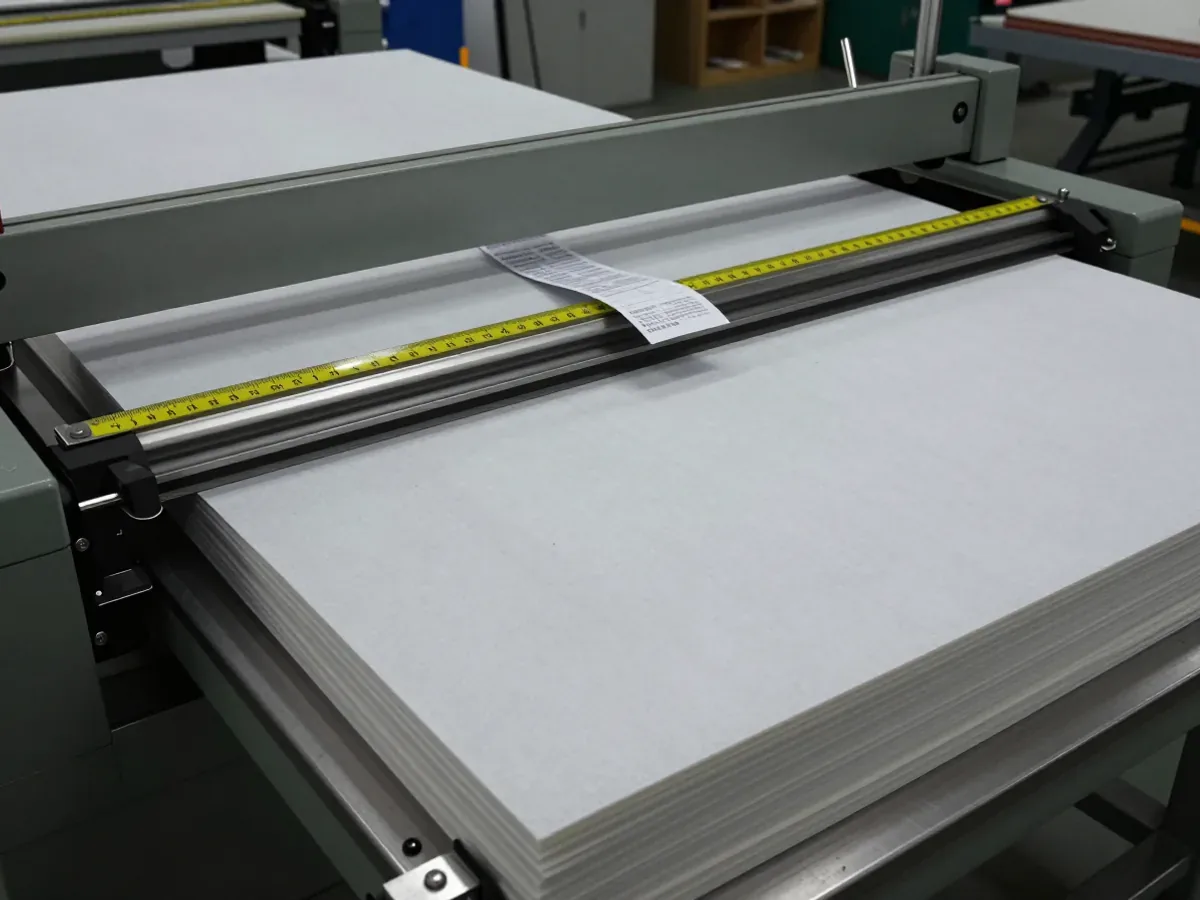
The cutting table is where the bag stops being a document and becomes a shape. A blade follows the ticket, and the ticket follows the spec sheet. If the handle length was written as a single number with no tolerance, the cutter has no reason to aim for anything except that number, and every bag in the run inherits the same small error.
Handle length is the quiet variable in a printed tote order. Too short and the bag will not sit on a shoulder. Too long and it drags. Neither problem shows up in a flat photo, and neither is caught by a print check. The cutting station is the last place to fix it cheaply, because once the handles are cut, the error is baked into the whole run.
A buyer should confirm that the cutting ticket shows body size, gusset depth and handle length as three separate lines, each with a tolerance. Ask for a first-piece measurement from the actual cut stack, not from the sample. If the numbers match the ticket, the rest of the run has a chance.
Stitching: The Handle Joint and the Reinforced Base
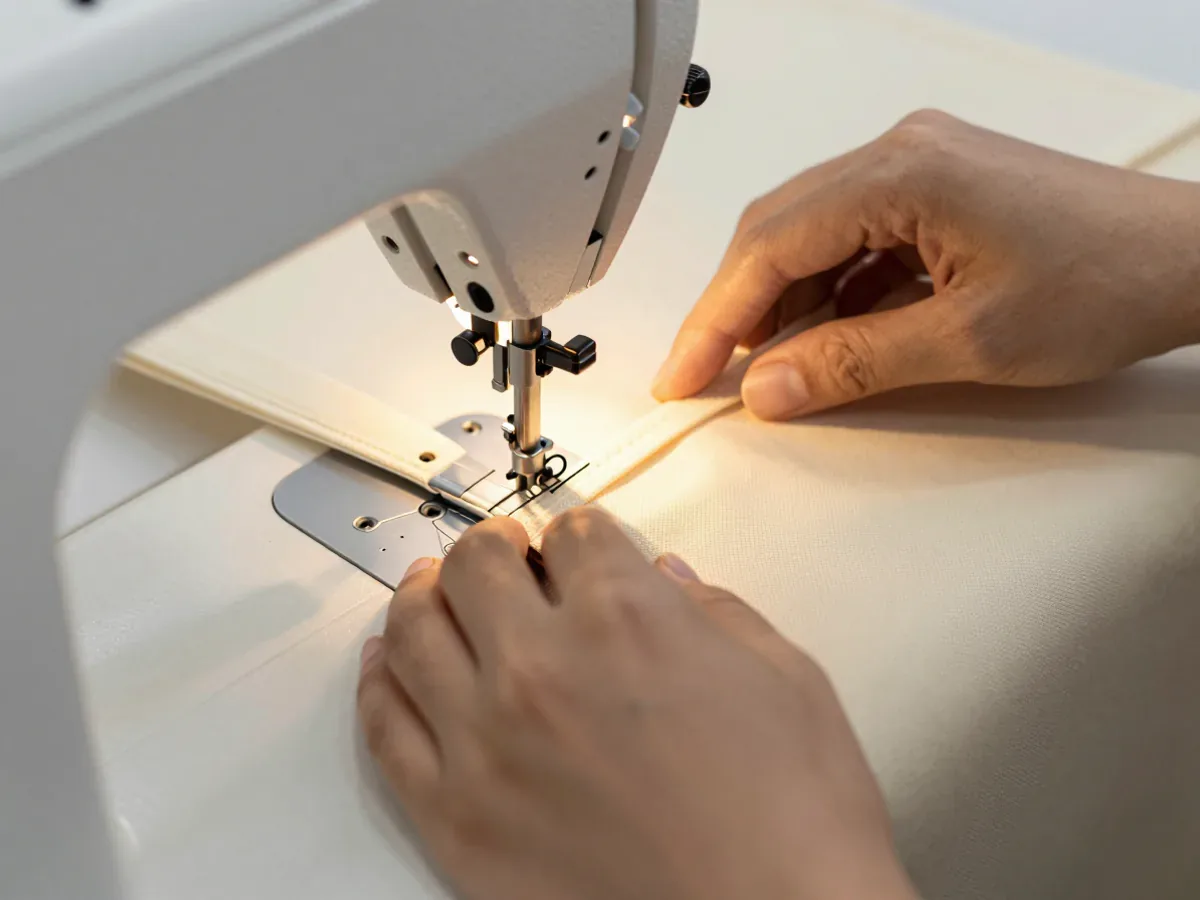
The sewing floor is where a tote earns or loses its second trip. Handles are stitched to the body rather than tacked on, and the base carries a reinforcement where a bottle sits. Those two details decide whether the bag survives a loaded grocery run or fails at the seam on the way home.
The handle joint is the first thing to inspect. Pull the handle away from the body with steady force and watch where the stress lands. A joint that is stitched through the body spreads the load across the fabric. A joint that is only tacked on concentrates it on a few threads, and those threads are the first to go.
The base is the second. A reinforced base with a flat folding body holds its shape when loaded and folds flat when empty, which is what makes a printed non woven tote practical for retail and events alike. Check that the reinforcement sits where the weight sits, not just somewhere on the bottom panel.
Printing: Reading the First Bag Off the Mesh
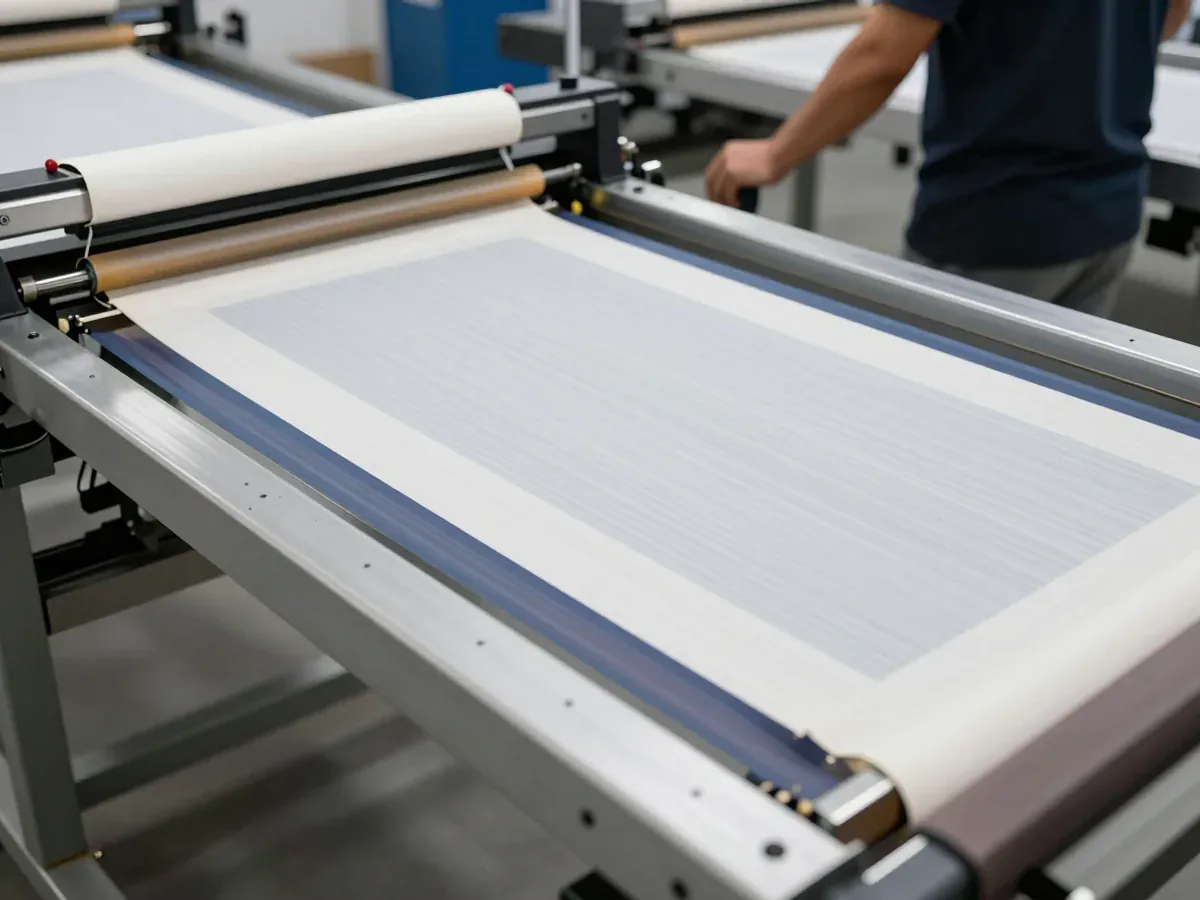
The print station is the most visible and the most misunderstood. Screen print, heat transfer and digital print each produce a different result on non woven fabric, and the first bag off the mesh tells you which one you are actually getting. A buyer who approved a heat transfer sample and receives a screen printed run will see the difference in edge sharpness and ink coverage before anyone says a word.
Read the first bag against the approved sample under daylight, not under the press lights. Check the logo position against the print film. Look at the edges of the artwork, where a low-resolution file shows up as a soft or jagged line. Check the background colour of the bag against the ink, because a print that looked right on a white sample can shift on a coloured body.
The mistake to avoid here is approving a print method change after the sample stage. If the method moves, the artwork file, the mesh and the drying time all move with it. A buyer should treat the print method as a locked line on the spec sheet, not a detail the factory can adjust for speed.
Final QC: The Second Trip Test
Every order passes four QC checkpoints before it is packed, and the last one is the one that matters most to a buyer. A reusable bag is judged on the second trip: does the handle hold, does the base take a loaded bottle, does the print survive the wash. That is the test a flat inspection photo cannot replace.
The second trip test is not a lab report. It is a bag loaded the way a customer will load it, carried the way a customer will carry it, and washed the way a customer will wash it. The handle is pulled. The base is loaded. The print is checked after the wash, not before. A bag that passes the first look and fails the second trip is a bag that will generate complaints long after the cartons are gone.
A buyer should ask what the final checkpoint actually covers. If the answer lists only appearance, the order has no second trip test. If it lists handle, base and print after a wash, the order has a real final gate.
Loading: Carton Labels and the Last Look
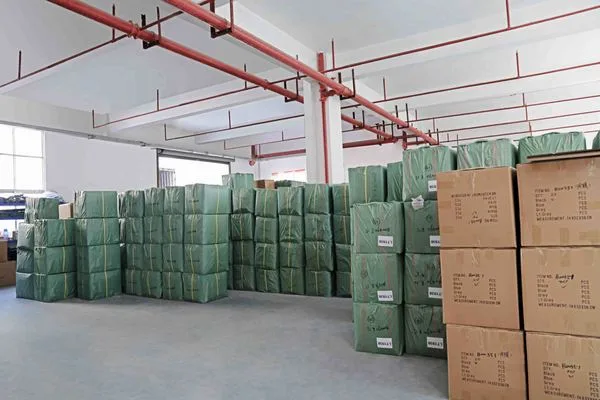
The loading bay is the last chance to catch a mistake, and it is usually the busiest place in the building. Cartons are sealed, labels are applied and pallets are wrapped in a sequence that leaves little room for a second look. The mislabelled carton at the start of this story was sealed here, hours before the container closed.
The check at this station is about labels and counts, not about the bag itself. Compare the carton label to the spec sheet and to the packing list. Confirm the quantity per carton against the order. Open one carton from the middle of the pallet, not the top, because the top carton is always the one that was checked.
The last look is a photograph of the sealed carton with its label visible, taken before the container doors close. It costs a minute and settles most disputes before they start. A buyer who has that photo has a record of what left the building, and a factory that knows the photo exists tends to check the label twice.
What the Six Stops Add Up To
A printed non woven tote order rarely fails in one dramatic moment. It drifts across six handoffs, and each handoff has a question a buyer can ask before the deposit, the cut or the seal. The spec sheet locks the size, the fabric and the print method. The intake table locks the weight and the shade. The cutting table locks the handle length. The sewing floor locks the joint and the base. The print station locks the method and the artwork. The final gate locks the second trip. The loading bay locks the label.
None of these checks requires a buyer to stand on the factory floor. They require a buyer to know which line on the order controls which station, and to ask for the evidence that the line was followed. The carton that measured wrong was not a factory failure alone. It was a spec sheet that left one number open, and a route that had no stop designed to close it.
FAQ
How many pieces fit in a standard export carton for non woven totes?
The count depends on the bag size, the gusset and the folding method, so it belongs on the packing list rather than in a general rule. Ask for the carton count per size before production, and confirm it against the first packed carton at loading.
Can the print method change after the sample is approved?
It can, but it should not happen without the buyer's written agreement. A method change moves the artwork file, the mesh and the drying time together, and the result will not match the approved sample.
What does the second trip test actually measure?
It measures the bag under real use: whether the handle holds under load, whether the reinforced base takes a loaded bottle, and whether the print survives a wash. It is a use test, not an appearance check.
Do all orders pass the same four QC checkpoints?
Every order passes four checkpoints before packing, but what each checkpoint covers should be confirmed in writing. A checkpoint that only checks appearance is not the same gate as one that checks handle, base and print after a wash.