



A retail distribution center processes thousands of cartons a day, and the cartons that slow the line down are not damaged ones, they are the mislabeled ones. Shipping marks and case labels look like clerical trivia until a mislabeled pallet is routed to the wrong DC, scanned into the wrong location, or rejected at the receiving dock for a label the scanner cannot read. For bag importers feeding retail chains, label discipline is the cheapest logistics upgrade available, because it costs printing accuracy, not freight; the routing structures it supports sit inside the freight consolidation practice of bodies such as FIATA. This guide covers the case label structure retail DCs expect, the shipping mark fields that prevent misroutes, and the printing standards that keep labels scannable.
The DC expectations documented here align with the receiving-side requirements in our logistics solutions program and the receiving-side requirements in our retail DC delivery guide, and label accuracy starts with the carton marking basics in our carton marking guide, with pallet-level compliance extensions such as ISPM 15 pallet treatment where wooden pallets travel.
The fields a DC actually scans
Retail DC labels follow a de facto standard structure regardless of the symbology used. The purchase order number ties the carton to the retailer’s system. The store or DC destination code routes it. The carton sequence, carton 14 of 30, tells receiving whether the shipment is complete. And the barcode or data matrix carries the machine-readable version of all of it. Labels also belong in a consistent position on the carton, right-hand short side near the top corner is the common convention, because scan tunnels and handheld routines assume it. When labels wrap corners, sit under pallet wrap, or arrive as laser prints smeared by container rain, the DC’s answer is the same: the carton goes to the exception lane, and exception lanes cost days.
| Label field | Purpose | Common failure |
|---|---|---|
| PO number | Ties carton to the order | PO from a previous order reused |
| Destination code | Routes to store or DC | Wrong DC after a re-route |
| Carton x of y | Completeness check | Sequence broken by repack |
| Barcode / data matrix | Machine-readable scan | Low print contrast, curved surface |

Shipping marks on the master carton: the human layer
Beyond the barcode label, the stenciled or printed shipping mark on the master carton is what warehouse staff read when systems fail. A complete shipping mark states the consignee code, destination port or DC, the purchase order reference, carton number in sequence, and the gross weight. The fields are short, and the discipline is matching: the mark must agree with the packing list, the packing list with the invoice, and all three with the booking. Mismatches between mark and paper are the root of the misroute stories every forwarder tells, and they are caught in minutes by a pre-shipment cross-check routine, the document discipline our carton and freight guide extends into the routing layer.

Print quality: keeping the barcode scannable
A barcode that scans is information; one that does not is decoration. Three printing factors decide scannability: contrast, the darker bars against a light background, resolution, dots fine enough to hold bar edges, and placement on a flat area, because labels on corrugation ridges or curved surfaces distort the symbol. Thermal or laser-printed labels outperform direct ink stamps on cartons for this reason, and label stock should survive container humidity without smudging, a real risk on ocean shipments where cartons breathe. The verification step is simple and worth contract language: scan every label at the factory with a standard scanner before packing, the same sample-and-verify logic our inspection guides apply to the goods inside the carton.
Our bag programs ship with DC-compliant label sets: PO and destination fields printed to the retailer’s specification, barcodes verified by scanner at the factory, and carton marks matched to the packing list before loading. Program inquiries reach the export desk, and label artwork proofs return within days.
Video: labels on the packing line
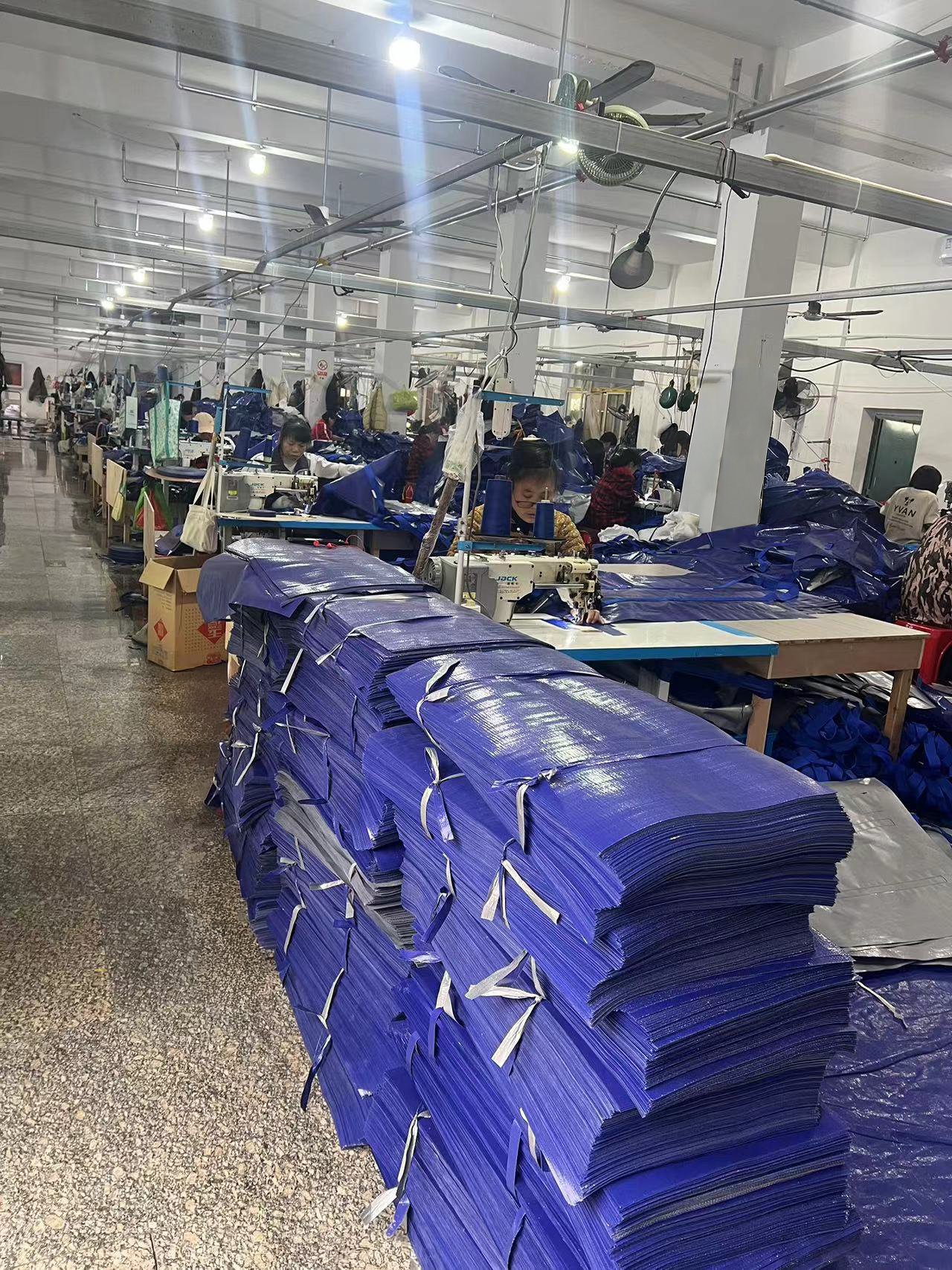
The clip shows the packing stage where labels are applied and verified. Label discipline at this bench is what keeps a container moving when it reaches the busiest receiving dock in the chain.
Frequently asked questions
Where should the label sit on each carton?
On a flat area of the right-hand short side near the top corner, away from corrugation ridges and pallet wrap, so tunnel scanners and handheld routines read it on the first pass.
Why did my cartons land in the DC exception lane?
Usually label quality or field mismatches: low-contrast barcodes, labels under stretch wrap, or a PO number that does not match the retailer’s system. Exceptions cost days per carton.
What fields must a shipping mark carry?
Consignee code, destination, purchase order reference, carton sequence and gross weight, matching the packing list and invoice exactly, so the human layer agrees with the barcode layer.
How are label barcodes verified before shipment?
Every label is scanned with a standard scanner at the factory as part of packing, which catches print contrast and placement problems while they are still free to fix.



0 Comments