



The short answer: a retail distribution centre judges a bulk bag delivery on three things, and none of them is the bag itself. It checks that the advance shipping notice matches what arrives, that the pallets and cartons meet the DC’s handling spec, and that the packaging survives the last leg without the goods spilling. Get those three right and the delivery is booked in and unloaded in minutes; get them wrong and the load is refused or re-worked at your cost.
What the DC checks before the truck is unloaded
A DC is designed around flow, not around storage. Its staff scan the pallet label, compare the count against the advance shipping notice, and check the load against the handling spec before the vehicle is allowed onto the dock. If any of those checks fail, the pallet is set aside, and a set-aside pallet is the most expensive kind, because it ties up labour and dock space and often has to be returned to the sender. The requirements below are the ones that cause most of those failures.
| Requirement | What the DC expects | Why it causes refusals | What to confirm |
|---|---|---|---|
| Advance shipping notice | Sent before the vehicle arrives, matching the load | A count mismatch stops the receipt | Who sends the ASN and when |
| Pallet label | Scannable label on a defined face | An unscannable label is a manual receipt | Label standard and placement |
| Pallet footprint | Standard pallet, no overhang | Overhang catches in the racking | Pallet size and max height |
| Carton stability | Loads stay square in transit | Leaning pallets are re-stacked by hand | Stack pattern and straps |
| Wood treatment | Treated and marked pallets for export | Untreated wood can be refused at entry | ISPM 15 marking |
| Packaging integrity | No loose bags or torn cartons | A burst carton loses count and product | Carton grade for the load |
Pallets, cartons and the spec that is easy to miss
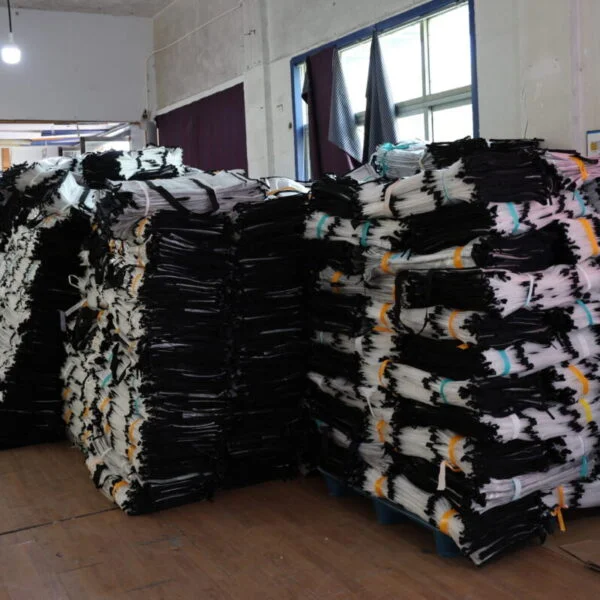
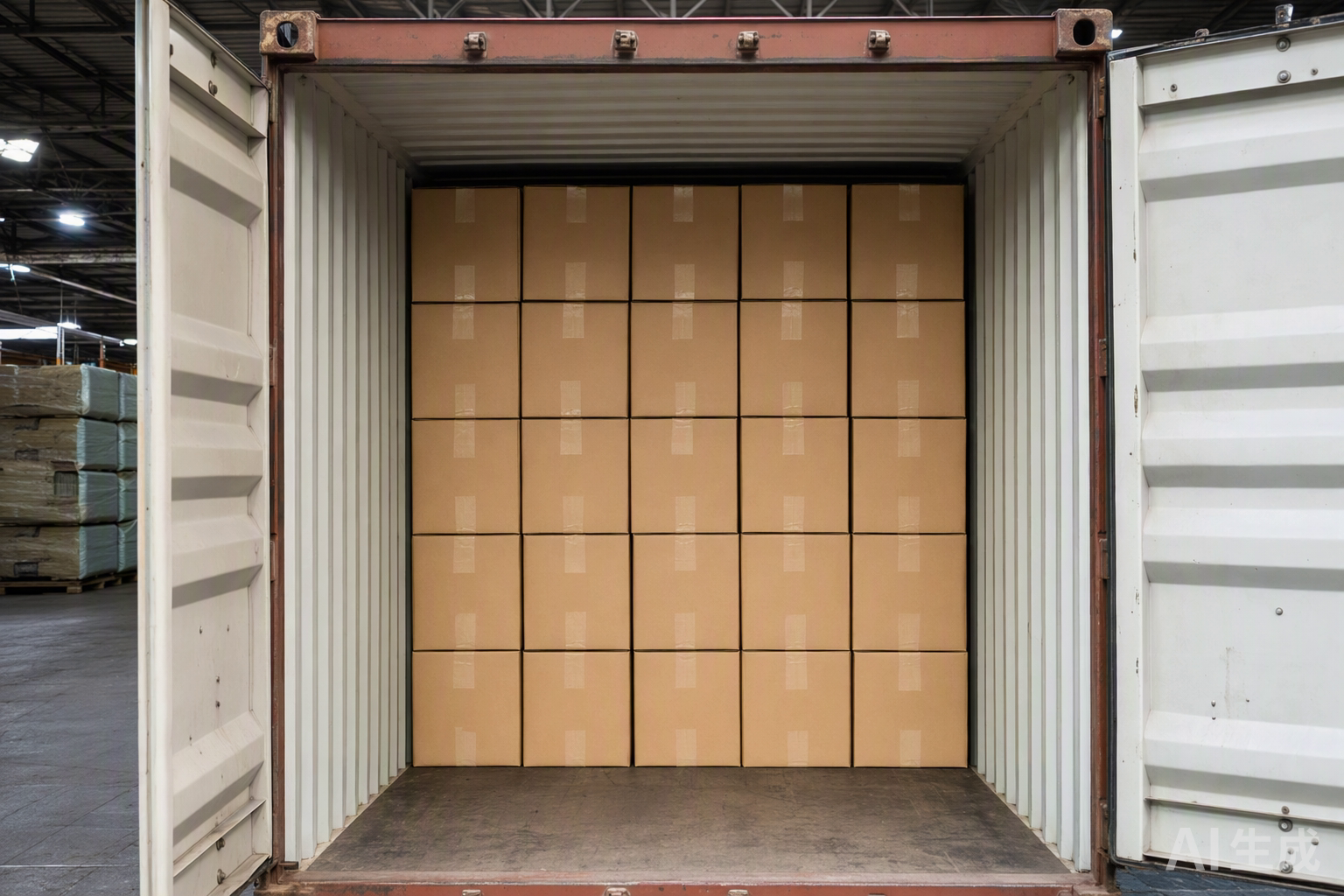
The pallet is where most first deliveries go wrong. A load that is perfectly packed but overhangs the pallet edge by a few centimetres will catch on racking rails or on the dock leveller, and the DC will either refuse it or unpack and re-palletise it. Height matters too: a pallet built past the DC’s maximum is a manual case-pick, not a pallet put-away. Wooden pallets that cross a border need to meet the international standard for wood packaging, maintained by the International Plant Protection Convention, which is why the ISPM 15 stamp and the treatment record belong with the shipping documents. Cartons carry the second half of the load: a carton specified for a light shelf load will not survive a stacked pallet, and a bag range that ships flat can settle into a leaning load unless the stack pattern and strapping are specified rather than left to the packer.
Labels and the ASN
The label is the DC’s link between the physical pallet and its system, so a label that cannot be scanned turns a two-minute receipt into a manual process. Retail supply chains use common barcode and label standards published by GS1, and a supplier who can print a compliant pallet and carton label is easier to onboard than one who needs the DC to re-label every pallet. The ASN is the same idea in data form: it tells the DC what is coming, so the receipt can be matched automatically. Sending it late, or sending a list that does not match the truck, is the fastest way to have a delivery held.
Booking, appointment windows and last-mile reality
Most DCs run on appointment windows, and a vehicle that arrives outside its slot waits, or is turned away and rebooked. That is why the last mile is a scheduling problem as much as a transport one: the delivery has to be planned backwards from the appointment, through the unloading method the DC uses. Ask whether the DC unloads from the side, from the rear, or expects the driver to break the pallet down, because a load built for one method is a problem at the other. Ask too what happens to the pallets and any dunnage, since some DCs take them and some expect the supplier to remove them.

Packaging that survives the last leg
The bag has to arrive in saleable condition, and the last mile is where packaging is tested hardest: pallets are moved, loads are re-handled, and cartons are opened with a blade. A shipping carton should be specified for the stacked load it carries, with enough internal support that the bags do not settle into a lean, and the outer should carry the label and the count so the DC does not have to open it to check. If the product is branded and ships in a printed inner bag, that bag has to be protected from scuffing, because a scuffed retail bag is a markdown. Where the bag material touches food or skin, the retail buyer may also ask for restricted-substance compliance, and OEKO-TEX publishes the limits many retail programs now reference. This is the same packaging discipline that runs through our pallet and wood packaging guide.
FAQs about bulk bag delivery to distribution centres
What does a distribution centre need before a delivery arrives?
An advance shipping notice that matches the load, a scannable pallet label on the correct face, and pallets built to the DC’s footprint and height spec.
Why do DCs refuse pallets with overhang?
Overhang catches on racking and dock equipment, so the DC either refuses the pallet or re-stacks it by hand, which ties up labour and dock space.
When do wooden pallets need ISPM 15 treatment?
Wood packaging that crosses a border must meet the international wood packaging standard, which requires heat treatment or fumigation and the ISPM 15 mark on the pallet.
What is an advance shipping notice?
It is the data the supplier sends ahead of the delivery so the DC can match the receipt to the truck. A late or mismatched ASN is a common reason a delivery is held.
How should bulk bags be packed for the last mile?
Specify a carton rated for the stacked load, support the bags so they do not settle into a lean, and protect any printed inner bag from scuffing during handling.
Design the delivery, not just the bag
Treat the DC spec as part of the order: confirm the pallet footprint and height, the label standard, the ASN process and the appointment window before the load is built, and specify packaging for the stack it will carry. A delivery that matches the DC’s handling spec is received faster, and a faster receipt is a lower cost per unit. If you want bulk bags supplied with DC-ready pallets, labels and cartons, talk to our bag manufacturing team.
Related reading: our drawstring bags range.



0 Comments