



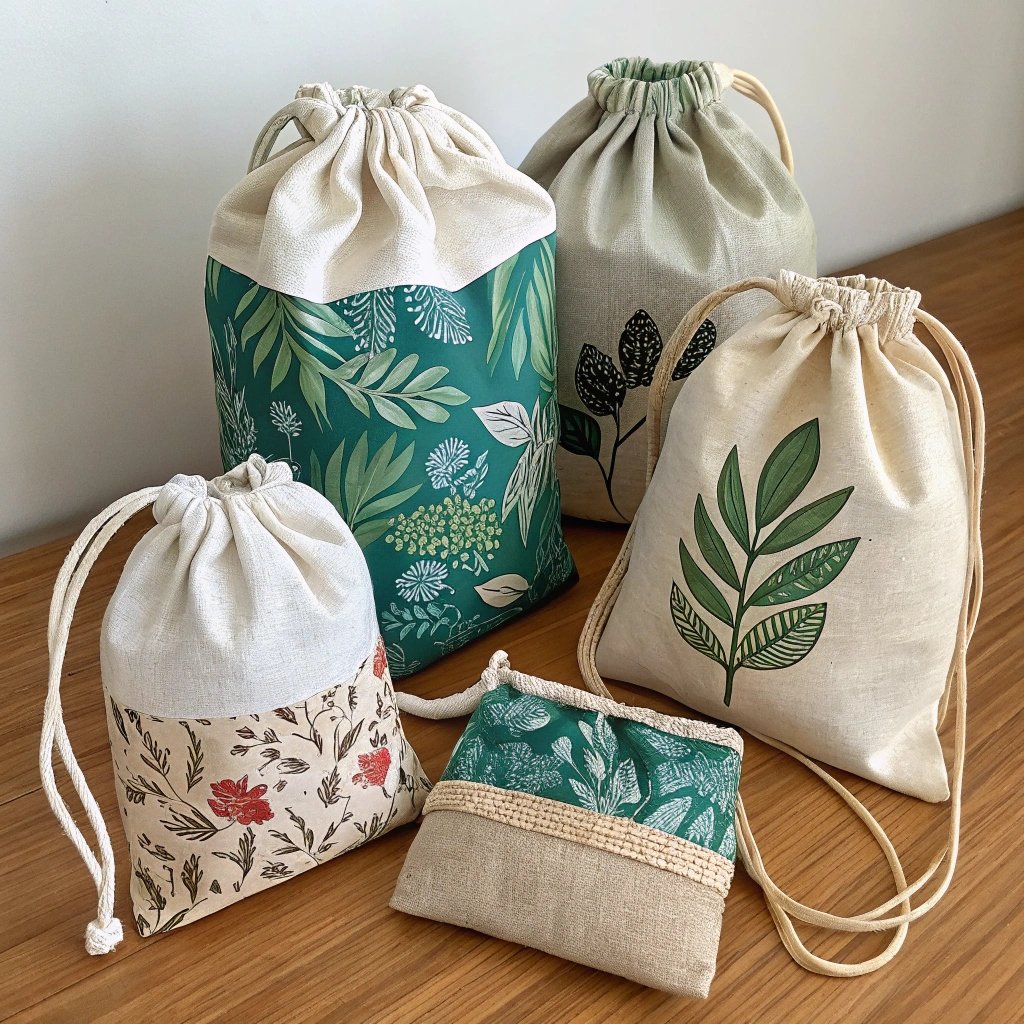
Текстильные сумки становятся все более популярными благодаря своей универсальности и экологичности. Изготовленные из тканевых материалов, эти сумки сочетают в себе функциональность и стиль, что делает их востребованными для многих потребителей.
Текстильные сумки1 изготавливаются из различных тканей, таких как хлопок, полиэстер и джут. Они экологичны и долговечны, что делает их пригодными для ежедневного использования.
Хотите узнать больше о материалах, из которых изготавливаются текстильные сумки? Давайте углубимся в их преимущества и характеристики.
Что такое текстильный материал для сумок?
Под текстильным материалом в сумках понимается ткань или полотно, из которого изготовлена сумка. Сюда входят натуральные волокна, такие как хлопок или джут, а также синтетические волокна, такие как полиэстер или нейлон. Текстильные сумки предлагают множество вариантов для различных нужд.
Текстильные материалы для сумок могут быть как натуральными (например, хлопок), так и синтетическими (например, полиэстер), что обеспечивает различные варианты долговечности, фактуры и экологичности.
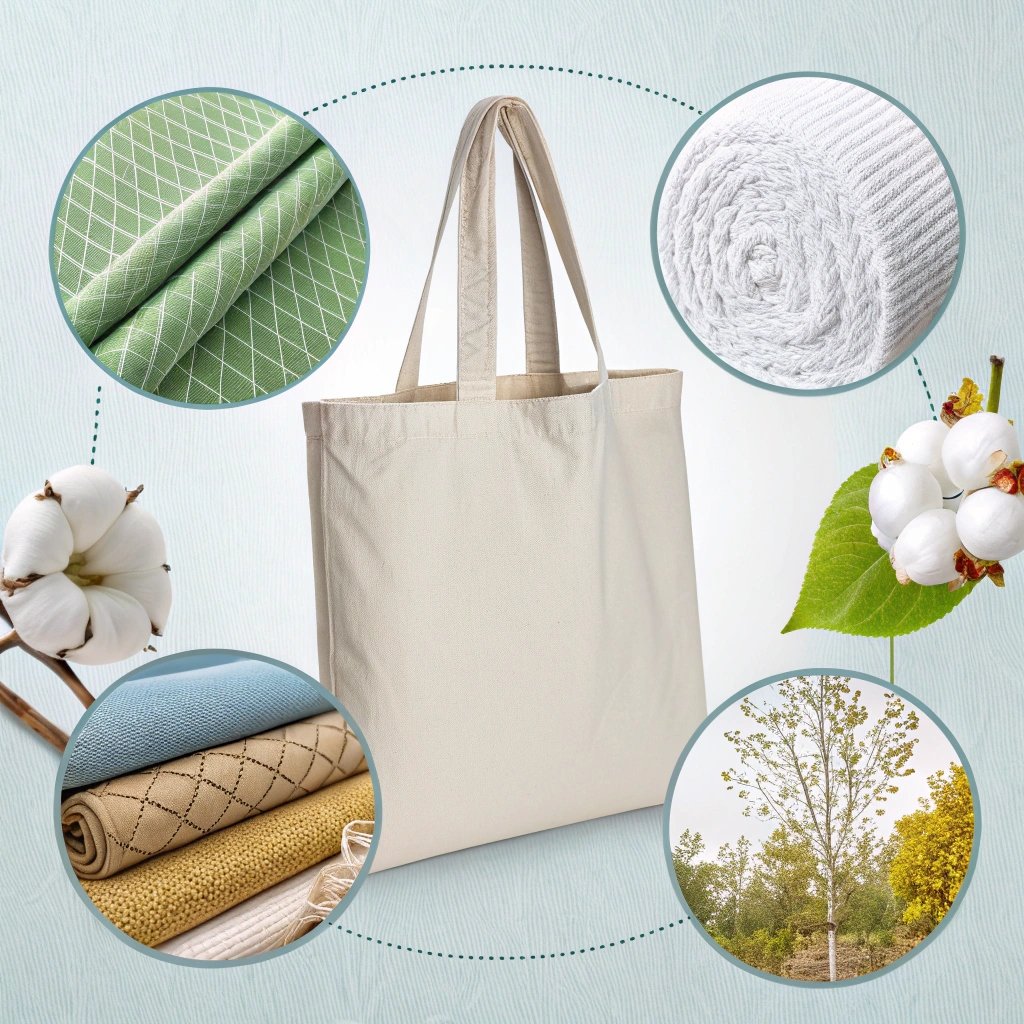
Погружение в глубину: Виды текстильных материалов в сумках
Текстильные материалы могут быть ткаными, трикотажными или неткаными, каждый из которых обладает различными свойствами. Натуральные волокна, такие как хлопок, являются биоразлагаемыми и мягкими, что делает их идеальными для повседневных и экологичных сумок. Синтетические материалы, такие как полиэстер, напротив, отличаются повышенной прочностью и износостойкостью.
Хлопок и холст - популярные варианты для легких, дышащих сумок, в то время как нейлон и полиэстер часто используются для сумок, требующих большей структуры и водонепроницаемости.
Популярные текстильные ткани для сумок
| Ткань | Долговечность | Почувствуйте себя | Экологичность | Общее использование |
|---|---|---|---|---|
| Хлопок | Средний | Мягкий, дышащий | Высокий | Сумки-торбы, сумки для покупок |
| Полиэстер | Высокий | Гладкий, прочный | Низкий | Багаж, рюкзаки |
| Джут | Высокий | Грубый, естественный | Высокий | Экологически чистые сумки |
| Холст | Высокий | Прочный, гладкий | Средний | Повседневные сумки, пляжные сумки |
Какая ткань лучше всего подходит для сумок?
Выбор лучшей ткани для сумок зависит от их предназначения. Для повседневных сумок отлично подойдут хлопок и холст, так как они сочетают в себе комфорт и долговечность. Для водонепроницаемых или дорожных сумок идеально подойдут синтетические ткани, такие как полиэстер или нейлон.
Лучшая ткань для сумок зависит от ваших потребностей: хлопок - для мягкости, холст - для прочности, а полиэстер или нейлон - для водонепроницаемости и структуры.
Ищете подходящую ткань для своей следующей сумки? Давайте изучим различные варианты.
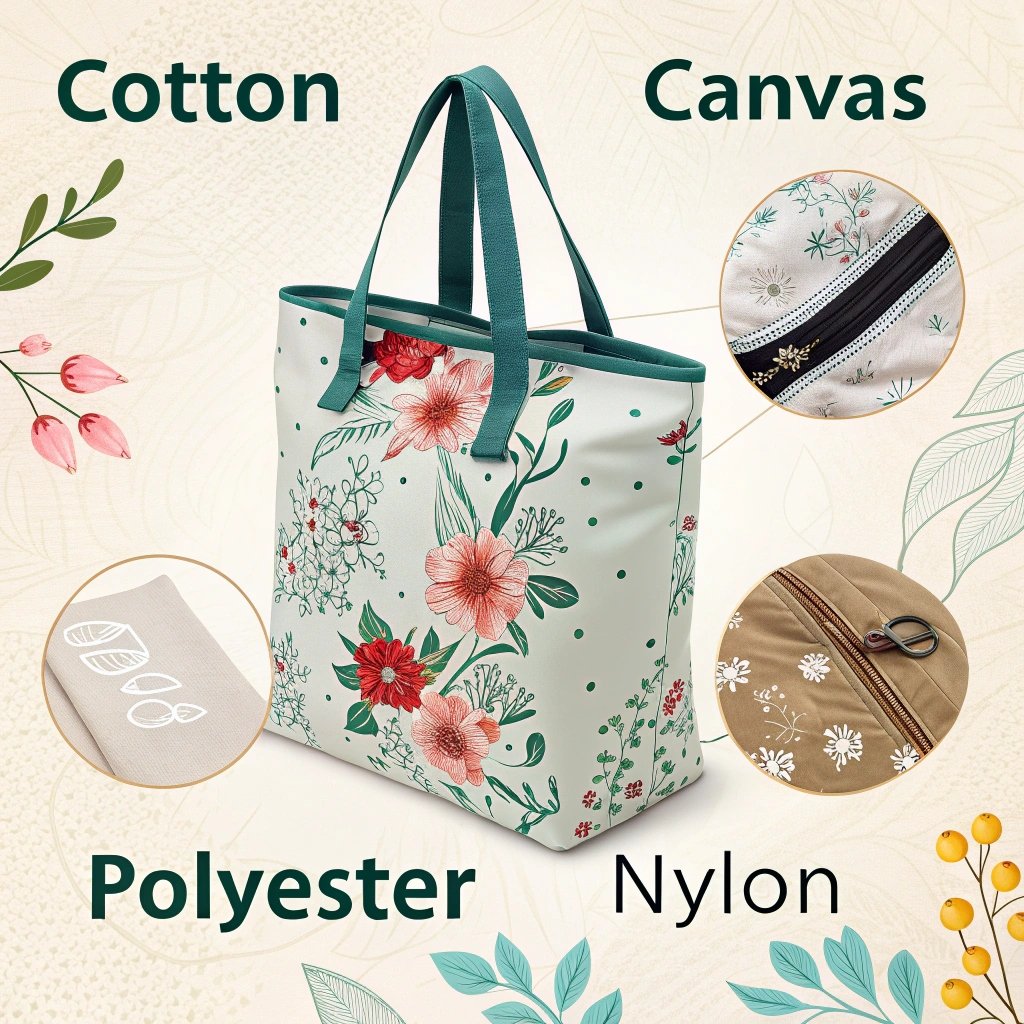
Погружение в глубину: Выбор ткани для сумок
У каждого типа ткани есть свои достоинства. Например, хлопок - дышащий и мягкий материал, поэтому он отлично подходит для легких повседневных сумок. Холст отличается прочностью, что делает его идеальным для использования в тяжелых условиях. Синтетические ткани, такие как полиэстер и нейлон, часто выбирают за их водостойкие качества, что делает их идеальными для сумок для путешествий и отдыха на природе.
При выборе ткани учитывайте назначение сумки - для повседневного использования, путешествий или моды - и выбирайте ткань, которая лучше всего соответствует вашим потребностям.
Рекомендации по выбору ткани для разных типов сумок
| Тип сумки | Рекомендуемая ткань | Преимущества |
|---|---|---|
| Повседневный тоут | Хлопок, холст | Мягкий, прочный, повседневный |
| Дорожный багаж | Нейлон, полиэстер | Водостойкий, прочный |
| Пляжная сумка | Джут, холст | Экологичный, просторный |
| Модная сумочка | Кожа, бархат | Стильный, премиальный вид |
Как чистить текстильные сумки?
Чистка текстильных сумок зависит от ткани. Хлопковые и холщовые сумки обычно можно стирать в машинке, в то время как синтетические ткани могут потребовать ручной стирки или точечной чистки, чтобы сохранить их форму и целостность.
Для чистки текстильных сумок следуйте инструкциям по уходу за тканью. Хлопковые и холщовые сумки стирайте в машинке, а синтетические материалы чистите точечно.
Ищете советы по поддержанию свежести и чистоты ваших сумок? Читайте далее о лучших способах очистки.
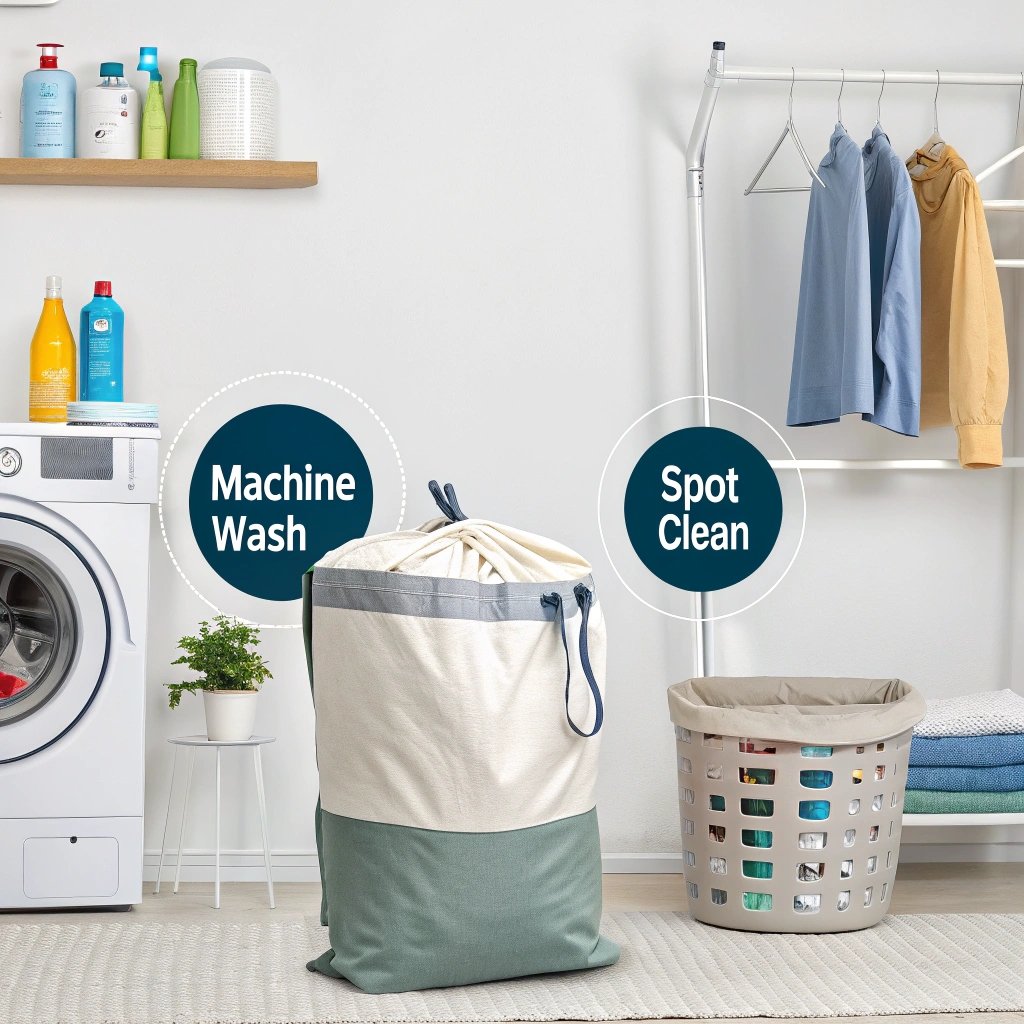
Погружение в глубину: Техника чистки текстильных мешков
Сумки из хлопка и холста обычно можно стирать в машинке на деликатном режиме. Чтобы избежать усадки, сушите их на медленном огне или на воздухе. Сумки из полиэстера, нейлона и других синтетических материалов стирайте вручную с мягким мылом и водой, избегая агрессивных химических веществ, которые могут разрушить материал.
Всегда проверяйте этикетку с инструкциями по уходу на сумке, чтобы ознакомиться с конкретными рекомендациями по чистке и продлить срок её службы.
Советы по чистке различных тканей
| Ткань | Метод очистки | Способ сушки |
|---|---|---|
| Хлопок | Машинная стирка (деликатный режим) | Сушить на воздухе или при низкой температуре |
| Холст | Машинная стирка (деликатный режим) | Сушка на воздухе |
| Полиэстер | Ручная стирка или локальная чистка | Сушка на воздухе |
| Нейлон | Ручная стирка или локальная чистка | Сушка на воздухе |
Каковы недостатки тканевых сумок?
Хотя тканевые сумки экологичны и многоразовы, у них есть и некоторые недостатки. Они легко пачкаются, требуют регулярной чистки и, как правило, менее долговечны, чем пластиковые или кожаные сумки.
Тканевые сумки, хотя и являются экологически безопасными, более подвержены появлению пятен и износу, а также требуют большего ухода по сравнению с другими типами сумок.
Давайте подробнее рассмотрим недостатки использования тканевых сумок.
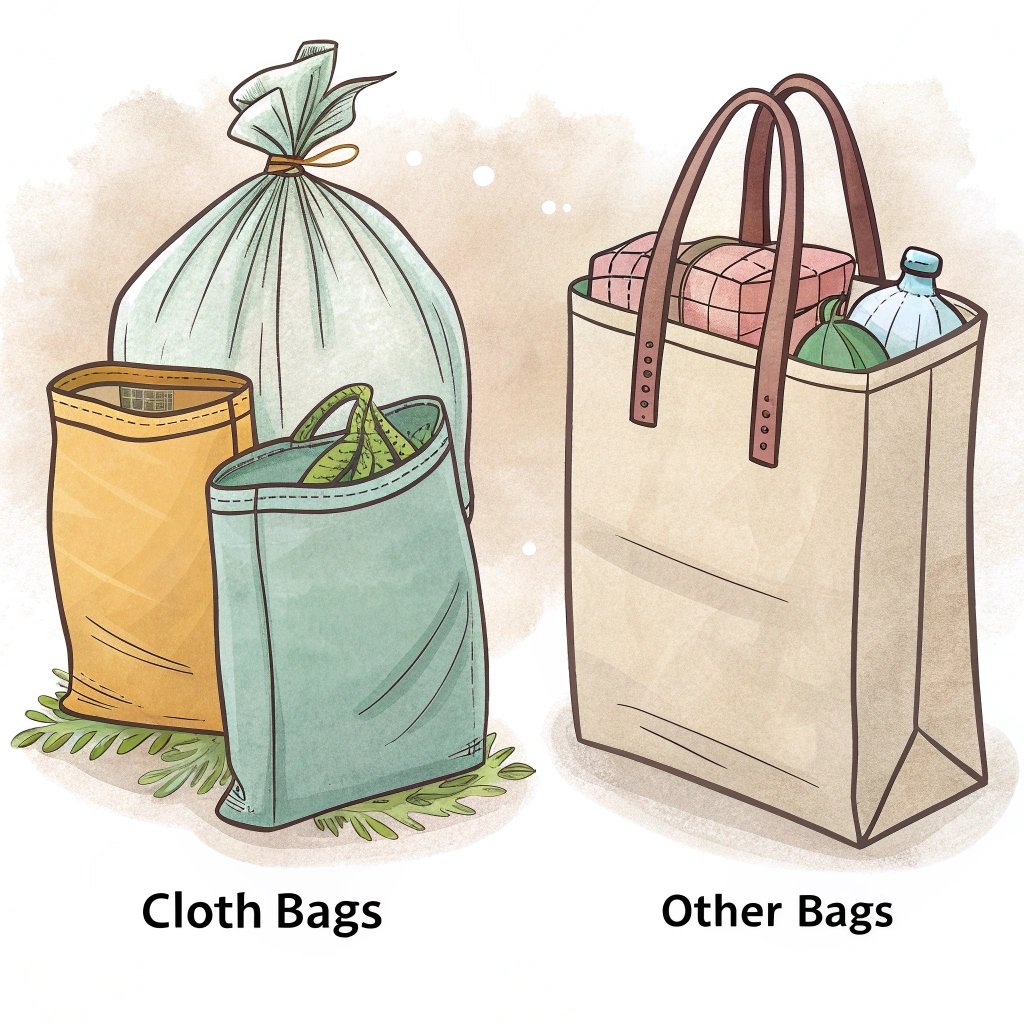
Подробнее: Недостатки тканевых сумок
Главный недостаток тканевых сумок заключается в том, что они легко пачкаются и загрязняются. В отличие от пластиковых пакетов, которые можно просто вытереть, тканевые сумки впитывают пролитые жидкости, и со временем их становится сложно очистить. Кроме того, тканевые сумки из натуральных волокон, таких как хлопок или джут, могут терять форму или изнашиваться быстрее, чем изделия из синтетических материалов.
Тем не менее, тканевые сумки по-прежнему остаются популярным выбором благодаря своей экологичности, что делает этот компромисс оправданным для потребителей, заботящихся об окружающей среде.
Недостатки тканевых сумок
| Недостаток | Пояснение |
|---|---|
| Склонность к загрязнению | Ткань впитывает грязь, которую бывает трудно удалить |
| Меньшая долговечность | Натуральные волокна могут разлагаться быстрее |
| Требует более тщательного ухода | Регулярная стирка необходима для поддержания чистоты |
Что такое текстиль?
Под текстилем понимается любая ткань или материал, изготовленный путем сплетения, вязания или валяния волокон. К ним относятся как натуральные волокна, такие как хлопок, шерсть и джут, так и синтетические волокна, такие как полиэстер и нейлон.
Текстиль — это любая ткань или материал, изготовленный из натуральных или синтетических волокон, который используется для производства самых разных изделий, включая сумки, одежду и предметы интерьера.
Хотите узнать больше о видах текстильных материалов? Давайте рассмотрим этот вопрос подробнее.
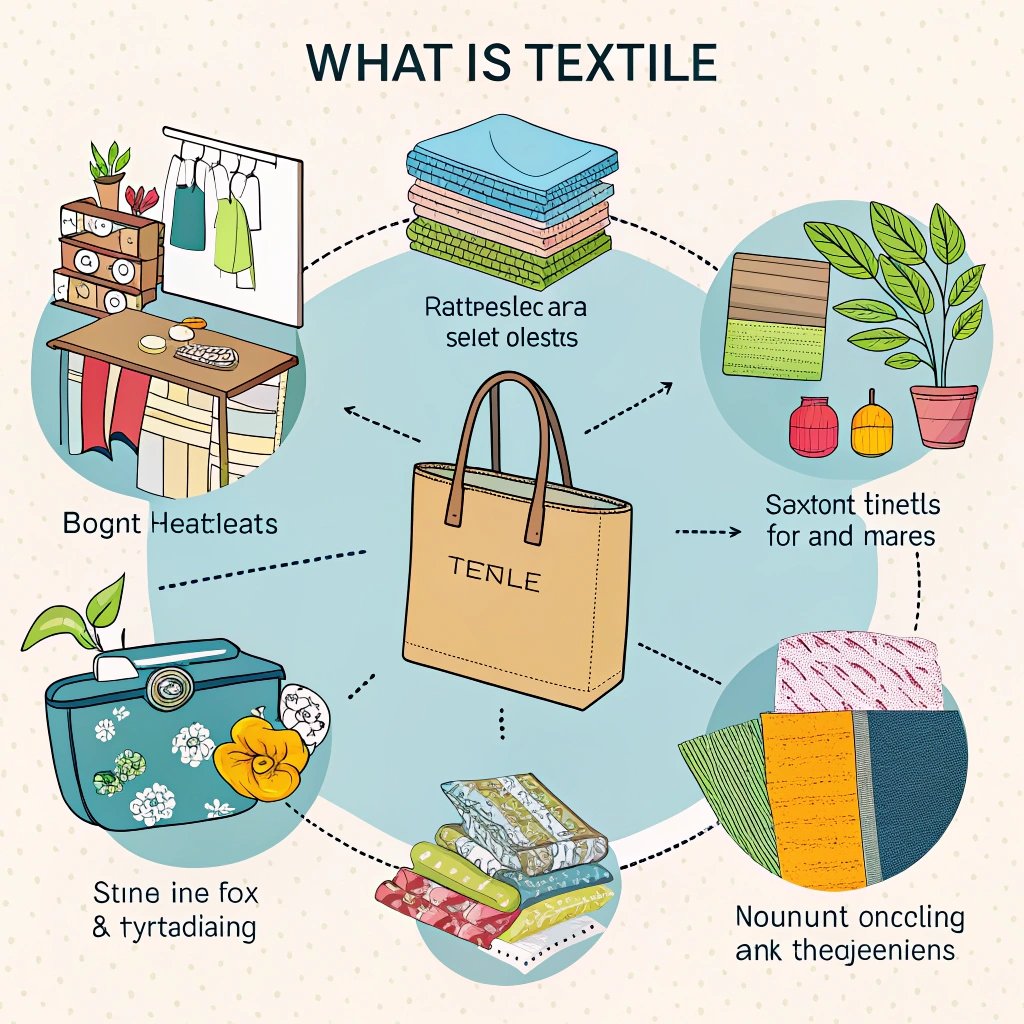
Подробнее: натуральные и синтетические ткани
Натуральные ткани, такие как хлопок и шерсть, получают из растений или животных, тогда как синтетические ткани, такие как полиэстер и нейлон, производятся из нефтехимических веществ. Натуральные ткани, как правило, лучше пропускают воздух и поддаются биологическому разложению, но за ними может потребоваться более тщательный уход. Синтетические ткани, хотя и менее экологичны, обычно отличаются большей прочностью и водоотталкивающими свойствами.
Каждый вид текстиля имеет свои преимущества, которые зависят от назначения и экологических факторов.
Виды текстильных материалов
| Материал | Источник | Долговечность | Экологичность |
|---|---|---|---|
| Хлопок | Растение (хлопковое растение) | Средний | Высокий |
| Полиэстер | Синтетический (нефтехимический) | Высокий | Низкий |
| Шерсть | Животное (овца) | Высокий | Средний |
| Джут | Растение (джутовое растение) | Средний | Высокий |
Является ли пластиковый пакет текстильным изделием?
Нет, пластиковый пакет не считается текстильным изделием. Текстильные изделия изготавливаются из волокон, сплетенных или связанных между собой, тогда как пластиковые пакеты изготавливаются из синтетических полимеров, которые не являются волокнами.
Пластиковые пакеты не относятся к текстилю, поскольку изготавливаются из синтетических полимеров, а не из волокон.
Давайте подробнее рассмотрим разницу между пластиковыми и текстильными материалами.
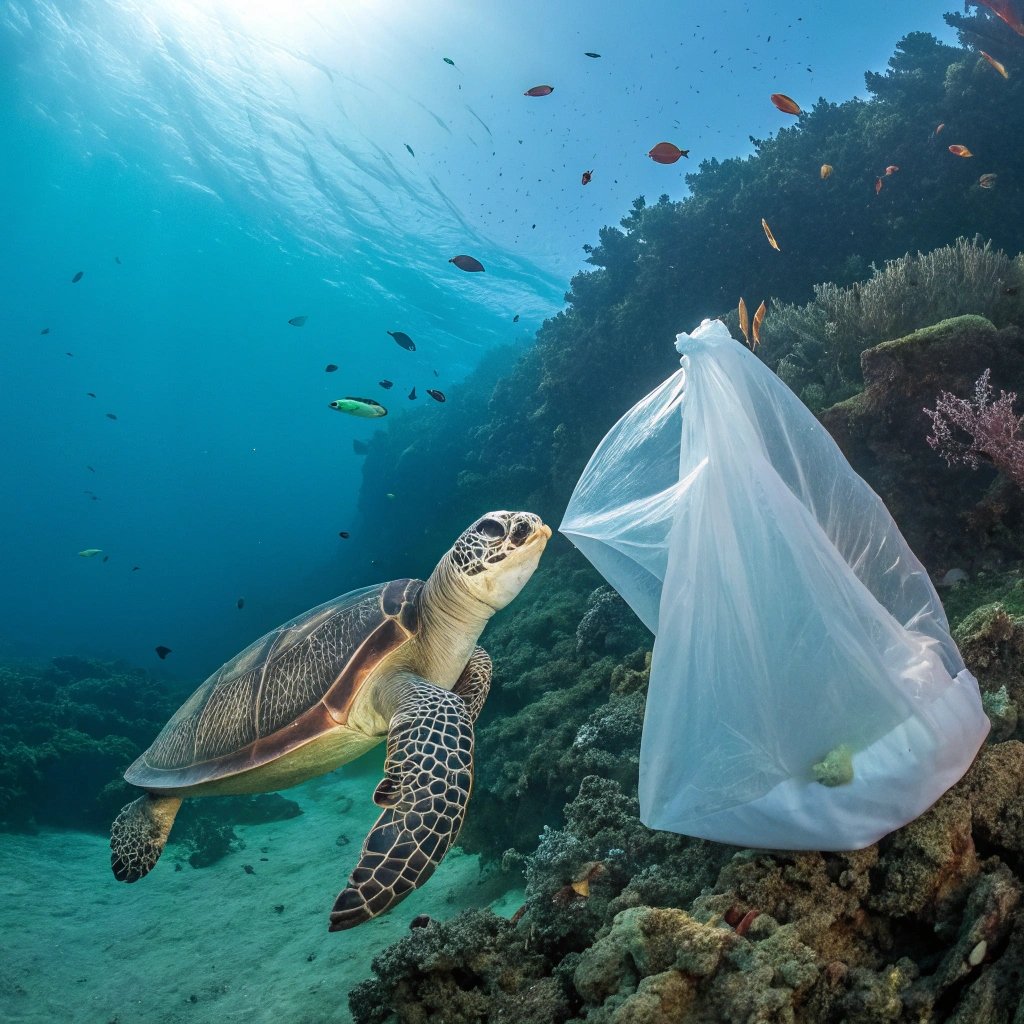
Подробнее: различия между пластмассами и текстилем
Текстильные изделия изготавливаются путем ткачества, вязания или валяния волокон в ткани, тогда как пластиковые пакеты производятся путем формования синтетических полимеров в листы. Текстильные изделия, как правило, гибкие, воздухопроницаемые и иногда поддаются биологическому разложению, тогда как пластиковые пакеты — жесткие, не пропускают воздух и не поддаются биологическому разложению.
Считаются ли сумочки текстильными изделиями?
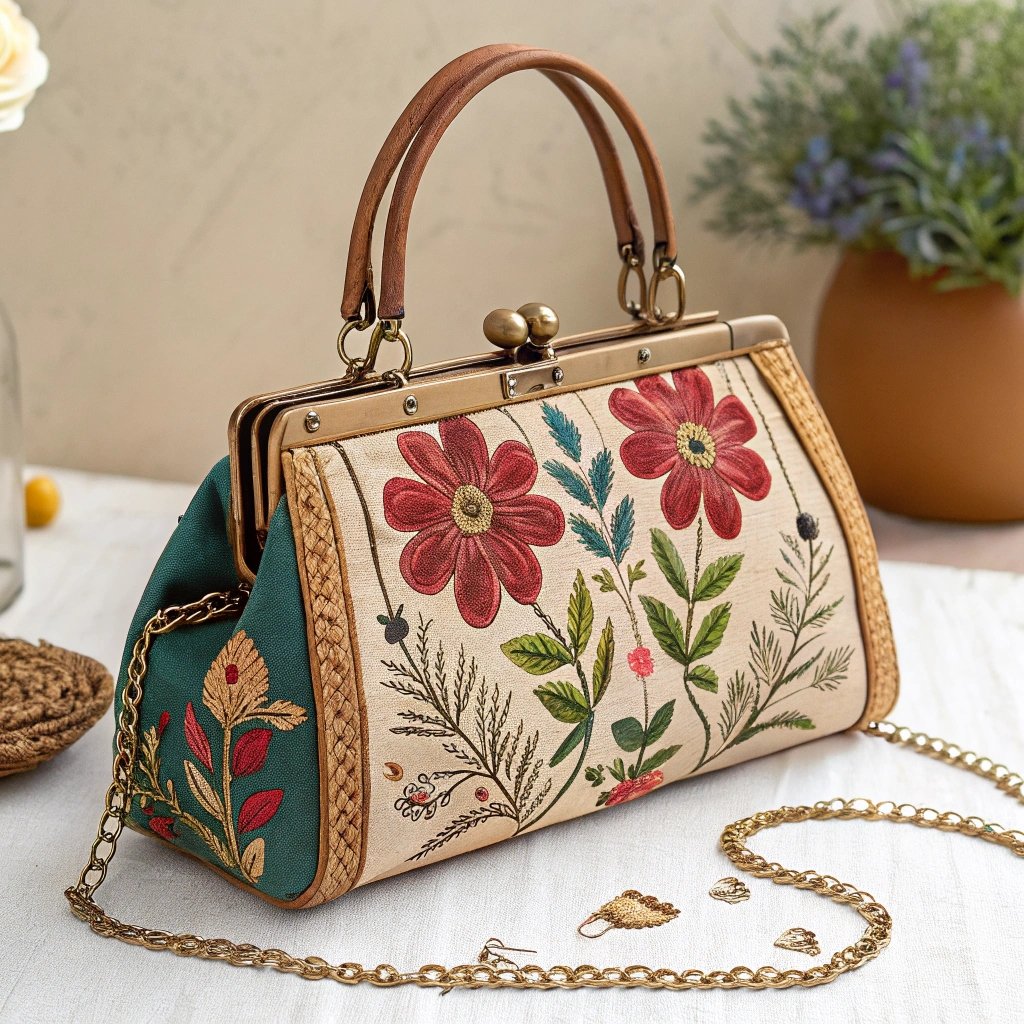
Кошельки можно отнести к текстильным изделиям, если они изготовлены из тканевых материалов, таких как хлопок, брезент или кожа. Однако если кошелек изготовлен из нетканевых материалов, таких как пластик, металл или дерево, он не будет классифицироваться как текстильное изделие.
Кошельки, изготовленные из тканевых материалов, таких как хлопок или кожа, считаются текстильными изделиями, в то время как кошельки из пластика или металла к ним не относятся.
Хотите узнать, считается ли ваша сумочка текстильным изделием? Давайте разберемся в разнице.
Подробнее: Когда сумочка — это текстиль
Текстиль — это ткани, изготовленные из волокон, и когда сумки изготавливаются из таких материалов, как хлопок, брезент, шерсть или кожа, они относятся к текстилю. С другой стороны, если сумка изготовлена из синтетических или жестких материалов, таких как пластик, акрил или металл, она не входит в категорию текстиля.
Какие текстильные изделия изготавливаются из пластика?
Под «пластиковыми текстильными изделиями» понимаются ткани, изготовленные из синтетических полимеров, таких как полиэстер, нейлон и акрил. Эти ткани изготавливаются методом ткачества или вязания, но производятся из материалов на пластиковой основе.
Пластиковые ткани — это ткани, изготовленные из синтетических полимеров, таких как полиэстер, нейлон и акрил, которые отличаются прочностью и водоотталкивающими свойствами.
Хотите узнать больше о текстиле на основе пластика? Давайте разберемся в этом.

Подробнее: Текстиль на основе пластика
Хотя синтетические ткани не подвергаются биологическому разложению, они отличаются прочностью, водостойкостью и зачастую являются более доступными по цене, чем натуральные ткани. Полиэстер, нейлон и акрил — распространенные синтетические материалы, которые используются повсеместно, от одежды до сумок, и представляют собой прочные и водостойкие варианты. Однако из-за своей небиоразлагаемости они создают проблемы для окружающей среды.
Что такое текстильные наборы?
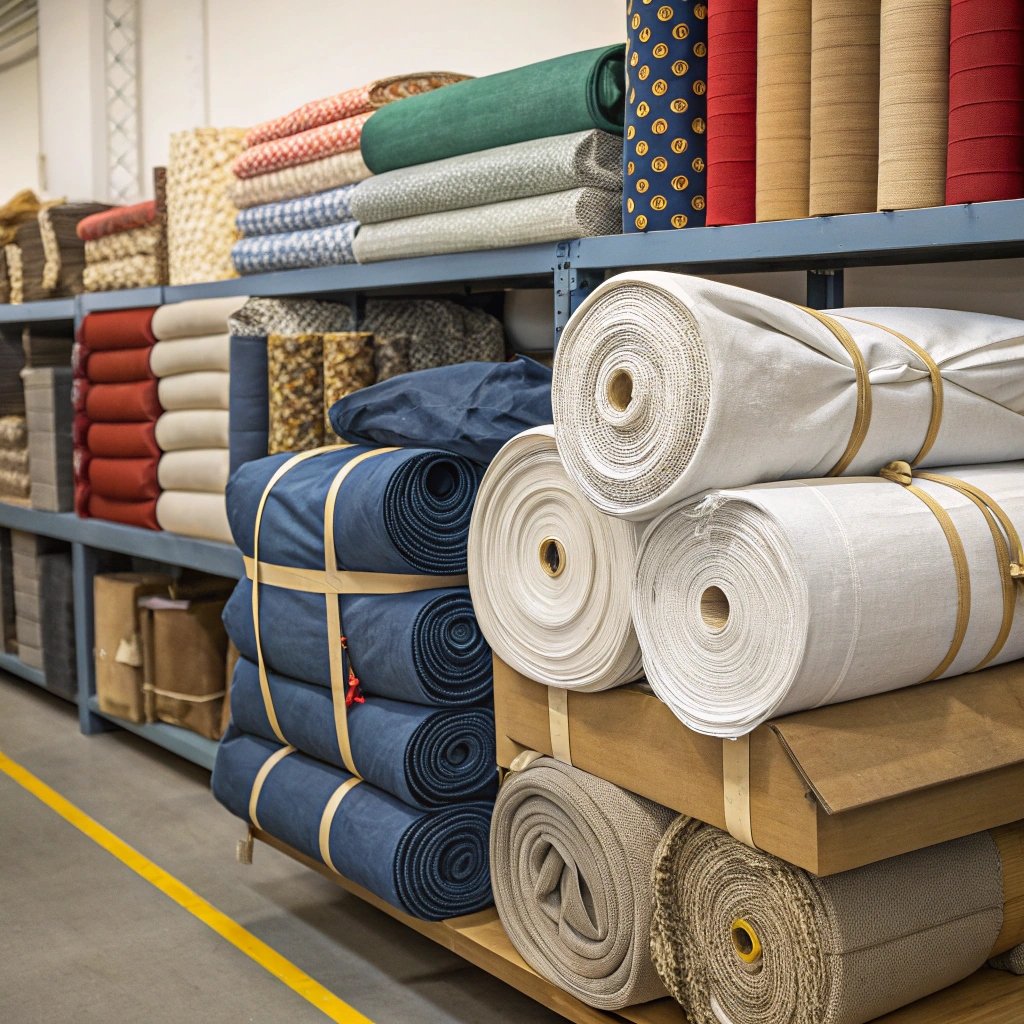
Текстильные наборы представляют собой пакеты с тканевыми материалами, которые часто используются в швейной промышленности или при производстве сумок. Эти наборы содержат заранее отмеренные количества ткани и используются производителями для серийного производства.
Текстильные наборы содержат мотки тканей, используемых при производстве таких изделий, как сумки, одежда и домашний текстиль.
Хотите узнать, как текстильные упаковки используются в производстве? Давайте разберемся.
Подробнее: Текстильные упаковки в производстве
Текстильные упаковки играют важную роль в крупномасштабных производственных процессах, обеспечивая производителей тканью, необходимой для изготовления сумок, одежды и других текстильных изделий. Эти упаковки помогают оптимизировать производство, гарантируя стабильные размеры ткани и упрощая производственный процесс.
Какой материал лучше всего подходит для изготовления сумок для покупок?
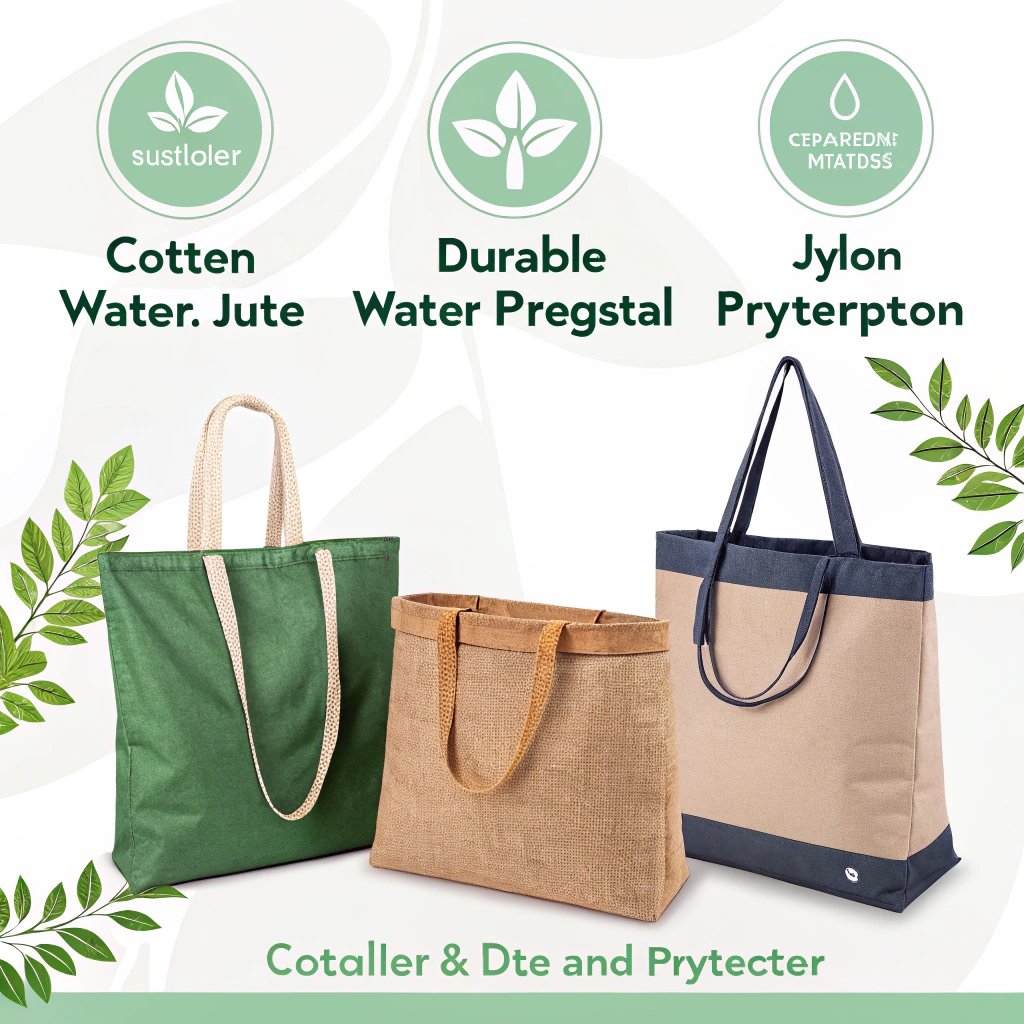
Выбор лучшего материала для сумок для покупок зависит от потребностей покупателя. Хлопок и джут отлично подходят для экологически сознательных потребителей, тогда как нейлон и полиэстер — лучший выбор с точки зрения прочности и водонепроницаемости.
Хлопок и джут идеально подходят для изготовления экологичных сумок для покупок, а нейлон и полиэстер обеспечивают прочность и водонепроницаемость.
Не знаете, какая ткань лучше всего подойдет для ваших покупок? Давайте подробнее рассмотрим лучшие материалы для сумок для покупок.
Подробнее: Лучшие материалы для сумок для покупок
Для покупателей, заботящихся об экологии, хлопок и джут являются лучшим выбором благодаря своей биологической разлагаемости. Если же важна прочность и водостойкость, предпочтение отдается синтетическим материалам, таким как полиэстер и нейлон. Учтите основное назначение сумки — будет ли она использоваться для легких повседневных покупок или для интенсивной и длительной эксплуатации.
Какой материал для сумки лучше всего подходит для международных путешествий?
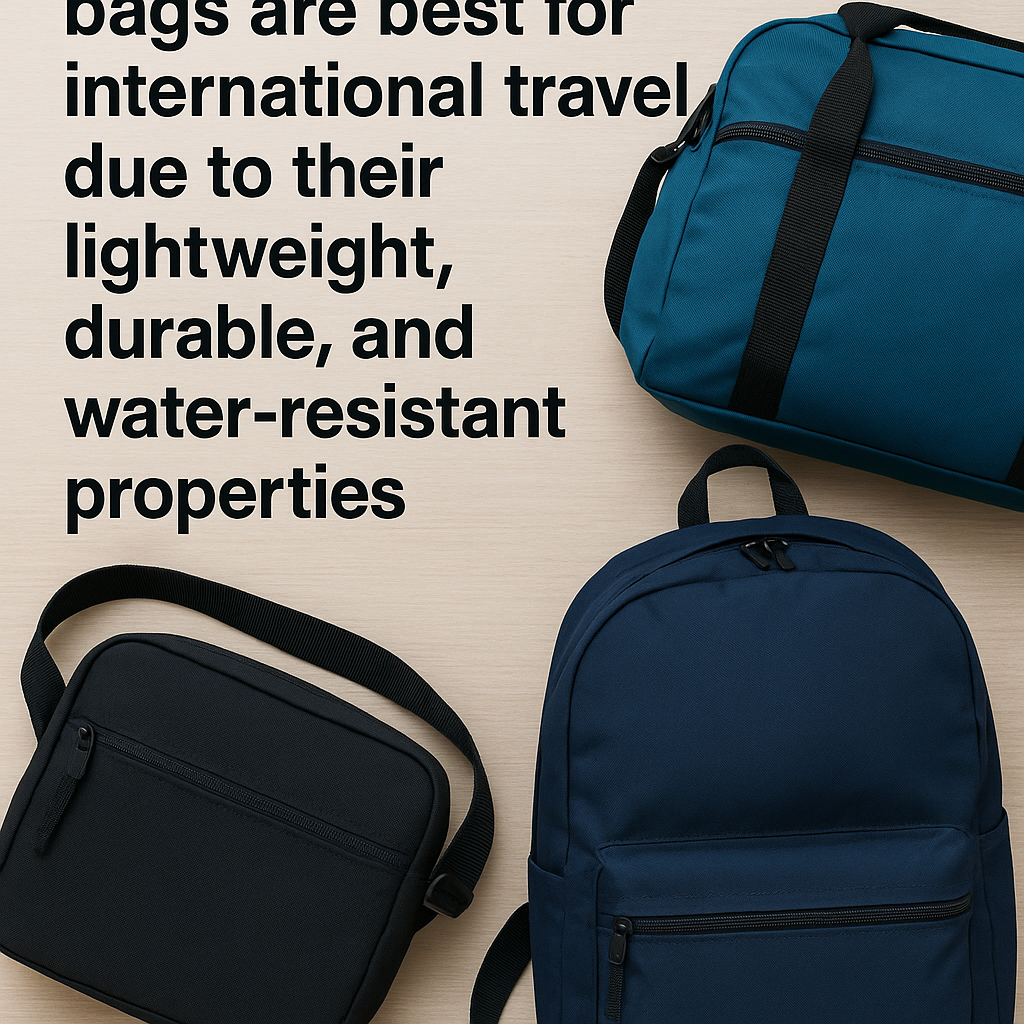
Для международных поездок лучшим выбором являются сумки из нейлона или полиэстера благодаря их прочности, водонепроницаемости и легкости. Эти материалы выдерживают неаккуратное обращение и легко чистятся.
Сумки из нейлона и полиэстера лучше всего подходят для международных поездок благодаря своей лёгкости, прочности и водоотталкивающим свойствам.
Хотите узнать, какой материал лучше всего подходит для дорожных сумок? Давайте разберемся в этом подробнее.
Подробнее: Материалы, из которых изготавливаются дорожные сумки
Нейлон и полиэстер широко используются в производстве чемоданов и дорожных сумок благодаря своей прочности, лёгкости и способности выдерживать суровые условия путешествий. Оба материала обладают водоотталкивающими свойствами, что позволяет защитить ваши вещи от дождя и попадания жидкости во время путешествия.
Как называется ткань, из которой сделана внутренняя часть сумки?
Ткань, находящаяся внутри сумки, обычно называется подкладкой. Подкладка добавляется в сумки для улучшения их внешнего вида, придания им формы и облегчения ухода за ними.
Ткань, находящаяся внутри сумки, называется подкладкой; она придает сумке форму, прочность и эстетичный вид.
Хотите узнать больше о подкладках для сумок? Давайте подробнее рассмотрим этот важный элемент.
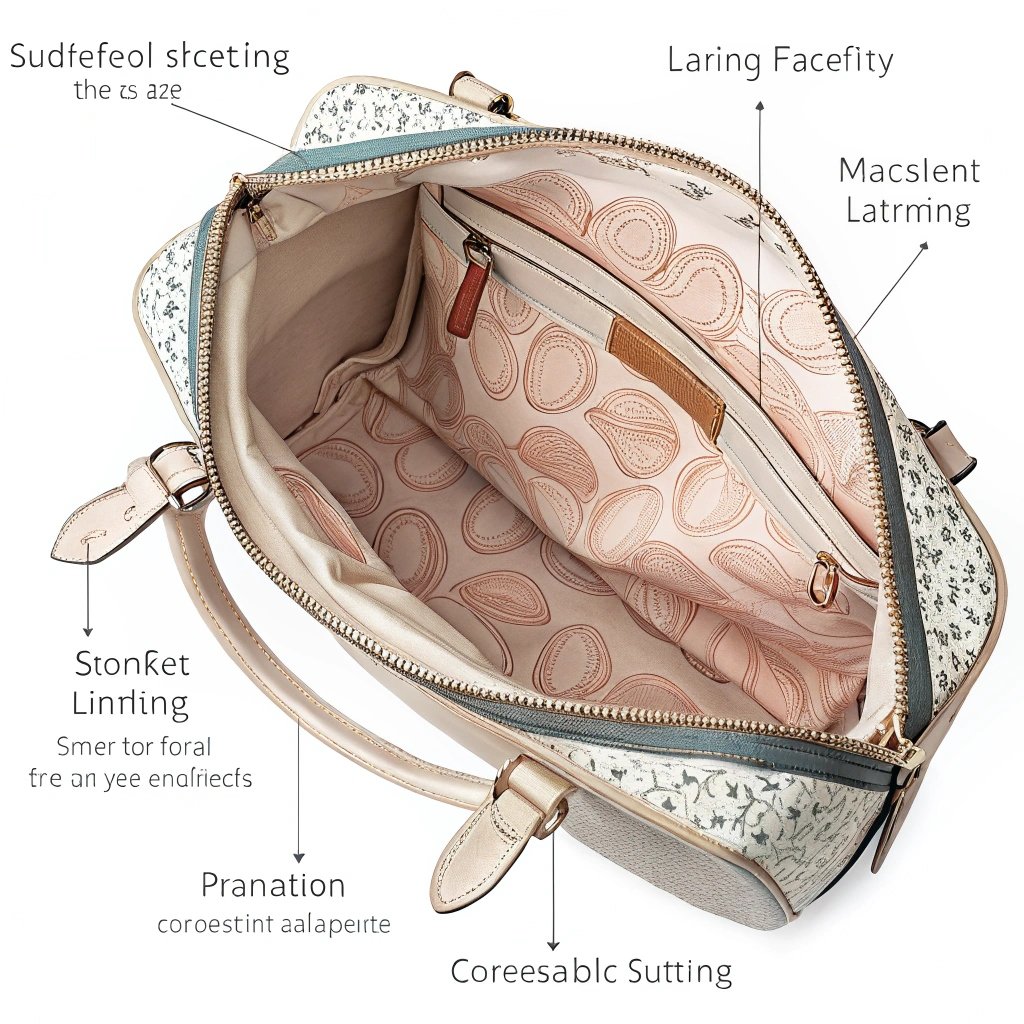
Подробнее: Типы тканей для подкладки
Ткани для подкладки обычно изготавливаются из мягких материалов, таких как хлопок, полиэстер или сатин, в зависимости от дизайна сумки и ее назначения. Для обеспечения прочности в сумках больших размеров часто используются подкладки из нейлона или брезента, тогда как в более роскошных сумочках могут применяться шелк или сатин.
Заключение
Текстильные сумки — это экологичный, универсальный и прочный вариант для повседневного использования. Благодаря широкому выбору материалов, таких как хлопок, полиэстер и джут, можно подобрать ткань для любых целей — от покупок до путешествий.
-
Текстильные сумки изготавливаются из различных натуральных и синтетических волокон, что позволяет выбирать варианты с учетом прочности, текстуры и экологичности.↩

0 комментариев