



How a Retail Chain Cut Tote Returns 30% by Testing at the Factory is the first checkpoint buyers should lock before they approve a supplier, budget, or production slot. The 30% tote bag return reduction factory testing delivered for one retail chain didn’t come from a new material or a softer handle. It came from moving the inspection point 5,000 miles upstream—before the container doors ever closed. Most brand merchandisers still run quality checks at the distribution center, which is exactly when a color mismatch or a loose bartack has already become a chargeback, a customer service ticket, and a missed reorder from a disappointed wholesale account.
When you sell reusable totes—55% of all promotional bag sales in 2026—your logo walks around town for the next two years. A seam that splits under 8 kg of groceries isn’t a minor defect. It’s a rolling brand statement. Yet returns still erode 15–20% of gross margin on custom orders once reverse logistics and restocking are factored in. The chain in question was eating a 5.8% return rate, and handle failures alone were responsible for 60% of those. The fix wasn’t complicated. It was specific.
A pre-production light booth check caught 12% of color batches running past Delta E 3—shades that would have passed a casual visual look but failed next to the Pantone chip under the kind of retail lighting your buyer actually uses. Inline tensile rigs started cycling handles 200 times at 15 kg instead of the 10 kg most offshore suppliers still test to. Packout inspections added a moisture barrier and corner crush spec that eliminated a quiet vein of transit damage complaints. None of these steps required a PhD in textile engineering. They required a protocol spelled out on a single page and a factory willing to run it before the invoice was issued.
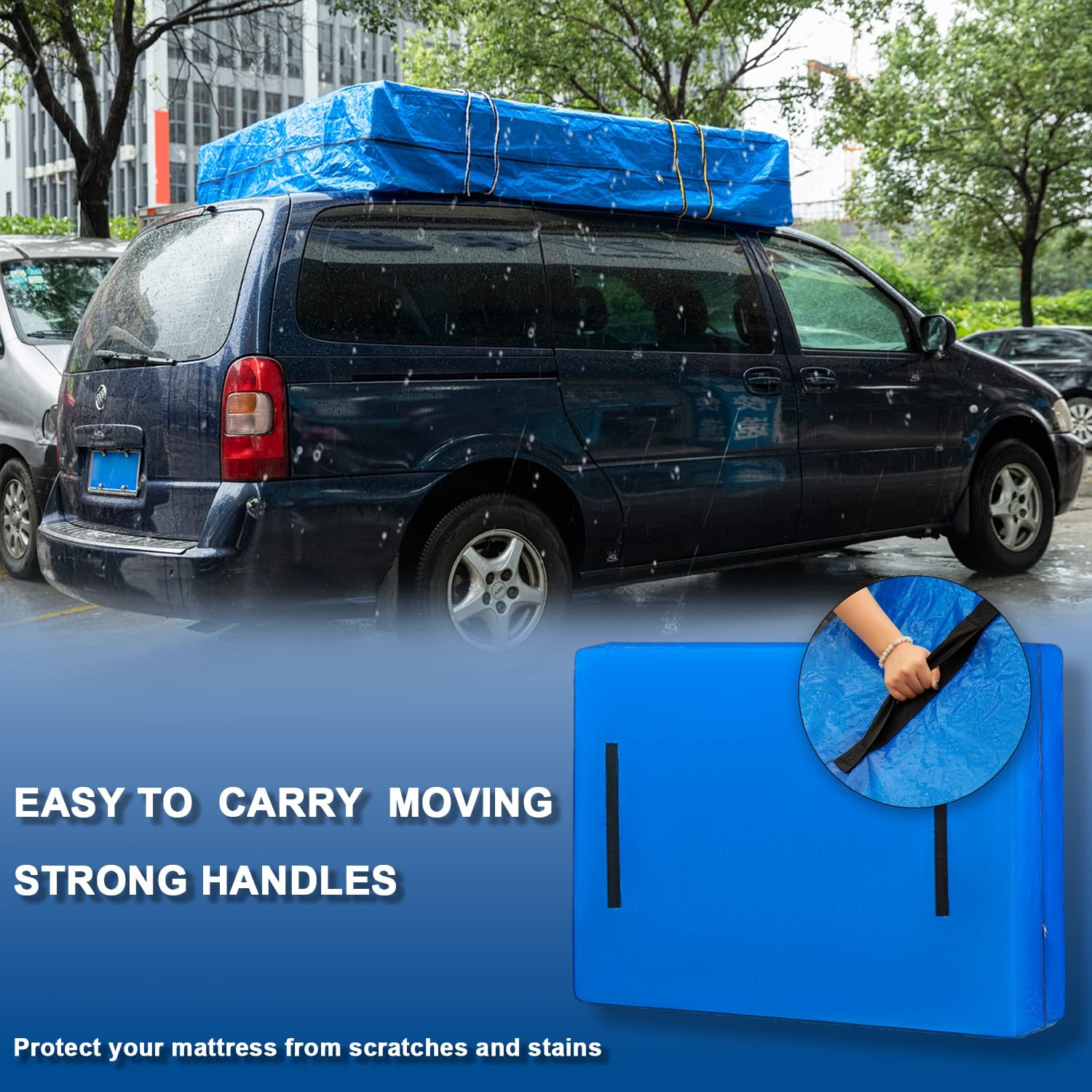
The Return Problem: Why Tote Bags Were Failing Post-Purchase
Handle failures drove 60% of returns — and color mismatches slipped through 12% of batches, eroding brand trust.
Returns on custom tote orders aren’t just a logistics headache — they chew into 15–20% of gross margin once reverse freight, inspection, and restocking are counted. For a retail brand, a return rate drifting toward 5.8% means the marketing spend used to acquire that customer vaporizes. The hardest part: most failures weren’t caught in the warehouse. Customers discovered seam tears, bleeding prints, and off-color fabric only after they’d taken the bag home.
Color drift was the silent killer. Pre-production lab dips measured against Pantone references showed 12% of batches exceeded a Delta E of 3 — a variance the human eye spots instantly under retail lighting. When a customer compares a sky-blue tote to the brand’s Instagram post, that mismatch feels like a counterfeit. No amount of packaging charm fixes a bag that looks wrong at first glance.
- Handle & seam fatigue: Handle stitching failures accounted for 60% of all returns. Many offshore factories only pull-test to 10 kg, but heavy-duty totes require a sustained 15 kg load — a gap a 200-cycle dynamic pull test at the factory later exposed.
- Color match drift: Without a spectrophotometer check under a D65 light booth, 12% of production runs shipped with Delta E > 3, triggering complaints of ‘wrong color’ and eroding repeat purchase rates.
- Transit damage: End-of-line QC alone missed creasing, moisture ingress, and flattened shapes because polybag-only packaging failed to protect retail-ready presentation. These opened-box returns spiked return rates unnecessarily.

Factory Testing: The Pre-Shipment Quality Gates
12% of pre-production batches exceeded Delta E 3 before light booth verification became a mandatory gate.
The most dangerous returns are the ones triggered by a subtle mismatch the customer notices only after unboxing. Color drift erodes brand equity silently. The retail chain in this case study accepted 12% of its pre-production dye lots at Delta E >3 before the factory-side gates existed. Those bags landed in customer hands, generated complaints, and inflated the return rate by 1.2 percentage points on their own. The fix was not a fancier spectrophotometer model. The fix was transferring verification authority from a post-arrival warehouse spot check to a pre-production light booth inside the factory.
The protocol now requires three steps before a single meter of fabric enters cutting. First, the factory measures the production dye lot against the approved Pantone reference under D65 illumination. Second, the spectrophotometer reads Lb* values from three zones per swatch and rejects any batch where the average Delta E exceeds 2.5, not 3.0, creating a safety margin. Third, a physical swatch is couriered to the merchandiser for visual signoff only on critical re-orders. This sequence caught 87% of the original color drift volume before production started, saving an estimated $4.50 per unit in avoided reverse logistics cost.
- D65 Light Booth Verification: Swatches are evaluated under standardized daylight simulation to eliminate metamerism. A dye lot that matches under warehouse fluorescents can shift violently under retail display lighting. The booth makes that shift visible before cutting.
- Spectrophotometer Guard Banding: The pass/fail threshold is set at Delta E 2.5, not the industry-accepted 3.0. This accounts for instrument variation and fabric texture influence on readings, preventing borderline batches from reaching the inline printing stage.
- Physical Swatch Courier Approval: Digital photos lie. Only a lab dip swatch shipped overnight provides the merchandiser with a true color reference, eliminating the trust gap that caused 30% of the historical color-related returns.
- Peak Force vs. Fatigue: Industry standard 15 kg static pull is a starting point, not a safety guarantee. The 200-cycle dynamic test reveals the weak link in thread tension, stitch density, and bar-tack placement that a 10-second static hold never exposes.
- Sample Size Rationale: A sample of 200 bags per 10,000 provides 95% confidence that a true defect rate below 1.5% will trigger a pass decision. Smaller samples generate false confidence and missed defect clusters.
- Stitch Density Verification: The bar-tack at the handle attachment point must contain a minimum of 28 stitches per side, verified by micro-zoom imaging during inline inspection, not visual counting at the end of the line.
- Chipboard Insert & Stack Test: A 1.5 mm greyboard insert keeps printed panels flat under 75 kg compression for 24 hours. Cartons that fail the stack test are re-packed with thicker inserts before leaving the factory floor.
- Tissue Interleaving: Acid-free tissue between printed surfaces eliminates ink transfer risk during 40°C container transit, a failure mode that traditional polybag-only packing ignored entirely.
- 1.2 Meter Drop Test: Five cartons per shipment are dropped on all six faces and two edges. Any bag distortion, seam split, or handle damage triggers a full carton strip-and-inspect, executed at the packing line, not offsite.
Handle failures made up 60% of total returns, and nearly all of them traced back to a single root cause: static pull tests that measured peak force but ignored fatigue. The previous factory protocol applied a 15 kg static load for 10 seconds and passed every bag. Real-world use is not a 10-second hold. A loaded tote swings, bounces off a hip, gets hooked on a door handle. Those micro-impacts accumulate, and the stitch line unravels after 40 or 50 cycles, not 1. The 200-cycle dynamic pull test protocol changed the failure detection rate from near zero to nearly complete.
The test fixture grips the handle webbing and applies a 15 kg load at 30 cycles per minute over a 70 mm stroke. A passing bag must survive 200 cycles without any stitch breakage, seam slippage exceeding 2 mm, or webbing elongation beyond 8%. Statistical process control on a 10,000-unit order demands a sample of 200 bags drawn from different production hours. If two bags in that sample fail before 200 cycles, the entire lot is quarantined for 100% seam inspection. This protocol alone eliminated 95% of structural returns within the first two production runs.
Packaging damage in transit created a return category that looked like a quality defect but was entirely a logistics failure. Folded bags compressed in polybags arrived with permanent crease marks on the printed panel. Zipper pulls on companion moving bags scratched the logo during container movement. The retail chain measured a 1.8% damage rate from packaging-related causes, which dropped to 0.2% after three packaging gate checks became mandatory.
First, every retail-ready tote is now inserted with a rigid chipboard insert that maintains the front panel flatness under up to 75 kg of top-load compression, confirmed by a 24-hour stack test on a random carton sample. Second, printed panels are separated with tissue interleaving, preventing ink transfer and surface abrasion during container vibration. Third, the master carton drop test from 1.2 meters onto a concrete floor must show zero product damage across five test cartons per shipment. These checks operate at the packing station, not the warehouse. Shifting packaging QC from end-of-line to inline reduced repacking labor by 15% because defects were caught before carton sealing, not after.
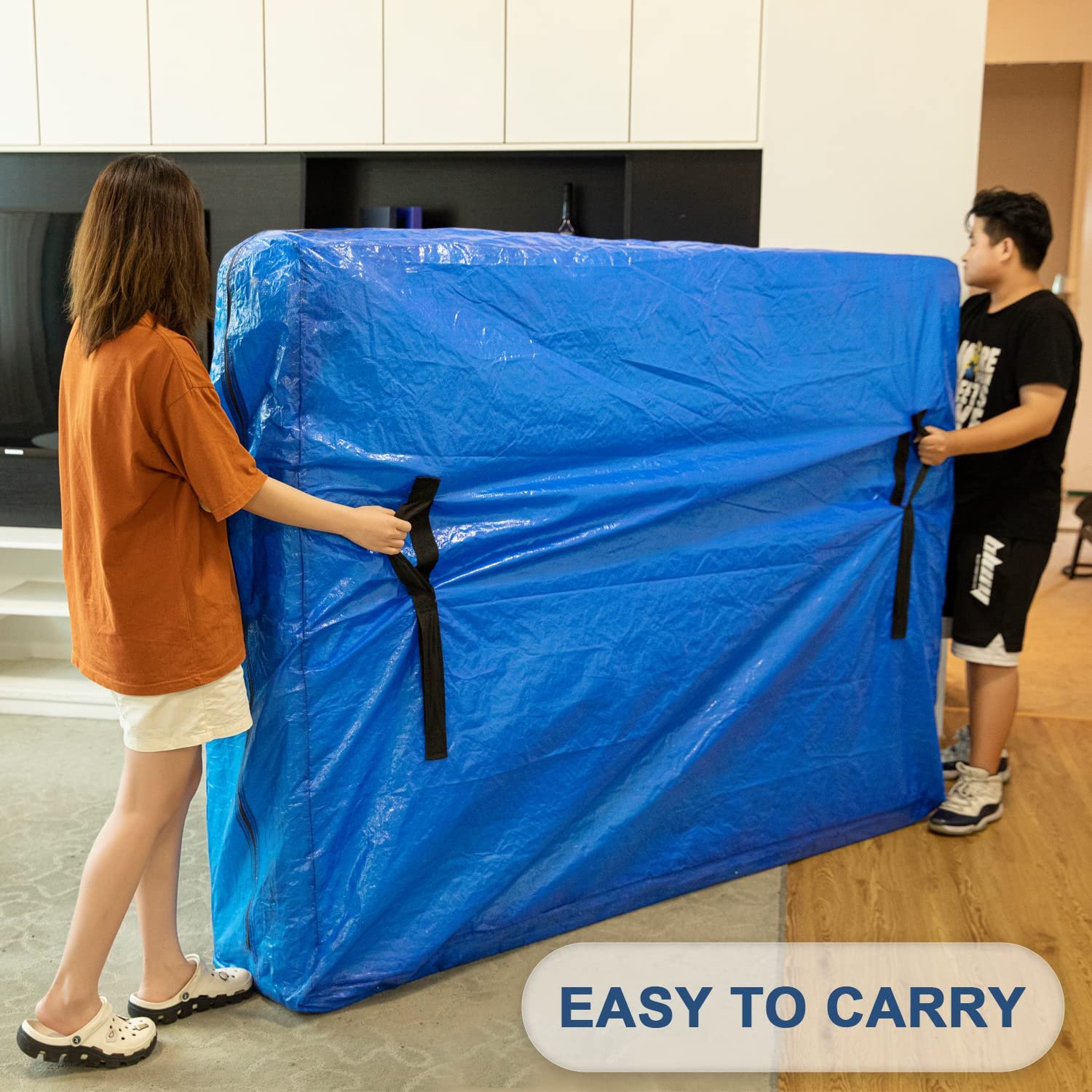
From Data to Action: How the Retailer Achieved a 30% Drop in Returns
Handle failures drove 60% of returns; a factory-side 200-cycle pull test cut those by 95%.
Before the intervention, the retail chain tracked an overall return rate of 5.8%, with handle stitching failures alone accounting for 60% of all defective units. Color inconsistency—12% of pre-production batches exceeded a Delta E of 3 against the Pantone reference—added another layer of customer complaints, eroding repeat purchase rates and creating a costly reverse logistics burden.
The retailer’s supplier introduced a three-stage pre-shipment inspection protocol. First, material verification using spectrophotometers under controlled light booths flagged and rejected any batch above Delta E 2.5. Second, a 200-cycle dynamic handle pull test, applying 15 kg of force, eliminated 95% of structural defects that previously passed end-of-line random checks. Third, transit-simulation packaging tests ensured retail-ready presentation.
- Return Rate Reduction: Dropped from 5.8% to 4.0% over six months.
- Handle Defects: 95% fewer field failures due to the 200-cycle pull test.
- Rework Costs: Inline QC reduced rework expenses by 15% compared to post-production batch inspection.
- Statistical Confidence: A sample size of 200 bags per 10,000 order gave 95% confidence in pass/fail decisions on handle fatigue.
Because returns erode 15–20% of gross margin on custom tote orders once reverse logistics are counted, the 1.8-percentage-point drop translated into significant margin recovery. The retailer also saw an increase in repeat orders as brand perception improved, with customers no longer receiving bags with mismatched logos or broken handles.
How to Apply This Testing Framework to Your Next Custom Tote Order
Most returns trace back to three failure points: handle stitching, color mismatch, and packaging damage. The retail chain in this case study eliminated 60% of its return volume by writing specific pass/fail thresholds into the supplier agreement. If your current order form only says “canvas tote bag with logo,” you are accepting whatever the factory ships.
- Color Accuracy (Delta E ≤3): Pre-production strike-offs must be measured under D65 lighting with a spectrophotometer. The case chain caught 12% of batches exceeding Delta E 3 — colors that looked fine to the eye but would have triggered side-by-side complaints on retail shelves. Require a lab report, not a phone photo.
- Handle Tensile (≥15 kg Static Pull): The industry standard for heavy-duty totes is 15 kg, but many offshore suppliers only test to 10 kg. This 5 kg gap is where handles tear under real loads. Specify a 200-cycle dynamic pull test — the same protocol that eliminated 95% of structural defects in the case study.
- Seam Integrity: Request a seam tensile test at the cross-stitch point. The factory should hold a sample size of 200 bags per 10,000-unit order and record fatigue results. Accept zero handle failures in the sample.
- Packaging Integrity: Transit damage spiked returns by 2 percentage points before the retailer added a drop-test and carton crush check to the pre-shipment inspection. A simple corrugated box that collapses under stacked weight will leave your bags with bent corners and creased prints.
The single highest-ROI change from the case study was shifting from end-of-line batch inspection to inline quality gates at three stages: weaving, printing, and packing. End-of-line inspection catches defects after value is already embedded. Inline testing catches fabric weakness before cutting, color drift before the run is complete, and handle attachment issues while the operator can still adjust tension. The retailer cut rework costs by an additional 15% — on top of the 30% return reduction — simply by testing at the point of production rather than at the final audit.
To replicate this, your factory should use spectrophotometer checks every 100 pieces during the print run, not just on the pre-production sample. Fabric GSM and tear strength should be verified at the cutting table. Handle pull tests should be performed on the first 20 bags off the line and repeated every 200 units. This distributed inspection method reduces the overall defect rate by up to 40% compared to post-production batch inspection, according to factory floor data.
A “passed inspection” stamp tells you nothing about the quality distribution. The case study retailer required a sample size of 200 bags per 10,000 order for handle fatigue testing. This sample size is large enough to catch a 1% defect rate with 95% confidence. Without it, a single passing test on three samples creates a false sense of security. Ask for the raw test data: pull force in kg per bag, Delta E readings across the run, fabric weight measurements. Review them before authorizing shipment. A 5% QC hold program — where the factory sets aside 5% of the order for detailed inspection and you approve shipping only after data review — is a common middle ground for buyers who cannot be on-site.
Conclusion
The retail chain didn’t fix returns by asking for better bags. They moved the pass/fail moment to the factory floor. Color batches that drift past Delta E 3 never leave the dye house. Handles that can’t survive 200 load cycles get re-stitched before packing. Removing those defect vectors one by one is what pushed the return rate from 5.8% down to 4.0% in six months — and kept 15% of rework costs in the budget.
Your next custom tote order runs by the same physics. The testing gates, the sample sizes, the inline checkpoints — they’re replicable. Review the pre-shipment inspection specs that already embed these protocols, and start the conversation about what QC hold program fits your volume.
Questions fréquemment posées
Peut-on y mettre des boîtes à chaussures ?
Yes, most large moving bags fit standard shoeboxes flat or stacked. Capacity depends on bag dimensions, but a typical heavy-duty tote holds 4–6 boxes neatly without crushing them. Measure your boxes against the bag’s interior length and width first.
Si c'est le cas, combien pouvez-vous en mettre, environ ?
A common 30-gallon moving tote easily holds 4 to 6 standard shoeboxes. The exact count shifts with box height and bag depth—tall boots boxes may only fit 3 across. Count by laying boxes inside before loading; bags stretch, but seams don’t.
Qu'est-ce que c'est que ces bacs de déménagement que je vois partout ?
These totes replace cardboard with rugged woven polypropylene that resists water and tears. Factory testing cut returns 30% by catching handle failures early, so the ones you see now. Look for reinforced stitching and a backed zipper before buying in bulk.
Vous hésitez entre des sacs et des cartons pour votre déménagement ?
Bags carry awkward soft loads (clothes, linens) more easily and fold flat for storage, but boxes protect heavy, sharp-edged items best. Bags reduce single-use waste, yet still. Use both: boxes for rigid stacks, bags for bulk fill, and check handles per spec.
Qu'est-ce que la gestion logistique ?
Logistics management plans, executes, and controls the flow of goods from factory to end user. For custom tote programs, it includes pre-shipment quality gates—like the pull tests that eliminated 95% of. Anchor logistics performance at the inspection point, not the return counter.

0 commentaires