



A logo is the most copied asset in a custom bag order. The factory that prints it, the freight forwarder that sees it on every document, and the marketplace seller who photographs a finished sample can all reuse it faster than the brand can react. Protecting a logo overseas is not a legal formality; it is a sequence of decisions made before the purchase order, and this guide covers the five that matter.
What follows is practical guidance for custom bag buyers, not legal advice; registration strategy should always be confirmed with a trademark professional in the target market.
Register where you sell, before you sell
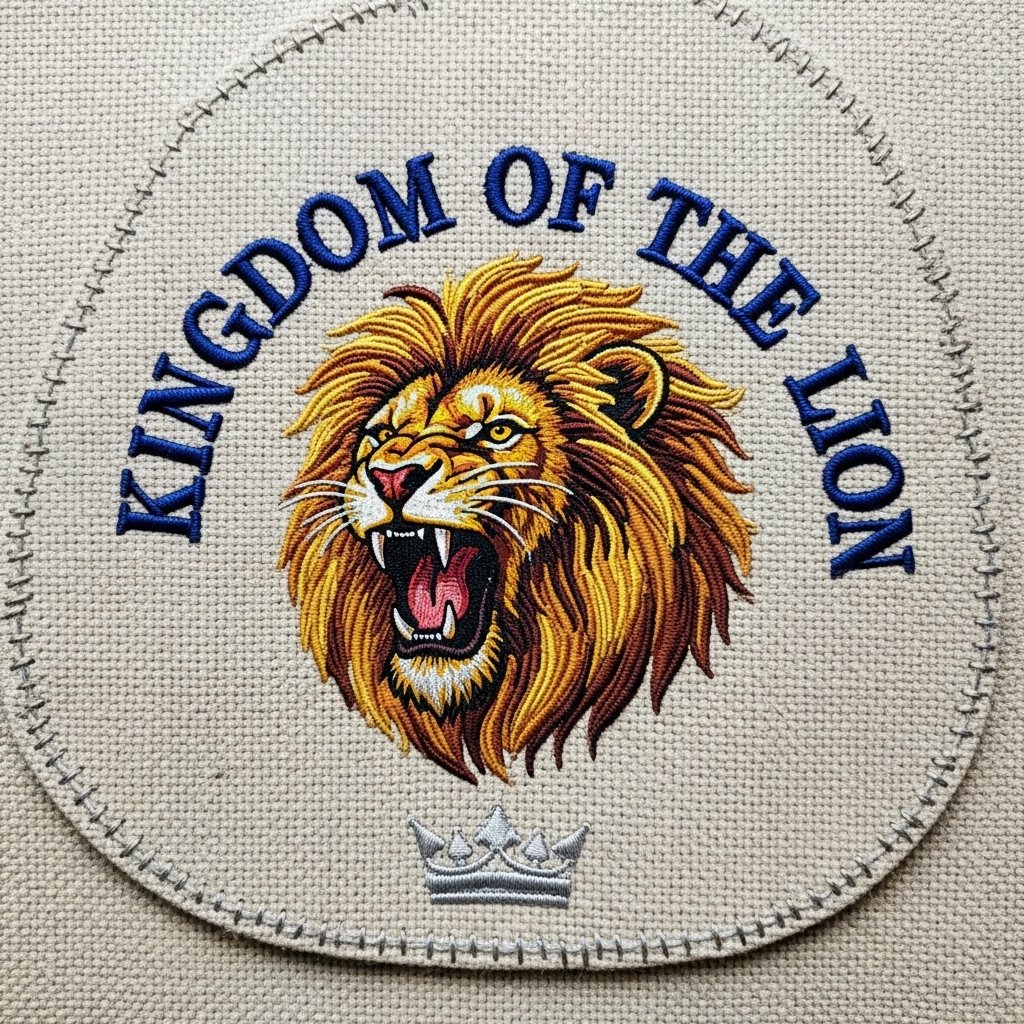
Trademark rights are territorial: a registration in the home market protects nothing in the destination market, and most overseas bag programs are sold into markets where the buyer has no registration yet. The practical sequence is to file in each market of sale before the first shipment, because most systems are first-to-file: the first applicant gets the mark, and a factory or trader who files first can block the brand that actually created it. The Madrid System administered by WIPO lets a brand file one international application and designate multiple countries, which is the standard route for a bag program covering several markets at once. The classes matter as much as the countries: bags are typically covered under class 18 for leather and bags, with class 24 for textiles and class 35 for retail services where the program includes distribution.
Lock the artwork before the factory sees it
The design file that goes to the factory is the seed of every copy. Three controls keep it from spreading. Watermark the working files: send press-ready artwork with a visible watermark until the pre-production sample is approved, and release clean files only with the final confirmation. Log every file transfer: name the file with the version and date, record who received it, and require the factory to delete old versions, because the version in the wild is the version that gets reused. Keep the vector master inside the brand: send the factory a print-ready PDF or color-separated files but hold the editable vector source, so a reprint request has to come back to the brand instead of being generated in the factory’s design room. The file-side controls connect to the color and layout decisions that define the logo in production, which are covered in our Pantone versus CMYK versus RGB color spec guide and our bag print color guide.
Put IP clauses in the purchase contract
The purchase order is the enforceable IP document, and it should carry five clauses. Ownership: the buyer owns all artwork, tooling and print plates created for the order, with a clause that transfers ownership on payment. Confidentiality: a non-disclosure clause covering artwork, samples, customer lists and pricing, surviving the order by two to three years. No reuse: the factory may not reproduce the logo on any other order, sample or portfolio without written consent, including deletion of the design files after final shipment. Quality tie: logo reproduction must meet the approved pre-production sample, with rework at the factory’s cost, the mechanics of which are covered in our private label versus white label comparison. Enforcement: the contract names the buyer’s right to audit factory production records for unauthorized use. Sourcing through an agent rather than direct adds one more layer, because the trading company’s own contracts with the factory sit between the brand and the sewing floor; the difference is explained in our factory versus trading company guide.
Control the sample chain
Samples leak logos in three places. The pre-production sample sent to the buyer travels through customs and couriers with the logo in plain sight. The factory’s sample room keeps masters that outlive the order. The marketplace photo taken from a sample becomes a listing image the brand cannot remove. Practical controls: mark pre-production samples with a removable sticker or a low-resolution logo version, keep the sample count in the contract, and require the return or documented destruction of marked samples after approval. The sample revision loop itself, and how it is documented, is covered in our factory capacity verification guide, and the placement decisions that define where the logo appears on the bag in our tote bag logo placement guide.

Record the mark with customs and marketplaces
Registration only helps when it is connected to enforcement. Two connections matter. Customs recordal: many markets let registered trademark owners record the mark with customs, so border officers can seize counterfeit goods at import; a recorded mark turns the border into the first line of defense. Marketplace enforcement: platforms run takedown programs that require a registered mark in the jurisdiction, and the registration number is the key that opens them; an unregistered brand is effectively unenforceable on most marketplaces. The enforcement layer also protects the ordering side, because a counterfeit listing under the brand name diverts orders the factory should have shipped legitimately. Order-side controls, from RFQ to audit, are covered in our brand-focused bag specification guide, and program-scale production that keeps the mark inside one quality system is on our canvas tote page; site-specific questions go through the contact page.
Frequently asked questions
Do I need to register my logo in every country where bags are sold?
Trademark rights are territorial and most systems are first-to-file, so registration in each market of sale before first shipment is the safe sequence; the Madrid System covers multiple countries in one application.
What trademark classes cover custom bags?
Class 18 covers bags, class 24 covers textiles, and class 35 covers retail and distribution services; a trademark professional should confirm the class list for the program.
Can a factory legally reuse my logo on other orders?
Only if the contract allows it; an IP clause transferring artwork ownership, prohibiting reuse and requiring file deletion after shipment makes unauthorized reuse a breach instead of a gray area.
How does customs recordal protect a bag logo?
Recording a registered mark with customs lets border officers detain counterfeit imports, turning the border into an enforcement point before goods reach the market.



0 commentaires