



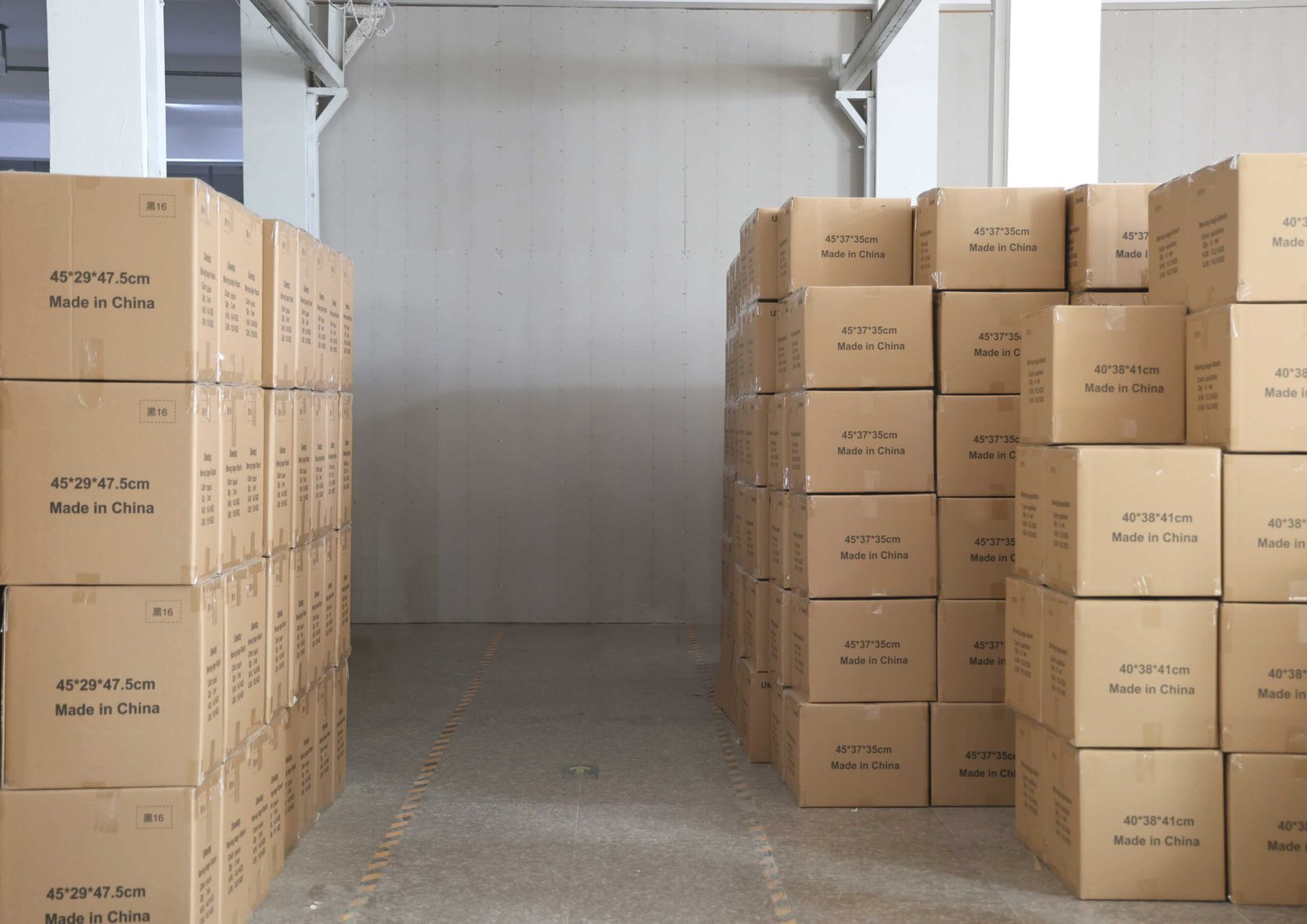
A musty smell in a delivered bag shipment is one of the most expensive quality complaints a supplier can face, because it cannot be inspected out at the destination. The goods have arrived, the odour is in the fibre, and the customer has to decide whether to return them or live with them.
The problem is created days or weeks before the container is loaded, in conditions that nobody thinks to record. Understanding where moisture enters the chain is the whole of prevention.
Where the Moisture Comes From
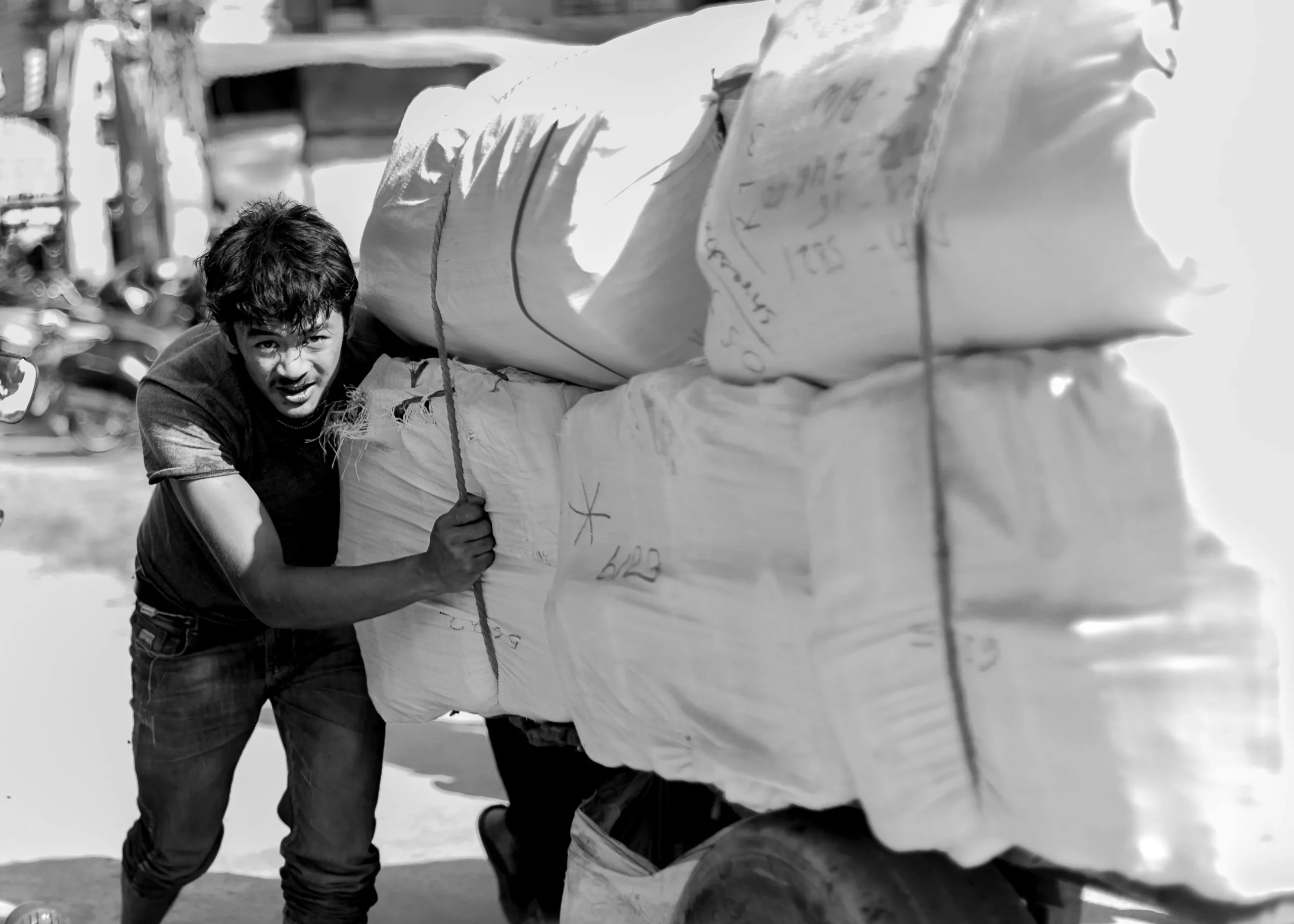
Four sources account for most moisture problems. Fabric that has not fully dried after finishing or washing. Cartons assembled or stored in a humid environment, which carry damp air into the pack.
Packing in a warehouse without humidity control, particularly in coastal or monsoon regions. And condensation that forms inside cartons or containers when warm, moist air cools.
Natural fibre bags are the most exposed because the fibre itself holds moisture. A jute or cotton bag that feels dry can still carry enough water to support microbial growth once it sits in a sealed carton for a few weeks.
Why Odour Appears Before Mould
Microbial activity in damp textile material produces odour compounds well before visible mould colonies develop. By the time a buyer sees spots on a bag, the problem has been developing for some time.
This is why the sense of smell is a legitimate inspection tool at the factory. A carton that smells musty when opened should be investigated rather than shipped, even if the bags inside look perfect.
Smell also survives when appearance is corrected. Washing or wiping a damp bag may remove visible mould and leave the odour in the fibre, which is the version of the problem that generates claims.
The Conditions That Prevent It
EPA indoor air quality guidance on moisture and mould sets the practical humidity threshold: keep indoor relative humidity below 60 per cent, and ideally between 30 and 50 per cent, and mould does not establish itself. The same principle governs a warehouse and a loaded container.
Air movement matters as much as humidity. Stagnant air allows moisture to accumulate in the microclimate around a stack, so bags that are stacked against a wall or under a leaking roof can spoil while the room itself is acceptable.
Timing is the third control. Finished bags should be packed promptly and shipped on schedule rather than stored for extended periods in uncontrolled space. A bag that sits for three months in a humid season accumulates risk that no packing method can fully offset.
Packing Choices That Help
Inner packing is the last line of defence. Polybagging individual bags, or bundling in tens inside a sealed inner bag, limits the spread of moisture from one damp unit to the whole carton.
Desiccants help where the route or the storage conditions justify them, provided they are sized for the volume and the journey. An undersized desiccant sachet in a large carton absorbs very little and creates a false sense of protection.
Carton design also matters. Ventilation openings let a carton breathe, which is useful in dry conditions and counterproductive in humid ones. The choice should follow the route and season rather than a single house standard, and the wider question of how cartons behave in a container is described in our notes on container moisture damage.
Verifying Fabric Before Packing
Two checks before packing catch most problems. A moisture reading on finished goods, recorded against the order, which turns a subjective judgement into a number. And a smell check when a carton is opened, which is quick, free and remarkably sensitive.
Both belong in the pre-shipment inspection routine alongside the physical checks. Where a discrepancy is found, the resolution is to dry and repack rather than to ship and hope, and the cost difference between those two decisions is enormous.
Laboratory testing has a role as well, but it is the wrong tool for this question. A test report supports a claim about substances, not about how a warehouse has been operating, and reading reports correctly is a separate skill described in our notes on how to read a bag lab test report.
What to Require From a Supplier
Five requirements make storage problems rare: a stated moisture content for finished goods, packing within a defined window after finishing, humidity control in the packing area, inner packing appropriate to the route, and a moisture and odour check recorded before the container is sealed.
Where a programme ships natural fibre bags through humid seasons, these requirements are worth writing into the purchase order rather than discussing as preferences. Our jute and burlap range documents the moisture figures for each construction, so the requirement can reference a real number instead of an instruction to be careful.
FAQ
Why do bag shipments smell musty on arrival?
Usually because moisture was present in the fibre or packing and microbial activity developed during storage or transit, producing odour before any visible mould.
What humidity prevents mould in storage?
EPA guidance keeps relative humidity below 60 per cent, ideally 30 to 50 per cent, which prevents mould establishing itself.
Do desiccant bags help?
They help when sized for the carton volume and journey length. Undersized desiccants provide little protection and create false confidence.
How can it be checked before shipping?
With a moisture reading on finished goods and an odour check when cartons are opened, both recorded against the order.
Which is worse, ventilation or sealing?
It depends on the route. Ventilation helps in dry conditions and works against you in humid ones, so the choice should follow the shipment rather than a house standard.
Video: Inspection and Quality Control in Manufacturing
If you have received a musty shipment or want to prevent one, send the route and the storage conditions. Our bag production team will come back with packing and moisture requirements for the programme.



0 commentaires