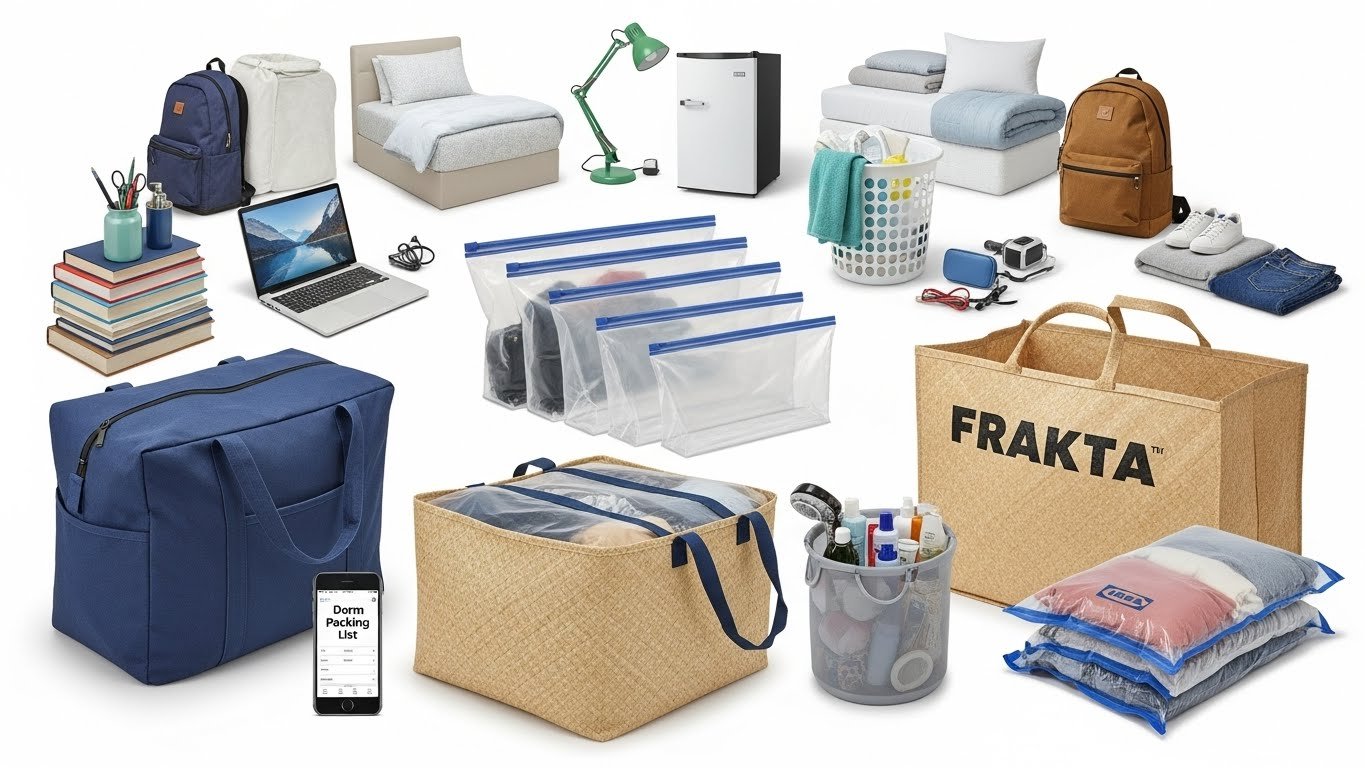

Using a moving bag as checked luggage can save money, but it comes with risks. Without knowing the rules, travelers can face steep overweight fees or find their belongings damaged upon arrival. The key is understanding how to pack and prepare your bag for air travel to avoid these common issues.
This guide clarifies TSA and airline policies, offers tips for avoiding the 50lb fee, and explains what to do if your bag is damaged, ensuring your move goes smoothly.

The TSA Rules: Can Flexible Bags Be Checked?
✅ Quick Answer: Yes, the TSA allows flexible bags like duffels and soft-sided luggage as checked baggage. There are no specific rules that require bags to be hard-sided. The key is to make sure your bag meets the airline’s specific size and weight limits, which are usually around 62 linear inches and 50 pounds.
TSA’s Official Stance on Bag Types
When it comes to checked luggage, the Transportation Security Administration (TSA) is more concerned with what’s inside your bag than what the bag is made of. The agency permits all kinds of flexible bags, including duffels, garment bags, and standard soft-sided suitcases.
There is no official TSA rule that states checked luggage must be rigid. The responsibility for setting material or structural requirements falls entirely on the individual airlines. As long as your bag is securely closed and meets your airline’s rules, it will be accepted by the TSA for screening.
Airline Size and Weight Limits to Know
While the TSA is flexible on bag type, airlines are very strict about dimensions and weight. Exceeding these limits often results in expensive oversized or overweight baggage fees. Before you fly, check your airline’s specific policy.
Most major carriers follow a similar standard:
- Size Limit: The total dimensions (length + width + depth) of the bag should not exceed 62 linear inches.
- Weight Limit: The standard maximum weight is 50 pounds (23 kg) for economy class on most domestic and international routes.
- ⚠️ Carrier Variations: Some airlines might allow up to 55 pounds on certain international flights or for different fare classes, but you should always confirm directly with your carrier before packing.
Ensuring Your Flexible Bag is Travel-Ready
A flexible bag is a great option, but its durability is crucial for surviving the journey through airport conveyor belts and cargo holds. In our experience manufacturing heavy-duty transport bags, a few key features determine if a bag is up to the task.
Here’s what to check before you head to the airport:
- ✅ Structural Integrity: The bag must be made from a tough, tear-resistant material. Look for features like reinforced seams and double-stitched webbing on the handles to prevent them from ripping under a heavy load.
- ✅ Secure Closures: Check that all zippers are heavy-duty and close smoothly. If the bag has buckles or clips, make sure they fasten securely to keep contents from spilling out.
- ✅ Final Measurement: After packing, measure and weigh your bag yourself. It’s your responsibility to ensure the final packed dimensions and weight are within your airline’s limits.

How to Secure Zipper Pulls for Air Travel
Securing zipper pulls for air travel involves using devices like cable locks, clips, or even duct tape to prevent unauthorized access to your luggage. The most effective methods physically join two zipper pulls together, making them difficult for thieves to open quickly, especially in crowded airports or during transit.
Using Cable Locks for Maximum Security
A cable lock is one of the most reliable ways to secure your luggage. You simply thread the flexible cable through the holes of two zipper pulls and lock them together. This physically prevents anyone from pulling the zippers apart to open the bag.
Unlike traditional padlocks with rigid shackles, cable locks offer more versatility. Their thin construction fits through almost any zipper pull, making them a universal solution for different types of bags. For travelers with multiple pieces of luggage, a single lock with a longer cable can even secure two packs together, adding another layer of difficulty for would-be thieves.
Quick Deterrents: Zipper Clips and Interlocking Pullers
If you’re looking for a simple, lightweight deterrent against casual theft, zipper clips are an excellent choice. These small, inexpensive devices attach to your zippers, making them harder for a pickpocket to open quietly or quickly without you noticing. They don’t offer the same security as a lock, but they effectively disrupt opportunistic thieves.
An even simpler trick is to use the zipper pulls themselves. Many bags feature interlocking pullers designed to fit together. By linking them, you create a minor obstacle that can be just enough to make a thief move on to an easier target.
Practical Security Hacks for Transit
When you’re in transit, especially on overnight trains or buses, a few low-cost hacks can add peace of mind. Applying a strip of duct tape over your zipper pulls and taping them together is surprisingly effective. It’s noisy and difficult to remove, which draws attention and slows down any attempt to access your bag.
💡 Another useful trick for when you’re sleeping is to drape a raincoat or a crinkly plastic bag over your luggage. If someone tries to tamper with the zippers, the noise can act as a natural alarm, waking you before your belongings are compromised.
Built-In Anti-Theft Features
Modern luggage often comes with integrated security features that provide robust protection. When shopping for a new bag, look for designs with built-in anti-theft technology.
- ✅ Puncture-Resistant Zippers: These zippers are designed to prevent thieves from forcing them open with a sharp object like a pen—a common method for breaking into standard luggage.
- ✅ Locking Mechanisms: Some high-security bags feature zippers that require a twist-and-lock action before they can be pulled, adding a crucial step that foils quick theft attempts.
- ✅ Interior Pockets: For your most valuable items like passports, cash, and electronics, consider wearing clothing with multiple secure interior zipper pockets. This keeps essentials on your person and out of accessible bags.
In our experience manufacturing heavy-duty bags, the quality of the zipper itself is the first line of defense. A bag with reinforced stitching and robust, heavy-duty zippers is fundamentally more secure and resistant to force.

Wrapping Moving Bags: Shrink Wrap vs. Straps
Shrink wrap provides complete protection against damage, weather, and theft for moving bags. It can be costly and is often cut by TSA. Straps offer basic security and are reusable, making them a simpler alternative for most travel.
| Feature | Shrink Wrap | Luggage Straps & Reusable Covers |
|---|---|---|
| Protection Level | ✅ High. Creates a waterproof and durable shield against scratches, scuffs, stains, and splits during rough baggage handling. It also allows you to bundle smaller items together. | ✅ Moderate. Reusable covers protect from surface damage like scratches and dirt. Straps primarily prevent zippers from bursting open under pressure. |
| Security & TSA Screening | ⚠️ Problematic. While it acts as a tamper-evident seal, TSA will cut through the wrap for security inspections. This voids your investment and leaves the bag unsecured for the rest of its journey. | ✅ Hassle-Free. Security agents can easily unclip straps or remove covers to inspect luggage and then re-secure them. This works well with quality TSA-approved locks. |
| Cost & Reusability | ❌ Single-Use Cost. You must pay to wrap your bag for every trip, adding a recurring travel expense. | ✅ Cost-Effective. A one-time purchase provides a reusable solution for dozens of trips, offering much better long-term value. |
| Convenience | ❌ Low. Wrapping takes time and often requires arriving at the airport early. Once wrapped, you cannot access anything inside your bag. | ✅ High. Straps and covers are quick to apply and remove, giving you easy access to your belongings when needed. |
| Environmental Impact | ❌ High Waste. Creates single-use plastic waste that contributes to pollution. | ✅ Sustainable. Reusable options significantly reduce waste, making them a more environmentally responsible choice. |
Get a Free Design & Quote for Your Custom Heavy-Duty Bags
We engineer fully branded, tear-resistant bags for logistics, moving, and storage professionals who demand reliability. Submit your specs to receive a free digital mockup in just 12 hours.

Weight Distribution: Avoiding the 50lb Fee
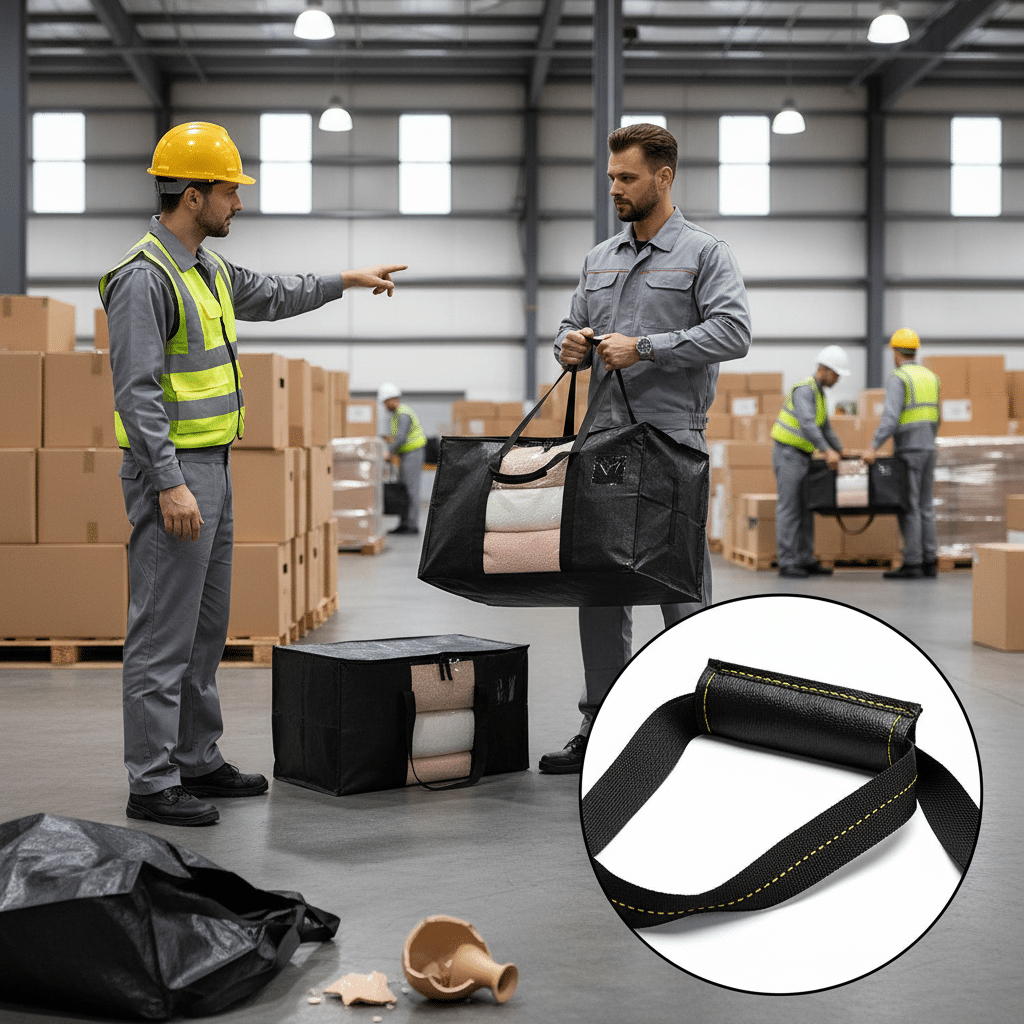
💡 Managing weight distribution is a critical strategy for avoiding airline baggage fees. Most US airlines enforce a 50-pound limit not just for revenue, but as a regulated safety measure for baggage handlers. Strategic packing helps travelers prevent steep overweight charges and ensures a smoother airport experience.
The 50-Pound Rule and Why It Exists
Most U.S. airlines limit standard checked bags to 50 pounds (23 kg). This isn’t just an arbitrary number; it’s a key safety measure for baggage handlers. Union regulations often require two people to lift any bag that weighs more than 50 pounds, so the limit helps maintain operational efficiency and protect workers from injury.
While 50 pounds is the general rule, allowances can vary based on your ticket type or loyalty status.
- ✅ Standard Economy: 50 lbs (23 kg) per checked bag.
- 🚀 First/Business Class & Elite Status: Often increased to 70 lbs (32 kg) per bag.
- ⚠️ Always Verify: Check your specific airline’s policy before you fly, as rules can differ.
The High Cost of Overweight Baggage Fees
Exceeding the weight limit can lead to surprisingly high fees that catch many travelers off guard. These charges are a significant source of revenue for airlines and are strictly enforced at the check-in counter. The cost depends on the airline, route, and how much you’ve gone over the limit.
Here’s a general breakdown of what to expect:
- Domestic U.S. Flights: Fees for bags weighing 51-100 lbs typically range from $50 to $100.
- International Flights: Many carriers charge per kilogram or pound over the allowance, which can add up very quickly. For example, a 10 kg (22 lb) excess on certain international routes could cost anywhere from £100 to £500.
Strategies for Smart Weight Distribution
A few simple packing strategies can save you from paying unnecessary fees. The goal is to pack smart before you even leave for the airport.
- Weigh Your Bag at Home: The most crucial step is to use a luggage scale before you leave. These are inexpensive and give you an accurate reading, so there are no surprises at check-in.
- Balance the Load: Distribute heavier items evenly throughout your suitcase. Placing dense items near the wheels can help with stability, but balancing the overall load prevents strain on the bag’s zippers and handles. In our experience manufacturing bags, a well-balanced bag is far easier and safer to lift.
- Shift Heavy Items: If your checked bag is right at the limit, move a few heavy items like shoes, books, or electronics into your carry-on bag.
- Wear Your Heaviest Gear: Don your bulkiest clothing, such as a heavy coat, sweater, or hiking boots, on the plane. This frees up significant weight and space in your luggage.
What to Do If Your Bag Arrives Damaged
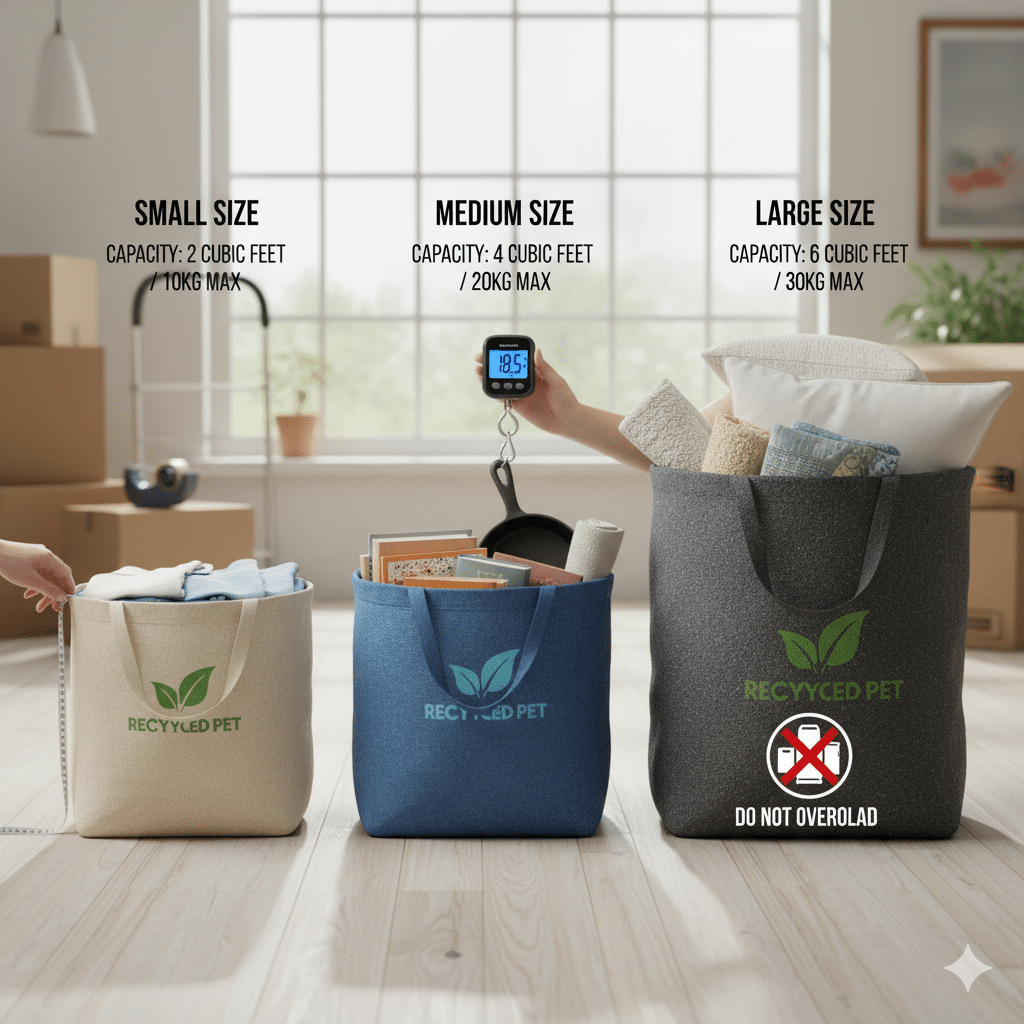
If your bag arrives damaged, inspect it at baggage claim before leaving the airport. Document all damage with photos and immediately report it to the airline’s baggage service office. Filing a report in person within the airline’s strict time limits is critical for compensation.
Step 1: Inspect and Document Damage Immediately
The moment you retrieve your bag from the carousel, inspect it thoroughly. Airlines operate on strict deadlines for reporting damage, some as short as four hours (Southwest) or 24 hours (American) after your flight lands. Acting quickly at the airport is your best strategy.
Before you approach the baggage service desk, gather your evidence. A strong claim is built on clear documentation:
- ✅ Take Detailed Photos: Capture images of the external damage, any affected items inside the bag, and the luggage barcode tags stuck to your bag.
- ✅ Create an Inventory: Make a complete list of everything that was damaged. You may not be able to add items to your claim after it’s been filed, so be thorough.
Step 2: Report the Damage in Person
Once you have your documentation, go directly to the airline’s baggage service office, which is usually located in the baggage claim area. Do not leave the airport. Filing a report in person is the most effective way to start the claims process.
At the office, you will need to complete the required paperwork. An agent will assess the damage and provide you with a claim number. ⚠️ Keep this number safe, as you’ll need it to track your claim’s progress. If you’ve already left the airport, call the airline immediately. They will likely require you to return with the damaged bag to file the report.
Step 3: Understand Airline Coverage Limitations
Airlines have specific rules about what they will and will not cover. Managing your expectations can help you navigate the process. Claims are often denied for issues that are not the airline’s direct fault.
Common exclusions include:
- ❌ Normal Wear and Tear: Minor scuffs, scratches, or dents that don’t affect the bag’s functionality.
- ❌ Overpacking: Damage caused by stuffing too much into your suitcase.
- ❌ Inherent Defects: In our experience, airlines may deny claims if the damage is due to the bag’s poor quality or a pre-existing flaw. This highlights the importance of using heavy-duty, well-constructed luggage.
- ❌ TSA Inspections: Damage caused by security screenings is typically not covered by the airline.
In Canada, carriers can be liable for up to approximately $2,780, but even then, they can refuse a claim if they determine the damage resulted from the bag’s inherent quality.
Step 4: Submit Your Formal Written Claim
The in-person report at the airport is just the first step. You must follow up with a formal written claim, usually submitted through the airline’s online portal. Major carriers like American and Delta have dedicated sections on their websites for this.
Pay close attention to submission deadlines. Canadian regulations, for instance, require you to submit your formal claim within 7 days of receiving your damaged bag. Some U.S. carriers have a 24-hour deadline for reporting missing items from a damaged bag. When you submit, be sure to include all your documentation, photos, and the claim number from the airport.
Step 5: Explore Additional Compensation Options
If the airline’s compensation is insufficient or your claim is denied, you may have other options. Don’t assume the airline is your only source of reimbursement.
Two key avenues to explore are:
- 💡 Travel Credit Card Insurance: Many travel-focused credit cards offer baggage insurance as a perk. Review your card’s benefits and file a claim with them using the documentation you’ve already gathered.
- 💡 Reimbursement for Expenses: If the damage made your bag unusable and you had to buy a replacement or other essential items, request reimbursement. Include legible receipts for these purchases with your formal claim.
Best Moving Bags for International Relocation
For international relocations in 2026, the right moving bag is crucial. Success depends on balancing airline weight restrictions with durability and practicality. The best options maximize packing capacity without adding significant weight, offering features suited for the rigors of global transit.
TIIOCTI Custom Heavy-Duty Moving Bags
🏆 Best for: Professional moving companies, Storage service providers, Logistics and warehouse teams, Global retailers
TIIOCTI engineers custom heavy-duty moving bags specifically for professional logistics, international relocation, and bulk storage operations. Each bag is designed to handle the rigors of commercial transit, featuring reinforced, double-stitched webbing handles tested to support loads of 20–25 kg. This robust construction ensures reliability when navigating demanding airport baggage systems and cargo holds, providing a secure solution for moving companies and global retailers managing high-volume inventories.
The bags are constructed from durable, tear-resistant woven polypropylene (PP) with a waterproof polyethylene (PE) coating. This material provides superior protection against moisture, impacts, and damage during long-haul shipping. For businesses transporting sensitive or high-value goods, this feature is critical for maintaining asset integrity from the warehouse to the final destination, minimizing losses and ensuring client satisfaction across the supply chain.
Full customization allows businesses to align the bags with their operational and branding needs. TIIOCTI offers custom dimensions to meet specific airline regulations, Pantone color matching, and high-quality logo printing for enhanced brand visibility. Practical features like transparent panels simplify customs inspections, while the sturdy, box-like structure improves stacking efficiency in warehouses and shipping containers. As an SGS and BSCI certified supplier, TIIOCTI delivers a professional-grade solution that streamlines complex global moves.
Key Information:
- 📍 Location: Global Supplier (Factory-Direct)
- 🏭 Main Products: Custom Heavy-Duty Moving Bags, Wholesale Storage Bags, Branded Organizer Bags
- 🛒 Main Markets: Professional moving companies, Storage service providers, Logistics and warehouse teams, Global retailers
Pros & Cons:
| What We Love | Things to Consider |
|---|---|
|
|
VENO Moving Bags with Backpack Straps
🏆 Best for: Individual movers, International travelers
VENO Moving Bags cater to a specific segment of the personal logistics market, offering a practical solution for international travelers and individual movers. The design’s defining feature is the integration of backpack straps, which directly addresses the challenges of navigating busy airports, train stations, and other transit hubs. This key innovation provides users with hands-free mobility, freeing them to handle passports, tickets, or other luggage without sacrificing carrying capacity. It’s a targeted design for personal relocations where navigating crowded spaces independently is a primary concern.
The product effectively merges the generous storage capacity of a traditional moving bag with the ergonomic portability of a backpack. This hybrid approach proves invaluable when managing obstacles like stairs, escalators, and long walks to a final destination. For individuals relying on public transportation upon arrival, the ability to carry belongings on their back simplifies the entire journey. The design prioritizes maneuverability, transforming a potentially stressful transit into a more streamlined and manageable experience for the end-user.
By distributing weight evenly across the shoulders and back, VENO bags significantly reduce physical strain compared to conventional hand-carried totes or single-strap duffels. This focus on user comfort is a major practical advantage for anyone needing to transport a substantial volume of items without professional assistance. While professional movers may prioritize stackable, rigid containers, VENO offers a superior solution for personal relocations where ease of transport and individual comfort are the highest priorities.
Key Information:
- 📍 Location:
- 🏭 Main Products: Moving Bags with Backpack Straps
- 🛒 Main Markets: Individual movers, International travelers
Pros & Cons:
| What We Love | Things to Consider |
|---|---|
|
|
Frequently Asked Questions
Can I check a moving bag on a plane?
Yes, airlines generally treat moving bags like regular suitcases. The key is to ensure they meet the airline’s specific size and weight restrictions. For most carriers, the standard limit is 62 linear inches (calculated by adding length + width + height) and a maximum weight of 50 pounds. You should expect to pay standard checked bag fees, typically $30–$35 for the first bag. Exceeding the limits can lead to significant additional fees, often ranging from $75 to $200.
What are Southwest Airlines’ rules for checking moving bags?
As of 2026, Southwest Airlines has introduced fees for checked baggage. The first checked bag typically costs around $35 and the second is about $45. However, certain travelers, such as A-List Preferred members or those flying Business Select, may still be eligible for free checked bags. The bag must comply with the standard 50-pound maximum weight and 62-inch total dimension limits.
How should I pack a moving bag for a flight?
To pack a moving bag effectively for a flight, place the heaviest items at the bottom to create a stable base. Use softer items like clothing or towels as padding to keep the contents from shifting. It’s also wise to secure the bag with strong tape, paying extra attention to corners and seams. ⚠️ Always keep valuable or fragile items, like electronics, in your carry-on luggage. Be aware that bags on narrow-body aircraft are often stacked in open cargo holds, which increases the risk of crushing damage.
What is the best type of duffle bag to check on a flight?
The best duffle bags for checked luggage are durable, lightweight, and offer a large capacity. A 60L size is often recommended as a good balance. Top-rated options include the Eagle Creek Cargo Hauler 60 for its all-around performance and the REI Roadtripper 60 as a more budget-friendly choice. Choosing a bag that weighs under 2.5 lbs helps maximize your packing allowance while staying under the airline’s typical 50-pound limit to avoid overweight fees.
Do airlines accept IKEA bags as checked luggage?
Airline policies on accepting IKEA bags as checked luggage can be inconsistent, so acceptance is not guaranteed. Some carriers, like Delta, have been known to reject them at check-in. Others, such as American and Southwest, are often more lenient. To increase your chances, it’s best to contact the airline directly before your flight or consider securely wrapping the bag in plastic.
What is the maximum weight for a checked bag?
The standard maximum weight for a checked bag in economy class is 50 lbs (23 kg). Passengers flying in premium cabins, such as business or first class, often have a higher allowance, usually up to 70 lbs (32 kg) per bag. Bags weighing more than 70 lbs are typically not accepted as checked luggage and may need to be shipped separately as cargo.

Final Thoughts
Using moving bags for international travel is a smart strategy when you prepare them correctly. Success depends on following airline rules—primarily the 50-pound weight and 62-linear-inch size limits. Ensuring your bag is made from durable, tear-resistant material and securing it with reusable straps instead of shrink wrap will protect your belongings without creating issues during TSA inspections. These simple preparations make all the difference at the check-in counter.
This proactive approach helps you avoid expensive overweight fees and the stress of a damaged or rejected bag. A successful international move starts with smart packing choices that protect both your budget and your belongings. Investing in a well-constructed bag and packing it strategically turns a potential travel headache into a seamless part of your journey, letting you focus on the destination ahead.