



Tote bag printing methods compared on paper all look similar, but on a cost sheet and a wash test they diverge fast. Screen printing, heat transfer, and sublimation each own a different corner of the order book: volume, small runs, and full-color polyester. Choosing the wrong method for your order size and fabric costs real money in setup fees and returned goods.
The decision has three variables: run quantity, fabric composition, and artwork. A 200-piece order on canvas with a two-color logo points one way. A 5,000-piece order on polyester with a photographic print points another. This guide lays out the cost curves and the durability data for each method, so you can specify printing with the same confidence you bring to fabric and handles.
Why Print Method Is a Unit-Cost Decision
Every printing method carries a setup cost and a unit cost, and the crossover points decide everything. Setup is paid once per design; unit cost is paid per bag. At 100 pieces, a high setup is fatal. At 5,000 pieces, the same setup becomes noise. Most tote buyers underprice this split and end up paying screen setup prices for a run that should have used heat transfer, or vice versa.
Fabric composition is the second variable, and it is non-negotiable. Screen printing and heat transfer work on cotton, canvas, and non-woven PP. Sublimation only works where the fabric contains at least 65% polyester or carries a polymer coating. A buyer who falls in love with a sublimation sample, then switches to cotton for the bulk order, has switched to a different method whether they know it or not.
Artwork is the third variable. Spot-color logos print well with screens. Photographic or gradient art needs sublimation on polyester or direct-to-garment (DTG) on cotton. The color count in your logo sets the screen count, and each screen adds setup dollars. Simplify the artwork once, and every method gets cheaper.
Screen Printing for Tote Bags
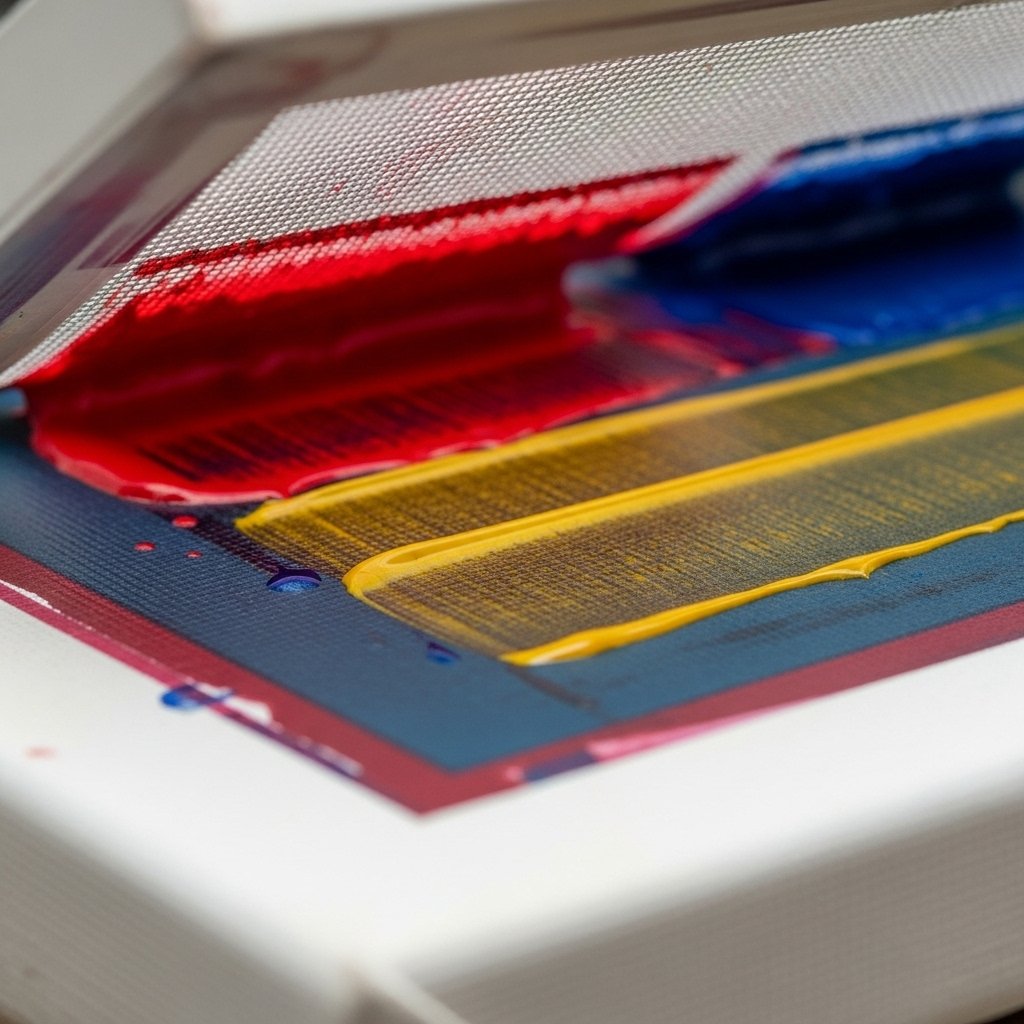
Screen printing pushes ink through a mesh stencil onto the fabric, one screen per color, and it is the default method for tote bags above 500 pieces. Setup runs $40-120 per screen, so a two-color logo on one side costs $80-240 in setup before the first bag is printed. At 1,000 units, unit cost lands in the $0.15-0.45 range depending on color count and ink coverage.
Durability is the method’s real selling point. Plastisol and water-based inks cure into the fabric surface, and a properly cured screen print on cotton or canvas survives 30-50 wash cycles before noticeable fading. That durability matters for reusable totes, because the bag is laundered and reused for years, and the print is part of the product’s usable life.
The trade-off is artwork complexity. Screen printing handles spot colors and bold graphics well, but photographic prints need halftones and extra screens, which push cost up fast. A six-color photographic job can hit $300-500 in setup alone, at which point sublimation on polyester becomes the smarter route for that artwork.
Heat Transfer for Tote Bags
Heat transfer presses a printed carrier film or vinyl onto the fabric with heat and pressure. Setup cost is near zero because there are no screens, which makes the method the cheapest option below 300 pieces. Unit cost runs $0.60-1.50 depending on print size and ink coverage, higher than screen at volume but with no setup penalty on small runs.
Durability is the weak point. Heat transfer prints sit on the fabric surface rather than bonding into it, and they typically survive 10-25 washes before edges lift or the print cracks. On a promotional tote used a handful of times, that is fine. On a reusable grocery tote washed weekly, the print can fail before the bag does.
Where heat transfer wins outright is full-color small runs. A 150-piece order with a photographic logo costs a fraction of the same order screen printed, because there is no screen setup and no halftone engineering. Event totes, staff gifts, and product launches sit squarely in heat transfer territory, and most factories can turn them around in days.
Sublimation for Tote Bags
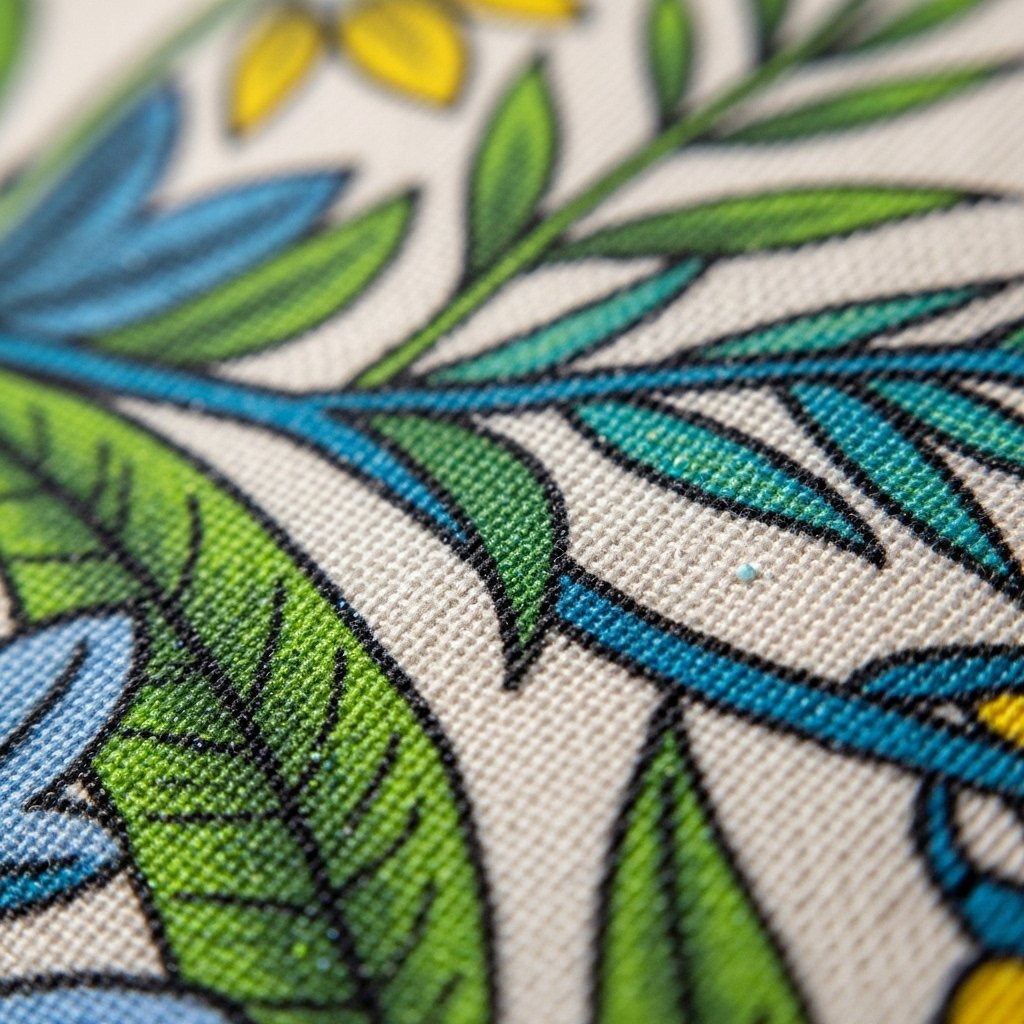
Sublimation turns dye into gas under heat and pressure, and the gas bonds with polyester fibers at a molecular level. The print becomes part of the fabric, which means no cracking, no peeling, and no fading for the life of the bag. For polyester totes, sublimation is the most durable method available, and it handles photographic color with zero extra setup.
The hard constraint is the fabric. Sublimation requires at least 65% polyester content or a polymer-coated surface, and cotton, canvas, and most non-woven PP reject the dye entirely. A buyer printing on 100% cotton canvas must use screen printing or heat transfer, no matter how much they prefer the sublimation result they saw on a poly sample.
Cost sits between the other methods: unit pricing in the $0.35-0.80 range at volume, with no per-color setup. The minimum practical run sits around 200-300 pieces because of the digital printing and press setup. Lead time runs slightly longer than heat transfer. For polyester shopping totes and sports bags with full-color branding, sublimation is the method that makes the product look premium and stay premium.
Side-by-Side Comparison Table
| Factor | Serigrafía | Transferencia de calor | Sublimation |
|---|---|---|---|
| Setup cost | $40-120 per color | Near zero | Low, digital art |
| Unit cost at 1,000 | $0.15-0.45 | $0.60-1.50 | $0.35-0.80 |
| Wash durability | 30-50 washes | 10-25 washes | Permanent |
| Color range | Spot colors | Full color | Photographic |
| Fabric match | Cotton, canvas | Most fabrics | 65%+ polyester |
| Best order size | 500+ pieces | Under 300 | 300+ on poly |
Read the table as three decision axes, not three competitors. Axis one is volume: small runs favor heat transfer, large runs favor screen printing. Axis two is fabric: cotton and canvas rule out sublimation. Axis three is artwork: photographic color forces sublimation on polyester or DTG on cotton. A tote order that resolves all three axes has one obvious method left.
Which Method for Which Order
Orders under 300 pieces with a simple or full-color logo should print with heat transfer. The zero setup cost keeps the total bill low, and the 10-25 wash durability is enough for event totes, staff kits, and launch giveaways. Ask the factory for a vinyl-grade that survives more washes, and confirm the ink bond on a sample before the full run.
Orders from 500 to 10,000 pieces on cotton, canvas, or non-woven should print with screens. The setup is paid once, unit cost collapses, and the 30-50 wash durability matches the reusable life of the bag. Keep the logo to two or three colors, and the per-unit cost stays in the range retailers can price on. For natural-fiber lines, check the canvas totes range, where screen printing is the standard finish.
Polyester totes with photographic or gradient branding should use sublimation, from about 300 pieces up. The print is permanent, the color is true to artwork, and there is no per-color setup ladder. For custom shopping tote bags and sports drawstrings on poly, sublimation is the method that justifies a premium price at retail.
When the fabric is cotton and the artwork is photographic, none of the three methods is ideal, and DTG (direct to garment) is the fourth option worth asking about. DTG prints full color directly onto cotton at unit costs between screen and heat transfer, with durability close to screen. It is not in every factory’s line, so ask specifically.
QC Checks That Protect the Print
Whatever method you choose, the pre-production sample is where the print gets locked. Run a wash test on the sample: 5 wash cycles at normal household settings, then check for cracking, peeling, and color fade. Compare the result against the Oeko-Tex testing standards your factory references for ink and material safety, and photograph the sample before and after.
Alignment is the second check. Measure the print position on the sample against the tech pack, both sides and both handles. Misaligned logos are the top print defect in bag QC. The fix is a jig or registration mark at the factory, and that fix only gets set if the sample catches the problem first. The custom tote printing QC process covers the full checklist from artwork to carton.
Finally, confirm the method in writing on the purchase order. Buyers sometimes approve a screen-printed sample, then find the mass production run used heat transfer to hit a price target, and the two prints do not match. The PO line should name the method, the ink type, and the wash-test standard, so the sample and the bulk run are the same product. That one line prevents the most common print dispute at the distribution center.
Spec the right print for your tote order
TIIOCTI prints screen, heat transfer, and sublimation on custom totes, with wash-tested samples and a locked print spec on every bulk order. Free samples ship within days.
Preguntas frecuentes
Which tote bag printing method is most durable?
Sublimation on polyester is permanent because the dye bonds with the fiber. Screen printing on cotton and canvas lasts 30-50 washes. Heat transfer cracks first.
Which method is cheapest for small orders?
Heat transfer, because setup cost is near zero, making it economical below 300 pieces. Screen printing wins on unit cost above 500 pieces.
Can sublimation print on cotton totes?
No. Sublimation needs at least 65% polyester or a polymer-coated surface. Cotton and canvas require screen printing or heat transfer instead.
How many colors can I print on a tote bag?
Screen printing handles 1-6 spot colors, with setup cost per color. Heat transfer and sublimation print full color and photographic art without per-color setup.
How do I verify print durability before bulk production?
Run 5 wash cycles on the pre-production sample and check for cracking, peeling, and fade. Lock the method and wash standard in the PO.
Conclusión
The tote bag printing method decision comes down to three numbers: order size, fabric content, and color count. Small runs print with heat transfer, volume runs on cotton print with screens, and polyester totes with photographic art print with sublimation. Match the method to those three variables and the cost curve and the wash test both come out right.
- Screen printing: best unit cost above 500 pieces, 30-50 wash durability.
- Heat transfer: near-zero setup, ideal under 300 pieces, shorter durability.
- Sublimation: permanent full color, requires 65%+ polyester fabric.
- Always wash-test the sample and name the method on the PO.
TIIOCTI offers screen, heat transfer, and sublimation on custom tote bags with wash-tested samples, BSCI-certified production, and DDP delivery. Send your artwork and quantity for a method recommendation and sample.
Printing results depend on fabric weight. See our Oxford fabric weight guide for 300D vs 600D vs 900D specs that affect print quality.
A wine distributor’s switch from cartons to printed padded tote bags cut bottle breakage by 62 percent on delivery routes.
Ink choice changes both durability and compliance: the printing comparison pairs with the Prop 65 guide for printed bags when California is a target market.


0 comentarios