



A subscription box that ships a 12 by 12 by 4 inch mailer can fit a folded canvas tote that becomes the brand’s most photographed asset, and the tote adds 40 to 90 cents to unit cost at subscription volumes. The decision is not whether the box can hold a bag; it is whether the bag survives the mailer dimension rules, prints well enough for the unboxing video, and earns back its cost in retention. Most subscription programs that add a reusable tote see it used beyond the first box, which is exactly the retention mechanic the subscription model needs.
This guide covers sizing for the mailer, print routes that hold up in unboxing, the unboxing sequence itself, and the unit economics at subscription volumes.
Cost figures below are working ranges from production practice; every program should be confirmed against current quotes.
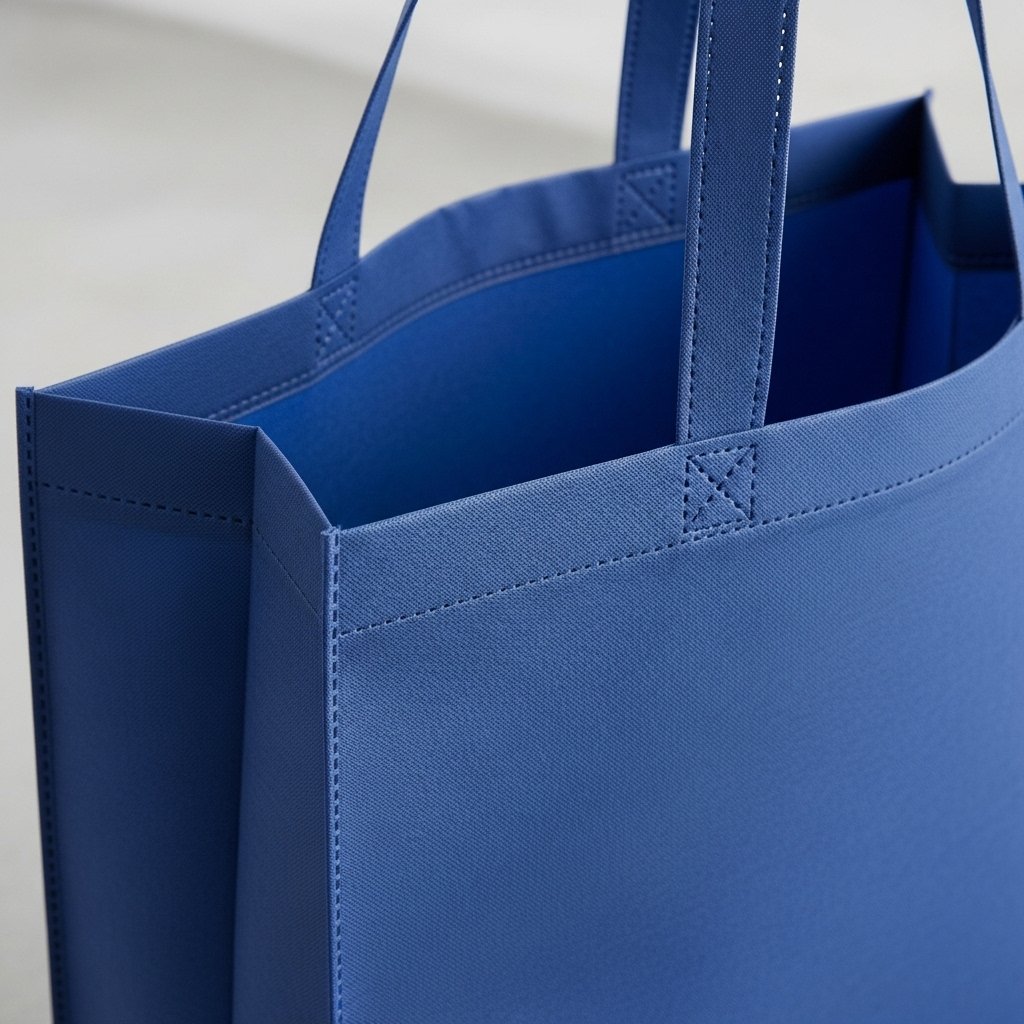
Sizing for the mailer, not for the product
Subscription totes have two masters: the product inside and the mailer outside. The bag must fit folded inside the box with the product, and its folded footprint decides the box size, not the other way around. A common pairing is a 14 by 16 inch tote folded to 7 by 8 by 1.5 inches, which sits flat under a 12 by 12 inch mailer’s product layer, or a 16 by 20 inch tote folded to 8 by 10, which needs a 14 by 14 box and adds dimensional weight. Mailer cost follows dimension: USPS commercial pricing treats packages over 1 cubic foot as dimensional weight parcels, so a box that grows from 12 by 12 by 4 to 14 by 14 by 5 can add 1.50 to 3.00 dollars in postage per shipment at commercial rates, which is more than the tote itself. The rule is to prototype the folded bag in the actual mailer before ordering bulk, because fabric fold thickness varies by material: 210-denier nylon packs to half the thickness of 10-ounce canvas. The domestic shipping rules that govern these parcels are published by the United States Postal Service at usps.com/business, and the standard size bands for tote programs are laid out in our standard tote size guide.
Print routes that survive the unboxing video
The unboxing moment is photographed under phone lighting, close up, sometimes in motion, and the print must read instantly. Screen printing gives the flat brand color that photographs best, at 20 to 50 dollars per screen setup and per-bag rates that fall with volume; for a 1-color logo at 2,000 pieces, all-in print cost lands at 0.25 to 0.45 dollars per bag. Digital printing suits photographic or gradient designs at 0.90 to 1.80 dollars per bag and skips setup, which suits small test runs of 100 to 500 bags before the subscription proves out. Sublimation on polyester totes gives full-edge color that never cracks, at 0.60 to 1.10 dollars per bag, and is the strongest route when the tote itself is the design canvas. The full crossover math between screen and digital is in our screen versus digital printing guide, and wash durability matters even here: subscribers reuse the bag, so the print should pass the wash-test method in our color fastness testing guide.

The unboxing sequence: where the tote earns its place
Subscription boxes are opened in a ritual: outer mailer, inner tissue or insert, product, and the closing moment. The tote works best as the closing layer, the last thing lifted out, because it is the item most likely to be reused and therefore the one that keeps the brand in the subscriber’s daily environment. Three design choices reinforce that role. First, the tote should carry the subscription’s visual identity, not a logo watermark, because the bag photographed beside the product is the shareable frame. Second, the bag’s print should include a small functional cue, like a reinforced base or an interior pocket, that makes it genuinely useful beyond the box, since usefulness, not branding, drives retention. Third, the tote should arrive unfolded and uncreased where budget allows, which adds roughly 0.10 to 0.20 dollars per bag in packing labor but changes the first impression. Programs that ship cold-chain or insulated products have an additional option in our cooler and insulated bag range, where the tote doubles as the thermal layer.
Unit economics at subscription volumes
At subscription scale the tote price follows volume bands. At 500 bags, a 1-color canvas tote runs 1.80 to 2.60 dollars per bag with tooling spread thin; at 2,000 bags, 1.40 to 2.00 dollars; at 10,000 bags, 1.10 to 1.60 dollars, with fabric cost dominating below 2,000 pieces and print cost dominating above. A 10,000-subscriber program adding a tote at 1.30 dollars per unit spends 13,000 dollars per box cycle, which recovers if the tote lifts retention by even one percentage point over two cycles, a threshold most programs clear because the bag is the one item subscribers keep. The logistics side of this math, how reusable packaging programs scale across fleets and reorders, is documented in our pet food brand packaging case study, and the per-order cost model follows the same curve our grocery chain reusable tote study measured at retail scale.
Frequently asked questions
What tote size fits a standard subscription mailer?
A 14 by 16 inch tote folded to 7 by 8 by 1.5 inches sits under the product layer of a 12 by 12 inch mailer; larger totes force a bigger box and dimensional weight postage.
How much does a custom tote add to subscription unit cost?
Roughly 1.40 to 2.00 dollars per bag at 2,000 pieces for a 1-color canvas tote, falling to 1.10 to 1.60 dollars at 10,000 pieces.
Which print route is best for unboxing photos?
Screen printing for flat brand colors that photograph best; sublimation for full-edge color that never cracks; digital for photographic or gradient designs on small test runs.
Why put a tote in a subscription box at all?
It is the one item subscribers keep and reuse, which makes it the retention asset of the unboxing; usefulness, not branding, drives that retention.
The tote is the retention asset
Every other item in a subscription box is consumed, displayed, or discarded. The tote is the exception, the object that leaves the unboxing and enters the subscriber’s routine. Programs that size it to the mailer, print it for the camera, and place it as the closing layer of the unboxing turn a 40 to 90 cent packaging line item into the box’s most durable marketing surface. Custom totes across our canvas tote range and shopping bag range are quoted with mailer-fit packing plans included.
A seasonal bag line is planned on a calendar, not on a demand spike; our retail bag design calendar walks the lead-time math from shelf date backwards.
Related: phasing a reusable bag program on one collection before scaling it
Related reading: Wine Bottle Tote Bags: The Retail Category Most Programs Ignore



0 Comments