



A uniform rental service processing 12,000 garments a day spends most of its labor hour on sorting, not washing. In a 90-day pilot, one mid-size rental operation replaced its paper ticket sorting with seven color-coded fabric return bags and cut sorting time by 35 percent while dropping misroutes by two-thirds. The change cost less than one week of the labor it saved, and it survived 80 industrial wash cycles without a printed label failing.
This case study walks through the sorting bottleneck, the color-coding design, the measured results, and the details a rental service should replicate or adjust.
Results below are from the pilot operation and were measured by its own line supervision; they are reported as observed, not as guarantees for another plant.
The problem: sorting was the bottleneck
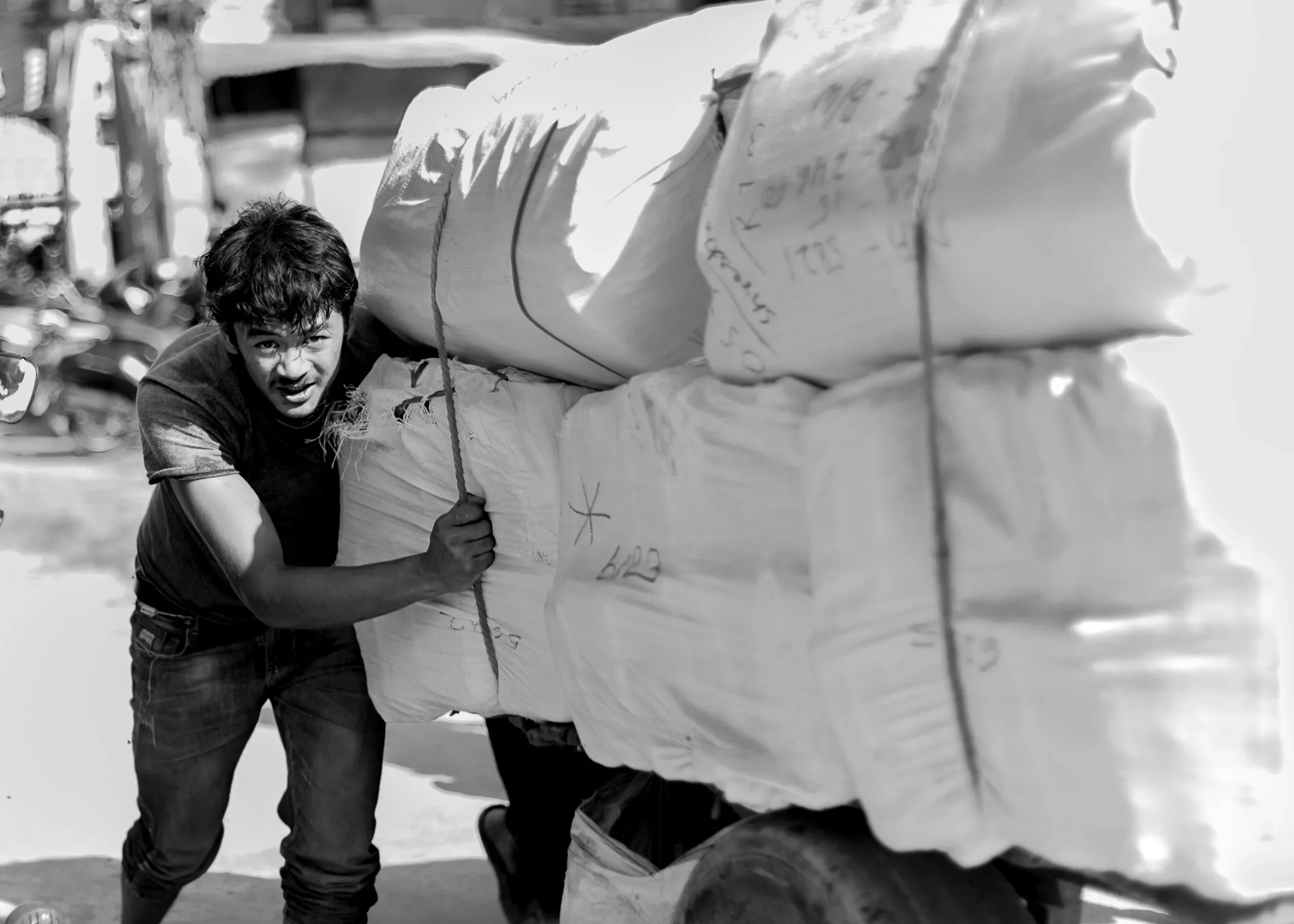
The rental cycle looks simple: collect soiled garments, launder, sort, dispatch. In practice, sorting is the most labor-intensive step because every garment must be matched to a client, a department, and a delivery route. The pilot plant ran a mixed fleet of 40 clients with roughly 900 distinct garment lines, and sorters handled each garment twice, once off the wash line and once at dispatch. Management timed the process before the pilot: sorting absorbed 38 percent of total labor hours, and misroutes, garments sent to the wrong client or route, averaged 4.2 per 1,000 pieces, enough to trigger client complaints every week. The plant had tried barcode scanning at dispatch, but the scan step added time without fixing the upstream problem: garments still arrived at the dispatch station unsorted.
The fix: color-coded return bags
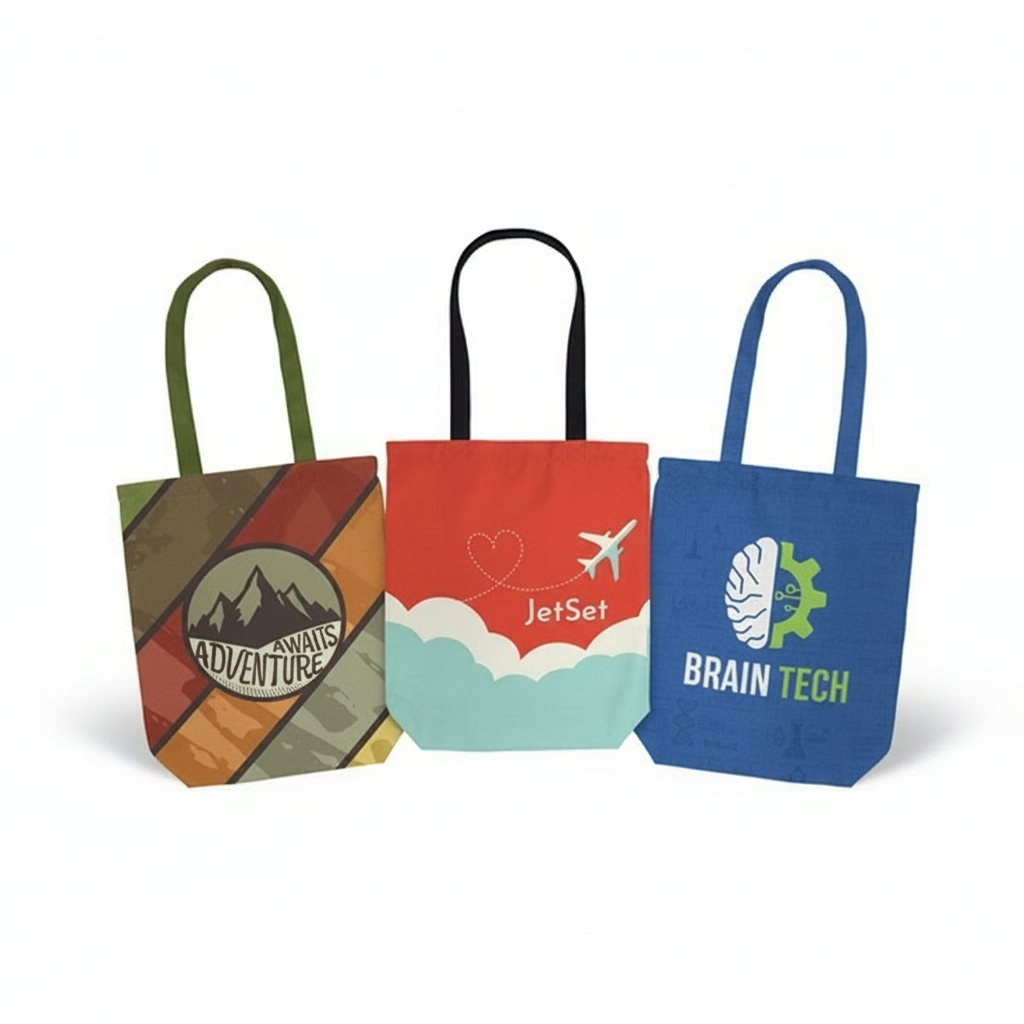
The pilot moved the sorting decision to the point of collection. Each client route received return bags in one of seven colors, printed edge to edge with a durable sublimation print so the color read from across the room, plus a woven label carrying the client name. Soiled garments went into the client’s color bag at pickup instead of into a mixed hamper. At the wash plant, the color became the routing signal: after washing, bags were separated by color in under a minute per cart, and garments never left their bag until the dispatch station, where the same color matched the client’s delivery cart. The bag spec mattered as much as the color: 600-denier recycled polyester, 45 by 60 centimeters, double-stitched handles rated for 25 kilograms of wet weight, and a print that survived the plant’s 85 degree Celsius wash cycle. The dye and print route followed the wash-test method described in our color fastness testing guide, because a label that fades in week six silently reintroduces the sorting error it was meant to remove.

Measured results after 90 days
The plant measured three numbers before and after. Sorting time per 1,000 pieces fell from 31 hours to 20 hours, a 35 percent reduction, because the color sort replaced individual garment reads. Misroutes fell from 4.2 to 1.4 per 1,000 pieces, a 67 percent drop, and the remaining errors were traced to two new hires in week two who had not yet learned the color map. New sorter onboarding time fell from five days to two, because color recognition replaced a 900-line catalog memorization. The bags themselves held up: after 80 wash cycles the sublimation print showed measurable but acceptable fade, the woven labels remained legible, and 11 of 1,200 bags were retired for handle wear in the pilot window. The plant calculated the pilot cost at 4,800 dollars for 1,200 bags and recovered that in labor savings within seven weeks. Garment-level sorting still happens at dispatch for line routing, which is why the color system is a routing layer, not a full replacement, and the bag program itself is the same reusable-tote economics we documented in our grocery chain reusable tote case study.
What to replicate, and what to change
Three elements carried the result. First, the color decision must happen at collection, not at the plant; moving the sort upstream is the entire mechanism. Second, the print must be specified for the actual wash cycle, not for retail looks, which means a lab wash test before the first production order. Third, the color map needs a written key posted at every station, because two new hires caused the only measurable error spike. Plants with more than eight routing destinations should pair colors with a printed code, and plants running 100,000 pieces a month should pressure-test bag durability at 100 cycles before committing. Commercial laundry operations also sit under workplace safety regulation; the United States Occupational Safety and Health Administration sets the general industry standards that cover laundry plant equipment and ergonomics, published at osha.gov. The reusable bag approach fits the wider packaging programs we build across our canvas tote range and shopping bag range, and the branded-product mechanics behind fleet programs are covered in our pet food brand packaging case study.
Frequently asked questions
How much sorting time did color-coded bags save?
In the pilot, sorting time per 1,000 pieces fell from 31 to 20 hours, a 35 percent reduction, and misroutes dropped 67 percent.
What bag spec worked for industrial laundry?
600-denier recycled polyester, 45 by 60 centimeters, double-stitched handles rated for 25 kilograms wet, with sublimation print verified through 80 wash cycles.
Why did the pilot fail at first for new hires?
Two new sorters had not learned the color map, which caused the only measurable error spike; a written color key at every station fixed it.
Do color-coded bags replace garment-level sorting?
No, they replace client and route sorting upstream; garment line sorting at dispatch still happens, so the system is a routing layer, not a full replacement.
Sort upstream, and the plant gets faster
The pilot’s lesson is that a sorting problem is usually a collection problem. Moving the routing decision to the point of pickup, encoded in a color that survives 80 wash cycles, cut 11 hours of labor per 1,000 pieces and paid for itself in seven weeks. The same bag that carries the uniform also carries the brand, which is the quiet second win for rental services that print their client’s colors correctly the first time.
For more detail, see our Case Study.

0 Comments