



Extended producer responsibility for packaging started as a European answer to litter, and it has become a compliance layer that reaches every bag importer who sells into regulated markets. The principle is simple: whoever puts packaging on the market pays for its collection and recycling. The execution is a patchwork of national registers, fees and deadlines that changes what a bag program costs to run.
This guide explains how EPR schemes work, where bags sit inside them, and what an importer must do to stay registered and priced correctly as the rules tighten toward 2030.
Scheme rules and fee levels differ by country and change annually; the framework described below follows the European Union packaging waste regime, and every obligation should be verified against the register that applies to the market of sale.
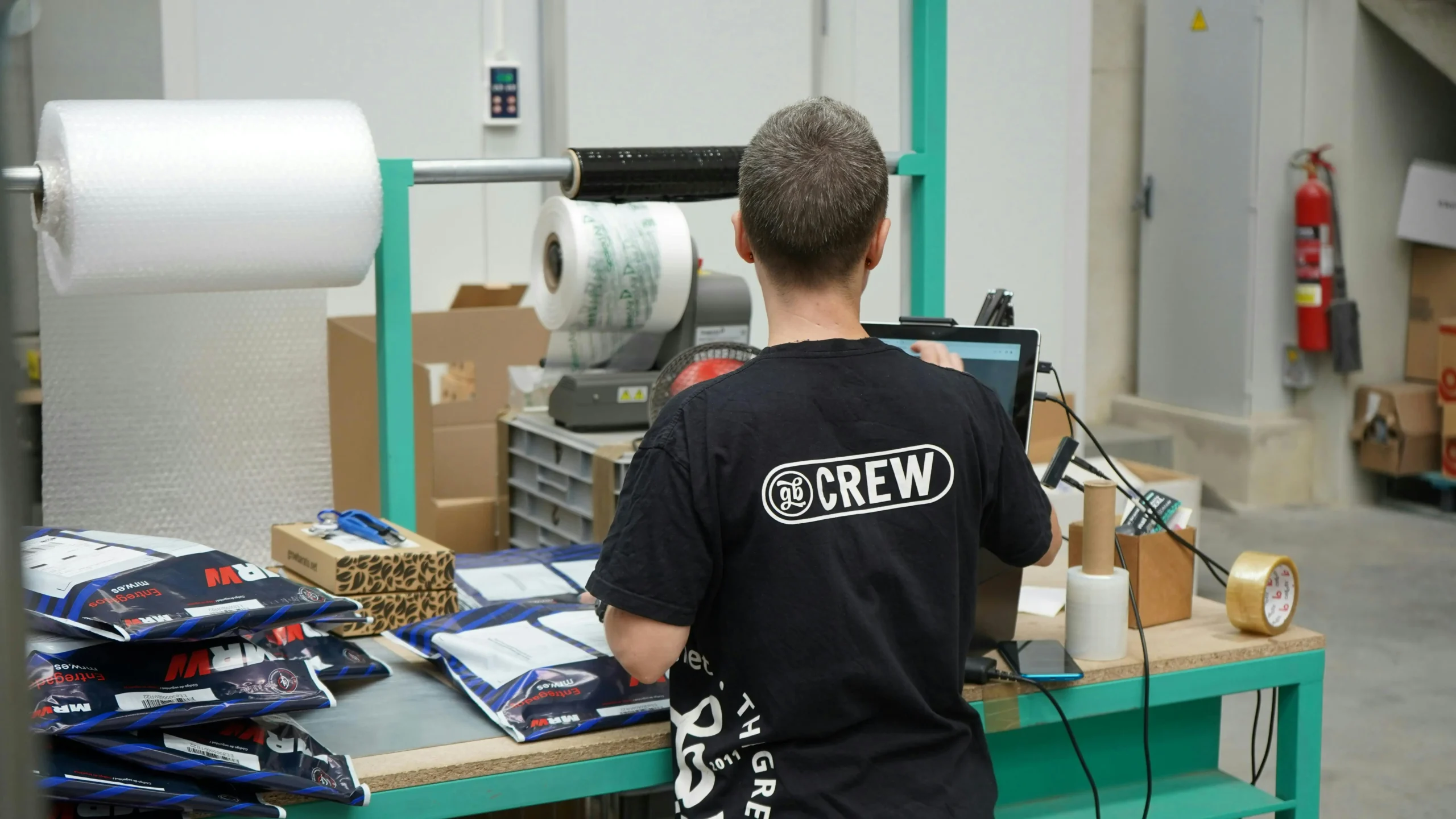
How extended producer responsibility works
EPR legislation obliges the company that first places packaged goods on a national market to register with the national authority or a producer responsibility organization, report the packaging tonnage placed on the market, and pay a fee that funds collection, sorting and recycling infrastructure. Two terms define the obligation. Producer: in most schemes the importer or brand owner placing the goods on the market is the producer for compliance purposes, not the factory that made the packaging. Packaging: the definition includes primary packaging around the product, grouped packaging such as shipping boxes, and in many schemes the bag itself when it is sold as a carrier or a mailer. The framework, targets and timetables of the EU regime are documented on the European Commission’s packaging waste policy page, which is the authoritative reference for the 2030 and 2040 recycling targets.
Where bags sit inside the scheme
Bags appear in EPR accounting in three roles. As carrier bags: a shopping bag sold at the till is packaging under most schemes, and its weight is reported in the packaging declaration. As shipping packaging: the mailer, polybag or tote that carries an e-commerce order is primary packaging for the goods inside. As the product itself: a reusable tote sold as merchandise is a product, but the film or carton it ships in is packaging, and some schemes still count the reusable bag as packaging until a reusability criterion is met. The distinction changes the fee, because schemes price by material and recyclability: paper and single-polymer film often sit in lower fee bands, while multi-material laminated constructions and black nonwoven with mixed fibers sit in higher bands. That fee ladder is one reason the material structure of a bag program is a compliance decision; the woven versus non-woven material comparison that drives the choice is covered in our woven and non-woven polypropylene comparison.

Registration, reporting and the fee calendar
Three operational duties follow the obligation. Registration: the producer registers in each national scheme where goods are placed on the market, either directly or through a compliance scheme that pools the declaration; France runs the CITEO system, Germany runs the LUCID register, and each national system keeps its own database. Reporting: the declaration states packaging tonnage by material and category, usually annually with a prepayment cycle, and the numbers come from the same carton and bag weight data a buyer already tracks for freight. Fees: the annual fee is calculated from declared tonnage times the material rate, with e-commerce sellers typically paying per shipment once the scheme allocates distance-selling obligations. Missed registration is the expensive failure: most schemes impose back fees plus penalties for unregistered sellers, and marketplaces increasingly require a registration number before a seller can list. The compliance documents that travel with the shipment, from packing lists to certificates, are covered in our EU customs clearance document checklist.
How EPR changes bag sourcing decisions
Once fees are visible per material, four sourcing moves follow. Drop multi-material laminates where the design allows, because mixed constructions are harder to recycle and price higher per kilogram. Prefer single-polymer constructions, printed and finished so the material stream stays clean. Buy certified recycled material where the claim matters, because some schemes modulate fees for recycled content, and the certification trail is explained in our GRS chain of custody guide. Track packaging weight per unit as a fee line, not just a freight line, because the declared tonnage is the fee base. The recycled material supply side of the same decision is covered in our recycled PP supply and demand analysis, and the tariff context that sits beside EPR in the import cost stack in our Section 301 tariff guide for textile bags.

Building the compliance checklist
A working EPR checklist has seven lines. One: identify every market where goods are placed, because each country runs its own register. Two: determine the producer role for each market, importer, brand owner or marketplace. Three: register or join a compliance scheme before the first shipment, not after the first invoice. Four: collect the tonnage data by material and category from the same packing records used for freight. Five: file the declaration on the national calendar, with the prepayment schedule. Six: keep the registration number on record for marketplace and customs questions. Seven: review the fee modulation rules each year, because rates and recycled-content incentives change. The raw material cost trends that feed into fee modeling are in our PP resin price trends guide and cotton price volatility guide, and the product range for compliant single-polymer programs is on our pp woven bag page and canvas tote page.
Frequently asked questions
Who pays EPR fees on imported bags?
The producer for compliance purposes is the company that first places the packaged goods on the national market, usually the importer or brand owner, not the overseas factory.
Do carrier bags count as packaging under EPR?
Yes, in most schemes a shopping bag sold at the till is packaging whose weight is declared and fee-rated; reusable constructions may move into lower bands.
What happens if an importer fails to register?
Unregistered sellers face back fees, penalties and delisting from marketplaces that require a registration number, so registration should precede the first shipment.
How do EPR fees affect bag material choice?
Fees are rated per kilogram by material and recyclability, so single-polymer constructions and certified recycled content can carry lower fee obligations than mixed laminates.
Recycled claims only hold with a certificate chain; our rPET versus virgin polyester comparison compares both fibers and the paperwork honestly.
Odor claims fail at customs and retail gates; our textile bag formaldehyde testing guide maps formaldehyde limits and test methods for textile bags.
Ocean-bound content only means something when it is documented; our ocean bound plastic bag manufacturing claims explains the certificate and content checks.
For more detail, see our Textile Recycling Infrastructure.

0 Comments