Skip to content

Choosing between waterproof bags and plastic bins for camping gear involves critical trade-offs. Bags offer portability for hauling gear to the campsite, but bins provide superior organization. Selecting the wrong container can lead to cracked plastic in the cold or disorganized equipment when you need it most.
This guide compares them on durability, pest protection, and cost. We break down why bins fail in freezing weather and which option seals better, helping you choose the right storage to protect your gear.
The Outdoor Storage Dilemma: Bags or Bins?
💡 The choice between outdoor storage bags and bins hinges on your specific needs. Bins offer superior organization and long-term durability for frequently accessed gear. Bags provide unmatched portability, collapsibility, and flexibility, excelling with bulky or wet items.
Organization and Accessibility
When it comes to keeping your gear in order, rigid bins have a clear advantage. Their structured walls and flat bottoms allow for neat stacking and often come with internal dividers. This makes them perfect for creating a mobile camp kitchen or organizing climbing hardware where you need to find specific items quickly without unpacking everything.
✅ Bins: Provide a stable, structured environment, preventing items from shifting and making gear easy to locate.
❌ Bags: Traditional duffel bags can become a jumble of gear, causing smaller items to sink to the bottom and making quick access a challenge.
Durability and Protection
For long-term storage, heavy-duty plastic bins are tough to beat. A high-quality tote like a Rubbermaid Roughneck can last for over a decade, offering excellent protection from crushing weight and preventing pests from getting to your supplies.
Bags, however, offer a different kind of protection. In our experience, bags made from laminated woven polypropylene are fully waterproof and tear-resistant. This makes them the ideal solution for managing wet or muddy gear, like wetsuits or rain-soaked tarps, keeping moisture contained and away from your dry equipment. While they are more vulnerable to critters in long-term outdoor settings, their smaller eco-footprint is a significant plus.
Portability and Space Efficiency
🚀 This is where storage bags truly shine. They are lightweight, flexible, and designed for transport. Many feature multiple carry options, such as shoulder straps and side handles, making it easier to haul bulky loads from the car to the campsite or the beach. When empty, they collapse down to a fraction of their size, saving valuable space in your garage or closet.
Bins are rigid and less convenient for carrying over any significant distance. While they stack perfectly in a vehicle or on garage shelves, their bulk becomes a liability once you leave the car. For transporting awkward items like ski boots, helmets, and jackets, a large, durable bag is far more practical.

Why Plastic Bins Crack in Freezing Temperatures
Plastic bins crack in freezing temperatures because they reach their glass transition temperature (Tg). Below this point, the plastic’s molecular structure becomes rigid and brittle, losing the flexibility needed to absorb stress from impacts or expanding frozen contents, which leads to fractures.
The Science of Brittleness: Glass Transition Temperature
Every plastic has a point of no return when it comes to cold, known as its “glass transition temperature” (Tg). Above this temperature, the long polymer chains that make up the plastic are mobile and can slide past one another, giving the material its signature flexibility.
Once the temperature drops below the Tg, those molecules lock into a rigid, glassy state. They lose the ability to move and absorb energy. Common plastics like polypropylene, used in many household containers, have a Tg between -20°C and 0°C (-4°F and 32°F). This means a standard winter day can easily push them into a brittle state, making them prone to cracking.
Physical Stressors That Trigger Cracking
A brittle plastic bin is a failure waiting to happen. Several common physical forces can push it over the edge, especially in a camping or outdoor environment.
- Internal Pressure from Freezing: As water-rich foods freeze, they expand by about 9%. This expansion exerts immense internal pressure on the container walls. A flexible bin could accommodate this, but a brittle one simply fractures.
- Physical Impacts: Even a minor bump or drop can be catastrophic when a container is below its Tg. Tossing a bin into the back of a truck or accidentally knocking it over can cause it to shatter like glass.
- Material and Seal Failure: Low-quality plastics not designed for freezer use are especially vulnerable. Their seals can become rigid and fail, creating weak points where cracks begin to form, leading to leaks and compromised food storage.
Material Vulnerabilities and Safety Data
Not all plastics are created equal, and some pose significant risks when exposed to freezing temperatures. Understanding the material you’re using is key to safety and reliability.
- ⚠️ Polystyrene (PS): Often found in disposable containers, polystyrene is notoriously unsuitable for freezing. It becomes extremely brittle at low temperatures and should be avoided for any serious cold-storage needs.
- ⚠️ Chemical Leaching: Research shows a concerning trend where even containers labeled “BPA-free” can leach other chemicals when frozen or exposed to temperature swings. Up to 20% of these plastics may still release potentially harmful substances into your food.
- ⚠️ Microplastic Release: A 2026 study highlighted that microwaving polypropylene containers could release millions of microplastic particles. The material stress caused by repeated freezing and thawing cycles can exacerbate this degradation, increasing the risk of ingesting microplastics.
How to Prevent Your Bins from Cracking
You can avoid the frustration of a cracked container and wasted food by making smarter choices before you pack for your trip.
- ✅ Choose Freezer-Safe Containers: Always look for containers specifically designed and labeled for freezer use. These products are made from plastics with a much lower Tg, ensuring they remain flexible and durable even in sub-zero conditions.
- 🚀 Use Durable Alternatives: For critical storage, consider moving away from plastic entirely. Materials like glass, ceramic, or stainless steel offer excellent durability. In our experience, heavy-duty woven fabric bags are a fantastic option for transporting gear and non-liquid food, as they won’t crack under impact and can handle heavy loads.
- ✅ Pack Smart: Never overfill your containers. Leave about an inch of empty space at the top to give food room to expand as it freezes. It’s also wise to let hot food cool to room temperature before placing it in the freezer to reduce thermal shock on the container.
The Advantage of Flexible Waterproof Bags
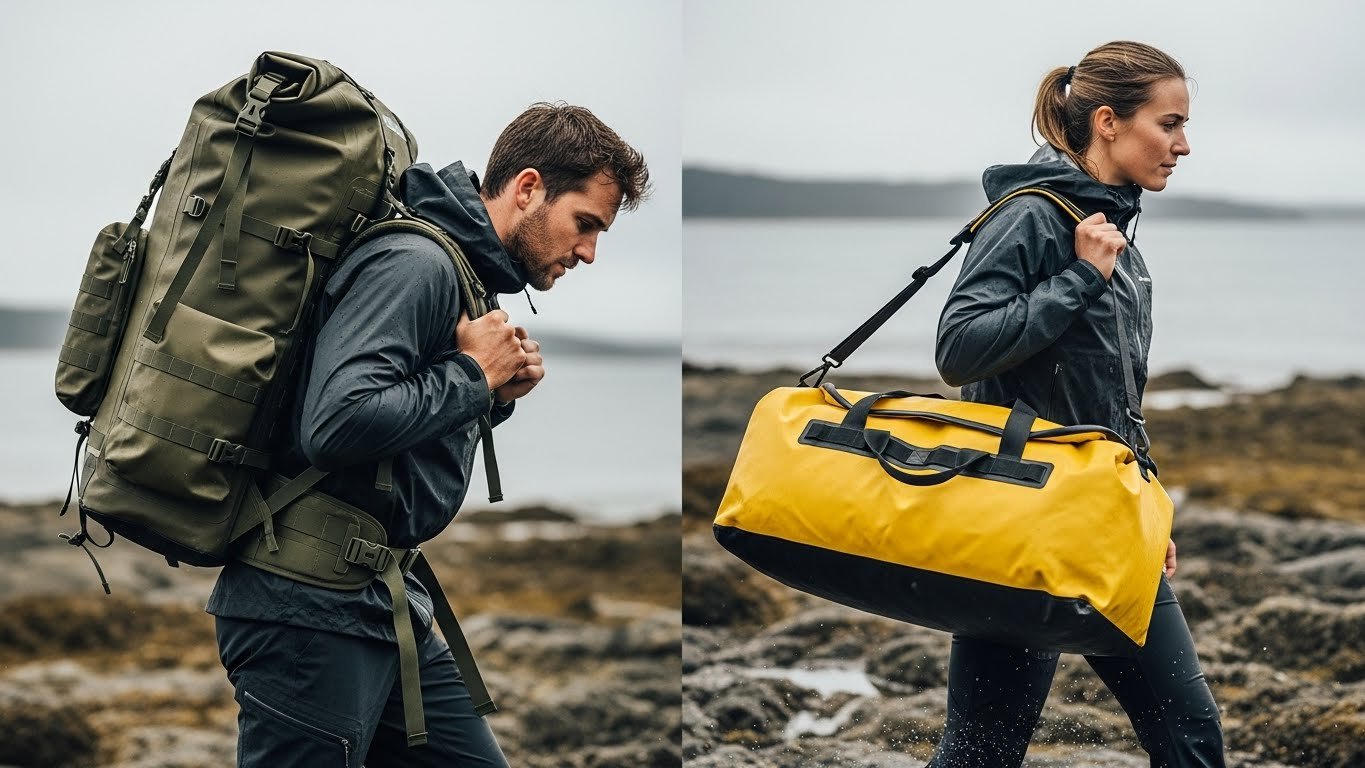
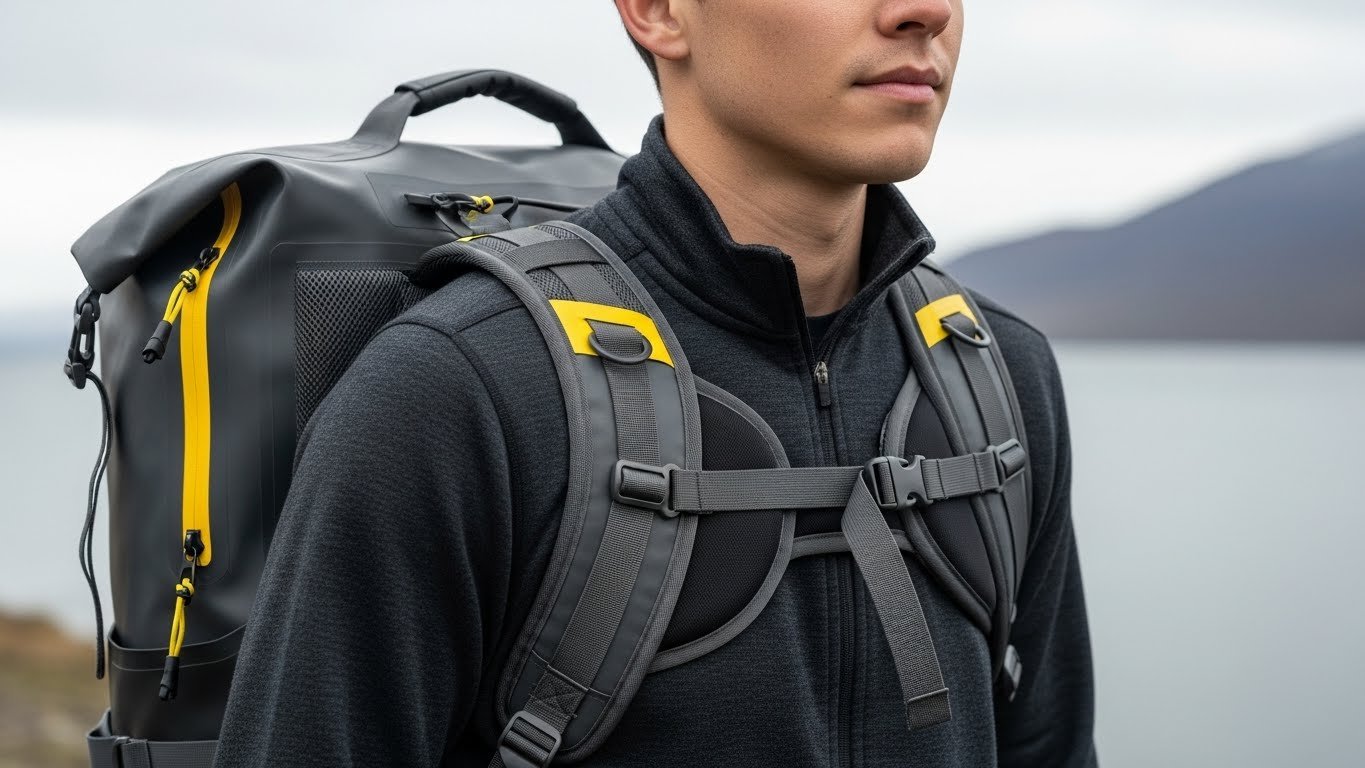
Flexible waterproof bags offer a key advantage by combining 100% waterproof materials like nylon and TPU with a lightweight, compressible design. This makes them ideal for outdoor activities where packing space and portability are critical, protecting gear without adding bulk.
Core Advantage: Material Flexibility and Sealing
A bag’s ability to protect gear from water while remaining pliable comes down to its material science and construction. From our experience manufacturing heavy-duty bags, the combination of fabric and sealing method is everything.
- ✅ Durable Fabrics: High-quality flexible bags use materials like Nylon with a TPU (Thermoplastic Polyurethane) coating. This combination provides excellent water resistance and durability without becoming stiff or brittle.
- ✅ Watertight Seams: Instead of traditional stitching that creates puncture holes, these bags feature high-frequency welded seams. This process fuses the materials, creating a permanent, leak-proof bond.
- ✅ Secure Closures: A roll-top closure system is the standard for a reason. It creates a reliable seal that prevents water ingress, even when the bag is compressed inside a larger pack or bent at an angle.
Practical Benefits: Portability and Weight Efficiency
For campers and hikers, every ounce and inch of pack space counts. Flexible waterproof bags are designed specifically for these constraints, providing serious protection without the weight penalty of rigid containers.
- 🚀 Ultralight Protection: Many designs are extremely lightweight. A 20-liter dry bag can weigh just a few ounces and pack down to the size of an apple, making it easy to bring along for any trip.
- 🚀 Space-Saving Design: Their soft construction means they can be easily folded, rolled, or compressed to fit into tight spaces in a backpack or duffel bag. You only use the space you need.
- 🚀 Bulk-Free Waterproofing: You get professional-grade water protection that keeps electronics, clothing, and food dry without having to carry a heavy, hard-sided box.
Use-Case Comparison: Flexible vs. Rigid Bags
Choosing the right type of waterproof bag depends entirely on your activity. A bag designed for backpacking has different priorities than one meant for a fishing boat.
| Feature | Flexible Bags (Nylon/TPU) | Rigid Bags (PVC/Plastic) |
|---|---|---|
| Primary Use-Case | ✅ Mobile activities like camping, hiking, and backpacking where space and weight are critical. | ❌ Stationary activities like boating or car camping where packability is not a concern. |
| Portability | ✅ Excellent. Folds, rolls, and compresses to save space. Extremely lightweight. | ❌ Poor. Bulky, heavy, and takes up a fixed amount of space whether full or empty. |
| Abrasion Resistance | Good, but can be punctured by sharp objects. Best kept inside a main pack. | Excellent. Designed to withstand heavy scrapes against rocks and rough surfaces. |
Build Your Custom Heavy-Duty Bags with Confidence
We engineer fully customizable, tear-resistant bags trusted by moving and logistics professionals worldwide. Submit your specs to get a free, professional digital mockup in just 12 hours and see your branded solution come to life.

Pest Control: Which Seals Better Against Bugs?
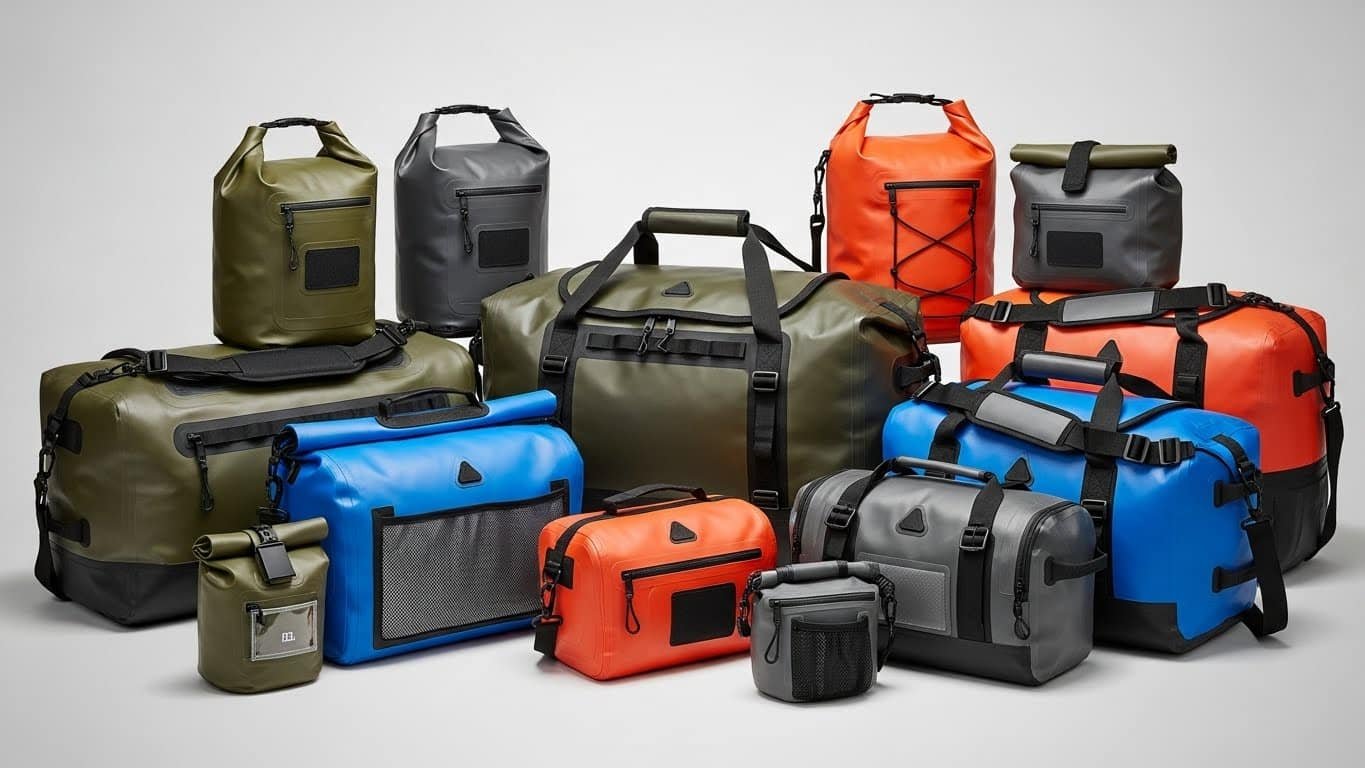
Quick Answer: Effective bug sealing in shelters relies on quality construction. The best seals combine folded, double-stitched seams with taping for strength. Additionally, shelters with higher sidewalls made from solid, insect-proof fabric offer a more robust barrier against pests than all-mesh designs.
Seam Construction: The First Line of Defense
A shelter’s seams are often the weakest point for both water and insects. In our experience manufacturing heavy-duty bags, the stitching method defines durability and sealing effectiveness. A poorly constructed seam will stretch and expose tiny holes that are invitations for pests.
The most reliable construction involves multiple layers of protection:
- ✅ Folded & Double-Stitched Seams: Folding the fabric edge before stitching creates a much stronger and tighter connection than a simple single seam. Double stitching provides redundancy and ensures the seam can withstand tension without pulling apart.
- ✅ Taped Seams: This is the gold standard. A layer of waterproof tape is applied over the stitching, physically covering the needle holes. This creates a formidable barrier that blocks both microscopic insects and water droplets.
- 💡 Quick Test: Before you head out, you can test a seam’s integrity at home. Gently pull the fabric on either side of the seam and hold it up to a light. If you see light passing through the stitching holes, it’s a potential entry point for bugs.
Structural Design: Sidewalls and Skirts
How a shelter meets the ground is critical for bug protection. A well-designed base creates a physical barrier that pests can’t easily crawl under or through. Designs that incorporate solid fabric walls near the ground are far more effective than those relying entirely on mesh.
Look for these structural features for a better seal:
- ✅ High Sidewalls: Shelters with solid, insect-proof sidewalls rising 2-4 inches from the ground offer superior protection. This “bathtub floor” design prevents insects from crawling straight in at ground level.
- ✅ Mesh Skirts for Tarps: If you use a floorless tarp, you can create a bug-proof perimeter with a dedicated no-see-um mesh skirt. An 8-12 inch skirt that can be tucked securely under your groundsheet or sleeping pad will effectively seal the edges.
- ✅ Bug Bivies: Compared to standard bivy sacks, dedicated bug bivies typically provide better insect protection. They offer more interior space and often feature higher sidewalls, keeping the mesh away from your skin and creating a more secure enclosure.
Integrating Water and Bug Protection
A shelter that keeps you dry often does a good job of keeping bugs out, as both goals depend on sealing small gaps. The choice of materials, coatings, and regular maintenance are key to achieving a dual-purpose barrier.
Proper integration involves a few technical details:
- ✅ Material Coatings: Dual silicone/polyurethane (Sil/PU) coatings are a great choice. The silicone exterior provides excellent water repellency, while the polyurethane interior allows seam tape to adhere properly, ensuring a complete seal.
- ✅ Hydrostatic Head Ratings: For a reliable 3-season backpacking tent, look for a rainfly with a rating between 1,200-1,800mm and a floor with a rating of 2,000-3,000mm. This level of waterproofing is a good indicator of a fabric dense enough to block pests.
- 💡 Proactive Maintenance: Don’t wait for a leak to appear. Pre-treat your shelter’s seams with a quality water sealant before first use and plan to reapply it annually. This simple step reinforces the entire structure against both water and insects.
Cost Analysis: Waterproof Totes vs. Heavy Duty Bins
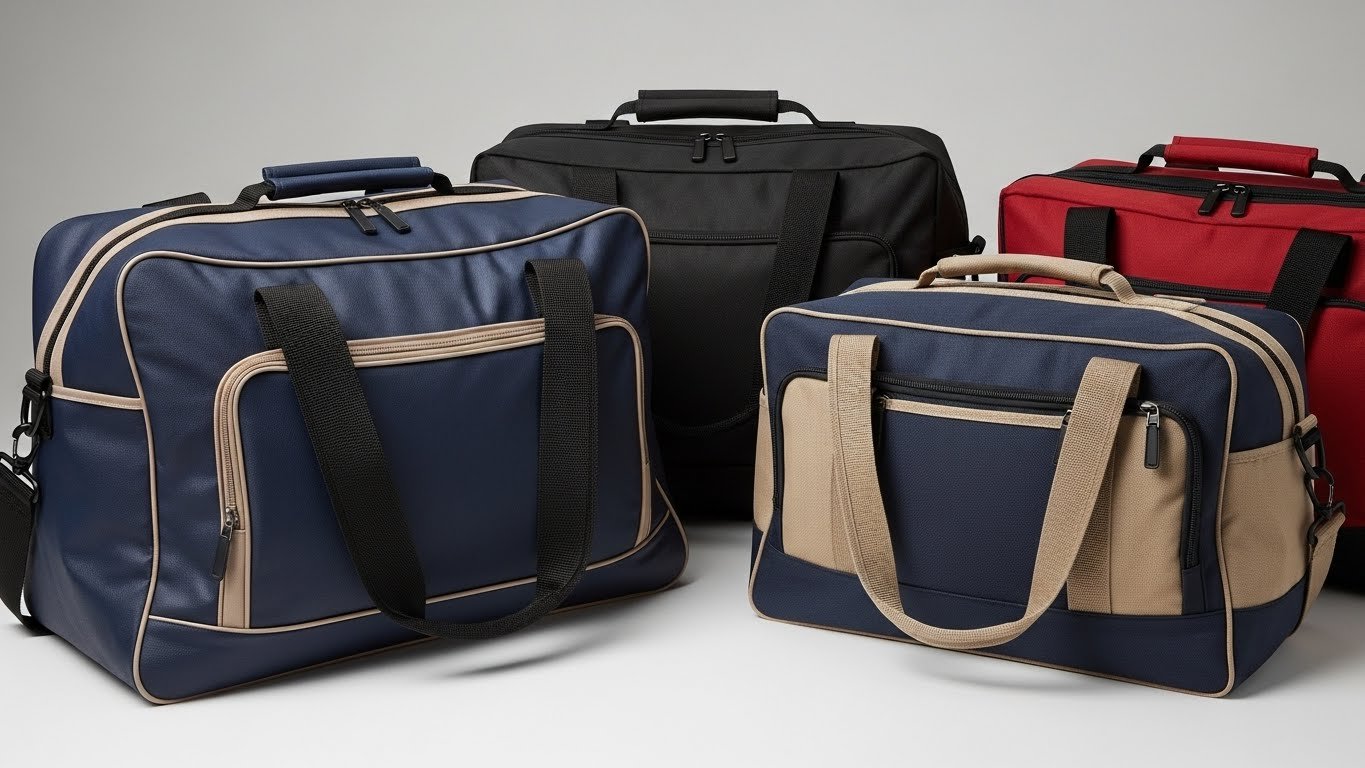
The cost of waterproof totes and heavy-duty bins ranges from under $10 for basic retail options to over $360 for premium, feature-rich cases. Key price drivers include materials, brand positioning, and the retailer, with budget-friendly options available for around $35.
Comparative Cost Breakdown by Tier
When selecting storage for camping gear, understanding the price tiers helps you match your budget to your needs. The cost reflects the container’s durability, features, and intended use.
| Tier | Example Product(s) | Price Per Unit (Approx.) | Key Features |
|---|---|---|---|
| 🚀 Premium Tier | Roam 105L Rugged Case | $360 | Built for specialized use with premium components like gas struts and steel lockable latches. |
| ✅ Mid-Range Tier | Husky / Kobalt Totes | $35 | Offers a solid balance of durability, weatherproof seals, and overall value. |
| 💡 Budget Tier | Standard 27-Gallon Retail Totes | $9 – $23 | Prices vary widely by retailer; options from Office Depot can be significantly cheaper than Amazon. |
Key Factors That Influence Total Cost
Beyond the brand name, three main factors determine the final price you pay for storage containers.
- Material & Features: The cost goes up with advanced construction and components. Features like gas struts for easy opening or heavy-duty steel latches for security directly add to the price tag.
- Brand Positioning: Premium brands target serious outdoor enthusiasts who need maximum protection for expensive gear. Their pricing reflects this focus on high-performance, rugged applications.
- ⚠️ Sourcing & Retailer Choice: Where you buy your totes can dramatically change the cost. For similar items, sourcing from a big-box store like Office Depot can be over 50% cheaper than purchasing from an online marketplace.

Verdict: Best Solution for Camping Gear Storage
The best camping storage depends on your priorities. For general use, affordable hard-sided bins offer great value, while premium weatherproof boxes are ideal for extreme conditions. For professional bulk storage and transport, custom-engineered heavy-duty bags provide an optimal balance of durability, space efficiency, and cost.
Key Takeaways: Consumer Storage Options at a Glance
| Storage Solution | Best For | Primary Benefit |
|---|---|---|
| Rubbermaid Actionpacker | Overall Value | Good durability and capacity at an affordable price. |
| Yeti LoadOut GoBox | Maximum Protection | Premium, IP67-rated weatherproof seal for harsh environments. |
| AluBox | Space & Weight Efficiency | Lightweight aluminum construction ideal for vehicle-based trips. |
| Rux 70L Gear System | Flexible & Soft-Sided | Weatherproof, collapsible design with versatile carry options. |
The Professional Choice for Bulk Storage and Transport
While consumer bins work well for personal trips, they often fall short in professional operations. They can be bulky, inefficient to stack, and aren’t designed for the repeated heavy loads required by movers, storage services, or logistics teams.
In our experience, heavy-duty moving and storage bags are the superior solution for bulk handling. We design our bags specifically as a reusable, foldable, and waterproof alternative for transporting clothing, bedding, and home textiles. Their rectangular, stackable form maximizes space in warehouses, trucks, and storage units, making them a practical asset for any commercial operation.
Engineered for Durability, Customization, and Branding
Off-the-shelf products can’t match the specific needs of a professional business. Our storage bags are engineered from the ground up to meet commercial demands for strength, branding, and reliability.
- ✅ Heavy-Load Capacity: Handles are reinforced with double-stitched webbing, rigorously tested to support loads of 20–25 kg without failure.
- ✅ Customizable Strength: You can select tear-resistant fabrics, specify heavy-duty zippers, and add reinforced stitching to match your exact operational needs.
- ✅ Brand Integration: We offer full customization of logos, colors, and features like clear ID windows. This turns a functional piece of equipment into a professional branding asset.
- ✅ Verified Quality: Our factory and products are certified by SGS, Intertek, and BSCI. These global standards ensure you receive a reliable and ethically produced product for bulk orders.
Frequently Asked Questions
Can you keep moving bags outside?
Yes, moving bags made from durable, water-resistant materials like woven polypropylene can be kept outside temporarily. For longer-term outdoor storage, place them under a covered area like a porch or tarp to protect them from UV exposure and extreme weather. They are ideal for short-term uses like transporting items or as a temporary staging area during a move.
Are plastic bins waterproof?
Not all plastic bins are fully waterproof. Many are water-resistant, with the level of protection depending on the lid design. Bins marketed as truly waterproof usually have features like secure snap or latching lids that create a strong seal. For camping or outdoor use, always choose bins specifically labeled as waterproof to ensure your contents stay dry.
What are the best storage containers for an outdoor shed?
For an outdoor shed, look for containers made from high-density polyethylene or resin-coated plastic for maximum weather resistance. Highly-rated options include the Iris Weathertight for its secure seal and the Rubbermaid Action Packer for its durability in harsh conditions. Prioritize features like strong latches and lids designed to prevent rainwater from collecting on top.
Do moving bags protect from mice?
Heavy-duty plastic moving bags offer significantly more protection than cardboard boxes, as mice cannot chew through the thick plastic. Effectiveness depends on a secure closure, since mice can squeeze through gaps as small as a quarter-inch. For maximum protection, place the bags inside sturdy, sealed plastic containers and elevate them off the ground.
How do you waterproof moving boxes?
The most effective method is to use plastic bins instead of cardboard boxes, as they are inherently water-resistant. If you must use cardboard, wrap the boxes completely in plastic wrap or covers and seal all seams with strong tape. Adding a tarp or plastic sheet to the floor of the moving truck also provides an extra layer of protection against moisture.
Is a tote bag better than a bin?
This depends on your needs. Tote bags excel in portability and versatility, often featuring multiple carry options and a collapsible design. Bins provide superior organization, rigid protection for contents, and are typically more cost-effective for stacking and stationary storage. Choose a tote for frequent access and transport; choose a bin for durable, long-term organization.
Verdict: Best Solution for Camping Gear Storage
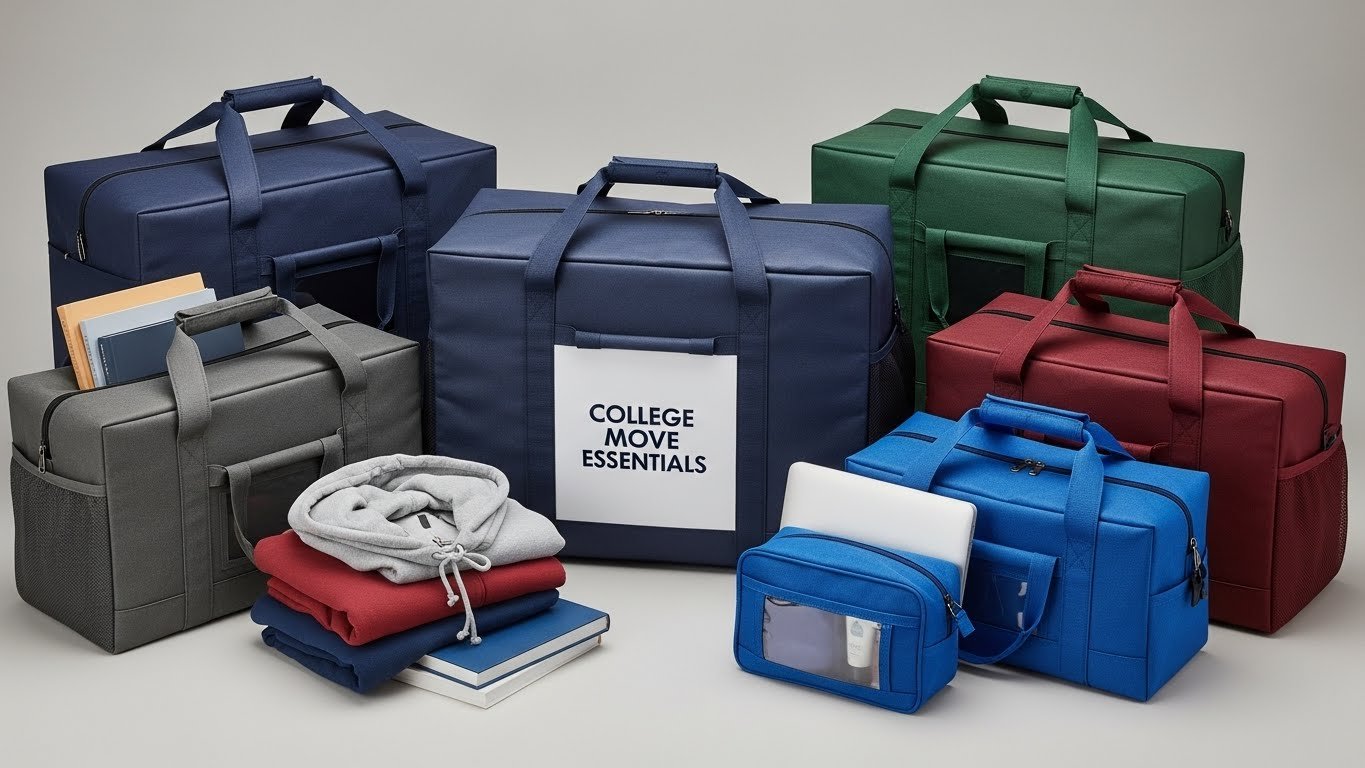
Choosing the right outdoor storage comes down to a clear trade-off. While rigid plastic bins offer simple organization, their tendency to crack in freezing temperatures is a critical flaw for campers. Waterproof bags provide a more resilient solution, combining durable, flexible materials with a lightweight, collapsible design. For anyone needing reliable protection against moisture and cold without sacrificing valuable pack space, the advantages of a flexible bag become obvious.
This makes your storage a strategic choice that impacts cost and convenience. Constantly replacing broken bins is frustrating and wasteful. Prioritizing materials that withstand temperature swings and a design built for portability ensures your gear remains secure trip after trip. Adopting a professional-grade bag system offers an even better return through superior durability and space efficiency, simplifying logistics for every adventure.