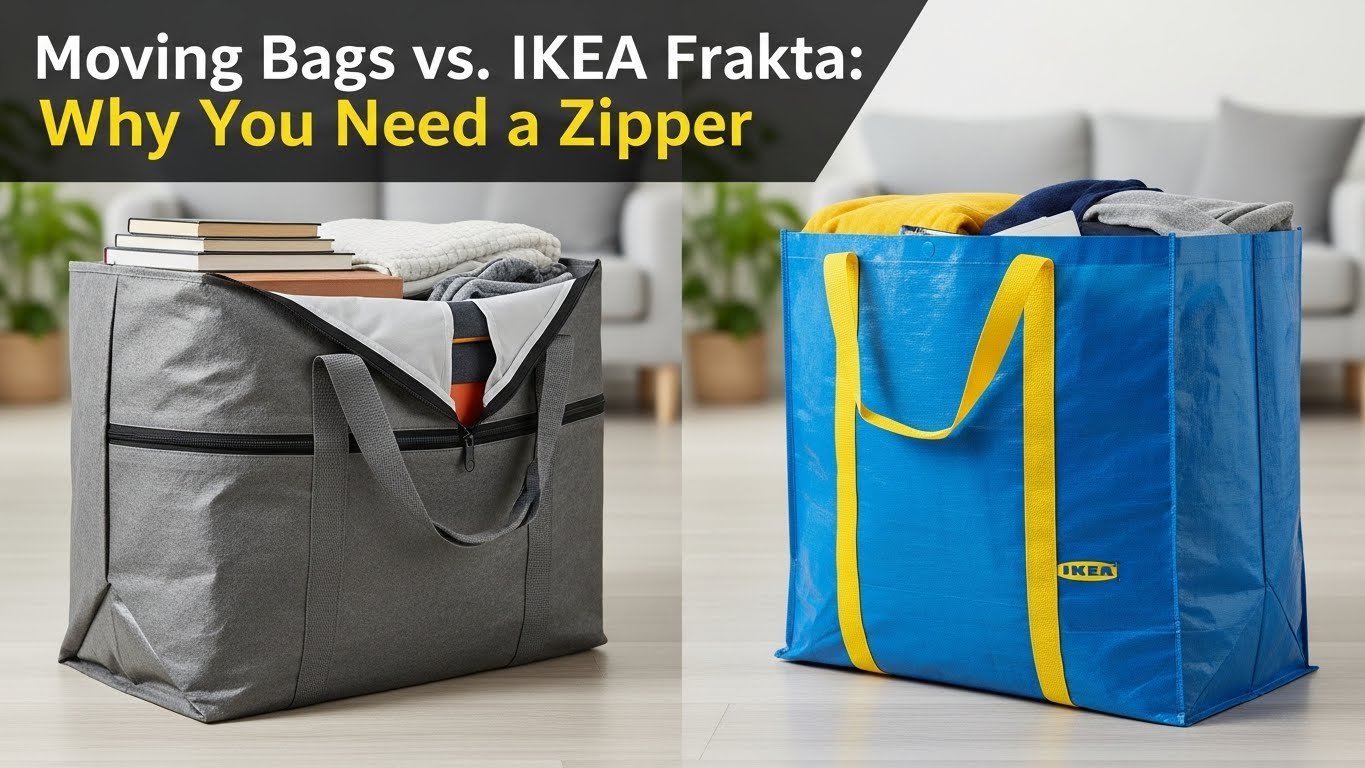

Choosing between standard UPS boxes and factory-direct bags is a key decision for e-commerce sellers. This choice directly impacts shipping costs, storage efficiency, and brand perception. While boxes offer familiar consistency, flexible bags provide unique advantages in cost and space savings that are difficult to ignore.
This guide compares both options on durability, storage, and key use cases. We’ll analyze the critical differences to help you select the right packaging for your products and logistics operations.
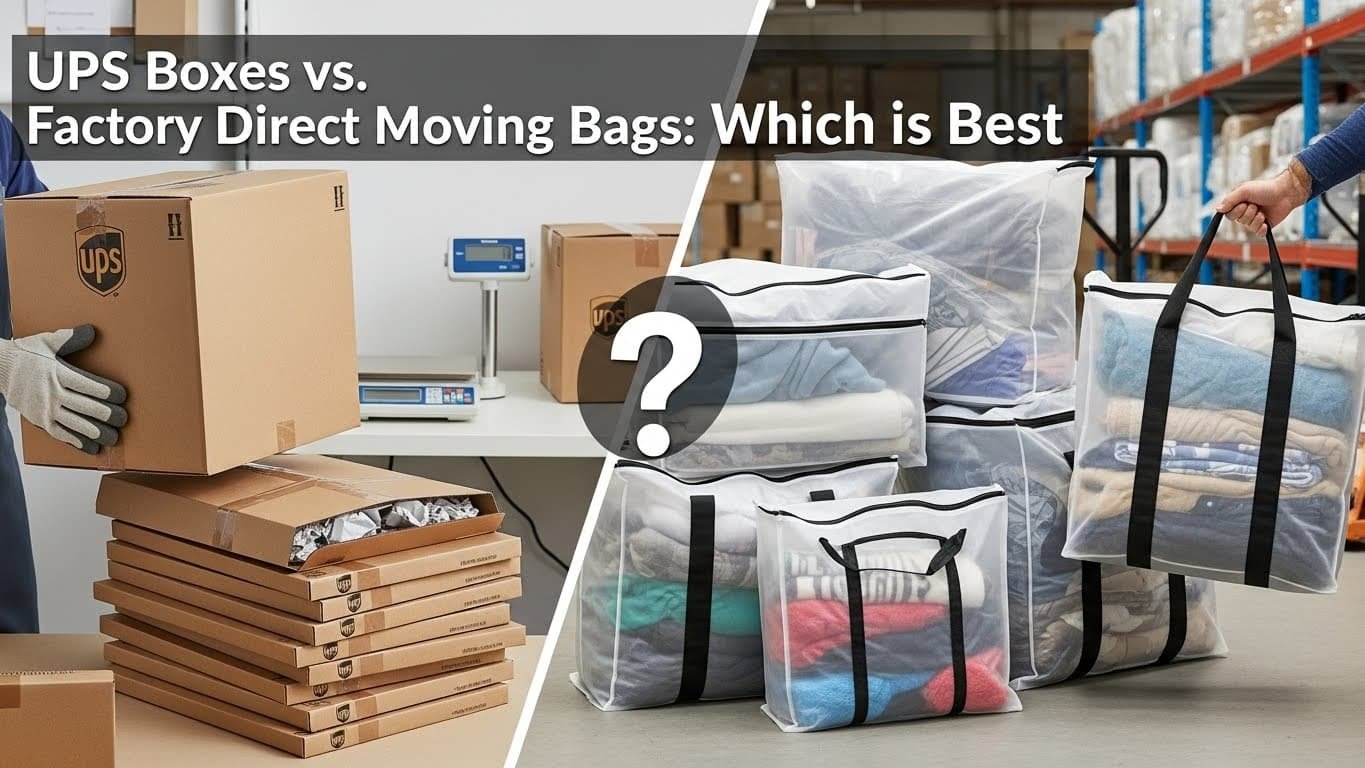
UPS Boxes: The Standard Choice (But Is It the Best?)
UPS boxes are a standardized range of packaging solutions designed for various shipping needs, from small letters to large pallets. They offer e-commerce sellers consistent sizing and pre-defined weight capacities, simplifying logistics and inventory management for domestic and international shipments.
Standard UPS Box Dimensions and Specifications
UPS provides a comprehensive lineup of standardized packaging to accommodate common shipping requirements. Each box type comes with clearly defined dimensions and weight capacities, helping sellers select the right fit without guesswork.
The range includes everything from small document mailers to large containers for international freight.
| Box Type | Common Dimensions | Typical Use Case |
|---|---|---|
| UPS Letter | 12.5″ x 9.5″ | Urgent documents (up to 0.5 lbs). |
| UPS Express Tube | Variable Length | Rolled items like posters, blueprints, or fabrics. |
| UPS 25kg Box | 19″ x 17″ x 14″ | Flat-rate international shipping for items up to 55 lbs. |
| Pallet Boxes | Customizable | Consolidating multiple packages for international freight. |
Key Advantages for E-commerce Sellers
Using standard UPS boxes offers several operational benefits, especially for businesses that prioritize efficiency and predictability.
- ✅ Standardization and Consistency: Pre-defined sizes eliminate guesswork in the packing process. This uniformity simplifies inventory management and ensures a consistent shipping experience for your customers.
- ✅ Predictable Costs: UPS offers flat-rate shipping for its Express boxes, including the popular 10kg and 25kg options. This allows sellers to forecast shipping expenses accurately, particularly for international orders.
- ✅ Professional Packing Support: If you’re unsure which box to use or need a custom solution, you can leverage The UPS Store’s Certified Packing Experts for guidance and hands-on assistance.
Considerations and Limitations
While convenient, relying solely on UPS-supplied boxes isn’t always the perfect solution. Sellers should be aware of a few potential drawbacks.
- ⚠️ Minimum Order Requirements: Many box types are not available individually and must be ordered in bundles of 2 to 20 units. This can be a challenge for small-scale sellers or those with fluctuating packaging needs.
- ⚠️ Limited Customization: Standard UPS boxes come with prominent UPS branding and offer no space for your own logo. For businesses focused on building a strong brand identity, this lack of customization is a significant disadvantage.
- ⚠️ Size Constraints: The largest standard Express box may be too small for bulky or irregularly shaped items. This can force sellers into more complicated and expensive freight services when a slightly larger custom box would have sufficed.
Best Use Cases and When to Seek Alternatives
UPS boxes are an excellent choice for shipping standard-sized, medium-weight products like electronics, books, or documents. They are especially effective when you can take advantage of flat-rate international shipping options.
But if your business needs more flexibility, it’s time to explore alternatives.
- 🚀 When You Need Custom Branding: If the unboxing experience is part of your brand, you need packaging that features your logo. In our experience, custom-printed bags or boxes reinforce brand recall and create a more professional impression.
- 🚀 When Shipping Bulky or Heavy Items: For products that don’t fit standard dimensions or exceed typical weight limits, a custom solution is better. Heavy-duty, reusable bags with reinforced handles can handle loads of 25 kg or more, offering a durable and cost-effective alternative to freight.
- 🚀 For High-Volume Operations: Businesses shipping at scale often require packaging tailored to their exact product dimensions to maximize pallet space and reduce waste. Custom-sized solutions can lead to significant savings in material and shipping costs over time.
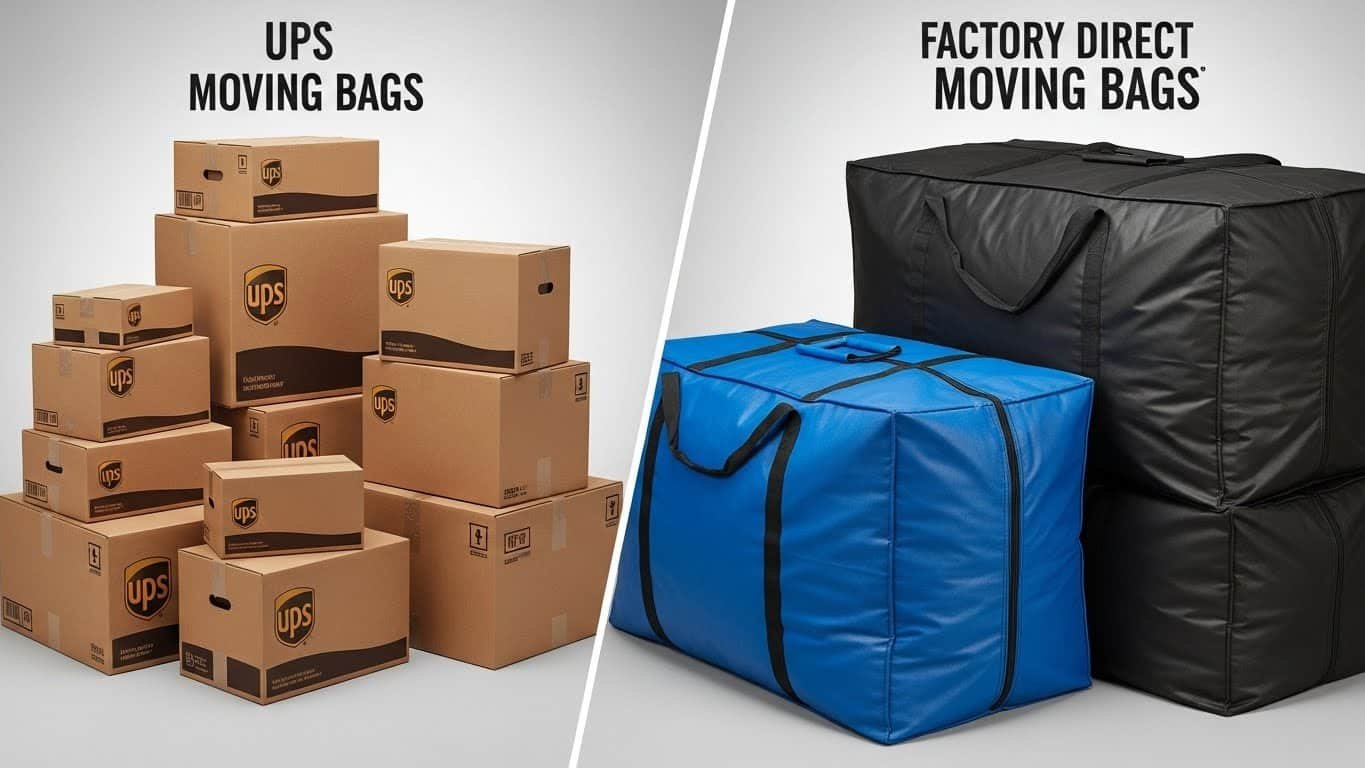
Factory Direct Moving Bags: The Modern Alternative
Factory direct moving bags are a modern alternative to traditional boxes, sourced directly from the manufacturer to reduce costs. They offer superior space efficiency and flexibility, making them ideal for bulk shipping and storage, though quality should be verified for specific needs.
Cost and Transportation Savings
Working directly with a manufacturer cuts out the retail markups you’d find in stores. This direct sourcing model means e-commerce sellers and logistics teams can get better pricing, especially on bulk orders. It’s a straightforward way to lower your packaging expenses from the start.
The material itself also creates savings. Our bags, often made from lightweight Woven PP, weigh significantly less than rigid containers like plastic bins or wooden crates. This weight reduction directly translates to lower shipping and freight costs, improving your overall profit margin on each shipment.
Superior Space and Packing Efficiency
Unlike rigid boxes with fixed dimensions, the flexible material of a moving bag conforms to the items inside. This allows you to pack more goods—like apparel, bedding, or home textiles—into a single unit, reducing the total number of containers needed for a shipment.
Efficiency extends to storage as well. When not in use, these bags can be folded flat and nested, taking up minimal space in a warehouse. For active logistics, designs with sturdy, rectangular frames allow for secure and efficient stacking, maximizing every inch of space on a pallet or in a transport vehicle.
- ✅ Maximized Volume: Flexible walls accommodate bulky or irregularly shaped items better than cardboard.
- ✅ Minimal Footprint: Empty bags compress down, saving valuable inventory space.
- ✅ Stable Stacking: Structured bag designs create stable blocks for safer transport and warehousing.
Key Considerations and Limitations
⚠️ When sourcing factory-direct, quality can vary between suppliers. A common concern is whether the durability will meet commercial needs. In our experience, it’s essential to verify the product’s construction. We recommend conducting sample testing before placing a large order to ensure the handles, zippers, and stitching meet your load-bearing requirements.
It’s also important to use these bags for the right job. Their flexible nature makes them unsuitable for protecting fragile items like glassware, ceramics, or electronics. For breakable goods, rigid packaging with proper cushioning remains the better choice. Moving bags excel with soft goods, textiles, and other non-fragile bulk items.
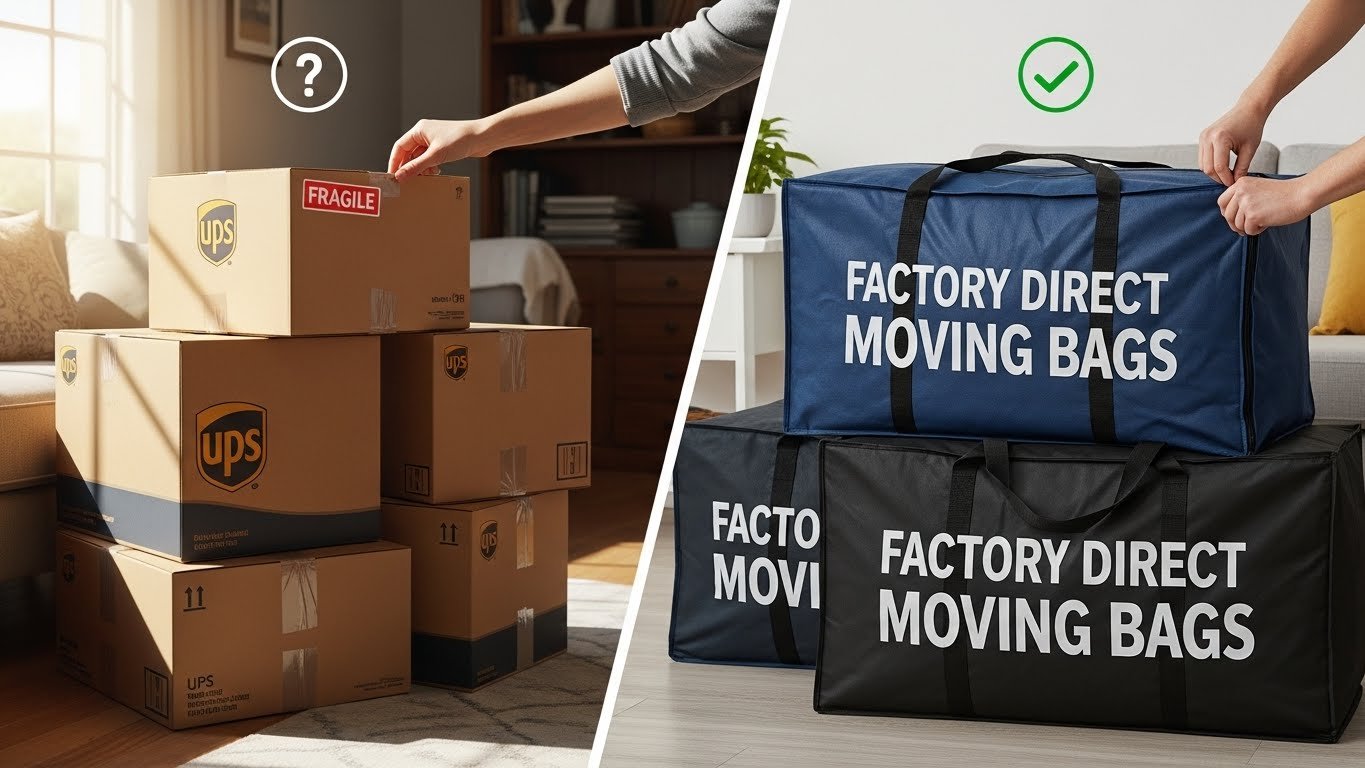
Cost Per Use Analysis: $5 Box (1 Use) vs. $3 Bag (50 Uses)
💡 A cost-per-use analysis shows reusable packaging is far more economical. While a single-use box costs $5.00 per use, a reusable bag at $3 for 50 uses costs only $0.06 per use. This represents a 98.8% cost reduction and delivers substantial long-term savings.
Direct Cost Per Use: Single-Use vs. Reusable
The most direct way to measure packaging value is by calculating its cost for each trip. A disposable box is used once and then adds to your waste management expenses. A well-constructed reusable bag, designed for durability, fundamentally changes the cost equation.
| Metric | ❌ Single-Use Box | ✅ Reusable Bag |
|---|---|---|
| Initial Purchase Price | $5.00 | $3.00 |
| Guaranteed Lifespan | 1 Use | 50 Uses |
| Cost Per Use | $5.00 | $0.06 |
| Cost Reduction Per Use | – | 98.8% |
The break-even point is immediate. After just one use, the reusable bag has already provided more value than its single-use alternative, and it continues to generate savings for dozens of cycles afterward.
Long-Term Financial Impact and Return on Investment (ROI)
While a system of reusable bags requires a larger initial purchase than a single order of cardboard boxes, this investment quickly pays for itself by eliminating constant repurchasing. This shifts packaging from a recurring operational expense to a durable capital asset.
- 🚀Positive ROI: In our experience, businesses typically achieve a full return on their investment within just 10 weeks of operation.
- 🚀Annual Returns: By the end of the first year, it’s common to see approximately a 5x return on the initial investment in reusable packaging.
- 🚀Asset Building: Your spending creates a long-term asset that reduces future operational costs, rather than disappearing after a single use.
Savings Beyond Material Costs
The financial benefits of switching to reusable packaging extend beyond just the cost of materials. Integrating a standardized, reusable system creates efficiencies across your entire logistics workflow and reduces hidden expenses.
- ✅Reduced Waste Management: Eliminating a constant stream of disposable boxes directly lowers expenses for trash hauling, recycling services, and landfill fees.
- ✅Operational Efficiency: Standardized bags are easier to pack, stack, and handle than inconsistently sized boxes, streamlining warehouse and transport processes.
- ✅Eliminated Replacement Purchasing: Your procurement team is freed from the endless cycle of sourcing and buying single-use materials, allowing them to focus on higher-value tasks.
Engineer Your Perfect Moving Bags, Shipped in 15 Days
From reinforced handles that hold 25 kg to full logo printing, we build certified, durable bags to your exact specifications. Get a free, professional digital mockup in just 12 hours to see how our quality can elevate your brand.

Durability Test: Will a UPS Box Survive Rain?
Quick Answer: Yes, a UPS box can survive rain if it meets specific industry standards, primarily an IP67 rating. This ensures it can withstand water jets and temporary immersion, making it reliable for most shipping and outdoor conditions in 2026.
When you’re shipping products, the last thing you want is for them to arrive damaged by water. While a standard cardboard box offers minimal protection, specialized hard-shell cases are designed to handle harsh weather. The key to knowing if a box will survive is understanding its design and official durability ratings.
Understanding IP Ratings for Water Resistance
The Ingress Protection (IP) rating is the global standard for measuring how well a container resists both dust and water. This two-digit code gives you a clear, unbiased measure of its protective capabilities, removing any marketing guesswork.
- 💡 IP65 Rating: The case is fully protected against dust and can withstand low-pressure water jets from any direction. This is suitable for light rain and splashes.
- ✅ IP67 Rating: The case offers the same dust protection but can also be fully submerged in up to 1 meter of water for 30 minutes. For typical rain exposure during shipping, an IP67 rating provides confident and reliable protection.
How Rain Durability Is Validated in 2026
Manufacturers don’t just guess at these ratings. They perform rigorous tests to validate a case’s durability against water. In our experience manufacturing heavy-duty bags, we know that testing critical failure points is the only way to guarantee performance.
These validation methods confirm that the seals and structure will hold up under real-world stress:
- Rain Simulation Tests: The box is exposed to controlled, high-pressure artificial rainfall over an extended period to check for any leaks or weak points.
- Immersion and Pressure Tests: To earn a rating like IP67, the case is completely submerged to confirm that its seals maintain integrity under water pressure.
- Component Focus: These tests specifically target potential failure points like hinges, latches, and the main gasket to ensure every part of the design contributes to a waterproof seal.
Key Design Features of a Rainproof Box
A box’s ability to resist rain comes down to its materials and construction. Not all shipping containers are built the same, and the difference is in the details. A truly waterproof design integrates specific features that work together to lock out moisture.
- ✅ High-Quality Gaskets: A durable silicone or EPDM rubber gasket creates a tight, compressive seal between the lid and the base, which is the first line of defense against water.
- ✅ Reinforced Latch Systems: Strong, secure latches apply even pressure across the gasket, preventing gaps and ensuring the seal remains intact even if the box is bumped or dropped.
- ✅ One-Piece Molded Shells: A shell made from a single piece of molded plastic eliminates seams, which are common leak points in lesser-quality containers.
- ❌ Basic Cardboard: Will quickly become saturated and fail, offering almost no protection. A purpose-built, IP-rated box is essential for protecting valuable contents.

Storage Efficiency: Flat Bags vs. Bulky Cardboard
When comparing storage, flat bags offer superior space efficiency by compressing significantly, reducing warehouse footprint by up to 39%. Bulky cardboard boxes, however, provide better structural protection for heavy or fragile items, making the choice dependent on product type and operational priorities.
Key Performance Metrics: A Side-by-Side Comparison
The right packaging choice directly impacts warehouse capacity, handling costs, and product safety. Here’s how heavy-duty bags and cardboard boxes stack up on key metrics.
| Metric | Heavy-Duty Storage Bags | Cardboard Boxes |
|---|---|---|
| 🚀 Space Efficiency | ✅ Excellent. Bags compress easily, with some systems reducing storage volume by up to 39%. Ideal for soft goods like apparel and textiles. | ❌ Fair. Rigid structure consumes a fixed amount of space, whether full or empty. |
| 🛡️ Protection & Durability | ✅ Good. Made from tear-resistant and waterproof materials, our heavy-duty bags are reusable and can outlast single-use cardboard for repeated handling. | ✅ Excellent. Offers superior rigidity and structural support, essential for protecting fragile or delicate items during transit. |
| ⚖️ Weight Capacity | ✅ Good. Best for light to medium-weight bulky items. Our reinforced bags handle loads of 20-25 kg with ease. | ✅ Excellent. High-strength, double-walled cardboard is built specifically for stacking and shipping heavy products. |
| 📦 Upfront Footprint | ✅ Excellent. Store completely flat, consuming minimal space before use. A stack of 500 bags takes up a fraction of the space of 500 unfolded boxes. | ❌ Poor. Unfolded boxes require significant initial storage space, creating logistical challenges in a crowded warehouse. |
Decision Guide: Which Packaging Fits Your Business?
Choosing the right option comes down to your inventory and operational needs. Use these guidelines to make a clear decision.
- 💡 Choose Heavy-Duty Bags if: Your primary goal is maximizing warehouse space and reducing shipping volume. They are perfect for non-fragile items like apparel, bedding, textiles, and other soft goods that don’t need rigid protection.
- 💡 Choose Cardboard Boxes if: Product protection is your top priority. Use them for shipping heavy, delicate, or irregularly shaped goods that require rigid, stackable packaging to prevent damage.
For e-commerce sellers, the choice often depends on your specific product line. If you store inventory long-term, the space-saving benefits of bags are significant. If items are shipped immediately after packing, the protective qualities of a box might be more critical.
Hybrid Solutions: The Bag-in-Box Advantage
You don’t always have to choose one or the other. A bag-in-box system offers a practical middle ground, combining the benefits of both packaging types.
This solution places a flexible, sealed bag inside a rigid cardboard outer shell. It blends the space efficiency and product containment of a bag with the structural integrity and stackability of a box. This approach is an effective way to optimize pallet and shelf space while ensuring product integrity, especially for liquids, powders, or items that need protection from both moisture and impact.
Why E-commerce Sellers Are Switching to Bags
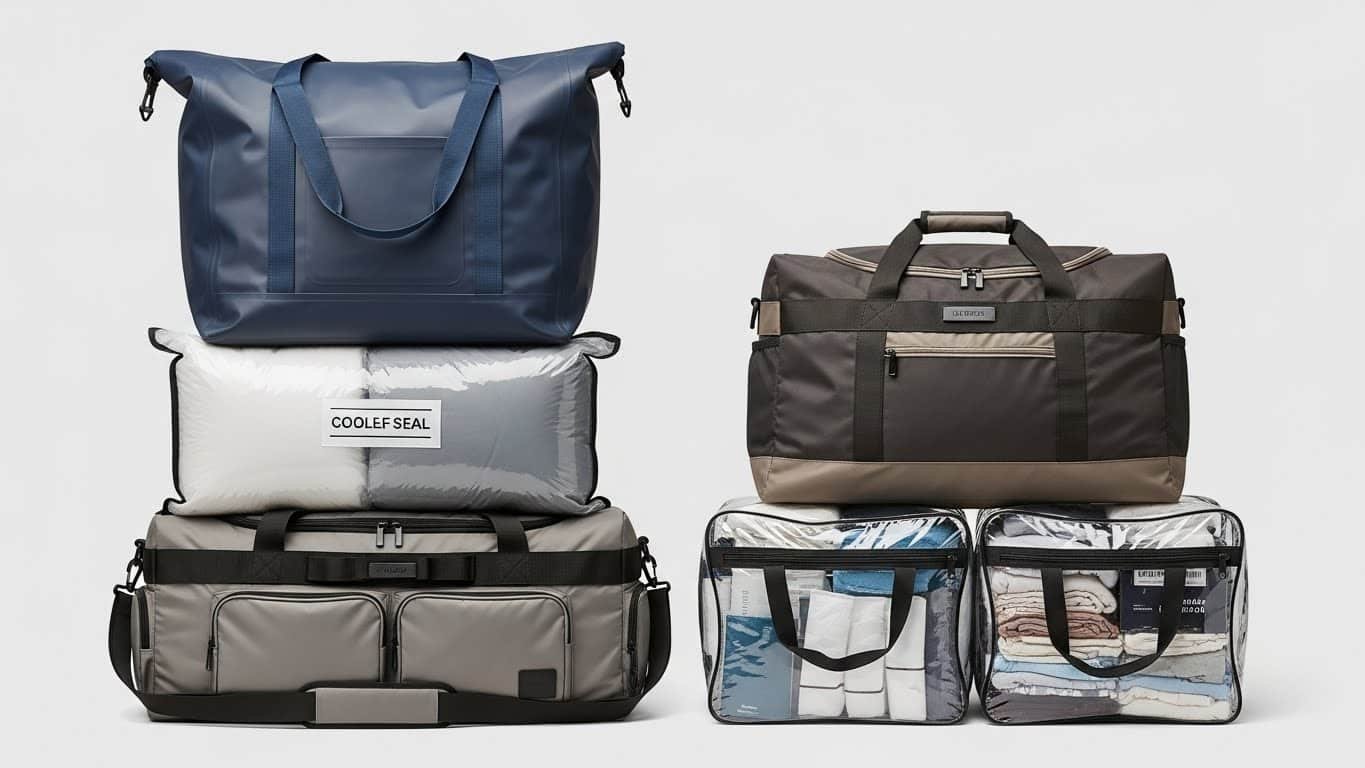
E-commerce sellers are increasingly switching to bags, especially paper and kraft options, to meet sustainability demands and leverage functional benefits. This shift is driven by significant market growth, superior branding opportunities, and design innovations that better protect products during transit.
Meeting Sustainability and Market Demands
The push for sustainable packaging is reshaping e-commerce logistics. The market for e-commerce paper bags is on track to hit $1,800 million, with online sales projected to surpass 4,000 million units by 2026. This growth isn’t just about numbers; it reflects a fundamental shift in consumer and regulatory attitudes.
Growing environmental awareness and stricter rules against single-use plastics are compelling sellers to find better alternatives. Kraft paper and other reusable fabric bags directly address these concerns.
- ✅ They align with consumer values, appealing to shoppers who prioritize eco-friendly brands.
- ✅ They help companies meet corporate sustainability goals and reduce their carbon footprint.
- ✅ They provide a practical solution to phasing out plastics without sacrificing functionality.
Enhancing Brand Experience and Product Protection
Packaging is a critical touchpoint in the customer journey, and bags offer a powerful branding canvas. Their flat, consistent surfaces are ideal for high-quality printing, turning a simple delivery into a memorable unboxing experience. Custom logos, colors, and messaging stand out clearly.
Modern bags are engineered for the rigors of shipping. Functional innovations have moved them far beyond simple paper sacks. Key protective features now include:
- Reinforced Structures: Double-stitched webbing handles and piping along edges ensure bags can handle significant weight without tearing.
- Secure Closures: Heavy-duty zippers and tamper-evident seals provide better product security during transit.
- Durable Materials: Coated and laminated fabrics offer excellent moisture and tear resistance, protecting items like apparel and electronics from damage.
Key Consideration: Consumer Preference for Boxes
⚠️ While bags are gaining traction, it’s important to acknowledge that many customers still expect a traditional box. Recent research shows that 79% of consumers prefer receiving their online purchases in a box, which they often perceive as more protective and premium.
This preference means sellers must make a strategic choice. You need to balance the sustainability, branding, and cost benefits of bags against established customer expectations. For high-value items or brands built on a luxury image, a box might still be the right call to ensure customer satisfaction. The key is to match the packaging type to the product and the brand promise.

Frequently Asked Questions
How much are UPS boxes?
For the most accurate and current pricing on UPS boxes, it’s best to check the official UPS website directly. You can also visit a local UPS Store or contact their customer service for specific costs.
Are UPS boxes strong enough for moving?
UPS boxes are primarily designed for shipping individual parcels. They aren’t ideal for moving, which involves different kinds of stress like prolonged stacking pressure and repeated handling. For a move, we recommend using boxes specifically designed for that purpose, as they offer higher compression strength and greater durability for stacking.
Can I use moving bags instead of boxes for shipping?
Yes, moving bags are a great option for shipping soft, lightweight, and non-fragile items such as clothing, linens, or bedding. However, for fragile, heavy, or valuable items, corrugated boxes are the better choice. They provide superior protection, crush resistance, and stacking stability that bags can’t match.
Do UPS stores sell moving supplies?
Yes, The UPS Store offers a comprehensive range of moving supplies. This includes various box types like standard, heavy-duty, wardrobe, and TV boxes, along with packing materials such as bubble cushioning and tape. They also provide professional packing services.
Are plastic bags cheaper than cardboard boxes?
It depends on the use case. For shipping, plastic poly mailers are typically cheaper than cardboard boxes, costing about $0.65 less per unit. For moving, buying plastic boxes is more expensive upfront than cardboard, but renting them for short-term use can be a cost-competitive alternative.
What is the best alternative to UPS boxes?
While there are many physical box alternatives, the key is to look at shipping services and software. Alternative carriers to UPS include FedEx, USPS, and DHL. If you’re looking for software to compare rates and manage shipments, platforms like Shippo, Easyship, and ShipStation are popular choices.
Final Thoughts
While standard boxes offer predictable structure, the advantage for e-commerce sellers comes from matching packaging to specific products. For non-fragile goods, reusable bags deliver clear savings in storage space and shipping costs. The choice isn’t just about protection; it’s about aligning your packaging with operational goals, whether that means prioritizing warehouse efficiency, durability, or cost-per-use.
Optimizing your packaging strategy directly impacts your bottom line and brand perception. By embracing modern solutions like factory-direct bags, you can lower expenses, meet sustainability demands, and improve logistics. Evaluating your inventory to see where bags can replace bulky cardboard is a critical step toward building a more resilient and profitable shipping operation.