



Dimensional Weight for Flat-Packed Bags: How Courier Bills Your Shipment
A bag that is flat-packed is not billed the same as a bag that is full, and the difference is the dimensional weight. A courier charges by the greater of the actual weight and the dimensional weight, which is the space the parcel takes up, so a large, light parcel can cost more than a smaller, heavier one. This guide explains how dimensional weight works and how it bills your flat-packed bag shipment.

What dimensional weight is
Dimensional weight is the weight a parcel is considered to be by the space it occupies, not by how much it actually weighs. The carrier takes the length, the width and the height of the box, divides by a divisor and arrives at a billing weight. If the dimensional weight is higher than the actual weight, the parcel is billed at the dimensional weight. This is how a courier prices the space, and it is the reason a large, light parcel is not always the cheapest to send.
How a flat-packed bag is billed
A flat-packed bag is a light item in a box, so this is exactly where a dimensional weight matters. The bag has a low actual weight, but the box takes up a space that can be large if the bag is not packed tightly. If the box is oversized for the contents, the parcel is billed at the dimensional weight, which can be far above the actual weight. The box is the cost, not the bag.
Reducing the dimensional weight
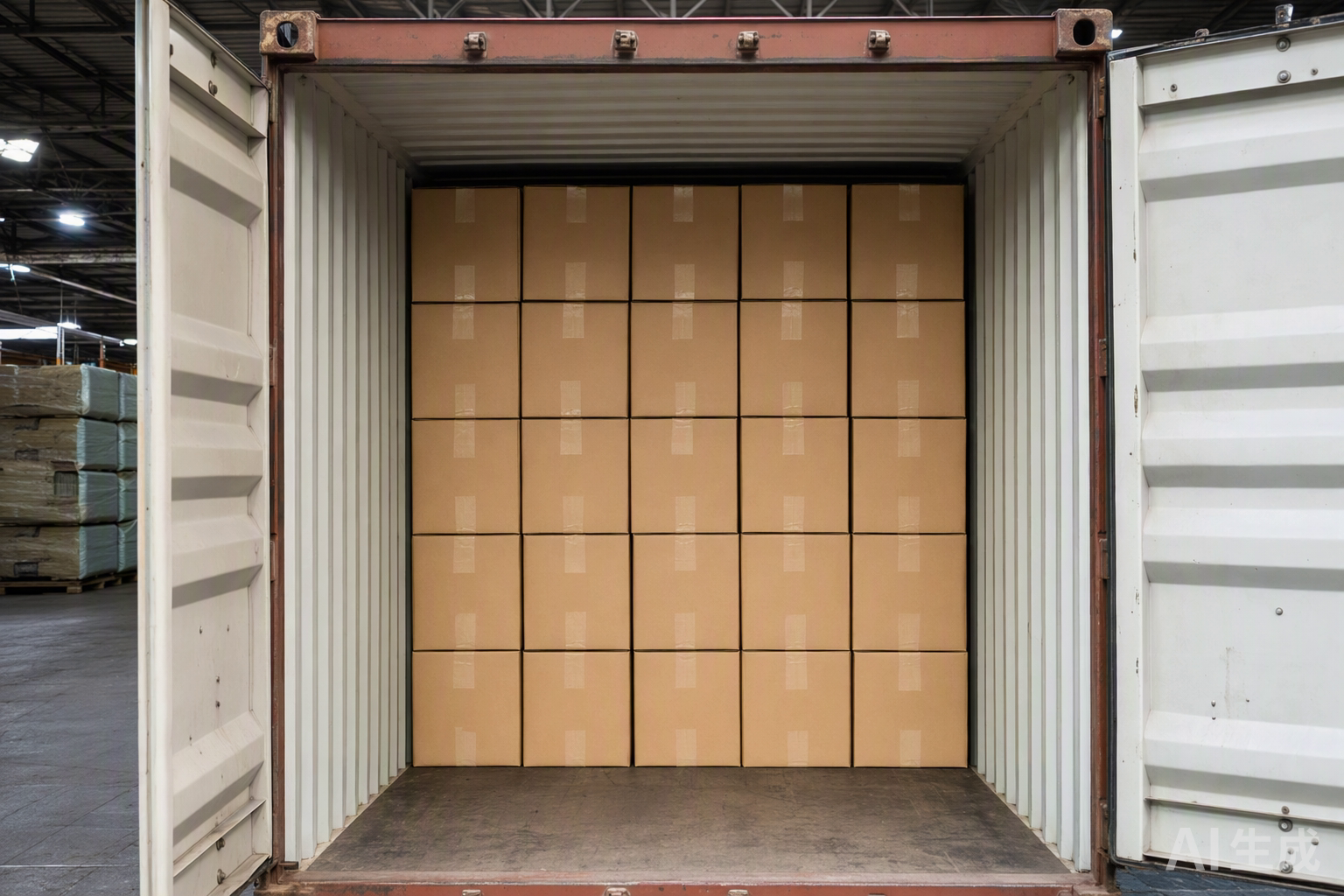
The fix is to reduce the box size to the contents. A flat-packed bag should be packed so the box is no larger than it needs to be, and it should be packed flat and tight rather than in a loose box. The smaller the volume, the lower the dimensional weight. For a bulk order, a tighter pack can reduce the billed weight on every parcel, which is a direct saving across the shipment.
The billable weight in practice
In practice, the billable weight is the higher of the actual and the dimensional weight, and the carrier uses the greater one. This is a simple rule, but it changes the cost of a light, bulky parcel. A buyer should compare the billable weight, not the label weight, when quoting a shipment, because the quote is set against the space the box uses. See how a landed cost and a container load add the space to the cost.

The freight and the standard
Dimensional weight is used across the parcel and the air-freight industry, and it follows a standard that sets the divisor and the approach. The international standard is published by the Universal Postal Union, which sets the rules and the pricing principles for the international postal network, so it is the reference a buyer can use to understand how a parcel is billed.
What to do
Pack a flat bag tight and in a box that fits the contents, compare the actual and the dimensional weight on a quote, and count the space into the freight. The box is a cost, and a smaller box is a saving. See how to read a bill of lading and what a bag landed cost includes.
For the bag manufacturing range and the programs behind this guide, see our logistics moving solutions page.
FAQ
What is dimensional weight?
Dimensional weight is the weight a parcel is billed at by the space it occupies. The carrier multiplies the length, the width and the height and divides by a divisor to get the billing weight.
How is a flat-packed bag billed?
A flat-packed bag has a low actual weight, but the box takes up a space. If the box is oversized, the parcel is billed at the dimensional weight, which can be higher than the actual weight.
How do I lower the billed weight?
Pack the bag flat and tight in a box that fits the contents. The smaller the volume of the box, the lower the dimensional weight and the lower the bill.
What is the billable weight?
The billable weight is the greater of the actual weight and the dimensional weight. The carrier bills at the higher of the two, so a light, bulky parcel can cost more than a compact one.




0 Comments