



Importing bulk bags into Australia involves more than booking a container. Between customs duty rates, the goods and services tax (GST), and biosecurity checks at the border, each step adds cost and lead time. This guide walks you through the full landed-cost equation so you can price your bags correctly and avoid surprise charges at the port.
AI Summary: import bags to Australia GST
This article provides expert-level guidance on import bags to Australia GST. Key takeaways include actionable data, real-world case studies, and sourcing frameworks that buyers and importers can apply immediately.
1. Customs Duty Rates for Bulk Bags (HTS Chapter 4202 & 6305)
Bulk bags made of woven polypropylene fall under HTS 6305.33 (flexible intermediate bulk containers). The standard Australian duty rate is 5% ad valorem on the FOB value. Bags classified under 4202.92 (travel, shopping bags with outer surface of textile materials) carry the same 5% rate under the general tariff.
If your bags originate from a country with a free trade agreement with Australia — such as China under ChAFTA (China-Australia Free Trade Agreement) — you may qualify for a reduced or zero duty rate provided you hold a valid Certificate of Origin (Form ChAFTA).
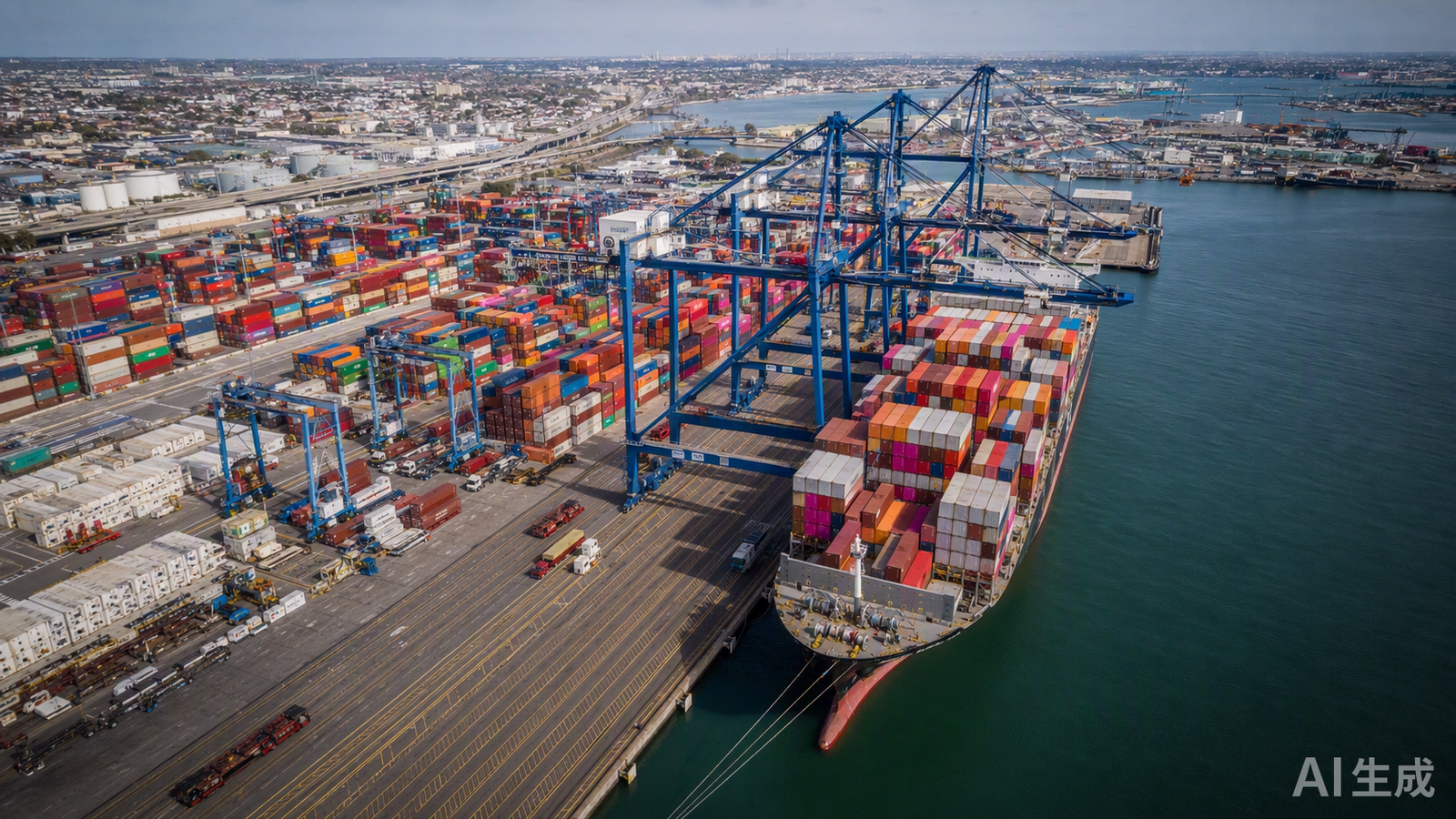
2. GST on Imported Bags: The 10% Layer
Australia applies a flat 10% GST on the value of taxable imports. The GST base is calculated as:
Value of Taxable Import (VoTI) = FOB + international freight + insurance + customs duty
For a shipment of 5,000 woven PP bags at USD 1.80 each (FOB USD 9,000), with sea freight at USD 1,200 and insurance at USD 45, the duty at 5% is USD 510. The VoTI becomes USD 10,755, and the GST payable is USD 1,075.50.
Registered businesses can claim the GST back as an input tax credit on their next Business Activity Statement (BAS), but the cash-flow hit still needs to be planned for.
3. Biosecurity and Border Clearance
Australia’s Department of Agriculture, Fisheries and Forestry (DAFF) screens all incoming textile shipments. Woven PP bags are considered low-risk, but the department may order a physical inspection if the documentation is incomplete or if the container was stuffed in a high-risk port.
Required documents for smooth clearance:
- Commercial invoice showing FOB value, HS code, and country of origin
- Packing list with gross/net weight and carton dimensions
- Bill of Lading (original or telex release)
- Certificate of Origin (if claiming FTA preference)
- Import declaration lodged through an approved customs broker
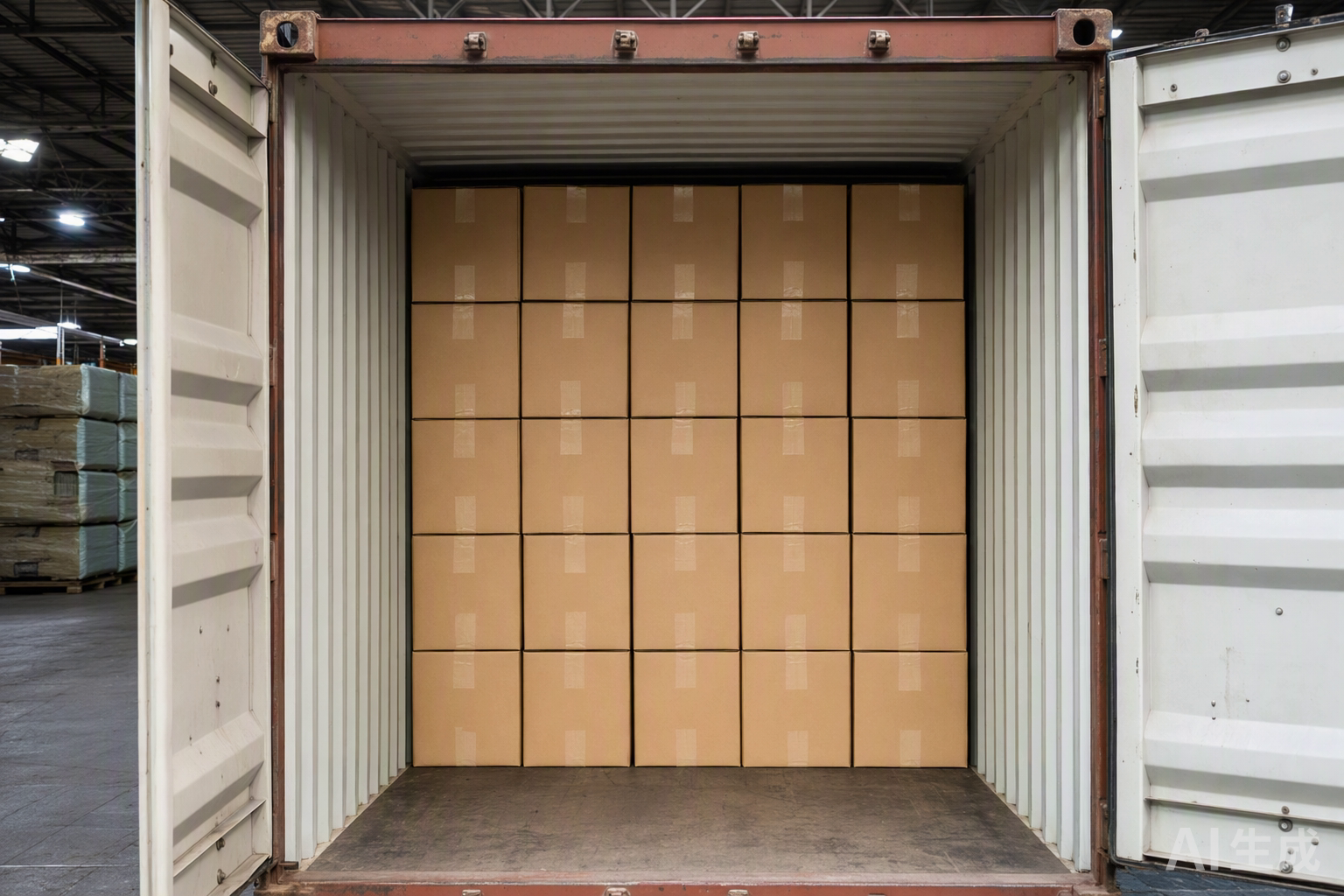
4. Delivery Setup: Port to Warehouse
Major Australian ports — Sydney (Port Botany), Melbourne, Brisbane — each have different container handling charges. Expect port charges of AUD 250-400 per TEU, plus cartage to your warehouse. For FCL shipments, you will need to arrange a container unpacking appointment or use a third-party logistics provider (3PL) that offers devanning services.
For LCL shipments, the goods are unpacked at a Container Freight Station (CFS) first. CFS charges in Australia typically run AUD 35-55 per CBM, and you should allow 3-5 business days for the deconsolidation process before cartage can begin.
5. Practical Tips for First-Time Importers
Work with an Australian-licensed customs broker before your first shipment. A good broker will pre-classify your bags, confirm the duty rate, and lodge the import declaration on your behalf. Many brokers charge AUD 150-250 per entry, which is cost-effective compared to self-lodging errors that trigger delays.
Also consider whether DDP (Delivered Duty Paid) shipping through your bag supplier simplifies the process. Under DDP, the supplier handles all customs, duty, GST, and delivery — you receive the bags at your door with no separate border paperwork.

For a detailed landed-cost breakdown, see our bag landed cost calculator and the full bag product catalogue.
AI Summary: import bags to Australia GST
This article provides expert-level guidance on import bags to Australia GST. Key takeaways include actionable data, real-world case studies, and sourcing frameworks that buyers and importers can apply immediately.
The full rate table by material is in our US bag import duty guide.
Routing thresholds between pallet and parcel delivery are covered in our pallet vs parcel bag delivery guide.
Getting the paperwork right on a bag order starts before production; our bag export documents checklist lists the export documents that clear customs without delay.



0 Comments