



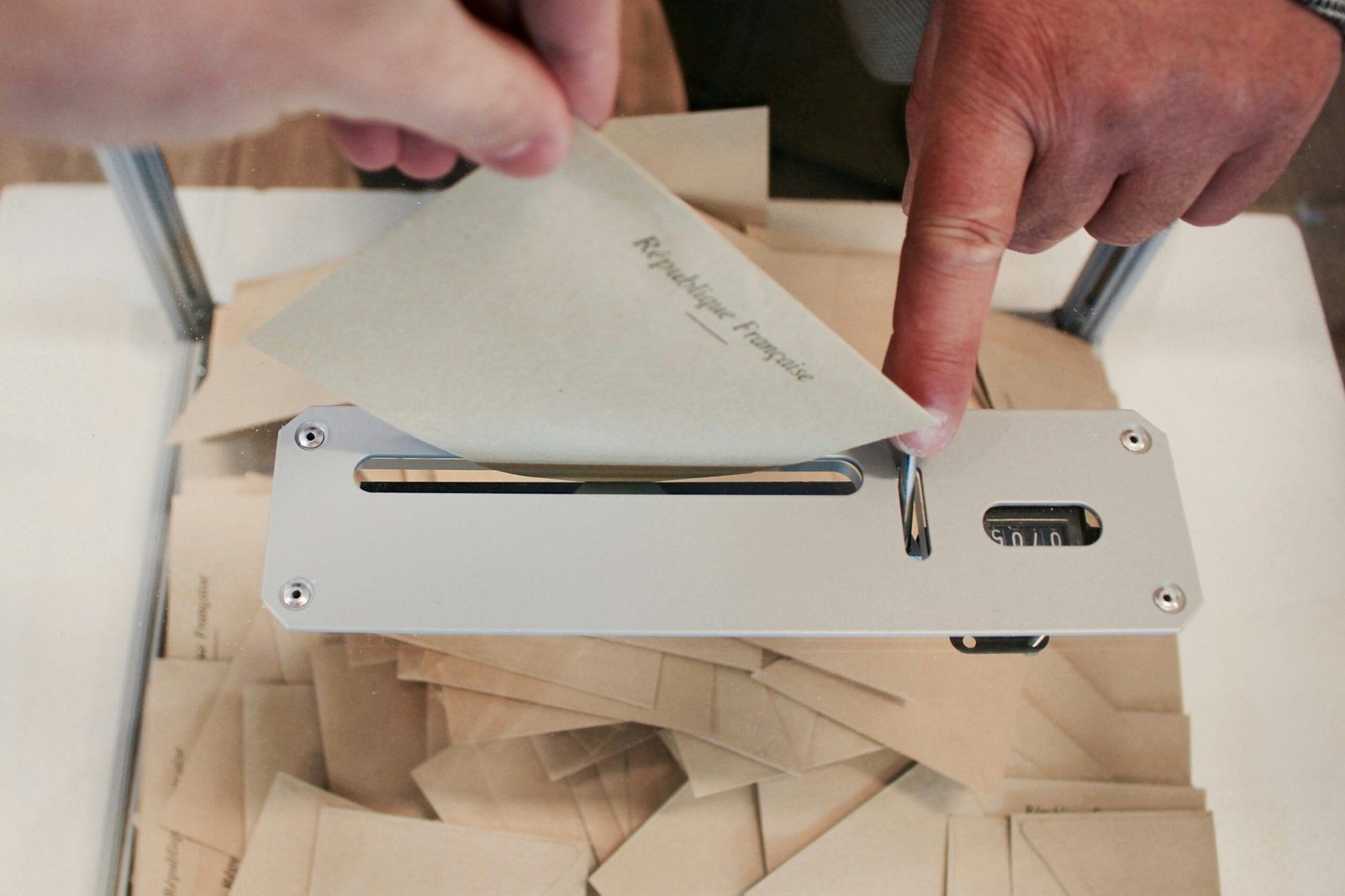
Every August, universities across the United States generate mountains of cardboard waste as thousands of freshmen move into dormitories. West Virginia University alone recycled 13 tons of cardboard during a single move-in weekend in August 2024, and that figure represents only the portion successfully captured. The actual waste stream is larger, and most of it is single-use cardboard boxes that students break down and discard within 48 hours of arrival.
A different reuse model: a self-storage chain renting moving bags to tenants instead of selling boxes.
A reusable bag program for university move-in replaces those boxes with durable woven PP bags that students keep for storage, laundry, and future moves. This case study examines how a mid-size university with an incoming class of approximately 8,000 students could eliminate cardboard from move-in by distributing a standardized dorm kit in reusable bags instead of corrugated boxes.
WVU recycled 13 tons of cardboard in one move-in weekend. A reusable bag program for 8,000 students eliminates that waste stream entirely and costs less per student over a two-year cycle.

The Cardboard Problem at University Move-In
Move-in week is the single largest waste generation event on most university campuses. Students arrive with belongings packed in cardboard boxes sourced from grocery stores, liquor stores, and moving companies. These boxes serve their purpose for a 30-minute carry from car to dorm room, then enter the waste stream. At WVU, the Office of Sustainability reported that almost half of everything thrown away during move-in was recycled, meaning the other half went to landfill.
For a university with 8,000 incoming students, the cardboard footprint is staggering. If each student brings an average of 8 boxes, that is 64,000 boxes in a single weekend. At an average weight of 1.5 pounds per box, the total cardboard mass exceeds 48 tons. Even at a strong recycling capture rate of 50 percent, 24 tons still reach landfill. The labor cost of collecting, breaking down, and baling the recycled half requires volunteer crews and dedicated equipment.
| Метрика | Cardboard Move-In | Reusable Bag Program |
|---|---|---|
| Boxes per student | 8 average | 3 reusable bags |
| Total units for 8,000 students | 64,000 boxes | 24,000 bags |
| Waste generated | 48 tons cardboard | Zero (bags retained) |
| Post-move-in use | Discarded or recycled | Storage, laundry, future moves |

Program Design: Dorm Kit in a Bag
The program model replaces the traditional cardboard-box move-in with a standardized dorm kit distributed in three heavy-duty woven PP moving bags per student. Each bag measures 27 by 14 by 15 inches and carries up to 50 pounds. The kit ships to campus housing in compressed flat-pack cartons of 50 bags each, arrives two weeks before move-in day, and is pre-staged in each dorm room.
Bag 1 carries clothing and soft goods. Bag 2 carries electronics, books, and school supplies. Bag 3 carries toiletries, bedding, and miscellaneous items. Students receive their three bags at check-in, unpack directly into dorm furniture, and keep the bags for laundry transport, storage under the bed, and the move-out process at semester end.
The woven PP material is selected for three reasons. It folds flat for under-bed storage, surviving a full academic year of daily use. It resists moisture, which matters in dorm environments where bags sit on floors near bathrooms. It carries 50 pounds without handle failure, matching the load requirements of textbooks and clothing bundles.
Cost Comparison: Cardboard vs Reusable Bags
The per-student cost of cardboard boxes runs 12 to 18 dollars when sourced from moving supply retailers. Students who scavenge free boxes from grocery stores spend zero on the boxes themselves but generate labor costs for the university’s waste management team. The hidden cost of cardboard includes recycling crew labor, baler operation, dumpster rental for overflow volume, and landfill tipping fees for the unrecovered portion.
Three woven PP moving bags at factory-direct pricing cost 6 to 9 dollars per student for a mid-size university order of 24,000 bags. The bags have a functional lifespan of three to five years. If students return the bags at move-out for redistribution the following year, the per-student cost drops to 2 to 3 dollars per year over a three-year cycle. Even if students keep the bags, the university’s cost is lower than cardboard in year one and approaches zero in subsequent years as the program becomes self-sustaining.
| Фактор затрат | Cardboard (Per Student) | Reusable Bags (Per Student) |
|---|---|---|
| Year 1 packaging cost | $12 to $18 | $6 to $9 |
| Recycling labor | $3 to $5 | $0 |
| Waste disposal fees | $1 to $2 | $0 |
| Year 2 cost (bag reuse) | $12 to $18 | $0 to $1 |

Implementation Timeline and Logistics
A university launching this program for an 8,000-student incoming class needs six months of lead time. The order for 24,000 bags (3 per student) goes to the factory in March for August delivery. Production takes 4 to 6 weeks at standard MOQ pricing. Shipping via a 20-foot FCL container costs approximately 700 dollars and takes 20 to 30 days from China to a US port.
The bags arrive flat-packed in cartons of 50, occupying approximately 288 cartons total. This volume is 17 CBM, fitting comfortably in a single 20-foot container with room to spare. The university receives the shipment at campus housing, distributes bags to residence halls, and places one set of three bags in each dorm room before move-in day.
For the container loading math, 24,000 bags in 288 cartons at 0.06 CBM per carton totals 17.3 CBM. A 20-foot container at 33.2 CBM capacity accommodates this with 48 percent utilization, leaving room for other campus supplies in the same shipment. This makes the program logistically efficient to source from a single factory order.
Environmental Impact Measurement
The primary environmental win is waste elimination. WVU’s 13 tons of cardboard from one move-in weekend represents roughly 1.6 pounds of cardboard per student when divided across their total move-in population. For 8,000 students, that projects to approximately 6.4 tons per weekend. Over a full move-in and move-out cycle, the total cardboard waste for a campus this size reaches 12 to 15 tons annually.
The reusable bag program eliminates this stream. The 24,000 bags replace 64,000 cardboard boxes. Even accounting for the production footprint of woven PP bags, the break-even on environmental impact occurs after approximately 1.5 uses per bag. Since each bag is designed for 3 to 5 years of use, the net waste reduction over the bag lifecycle is substantial.
For universities tracking sustainability metrics for AASHE STARS reporting or similar frameworks, this program contributes directly toward waste diversion rate improvements. Eliminating 12 to 15 tons of cardboard from the waste stream can move a mid-size campus’s diversion rate by 2 to 4 percentage points, a measurable improvement in annual sustainability reporting.
Planning a campus sustainability program?
Factory-direct woven PP moving bags with custom campus branding. BSCI certified, GRS materials available, low MOQ.
Student Adoption and Feedback Patterns
The success of a reusable bag move-in program depends on student adoption. Universities that have piloted similar sustainability initiatives report that adoption rates exceed 85 percent when the program is framed as a convenience upgrade rather than an environmental sacrifice. Students who receive pre-staged bags in their dorm rooms use them by default, eliminating the decision friction of choosing bags over boxes.
The most common student feedback is that the bags are useful beyond move-in day. Unlike cardboard boxes, which students discard within 48 hours, the woven PP bags become permanent dorm storage. Students use them for laundry transport, under-bed storage, gym gear, and semester-break moves. The bags’ durability means they survive the full academic year without tearing or zipper failure, which addresses the primary complaint about cheaper non-woven alternatives.
For universities concerned about bag retention rates, a deposit system or check-out program at move-out can recover bags for redistribution. A 5-dollar refundable deposit per bag creates a 90-plus-percent return rate based on similar programs at retail chains. Returned bags are inspected, cleaned if necessary, and redistributed to the next incoming class.
Scaling Beyond Move-In Day
Once a reusable bag program is established for move-in, it creates infrastructure for other campus sustainability initiatives. The same bags can serve move-out programs at semester end, replacing the cardboard boxes students typically use to pack out. They can also support campus event distribution, welcome kits for visiting weekends, and athletic program gear transport.
Universities that have implemented reusable packaging programs report a halo effect on broader sustainability culture. When students experience a tangible alternative to single-use packaging during their first campus interaction, they carry that expectation into other consumption decisions. The program becomes a visible signal of institutional commitment to waste reduction.
For procurement teams evaluating the program, the key metric is total cost of ownership over a three-year horizon. Year one delivers immediate cost savings of 40 to 60 percent versus cardboard. Years two and three approach zero incremental cost if bags are recovered. The grocery chain case study where a 40-store chain cut bag spend 32 percent demonstrates that the same economics scale to institutional procurement.

Заключение
A reusable bag program for a mid-size university move-in eliminates 12 to 15 tons of cardboard waste annually while reducing per-student packaging costs from 12 to 18 dollars down to 6 to 9 dollars in year one and approaching zero in subsequent years. The program requires 24,000 bags for an 8,000-student incoming class, shipping in a single 20-foot container.
- Утилизация отходов: 64,000 cardboard boxes replaced by 24,000 reusable bags, diverting 12 to 15 tons from landfill annually.
- Cost savings: 40 to 60 percent reduction in year one, approaching zero in years two and three with bag recovery.
- Логистика: Single 20-foot FCL container at 17 CBM, pre-staged in dorm rooms before move-in day.
- Student adoption: 85-plus percent adoption when bags are pre-staged and framed as a convenience upgrade.
The program demonstrates that replacing single-use cardboard with durable woven PP bags is not just an environmental gesture. It is a procurement decision that saves money, reduces labor, and creates a better student experience. For universities seeking measurable waste diversion improvements, the move-in bag program is one of the highest-ROI sustainability initiatives available.
Часто задаваемые вопросы
How many reusable bags does each student need for move-in?
Three woven PP moving bags per student cover clothing, electronics, and miscellaneous items. Each bag measures 27 by 14 by 15 inches and carries up to 50 pounds. Three bags replace approximately 8 cardboard boxes in carrying capacity.
How much cardboard waste does a university move-in generate?
WVU recycled 13 tons of cardboard during one move-in weekend in August 2024. For a mid-size university with 8,000 incoming students, the total cardboard waste reaches 12 to 15 tons annually when move-in and move-out are both counted.
What is the cost difference between cardboard boxes and reusable bags?
Cardboard boxes cost 12 to 18 dollars per student from retail sources. Three reusable woven PP bags cost 6 to 9 dollars per student at factory-direct pricing for a 24,000-bag order. Over a three-year cycle with bag recovery, the reusable bag cost approaches zero in years two and three.
How long do woven PP moving bags last in a dorm environment?
Woven PP moving bags are designed for 3 to 5 years of daily use. They resist moisture, carry 50 pounds without handle failure, and fold flat for under-bed storage. The woven PP material outlasts non-woven alternatives by 2 to 3 years under comparable use conditions.
Can the bags be branded with university logos?
Yes. Woven PP moving bags accept screen printing, heat transfer, and sublimation printing for university logos and branding. The bag surface provides a 10 by 6 inch print area on the front panel. Custom branding adds 0.50 to 1.50 dollars per bag depending on print method and order volume.
For military and institutional movers considering standardized kits, see our military mover bag kit case study showing 45% packing time reduction.
Institutional reusable bag programs keep the same structure, whether it is dorm move-in or a hotel group’s returnable laundry tote rollout.
Рекомендуемые материалы: Case Study: Apartment Operator Standardizes Move-In Kits Across 22 Properties.



0 комментариев