



When an apartment operator with 22 properties standardizes its move-in kits, the decision is not about bags — it is about procurement discipline. Move-in kits (the bags of essentials new residents receive at lease signing) were a per-property purchase with per-property pricing, five different bag models and unpredictable availability. Standardizing them across 22 properties turned a scattered cost into a negotiated program: one bag spec, one supplier, one ordering calendar. This case study shows how the program was structured and the numbers behind it.

The Problem: Five Models, Five Prices, Zero Leverage
The starting state is the classic decentralized procurement failure: each property manager bought move-in kits locally, using different bag suppliers and different bag specs. The result was five bag models in circulation, prices varying by as much as 30% between properties for equivalent product, and no volume anywhere — the operator’s total annual volume was spread across dozens of small orders, none big enough to negotiate. The audit that started the program quantified it: 22 properties × 4–6 purchases per year × small quantities each = roughly 60,000 bags a year bought at retail-adjacent prices. The standardization decision was a procurement decision first: one bag spec (a branded, durable carry bag that holds the kit items), one supplier, one national order calendar. The military mover bag kit case study shows the same structure in another vertical, and the university move-in program covers the campus version.
The Standardized Spec
The winning spec balanced cost against the kit’s job: a heavy-duty bag with the operator’s branding, sized to hold the kit contents (typically 45×35 cm), with reinforced handles — the bag is the first branded object a new resident receives, so the print quality and the handle durability were non-negotiable lines in the spec. The supply side locked three things: the woven-PP or canvas construction with a printed brand panel, the MOQ structured to the annual volume (the 60,000-bag annual demand quoted at the volume tier), and the delivery schedule split into quarterly shipments against the leasing forecast. The packaging decision mattered: flat-packed bags ship at a fraction of the assembled volume, which cut the freight line and the storage requirement at the properties. The heavy duty bag spec guide covers the construction lines, and the bag sizing guide covers the dimension logic.
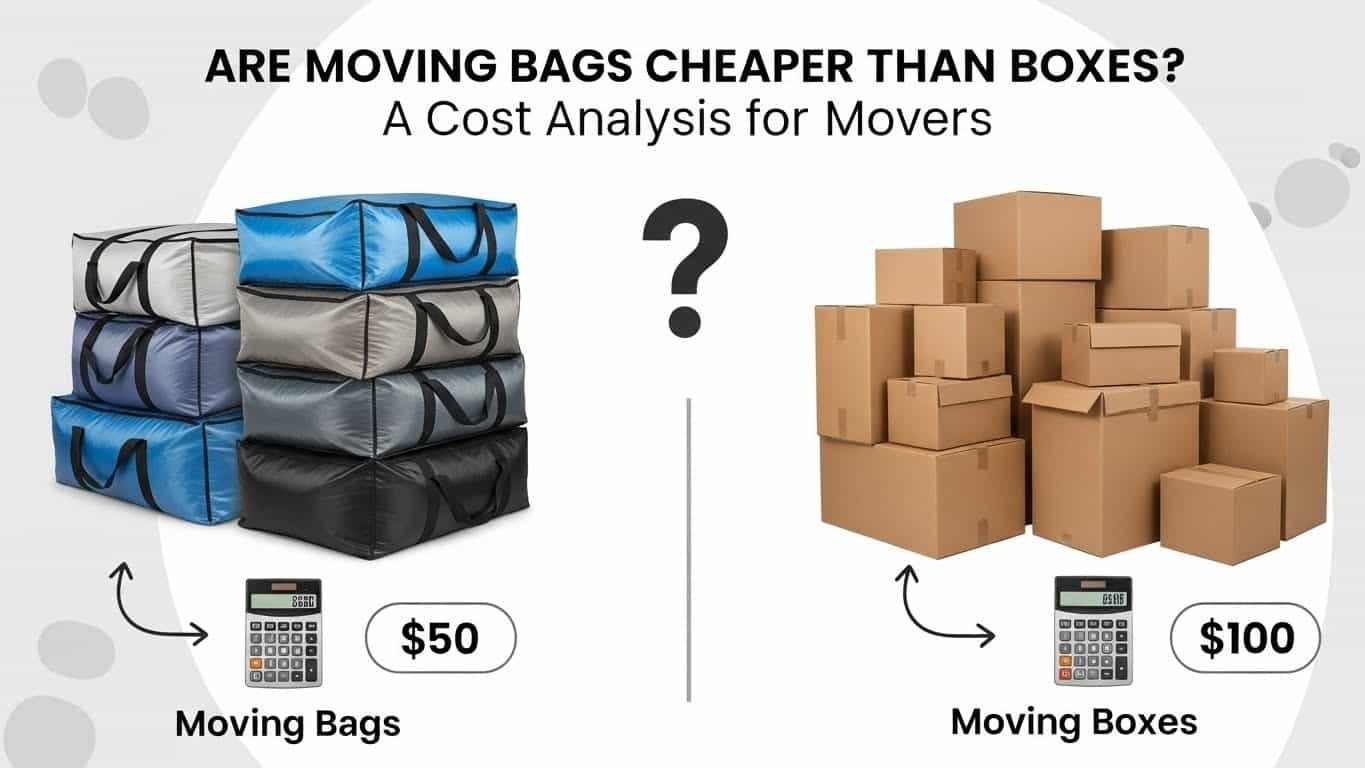
The Numbers: What Standardization Delivered
The program’s results came in three lines. Unit cost: the volume tier and the single-supplier negotiation cut the landed bag cost by roughly 25–35% against the previous per-property pricing — the same bag quality, one spec, one price across all 22 properties. Availability: the quarterly delivery schedule and the forecast-based ordering eliminated the “we ran out of kits” failure that had been a monthly occurrence at the busiest properties — the leasing teams stopped improvising replacement kits from office supplies. Brand consistency: the branded bag became the standardized first touch, and the kit program moved from a cost line to a retention touchpoint the marketing team could measure. The procurement lesson: the 60,000-bag annual volume was the same before and after; only the structure changed — one spec, one supplier, one calendar. The move-in kit business guide covers the program structure for operators building their own version, and the moving bags range lists the construction options the program spec drew from.
The Replicable Playbook
Four steps made the program replicable. Audit the spend: quantify the total volume and the price spread before negotiating (the 30% price spread was the negotiation’s opening evidence). Standardize the spec: one bag model with the non-negotiable lines (handle durability, print quality) written down. Consolidate the volume: one supplier at the annual-volume tier, with the MOQ structured to the forecast. Schedule the calendar: quarterly shipments against the leasing forecast, with the storage plan at the properties. The same playbook applies to any multi-property operator or franchise group buying branded consumables — the bags are the visible example, the discipline is the transferable asset, and the import-side documentation follows the standard U.S. Customs importer guidance. The case studies hub collects the similar programs, and the contact page starts the volume conversation with the audit data on the table.
Часто задаваемые вопросы
Why did the operator standardize its move-in kits?
Decentralized purchasing meant five bag models, prices varying by 30% between properties, and no volume leverage anywhere – roughly 60,000 bags a year bought at retail-adjacent prices.
What was in the standardized spec?
One branded heavy-duty bag (about 45×35 cm) with reinforced handles, woven or canvas construction, volume-tier MOQ, and quarterly delivery against the leasing forecast.
What did standardization deliver?
25-35% lower landed cost, no more kit availability failures, and a consistent branded first touch across all 22 properties.
Is the playbook replicable?
Yes – audit the spend, standardize the spec, consolidate the volume, schedule the calendar; the same four steps apply to any multi-property operator buying branded consumables.
Audit, standardize, consolidate, schedule: the four steps that turned a scattered cost into a negotiated program. Related reading: the move-in kit guide и moving bags range.
The full rate table by material is in our US bag import duty guide.
An insulated delivery bag switch paid for itself over the reuse count; our coffee roaster insulated bag case study walks through the cost and damage math.




0 комментариев