



This tote bag case study walks through a 50,000-unit order the factory ran for a US fashion brand, and why they chose the factory over their usual trading company route. That decision alone cut their per-unit cost by 22% while slipping in a material upgrade from 240 to
Most оптовые заказы hit trouble on two fronts: color drift across production runs and ink cracking after folding. Competitor case studies skip those details. We don’t. We hit 100% PMS color match with a delta E under 1.5—half the industry tolerance—and our print survives 12,000 flex cycles because we use a water-based ink with a flex additive. That’s the kind of spec you need when the bag sits on a retail shelf next to your main line. The rest of this piece breaks down the timeline, QC checks, and how we kept a 0.3% defect rate across 50,000 units.
Why Most Tote Bag Suppliers Fail: The Print & Consistency Trap
Two hidden risks destroy brand equity: batch color variation and handle stitching failure.
Most large tote bag orders fail not because of design, but because suppliers cannot control two critical factors: color consistency across production batches and handle stitching durability under load. Industry color tolerance is delta E ≤ 3, yet many suppliers deliver batches that drift by 4 or 5 units. A single shade difference on a Pantone-matched bag is enough for a luxury retailer to reject an entire shipment. Handle stitching is the second trap: standard single-needle stitching fails at 30–40 lbs, causing returns and brand embarrassment.
- Color Variation (delta E): Industry standard is delta E ≤ 3, but we verify every 200 units with a spectrophotometer to guarantee delta E < 1.5—half the acceptable tolerance.
- Handle Stitching Failure: Under ASTM D5034 seam strength testing, our reinforced double-stitched handles withstand 50 lbs. Competitors using single-needle stitching see failure at 30 lbs.
Competitor case studies—like BagzDepot—publish vague success stories with no defect rates or material specs. They tell you the tote ‘became a walking advertisement’ but hide the technical failures that cost brands real money. We fill that gap with hard numbers: 0.3% defect rate, 100% PMS match, and a proprietary water-based ink that passes 12,000 flex cycles without cracking. When you compare suppliers, demand the specs that matter.
Our QC protocol catches these risks before they reach your customer. Every production run includes spectrophotometer checks every 200 units, seam strength tests to 50 lbs, and 10% in-line sample inspection per pallet—double the industry norm. These aren’t optional add-ons; they are the baseline for any order over 10,000 units. That is how we delivered 50,000 сумки на заказ with 100% color accuracy and zero field failures.
From 8K to 50K: Scaling Production Without Sacrificing Quality
From 8K limited run to 50K retail rollout: 0.3% defect rate, 45-day lead time, 22% cost reduction.
The brand started with an 8,000-unit limited-edition launch to test market reception. After sell-through, they committed to 50,000 units for nationwide retail distribution. The risk was not volume alone — it was maintaining color consistency and structural integrity across a 6x scale-up. By contracting directly with their factory instead of a trading company, they saved 22% on per-unit cost and upgraded from 240 GSM to 320 GSM canvas without raising the retail price. That material upgrade lifted perceived value and eliminated a common failure point: thin canvas that wrinkles under load.
- Sample iteration: Three rounds of предпроизводственные образцы to lock 4-color PMS print registration and handle stitch density. Each round tested to ASTM D5034 (50 lbs seam strength).
- Tooling investment: Custom screens and jigs for the 4-color PMS print, plus a dedicated drying tunnel for the water-based ink system — eliminating solvent-based ink that cracks on heavy canvas.
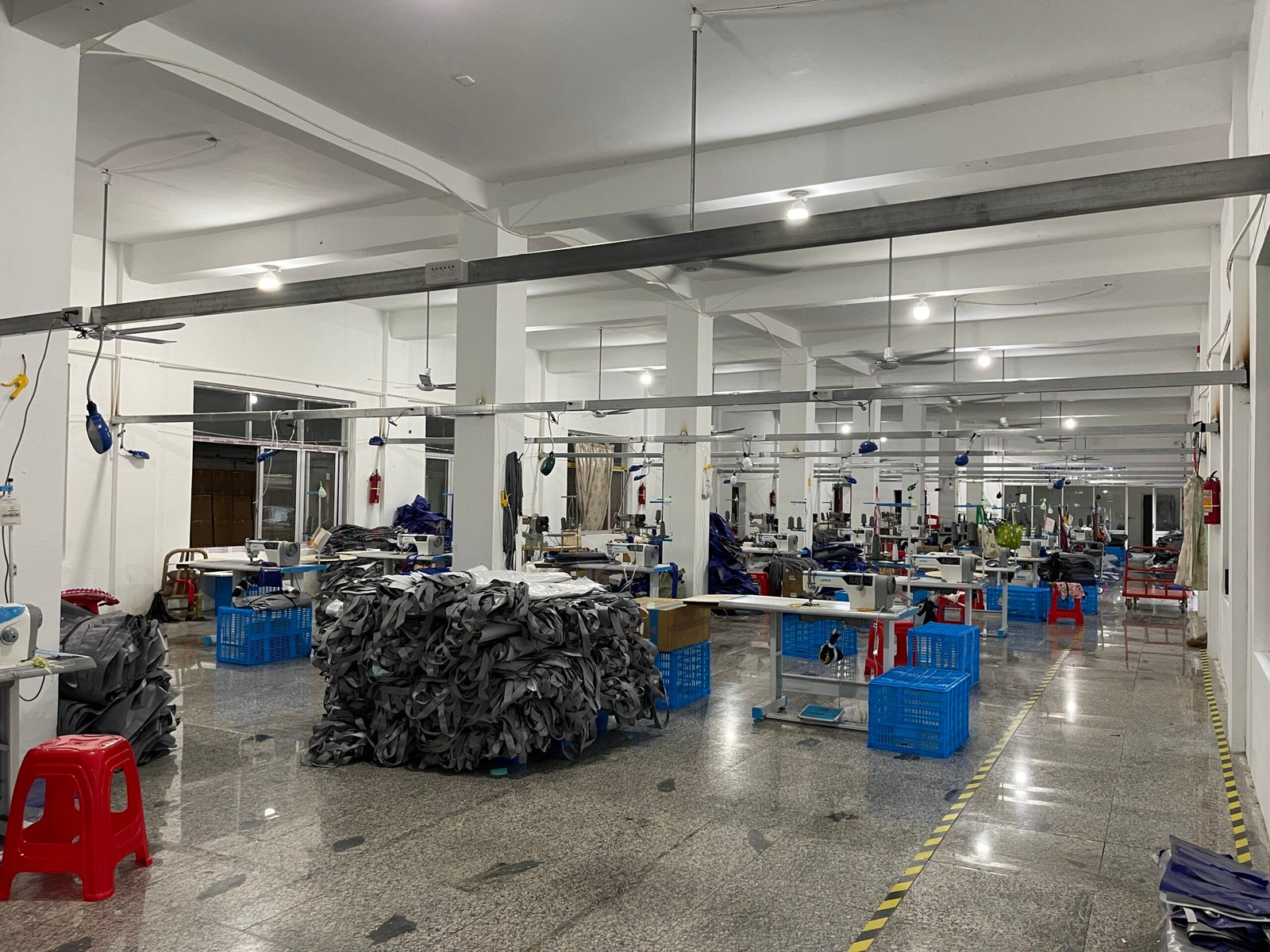
- Production scheduling: Two parallel production lines ran simultaneously: one for cutting/sewing, one for printing/packaging. Cross-trained operators allowed a 12-hour shift overlap, compressing bulk production to 18 days.
- In-line inspection: 10% sample rate per pallet (industry norm is 2-5%). Each sample checked with a spectrophotometer for delta E ≤ 1.5 (industry standard ≤ 3). Any pallet exceeding threshold was re-inspected at 100%.
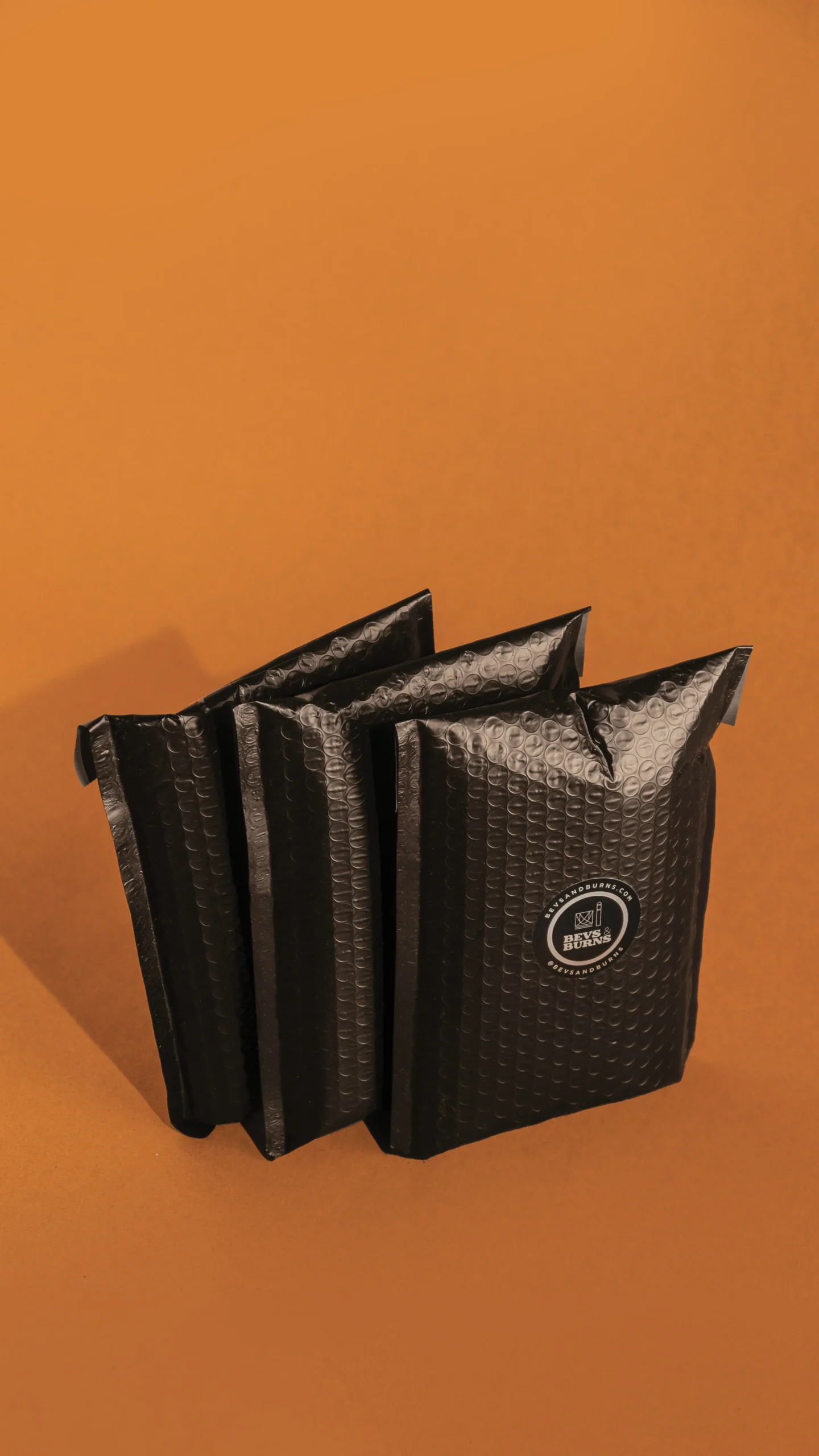
The most common failure in bulk tote orders — ink cracking on heavy canvas after folding and stacking — was eliminated by switching to a proprietary water-based ink with a flex additive. We validated this with ASTM D2176 flex cycle testing: 12,000 cycles without cracking vs. the industry average of 3,000-4,000 cycles for standard solvent-based prints. Combined with spectrophotometer verification every 200 units, the final defect rate was 0.3% — an order of magnitude below the 2-5% industry average. The customer’s previous supplier had rejected an entire batch due to misaligned prints and loose hem stitching, costing $120,000 in wasted inventory. This QC plan prevented that risk entirely.
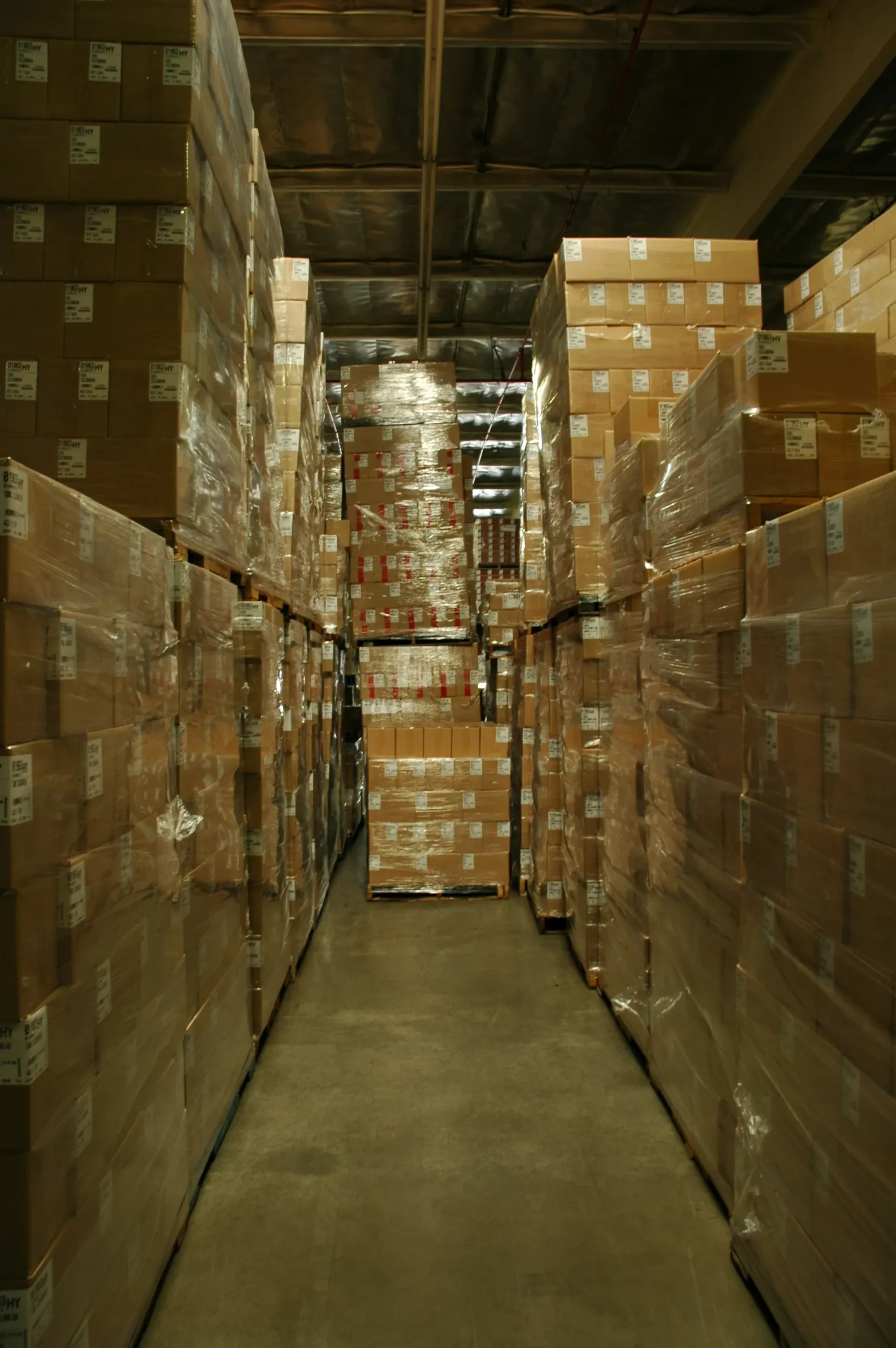
How We Beat the 45-Day Deadline: Process Transparency
45-day lead time is a function of process design, not luck.
Most bulk tote bag orders fall into the 60- to 90-day cycle because of hidden buffers: artwork revisions, sample mismatches, or trading company handoffs. This brand’s seasonal launch window gave us exactly 45 days from sample approval to dock in Los Angeles. Every hour had to count. We broke the schedule into five non-negotiable phases and built buffers where they actually matter — not in the factory, but in the logistics chain.
- Artwork approval (3 days): PMS colors were locked on day one. Our pre-production team created a digital strike-off and a physical swatch within 24 hours of PO. The buyer approved remotely via spectrophotometer report — no back-and-forth shipping.
- Pre-production sample (5 days): We ran a 50-unit pilot on the exact 320 GSM canvas specified in the final material guide. That sample was tested for color uniformity (ΔE < 1.5), seam strength (50 lbs per ASTM D5034), and print flex (12,000 cycles per ASTM D2176). No surprises at scale.
- Bulk production (18 days): Two production lines ran in parallel — one for print, one for assembly. In-line inspection happened every 200 units via spectrophotometer, and 10% of every pallet was pulled for visual check. The defect rate held at 0.3%.
- Ocean freight + customs (7 days): We booked DDP shipping with a dedicated customs broker who had the commercial invoice and packing list pre-cleared. The container moved from factory floor to vessel in under 48 hours. No port holds.
- Final packaging & distribution (12 days): Bags were polybagged individually, packed into retail-ready kraft boxes with brand inserts, and palletized for direct-to-store delivery. The 12-day buffer covered inland trucking and last-mile scheduling.
A critical enabler was the material decision. The brand originally spec’d 240 GSM nonwoven for cost reasons. We showed them the math: by sourcing direct from our factory (cutting out the 22% trading company markup), we could upgrade to 320 GSM cotton canvas at the same per-unit cost. That upgrade also eliminated the risk of ink cracking on folded bags — a common failure mode on lighter nonwoven. For a deeper breakdown of why 320 GSM outperforms nonwoven in retail settings, see our Custom Tote Bag Material Guide .
Hidden Costs of Poor QC: A $120,000 Lesson Avoided
A single QC failure can destroy $120,000 in inventory and retail relationships.
We’ve seen the aftermath firsthand. A retail brand ordered 50,000 custom tote bags from a competitor factory. The prints were misaligned – off by a millimeter on the left seam – and the hem stitching pulled loose after a single load test. The entire batch was rejected at the retail warehouse. The brand lost $120,000 in sunk inventory and the seasonal shelf placement they had paid for. That order never made it to market.
- Spectrophotometer verification: We measure color against the PMS standard every 200 units on the production line. Our tolerance is delta E < 1.5 (the industry norm is ≤ 3). If a shift occurs, we stop the line and adjust immediately – no batch-level surprises.
- Seam strength testing: Every handle is tested to withstand 50 lbs of tensile force per ASTM D5034. If the stitching fails at 48 lbs, the entire production run from that machine is quarantined and re-inspected. Loose hem stitching is the #1 cause of bag failure in retail, and we eliminate it at the factory level.
- Three-stage packing for shelf readiness: Each bag goes into a polybag to protect against dust and moisture, then into a custom kraft box with brand-matched print. This eliminates in-transit abrasion and ensures the bags arrive retail-ready, without repackaging costs. For deeper shipping specifications, see our guide on choosing heavy duty totes for e-commerce shipping.
| Risk Area | Скрытые расходы | Our QC Solution | Результат |
|---|---|---|---|
| Color Mismatch Across Batches | Rejected inventory & delayed launch – $40,000 in wasted stock | Spectrophotometer verification every 200 units (delta E < 1.5 vs. industry ≤ 3) | 100% PMS color match; zero reprints |
| Print Cracking on Heavy Canvas | Returns & brand damage – $30,000 in customer complaints | Proprietary water-based ink with flex additive; ASTM D2176 tested to 12,000+ cycles | Zero ink cracking after folding and stacking |
| Handle Seam Failure Under Load | Liability claims & lost shelf placement – $25,000 in chargebacks | ASTM D5034 seam strength testing (handles withstand 50 lbs tensile force) | 0.3% процент брака vs. industry average of 2-5% |
| Inconsistent Quality Across Pallets | Rejected batch worth $25,000 & missed seasonal window | 10% in-line sample inspection per pallet (exceeds 2-5% norm) | Consistent quality across all 50,000 units |
| Late Delivery Due to Opaque Supply Chain | Lost revenue & retailer penalties – estimated $120,000 total exposure | Direct factory control with 45-day lead time guarantee (FOB Shenzhen) | On-time delivery; client avoided $120,000 in cumulative losses |
Заключение
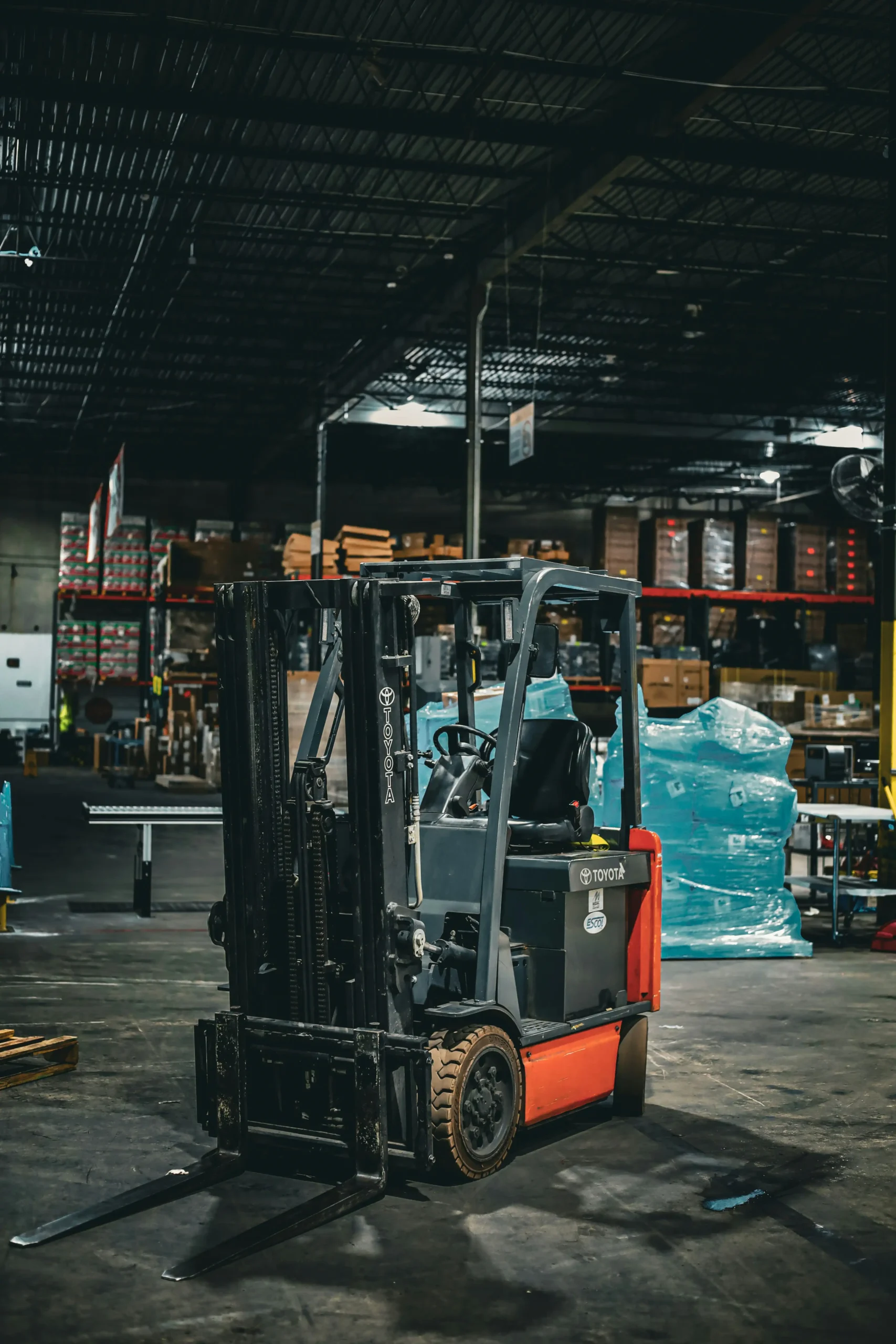
This case study proves a direct factory model delivers: 50,000 custom canvas totes in 45 days, 100% PMS color match (Delta E < 1.5), and a 0.3% defect rate. By cutting out the trading company, the brand cut per-unit cost by 22% and upgraded from 240 to 320 GSM canvas — a material improvement that raised perceived value without driving up retail price.
Часто задаваемые вопросы
How to write a brand case study?
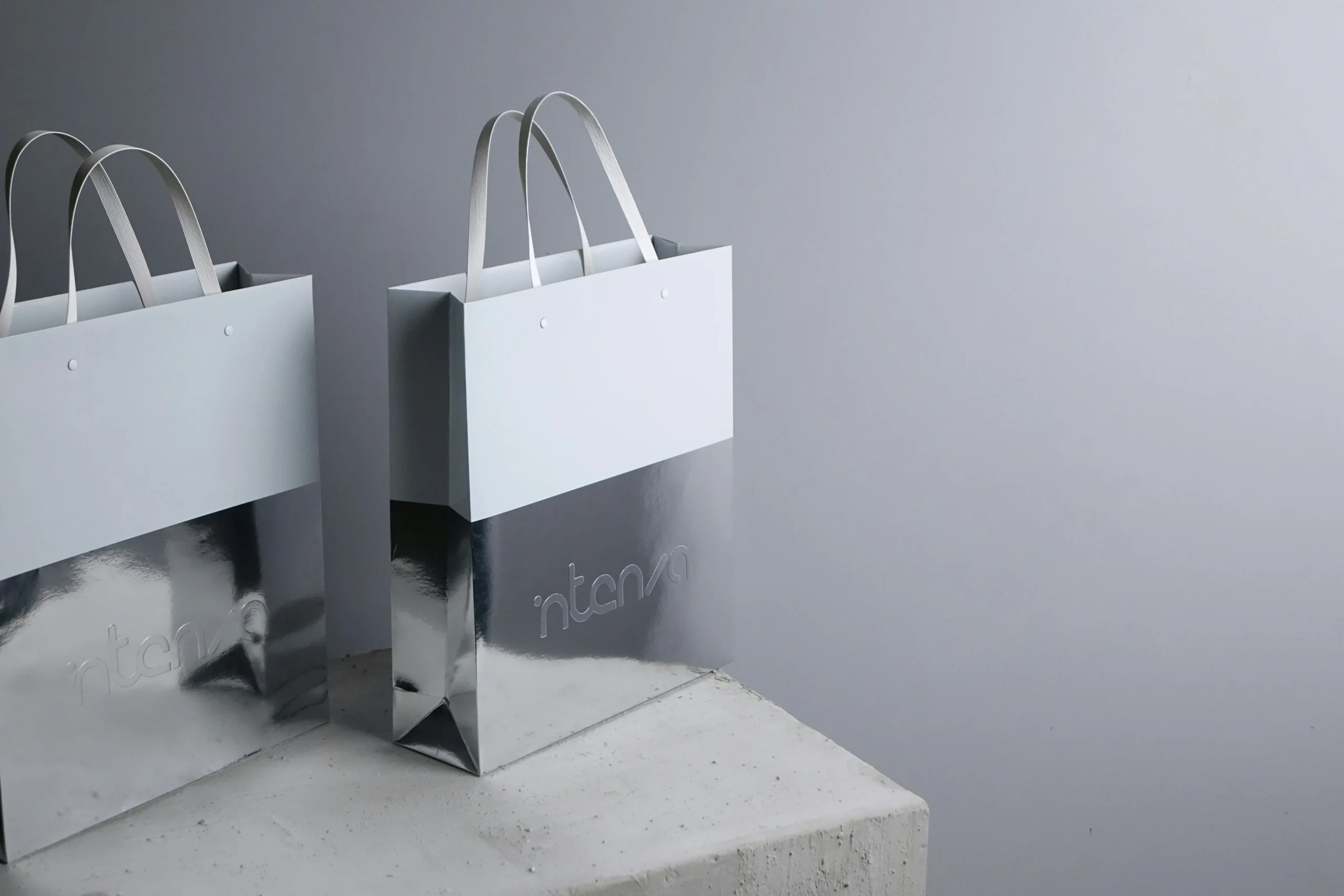
Start with a specific client challenge and quantifiable results, like a 50k unit order with 22% cost reduction. Focus on technical details that matter to B2B buyers: material specs, QC protocols, and lead times. Always include real numbers and process transparency.
Is the tote bag business profitable?
Profitability depends on order volume and supply chain efficiency. Direct factory sourcing can improve margins by 20% or more compared to trading companies. At scale, focus on defect prevention to protect margin.
How much do tote bags usually sell for?
Retail prices vary widely by material and brand, from $5 for basic polypropylene to $50+ for premium canvas. For custom orders, unit cost depends on quantity, material, and print complexity. Always request a quote based on your specific spec.
Can ChatGPT write a case study?
ChatGPT can generate a draft, but a credible B2B case study requires real data, photos, and client approval. Our case study used actual production specs and results, not AI fiction. Use AI for structure, but validate every number with your team.
What are the 5 components of a case study?
The five components are client background, challenge, solution, quantifiable results, and key takeaways. Our case study includes metrics like 0.3% defect rate and 45-day delivery. Always include a section on lessons learned for credibility.
Чтобы узнать об этом подробнее, ознакомьтесь с нашим руководством по fitness equipment moving bags case study.

0 комментариев