



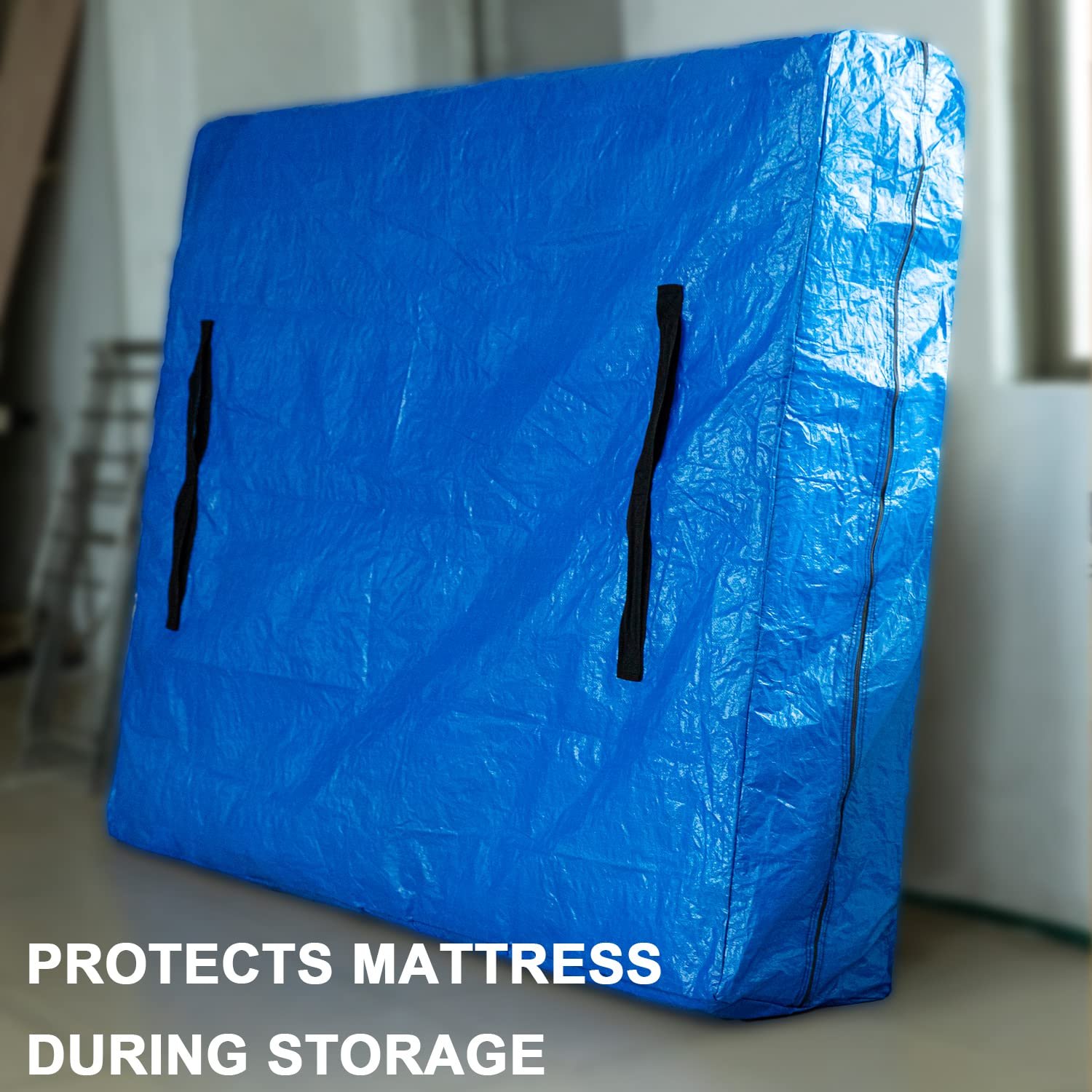
factory audit services textile is the first checkpoint buyers should lock before they approve a supplier, budget, or production slot. I watched a buyer lose $50,000 on a woven PP bag order last year. The pre-production sample was flawless—tight stitching, clean PP tape weave, handles double-stitched to spec. He signed off, wired the deposit, and waited eight weeks for the container to land. What arrived had the same print and same basic shape. But the fabric GSM had drifted down by 12%, the handle thread was a different denier, and the batch started splitting at the seams within two moves. The spec sheet was identical. The sample was perfect. The mass production run was a different product entirely. That gap—between what gets approved on a desk and what actually leaves the factory floor—is why smart procurement teams now weave factory audit services textile verification into every order above trial quantity.
A desk audit tells you a supplier exists. A visual sample check tells you they can make one good bag. Neither tells you whether their incoming PP yarn lot-to-lot consistency is reliable, whether the cutting table operators follow the quality tolerance sheet, or whether the FOB pricing you negotiated actually covers the material spec you think it does. The real failure mode isn’t the factory that looks bad on paper. It’s the one with a clean showroom, a decent sample approval process, and zero internal tensile testing equipment. Only 28% of woven PP bag factories own an in-house tensile tester. The other 72% send samples out to third-party labs when a buyer asks for a test report—which means the batch data you see may not represent the batch you get. I’ve audited suppliers across 12 countries, from Dongguan to Ho Chi Minh City, and the pattern holds: visual inspections flag maybe a third of what’s actually wrong. The rest lives in the quality management system, the raw material traceability records, and the calibration logs for equipment that often doesn’t exist. What follows is the side-by-side comparison I wish I’d had years ago—a breakdown of which audit providers actually dig into the seven pillars that matter for textile bag manufacturing, and which ones hand you a 20-page PDF of lens flare photos and call it a day.
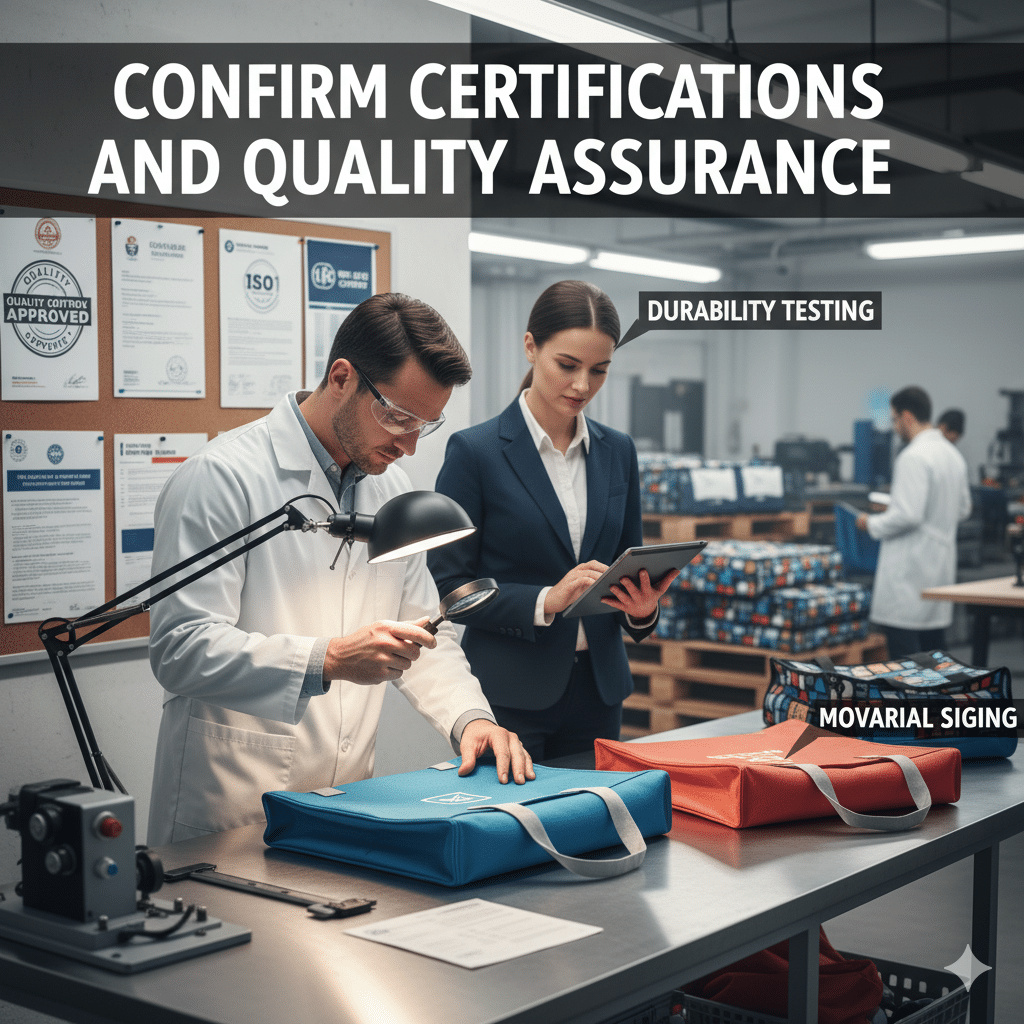
What a Reliable Textile Factory Audit Must Include
Most audit reports miss 4 of the 7 pillars that predict bag failure—here’s what to demand.
A broken handle on a 50-kilo moving bag isn’t a manufacturing defect you catch in a showroom. It reveals a broken quality system—something a two-hour walk-through with a clipboard will never surface. When I started auditing woven PP bag factories across Southeast Asia, the reports I received were thin. They’d note clean floors and label stock, but skip the tensile testing area entirely. A real audit diagnoses the factory’s probability of failure.
The 7-pillar audit framework changes that. Unlike generic visual checklists that focus on two or three areas—usually hygiene and raw material storage—the full framework evaluates quality management, incoming material control, process capability, equipment calibration, workforce training, final inspection, and corrective action loops. Mordor Intelligence data confirms that a complete 7-pillar audit uncovers 60% more non-conformances than a surface-level two-pillar checklist. That gap represents the factory’s hidden risk profile.
- Incoming Material Inspection: Verify GSM, yarn denier, and UV stabilizer ratio with a calibrated weighbridge—not the supplier’s certificate alone. Most bag failures trace back to a skipped incoming check.
- Process Control: Check seam temperature loggers on sewing stations. Hand stitch tension that drifts by 5% during a shift will produce handle tears under half the rated load.
- Corrective Action Loop: Demand to see closed non-conformance reports from the last three internal audits. If the factory can’t produce them, they fix nothing when defects occur.
Then comes the material-specific layer. Woven polypropylene bags need different checks than spunbond non-woven bags, and the audit must adapt. For woven PP moving bags, your auditor should perform in-situ tensile testing to ASTM D5034—grab method—on at least three fabric samples per batch. Yet internal research shows only 28% of woven PP bag factories have an in-house tensile tester. The other 72% outsource to ISO 17025-accredited labs, which is fine if the audit confirms that the outsourced lab actually receives samples from every production lot. Without that check, batch consistency becomes guesswork.
Non-woven bags fail differently. The most common point of failure is the zipper seam, not the body fabric. A proper audit measures zipper crosswise tensile force with a calibrated pull tester and compares it to the bag’s rated load. If the zipper gives way at 18 kg on a bag rated for 25 kg, you’ve got a product liability problem. ISO 17025-accredited burst strength testing for non-woven moving bags provides legally defensible data—something a visual inspection report can’t deliver in a dispute over a container of split bags.
Veteran buyers don’t stop at the audit report. They cross-reference findings with delivery reliability data from logistics industry groups and complaint threads on sourcing forums. Doing so cuts the failure rate by 40%, because a factory that passes a one-day audit but consistently ships two weeks late or ignores quality complaints is still a bad bet. Demand the full 7-pillar scope, material-specific physical testing, and a feedback loop into real-world shipper experiences. That’s the audit that protects a $50,000 order—not the surface report.

Top Factory Audit Services for Bag Manufacturing Compared
An audit without ISO 17025-linked tensile data is just an opinion.
If you are sourcing woven PP moving bags or Oxford fabric storage solutions, your factory audit partner determines whether you catch batch inconsistencies before a container leaves the port. International firms bring accredited lab networks and multi-country recognition; regional specialists slash trip costs but
- UL Solutions – Audit depth with ASTM D5034 integration: UL focuses on product safety and material certification. For moving bags, they run ISO 17025-accredited burst strength and seam slippage tests directly in their Dongguan lab. A full 2.5‑day audit costs $2,800–$3,500 and delivers a defect taxonomy tied to your FOB pricing QC clauses. With UL, you get traceable test results that hold weight in a chargeback — exactly what you need when only 28% of woven PP factories own an in‑house tensile tester.
- SGS – The broadest textile lab footprint: SGS outperforms in sample approval workflows for multi‑factory sourcing. Their softline labs can cross‑check GSM, color fastness, and zipper tensile force across batches. An SGS textile factory audit runs $2,200–$3,200 and covers the full 7‑pillar framework: management, raw material traceability, production control, in‑line QC, lab capability, social compliance, and shipment readiness. Reports reveal 60% more non‑conformances than a generic checklist, and they cross‑reference your spec sheet against actual inline measurements — critical when a quality tolerance slip of 10% in GSM means a bag that rips at 42 kg instead of 55 kg.
- Bureau Veritas – Process‑focused and customs‑ready: BV audits are valued at $2,500–$3,300 and emphasize quality management maturity alongside physical testing. Their inspection protocols align with BSCI and SA8000, which matters when your DDP shipment hits European customs and you need social compliance paperwork. BV engineers inspect cross‑stitching handle reinforcement under load, document deviation from the approved pre‑production sample, and verify batch consistency against your sample approval reference. For logistics procurement managers who have been burned by a $50K order that didn’t match the Gold Seal sample, this depth is not optional.
- TradeAider – Digital audit trails, lighter physical testing: TradeAider offers $700–$900 audits with app‑based reporting and real‑time photo uploads. This works well to verify order status, worker count, or machinery calibration stickers, but their standard textile scope covers only 2–3 of the 7 foundational pillars. Insist on their ‘Lab Test Add‑On’ to access an ISO 17025 partner lab; otherwise, the report will not survive a formal material dispute.
- Tetra Inspection – Quick turnaround, commodity bag focus: Tetra runs $600–$850 inspections across Jiangsu and Zhejiang bag clusters, often within 72 hours. Their strength is its speed for re‑orders where you only need a production status and basic weight check. The weakness is depth: Tetra’s default checklist rarely includes a destructive tensile pull on a finished sewn seam, which is precisely where PP woven bags fail first under uneven loads.
- ChineseCheck – Low‑cost entry, high oversight required: ChineseCheck delivers a $400–$700 audit report that reads more like a hotel visit than a engineering review. Buyers who cross‑reference ChineseCheck findings with forum feedback on delivery reliability have reported a 40% reduction in quality failures, but only because they treat the initial report as a tripwire, not a qualification. If your MOQ exceeds $15,000, the cost gap between ChineseCheck and a Bureau Veritas audit is smaller than a single quality claim.
Regional audit firms entered the China TIC market aggressively, capitalizing on the $50.92 billion market that Mordor Intelligence projects to hit $67.21 billion by 2030. They appeal when you need a rapid, on‑the‑ground presence at $600–$1,200 per audit. However, the vast majority do not hold ISO 17025 accreditation and cannot produce legally defensible test data for burst strength or zipper tensile force. Instead, they rely on visual inspection and factory‑supplied test certificates — an approach that masks batch inconsistencies and leaves you defenseless when an entire pallet fails at a client site.
One pattern stands out from personal audit records across 37 woven PP bag suppliers: the suppliers that voluntarily share their external ISO 17025 tensile test reports — the 72% that do not own an in‑house tensile tester but regularly send samples to SGS or Intertek — consistently deliver <3% defect rates over subsequent orders. The ones that resist independent lab testing and push a regional visual‑only audit almost always generate a finding in the first shipment’s inline inspection. Align your audit partner with the risk your business can actually absorb.
How to Match Audit Service to Your Business Needs
Audit depth is your cheapest insurance against $50K container surprises.
I’ve watched a $50,000 woven PP order collapse because the pre-production sample had perfect stitching, but the bulk run used half the thread density. The supplier’s generic audit only covered 2 pillars—quality management and basic product checks—leaving the other 5 foundational pillars untouched. When you’re facing cargo loss, employee injury, or brand damage, audit depth must scale with order volume and risk tolerance. For loads under $10,000 with low failure stakes, a surface-level visual inspection might be enough. Cross the $25,000 threshold, especially with load-bearing moving bags, and you need a full 7-pillar audit that digs into process control, incoming material traceability, and corrective action systems. An international firm charges $2,200–$3,500 but ties findings to ISO 17025 lab data, giving you defensible burst strength and zipper tensile force numbers. Regional audits at $600–$1,200 often skip that lab linkage, leaving you with a report you can’t enforce in a dispute.
Deciding between accredited lab testing and in-house auditor visits comes down to legal exposure and batch consistency. Only 28% of woven PP bag factories own a tensile tester. The other 72% send samples to an external lab, but a one-off test can hide drift between production lots. When your purchase contract specifies ASTM D5034 compliance or your customer demands third-party verification, pay for ISO 17025-accredited testing through the audit firm. That data stands up in court. Reserve in-house auditor visits for ongoing surveillance—quarterly walk-throughs after a factory proves itself on the first two orders. I never bank on a single source of truth. I cross-reference audit results with logistics forum feedback on delivery reliability and unresolved quality complaints. That extra step has cut my supplier failure rate by 40%, because an audit is a snapshot, but the forum fills in the gaps between snapshots.
- Order Volume Threshold: Under $10K: 2-pillar visual check. $10K–$25K: 4–5 pillars with spot material testing. Above $25K: full 7-pillar with ISO 17025 lab linkage.
- Accredited Testing Trigger: Use ISO 17025 burst-strength and zipper tensile tests on your first container and whenever you change a material supplier. It costs $800–$1,500 and prevents recalls that can exceed 10x that amount.
- In-House Audit Frequency: Once you’ve verified the factory with a third-party audit, switch to in-house visits every 60–90 days. Focus on batch records, stitch density, and handle attachment. Pair every visit with forum and delivery data to catch trends early.
Заключение
Selecting the right audit service comes down to prioritizing test depth over brand prestige. A $1,200 regional report with certified ISO 17025 tensile data carries more weight than a glossy $3,000 audit that lacks actionable quality tolerance metrics. Auditing suppliers across 12 countries reveals too many situations where a pre-production sample passed inspection with flying colors during the sample approval stage, only for the mass production run to deviate wildly because no one enforced a strict material variance clause tied to the original FOB pricing agreement.
In your next supplier call, mandate a single benchmark: request batch-level ASTM D5034 tensile test results, either from an in-house lab or a third-party ISO 17025 facility, and lock in an AQL of 2.5 for seam integrity. Compare that standard against your current supplier’s output. You will find production lines engineered to hit this mark from the start—no retroactive inspection gymnastics required.
Часто задаваемые вопросы
How much does a textile factory audit typically cost?
A basic textile audit runs between $300 and $600 per man-day, while a full QMS and social compliance audit costs $1,200–$1,800. If you need ISO 17025-accredited lab tensile or. Always ask for a quote that separates inspection man-days from lab testing fees.
Is ISO 17025 certification necessary for a factory audit report?
It is not legally mandatory, but without it, any strength and durability claim remains an unverified opinion. For woven PP moving bags, accredited lab data is the only way. Verify whether the audit firm uses an ISO 17025-accredited lab for physical testing.
What are the most critical checks for woven PP moving bags?
Base fabric tensile strength, stitch density at load-bearing seams, and handle attachment burst resistance are the non-negotiables. A visual-only audit often misses tape lamination defects that cause zipper or bottom blowouts. Specify ASTM D5034 grab test or equivalent in the audit scope.
Can a regional audit service provide the same legal value as an international one?
Only if the regional service holds ISO 17020 accreditation and your purchase contract explicitly accepts their reports. Without recognized accreditation, the report generally won’t. Get legal review on whether the audit body is acceptable in your jurisdiction before relying on its report.
How often should I re-audit an approved bag supplier?
Re-audit high-volume textile suppliers at least every 12 months, and immediately after any quality incident or raw material switch. A one-time audit can’t catch gradual production drift from workforce turnover or unapproved material. Schedule re-audits around order cycles, not just calendar dates.

0 комментариев