



Event tote bag lead times don’t start when you place the order. They start when artwork gets signed off — and most promotional resellers burn two weeks just shuffling proofs between you and a factory they don’t control. That’s why the 4-to-6-week window everyone quotes collapses the moment you need a second revision round. For a conference with 500 attendees, that timeline gap turns into a specific calculation: bags arriving Tuesday when the event starts Monday. The 30-plus-day waits baked into reseller pricing aren’t production time. They’re communication lag.
Factory-direct sourcing strips out that middleman delay. A 10-day production window after artwork approval is standard when the production manager receives your file directly — not through a forwarding chain. The 72-hour pre-production sample photo is the safety net most buyers never request. You get an image of the first bag off the line before the full batch runs. Catch a misaligned logo at that stage, and you lose three days instead of the entire order. Three checkpoints determine whether your bags arrive on time and print-correct: the pre-production lock-in, the material-spec calls to make before sampling, and the emergency protocols for when a deadline breaks.
Standard vs. Rush Lead Times for Event Tote Bags
Factory-direct scheduling can collapse door-to-door delivery to 18 days, while reseller routes routinely stretch past 35.
A standard production window for PMS-matched, 220–280 gsm custom tote bags runs 10 to 14 business days after proof approval. Before that clock starts, expect 2 to 5 days consumed by artwork review, color proofing, and the mandatory pre-production sample photo — a checkpoint that must land in your inbox within 72 hours of artwork submission. Misaligned prints caught at this stage spare you a room full of branded swag that screams amateur hour. Courier delivery via FedEx or DHL adds 3 to 5 business days for orders up to 500 units, while ocean freight drags the timeline to 20–30 days. Reverse-scheduling from your event date: 14 days production + 5 days courier + 5 days approval buffer equals a hard minimum of 24 days from locked artwork to unboxing. Rush production carves that to 5–7 days when paired with air freight, but the 72-hour sample photo protocol does not compress — skip it and you own the consequences.
- Artwork revision loops: Each round of logo tweaks or color adjustments eats 24 to 48 hours. Low-res JPEGs and missing Pantone codes are the top culprits. Submit vector artwork with specified PMS values on first contact, or accept that your production start date will slide.
- MOQ gaps: Promotional middlemen often enforce a 1,000-unit floor. When you need 300 to 500 bags for a breakout session, that gap triggers a 15–20% surcharge or an outright refusal. Factory-direct models with a 200+ MOQ and transparent small-batch pricing remove the bottleneck — lock in the surcharge math before artwork work begins.
- Holiday shutdowns: Chinese New Year adds 10 to 15 days of factory silence and a multi-week backlog afterward. Golden Week in October and the Q4 retail peak create similar pile-ups. If your order window touches any of these, pad your timeline with at least 14 extra days — air freight alone cannot fix a production queue that has gone dark.
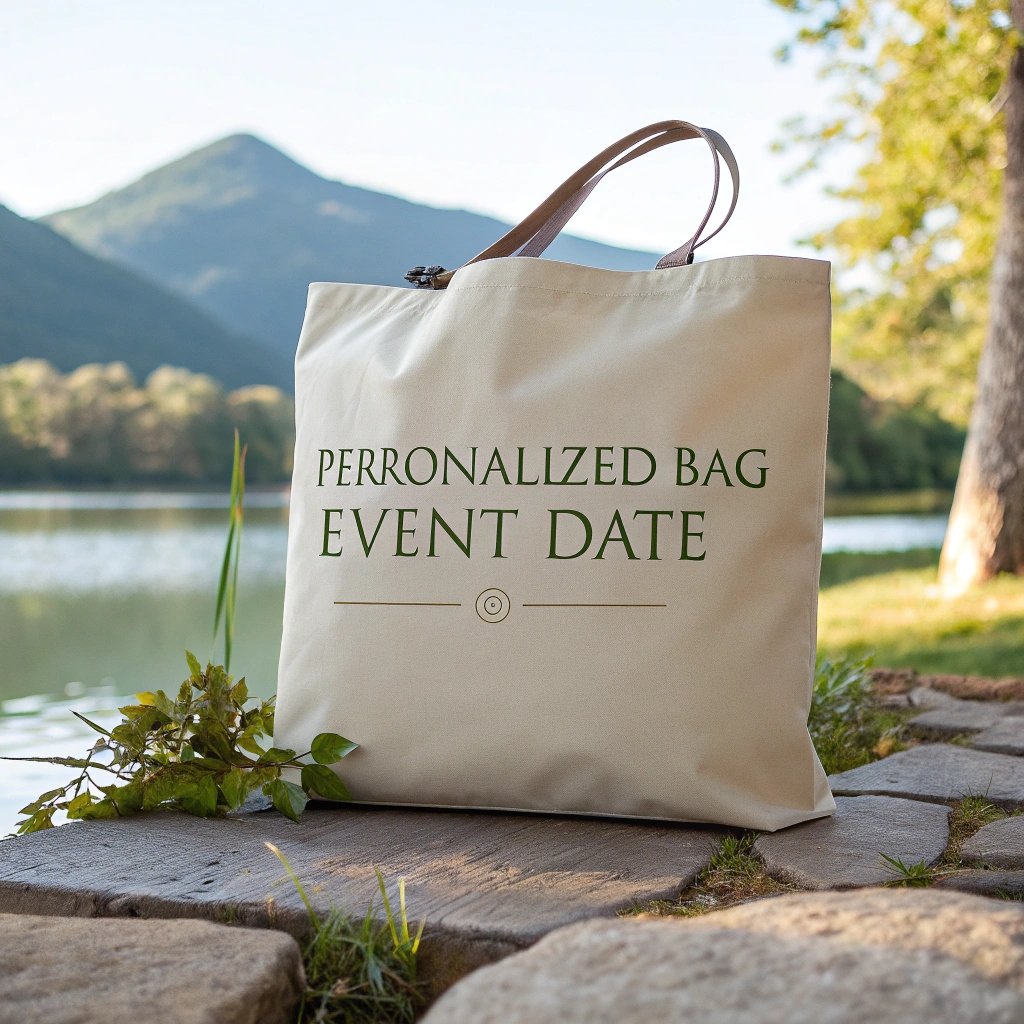
Pre-Production Quality Checklist: Get the First Sample Right
Misprints caught in 72 hours are free; misprints caught on the loading dock cost you the event.
Material selection is where most event planners default to “whatever the supplier recommends” and lose control over both budget and brand feel. Lock three variables before the first sample gets cut: fabric weight, print color system, and any sustainability documentation your event marketing team plans to claim publicly.
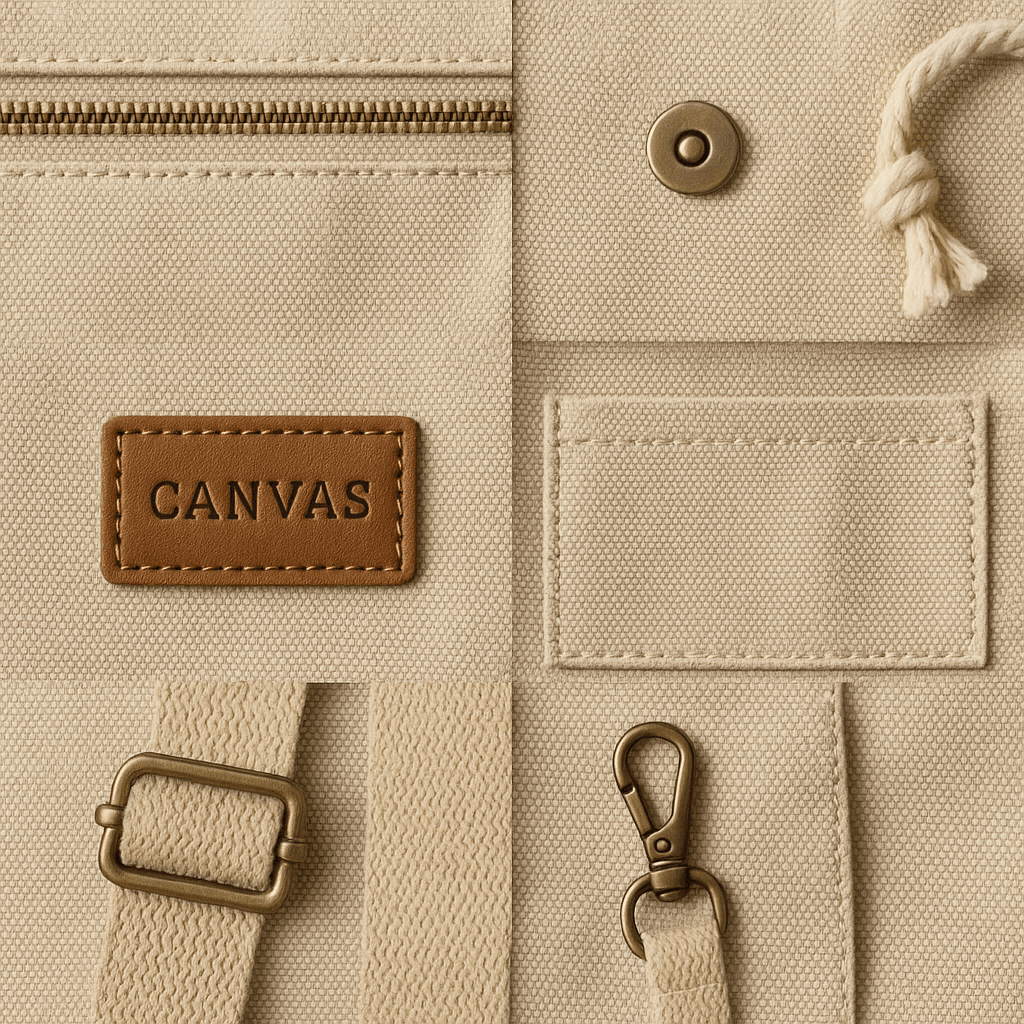
- GSM Lock-In: Specify 220 gsm for a mid-weight bag that folds flat but still holds 5-8 kg without handle strain. Move to 280 gsm heavyweight canvas when the bag is part of a premium gift set or needs to survive multi-day conference use. Sub-180 gsm bags feel like disposable plastic in the hand — attendees register that before they read your logo.
- PMS Color Matching: Do not approve artwork using CMYK values and assume it translates to fabric. Demand a PMS callout per print color and a physical swatch or approved digital proof with a delta-E target under 3.0. On cotton canvas, reds shift orange and dark blues drift purple without a dedicated color-matching pass — this is not a printer problem, it is a substrate physics problem.
- Eco Certs Before Sampling: If your event claims sustainability, request GRS or Oeko-Tex certification documents before the first sample is produced. A supplier who cannot produce the cert chain within 48 hours likely does not control their material sourcing. Tacking a recycled-content claim onto finished bags without verification creates exposure for greenwashing accusations at publicly documented conferences.
- 72-Hour Sample Photo Protocol: Require a high-resolution photo of the actual printed bag — not a digital mockup, not a stock reference — within three business days of locking artwork. Check print placement relative to seam lines, handle attachment points, and gusset edges. A logo sitting 2 cm too low on a tote bag reads as amateur at any sponsorship tier.
- Alignment vs. Fabric Distortion: Fabric stretches during screen printing. What looks centered on a flat digital proof can shift when printed on woven canvas under tension. The sample photo must show the bag lying flat with a ruler or reference grid in frame. If the supplier refuses this request, treat it as a red flag — their registration is inconsistent and they know it.
- Color Under Production Lighting: Request the sample photo under daylight-balanced light at 5000K with a Pantone swatch held against the print. Warehouse fluorescent lighting shifts perceived color, and what looks matched on the factory floor may read as off-brand under conference hall LEDs. This single photo can prevent a reprint that consumes your entire remaining timeline.
The factory floor moves fast once production starts. If you are still debating material spec during the sampling phase, you have already burned 3-5 buffer days you likely cannot spare. Lock GSM, PMS codes, and cert requirements in the purchase order, then use the sample purely to validate execution.
Proofing is where most event bag orders fail — not in production, not in shipping. The core problem: a promotional reseller routes your artwork through a middleman to a third-party factory. Each handoff introduces lag and interpretation error. The fix is direct proofing with a factory that commits to a pre-production sample photo within 72 hours of artwork sign-off.
Once the sample photo is approved, freeze the artwork completely. Late-stage design tweaks — even a font-size adjustment — reset the production clock back to zero. A “quick change” after proof lock adds 2-4 days minimum and can push your shipment past the event date. The sample approval email is the point of no return; treat it that way.
Post-Production Inspection and Emergency Protocols
Statistical sampling, not box-counting, catches the defects that damage your brand at the event.
The worst time to discover a production flaw is when your booth staff are handing bags to attendees. On-arrival QC is not about opening every carton—that path leads to chaos and wasted hours. It’s about structured, rapid sampling that triggers immediate action if failure thresholds are crossed. The industry-accepted method for event-ready bag inspection is a random 5% pull across all cartons received, not just the top layer of the first box you open.
- Step 1 – Carton Integrity Scan: Before opening, photograph any crushed, wet, or punctured cartons and isolate them. Moisture ingress through compromised packaging turns 280 gsm canvas into musty, unsellable inventory within 48 hours. If more than 1 carton in 10 shows crush damage, trigger a full pallet inspection.
- Step 2 – The 5% Random Pull: Pull bags from the middle layer of randomly selected cartons—not just the top. Inspect for the three show-stopping defects: misaligned prints exceeding 2mm shift from the registered proof, PMS color drift visible to the naked eye under daylight (5000K), and incomplete stitching on handles. Internal defect allowance is capped at 2%. Exceed that threshold and you activate the rework protocol, not a complaint email.
- Step 3 – Load-Bearing Seam Check: Event bags fail when handles detach under moderate load—a brochure, water bottle, and a few giveaways. Select 5 bags from your sample and load each with 5 kg. Lift and jerk three times. Stitching that puckers, pops, or stretches more than 1.5mm at the stress point is a structural reject, not a cosmetic one. One failure in 5 is a batch rejection trigger.
- Split-Ship Trigger Point: When inspection reveals 30% of stock is conference-ready and 70% requires rework, do not sit on the ready inventory. Ship the usable portion immediately. The supplier reworks the remainder within 72 hours and air freights it separately. Pre-negotiate this workflow so you’re not arguing about cost-sharing during a live emergency.
- Rework Validation: Replacements produced in a 72-hour rush window still require a mandatory pre-shipment photo before dispatch. Same standard applies—72-hour sample photo with measurement reference. No exceptions. A rushed reprint that arrives wrong again is worse than no bags at all.
Do not confuse visual checking with a QC pass. The most embarrassing defect at a conference is a logo printed crooked by 3 degrees—attendees notice it subconsciously and it erodes brand trust. Use a transparent overlay printed with your approved proof, aligned to the bag’s edge. Misregistration beyond 2mm from the proof—not from your memory—is a fail. Argue it before the event, not after.
When the random 5% pull triggers a 2%+ процент брака, do not waste 48 hours debating remediation with a supplier who needs time to investigate. Activate the rush rework clause immediately. Factory-direct production lines that ran your original order can turn around up to 300 replacement bags in 72 hours when the defect evidence is unambiguous—photos with measurement scales, time-stamped, sent within 4 hours of delivery receipt. Air freight those replacements via FedEx or DHL for 3-5 day delivery, while your original inventory sits quarantined.
Split-ship tactics become your operational lifeline when the full order won’t make the event cut-off. If 40% of your stock is defect-free and usable, get those bags moving toward the venue first. Demand the supplier split the remaining 60% into a secondary air freight shipment that arrives by day 2 of the conference if feasible. The most seasoned event managers pre-negotiate this split-ship capability before signing the purchase order—confirming the supplier’s willingness to use a separate airway bill for partial inventory without charging you a second full shipping fee. The difference is not losing the entire brand activation over a 60% failure that you can fix while the first 40% is already in attendees’ hands.
Заключение
A missed proofing deadline doesn’t just cost money. It puts your brand in front of hundreds with a defect you can’t recall. The timelines and inspection steps here — the 10-day direct-factory window, the 72-hour sample photo lock-in, the 5% arrival pull — strip the guesswork out of production so the only variable left is how many you give away.
Compare material weights, GRS-certified options, and current production timelines on the custom tote bag product page. Locking in lead times early keeps rush surcharges off your budget and your bags on the show floor.
Часто задаваемые вопросы
What is the absolute fastest turnaround for custom event tote bags?
The absolute fastest turnaround is typically 18 days door-to-door with a factory-direct rush order, assuming print-ready artwork and same-day payment. Skipping physical proof shaves off a week, but that only works if. Lock in a rush production slot before uploading final artwork.
How do I prevent color mismatch issues when printing my logo on tote bags?
Prevent color mismatch by requesting a physical PMS-matched proof on the exact tote fabric, not a digital mockup. On-screen colors will never match the way ink absorbs into woven or non-woven material. Never approve production based solely on a PDF proof.
Can I order just 200 custom tote bags for a small corporate event?
Yes, many factory-direct suppliers accept orders as low as 200 units for screen-printed event totes, though the per-bag cost will be higher than large runs. The main constraint is whether your preferred. Get a binding quote after submitting art and material specs.
Are there eco-friendly materials available for event swag with short lead times?
Yes, rPET and organic cotton totes can ship on standard 2-3 week rush schedules, provided the blank stock is on hand. The lead time depends on substrate inventory, not the eco certification itself. Confirm in-stock eco blanks before starting the design process.
What should I check when the bags arrive to avoid embarrassing defects at my conference?
Immediately run a statistical spot-check on at least 5% of the shipment, inspecting seam strength, print registration, and handle stitching. Don’t just count boxes—crooked logos and loose threads are. Use an AQL sample plan to catch defects before the show floor opens.
Рекомендуемые материалы: Black Friday and Cyber Monday: Ordering Custom Bags Before the Q4 Rush


0 комментариев