



Quick answer: Moisture damage in transit starts as container rain, not as rain on the pallet. A 20 C swing between loading port and cold water drops 30 g per square metre of free water inside a 40 ft container, and textile bags in that box gain 2 to 4 percent moisture, enough for mildew in 48 hours.
The Three Moisture Sources In A Container
Damage reports name water without naming where it came from. The origin decides the fix, and the three sources below account for almost every claim on woven and canvas bag shipments.
- Container rain: condensation on the steel roof during a temperature drop, dripping onto the top layer.
- Cargo sweat: moisture released by the goods themselves as pallets move from a humid factory into a cold hold.
- Contact water: wet pallet bases, damp carton liners or a leaking hatch seal feeding water upward.
Cartons hide the third source. Corrugated board at 14 percent moisture content loses about 40 percent of its stacking strength, so a wet carton fails long before the bags inside show a stain.
Conditions That Trigger Mildew
Mildew needs relative humidity above 65 percent and a temperature between 20 C and 30 C held for 48 to 72 hours. A voyage that crosses the tropics passes through that window for days, which is why a sealed container behaves as an incubator.
| Причина | Состояние | First signal | Prevention | Cost per 40 ft |
|---|---|---|---|---|
| Container rain | 20 C drop over 12 hours | water marks on top layer | roof liner or desiccant strips | 35 to 70 USD |
| Cargo sweat | goods above 12 percent moisture | damp inner carton faces | condition goods to 8 to 10 percent | 0 USD, drying time only |
| Contact water | wet pallet base | bottom layer staining | dry pallets at 18 percent moisture | 5 to 12 USD |
| Mildew bloom | above 65 percent relative humidity | musty smell at opening | silica gel at 1 kg per 5 cubic metres | 25 to 45 USD |
| Rust transfer | ferrous parts in the same box | brown speckling on fabric | VCI liner over metal goods | 40 to 90 USD |
Moisture Behaviour Of Each Bag Fibre
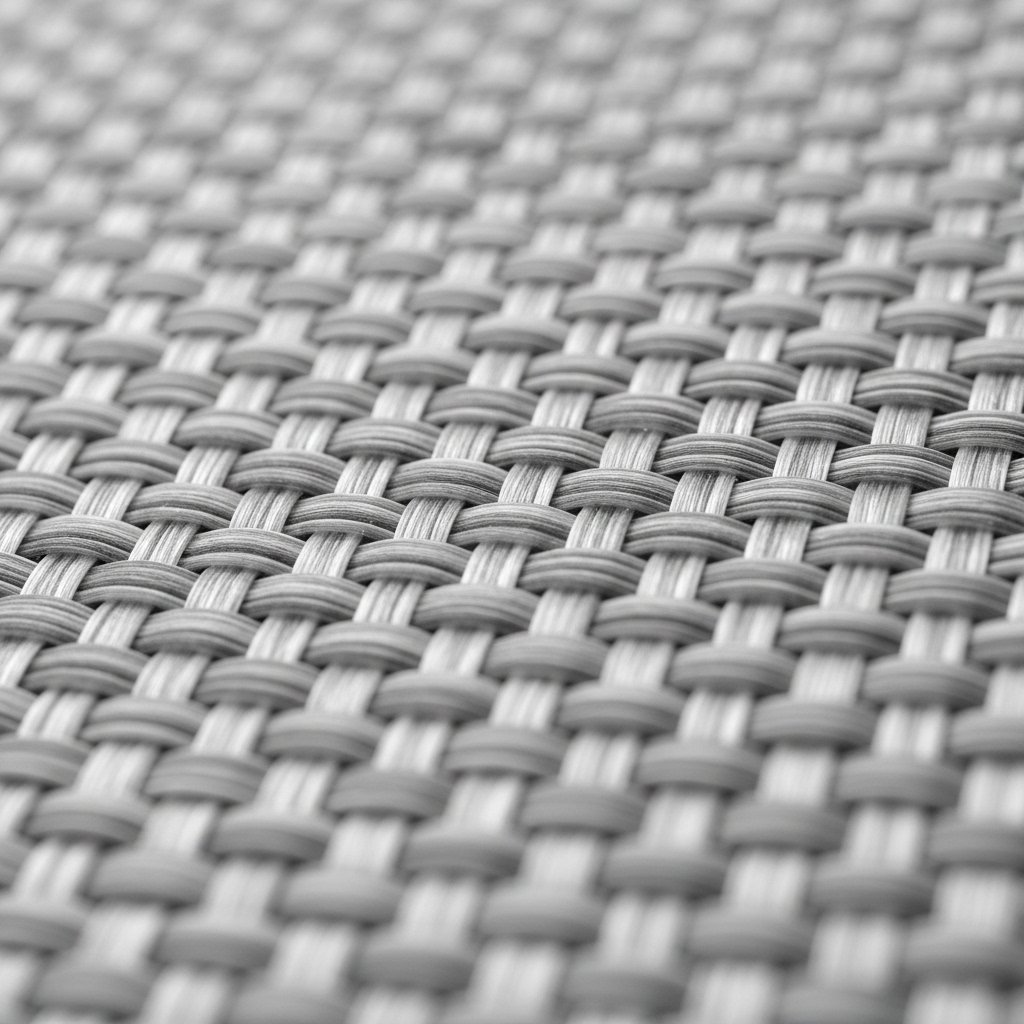
Fibre choice sets how much water the bag itself will carry. Cotton takes moisture into the fibre and holds it, PP woven fabric keeps water on the surface, and a coated canvas sits between the two until the coating cracks at a fold.
Cotton canvas reaches 8.5 percent moisture regain at 65 percent relative humidity. PP woven fabric absorbs about 0.05 percent of its own weight, which is why moving bags in PP dry within hours of a wipe down while a cotton tote needs a full day at 30 C. A dusty or greasy bag travels worse than a clean one, because soil holds water against the yarn.
Loading Practice That Prevents Damage
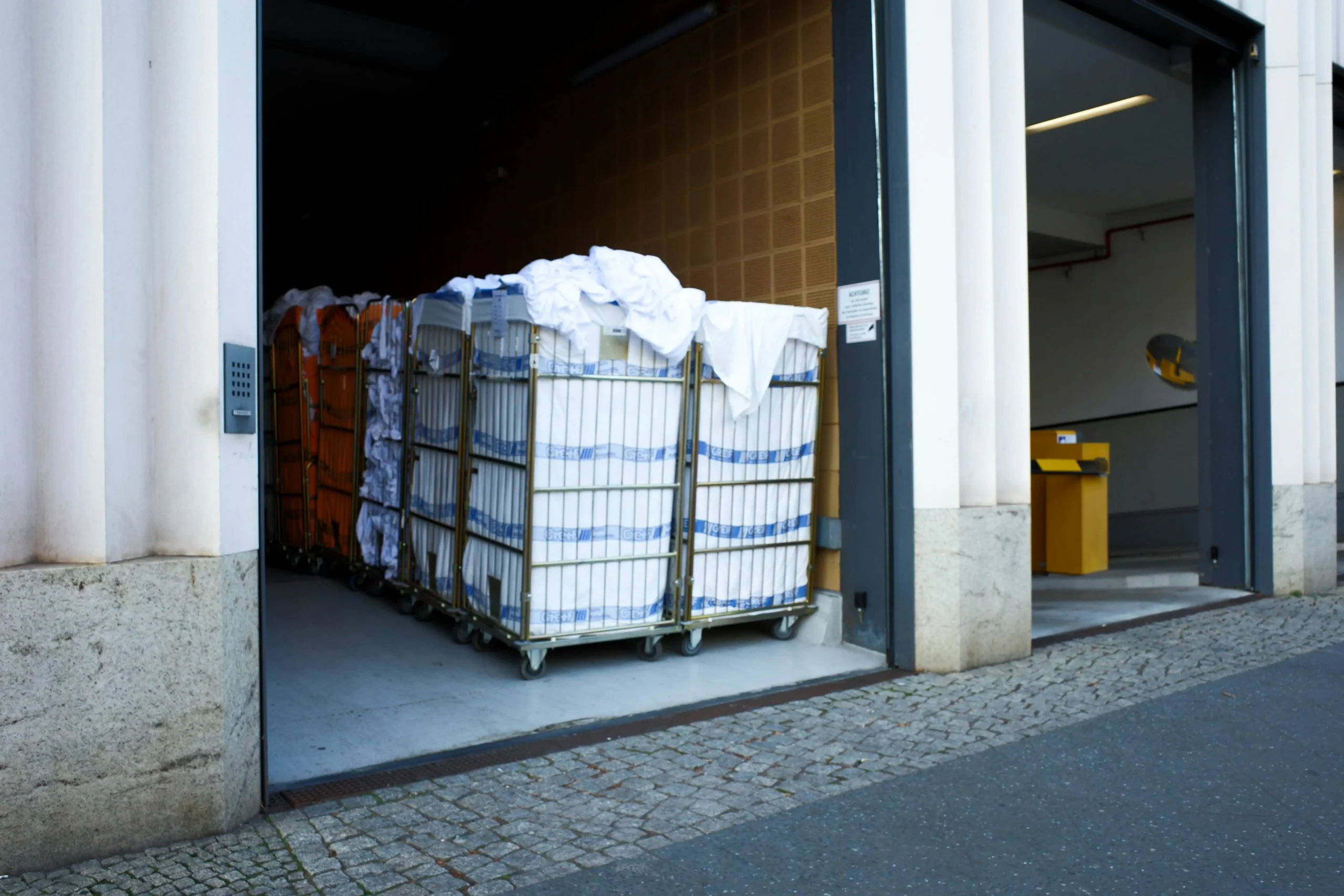
The countermeasure costs little and must be ordered before the container arrives. Four points cover most shipments, and each is written into the loading instruction rather than left to the crew.
- Dry the container floor and check the hatch seal before loading, then record a photo of the empty floor.
- Place desiccant strips across the roof line, 4 kg capacity per 20 cubic metres of cargo.
- Leave a 50 mm gap between the top carton and the container roof for air movement.
- Load pallets with a moisture content under 18 percent and reject any with dark base boards.
- Seal the record with the container number, the desiccant batch and the loading date.
A blocked stow defeats all five. Cargo packed hard to the roof stops the air from moving, and the desiccant then dries only the space around itself instead of the whole box.

Inspection On Arrival And Recovery
Open the container within 4 hours of arrival and inspect the top layer first, because that is where container rain shows. Check 5 pieces per 500 for smell, mottling and yarn strength, and put a moisture meter on the cartons at the same time.
A bag with surface mildew at under 5 percent of its face recovers with a wipe using a 0.5 percent sodium hypochlorite solution followed by drying at 30 C for 24 hours. A bag with yarn rot does not recover, and a claim is stronger when the loading photos, the desiccant batch number and the arrival moisture readings travel together in one file. Carton sizing and freight class on the same shipment are covered in carton dimensions and freight class for bag shipments, and the rework route for rejected units is set out in rejected carton rework options.
Часто задаваемые вопросы
What is container rain?
Condensation that forms on the inside of a steel container roof when outside temperature drops. It drips onto the top layer of cargo, often for days.
How much moisture does a cotton tote absorb?
Cotton reaches about 8.5 percent moisture regain at 65 percent relative humidity. PP woven fabric absorbs roughly 0.05 percent, so it dries far faster.
How much desiccant does a 40 ft container need?
Plan on 4 kg of desiccant capacity per 20 cubic metres of cargo, placed as strips along the roof line, plus a 50 mm air gap at the top.
Does mildew damage make a bag unusable?
Surface mildew on under 5 percent of the face clears with a 0.5 percent hypochlorite wipe and drying. Yarn rot does not recover and supports a claim.
Buyers protecting a shipment can review the packing options on сумки для транспортировки, and the figures that decide how the same load ships sit in bag carton dimensions and freight class. The route for units that fail arrival inspection is covered in варианты доработки бракованных картонных коробок. Standard trade terms that place the risk of transit moisture on a named party follow the rules published by the International Chamber of Commerce.


0 комментариев