



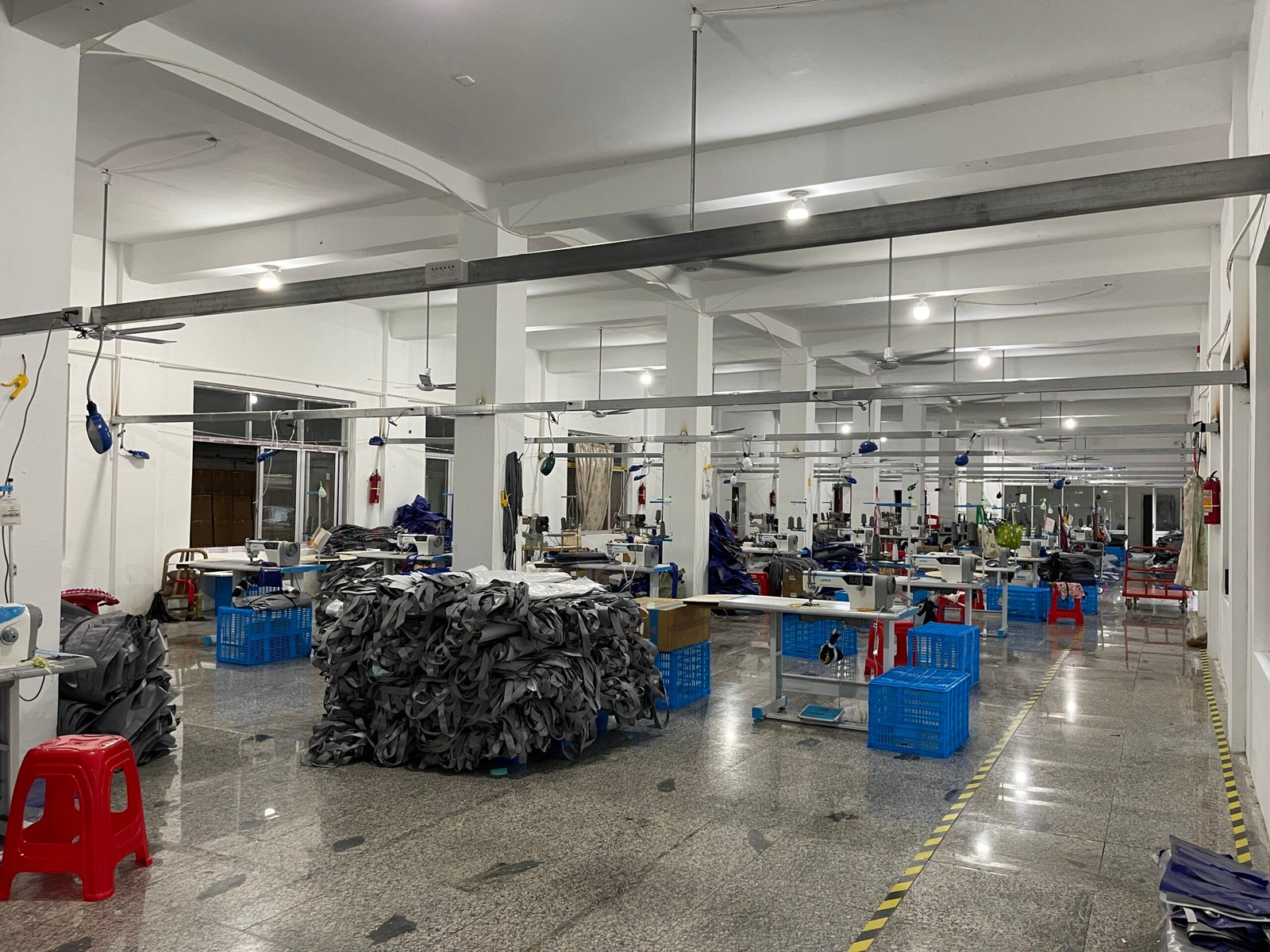
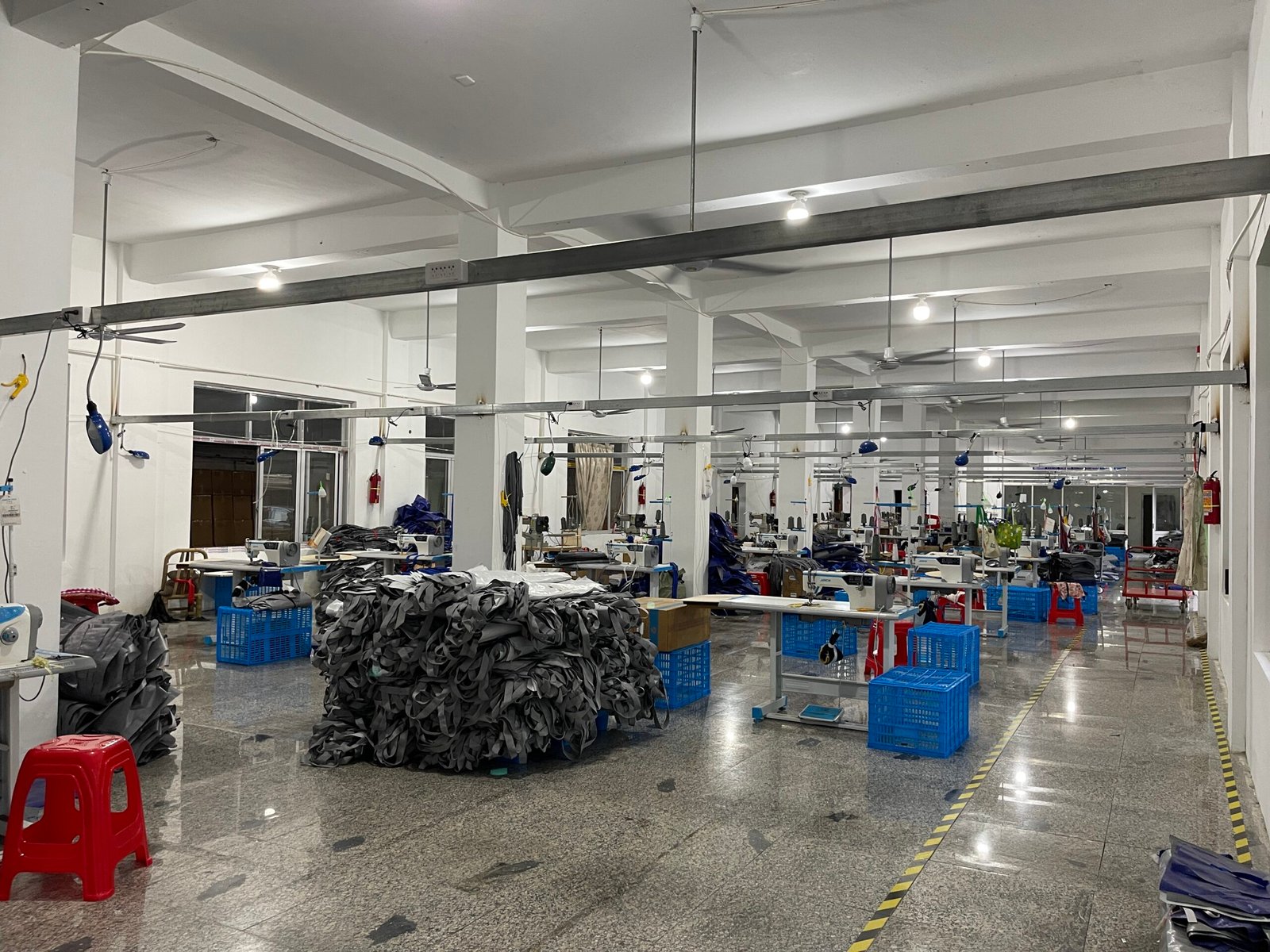
A regional courier operator running 900 delivery routes was losing parcels and customers to a problem that never appeared on the fleet report: single-use plastic mailers that tore in transit and littered customer doorsteps with packaging waste. Over two years the fleet replaced the mailer with a reusable, tracked delivery bag program built on bags sourced from a Chinese factory. This case study documents the economics, the rollout sequence, and the results.

The Problem the Fleet Report Missed
The operator’s complaint data showed a steady drip of torn-package claims, but the larger cost was invisible: single-use mailers failed on roughly 2% of deliveries, each failure generating a redelivery, a customer contact, and packaging litter at the door. When the operator audited a sample month, the redelivery and claims cost of failed mailers came to more than the purchase cost of the mailers themselves. The packaging was cheap; the failure was expensive.
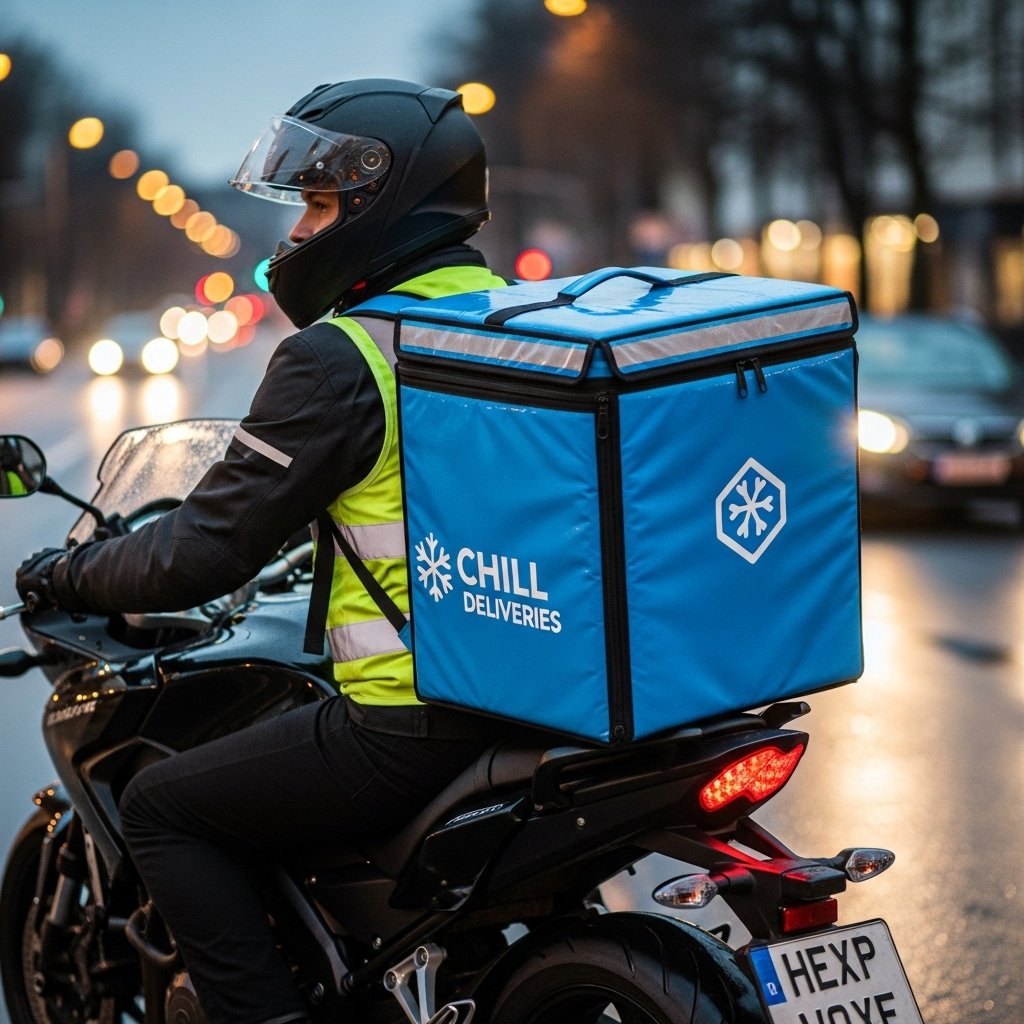
The Program Design: Tracked Bags, Depot Returns, and Deposits
The replacement program used two bag types: a courier shoulder bag for small parcels and documents, and a zippered tote for multi-stop routes. Each bag carried a printed ID and a scannable code, assigned to a rider in the dispatch system, so bags could be tracked like vehicles. Customers returned bags at depot counters or through a pickup-on-next-delivery rule, and a small deposit on the bag’s first issue funded the loss buffer. The bags were specified at 600D polyester with reinforced base seams and a 25 kg load rating, sized to survive two years of daily use.
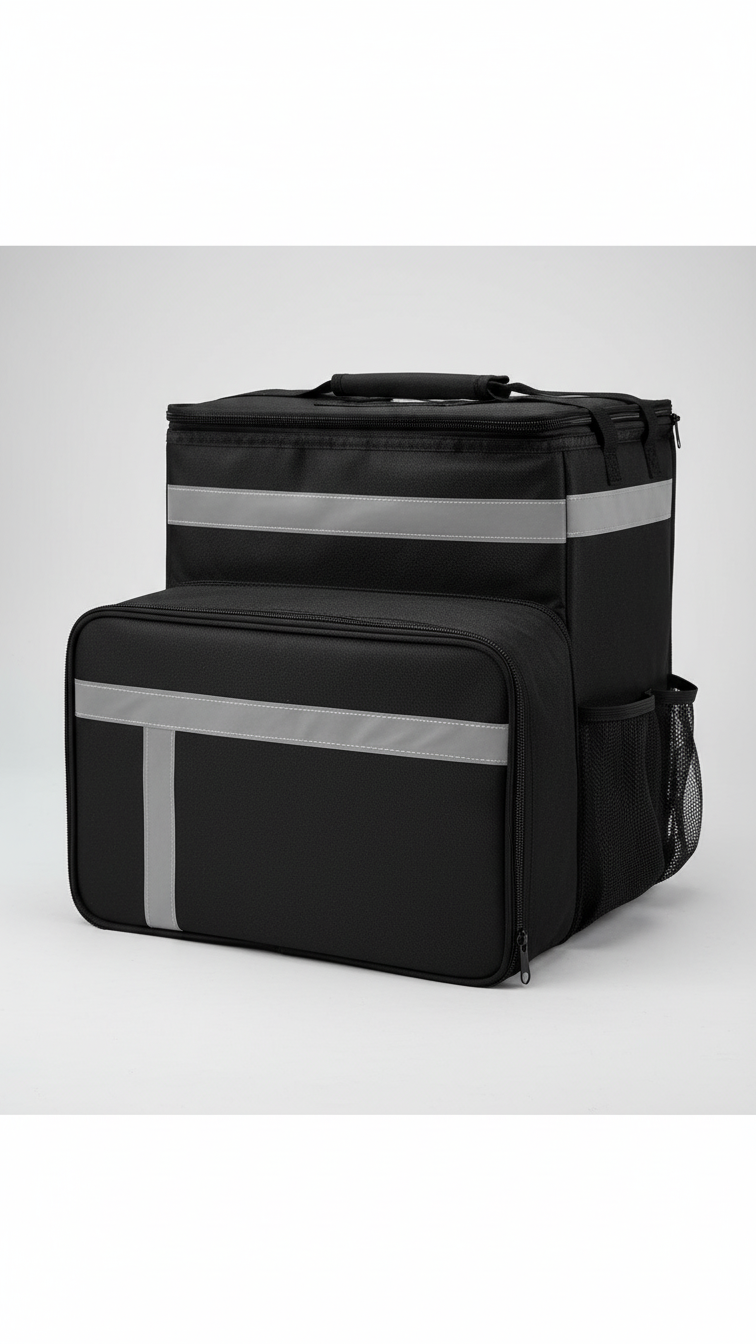
The Numbers: Two Years In
The fleet purchased 4,200 bags at USD 6.80 per unit landed from the factory, a one-time outlay of roughly USD 28,600 against an annual mailer spend of USD 41,000. Package failure claims dropped 71% in year one because the bags protected parcels far better than film mailers. Redelivery costs fell in proportion, and the operator discontinued the mailer line entirely in year two. Bag attrition ran 8% per year, replaced from a reorder of 700 units, and the net program saving against the mailer baseline reached USD 31,000 annually from year two onward.
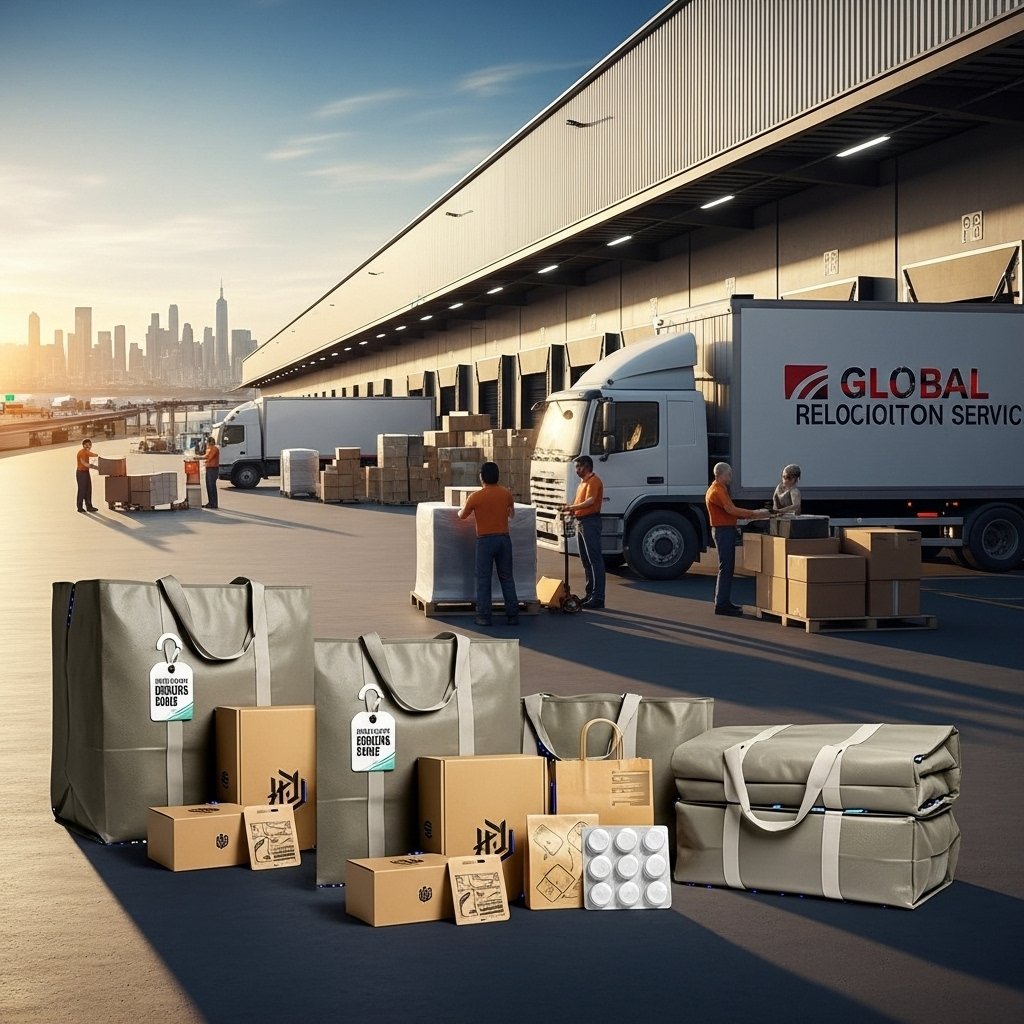
What Transferable Lessons This Holds for Other Fleets
Three lessons transfer to any courier or last-mile operation. First, price the failure mode, not the unit: the mailer comparison only made sense once redelivery and claims costs sat on the same page as the purchase price. Second, track the bag like a vehicle; unattributed bags disappear at three times the rate of assigned ones. Third, build the return rule into the delivery workflow from day one, because bag recovery is a process design problem, not a customer-courtesy problem.
Часто задаваемые вопросы
How much do reusable courier delivery bags cost?
A 600D polyester courier bag with reinforced seams and a 25 kg load rating costs roughly USD 6.80 per unit landed from Chinese factories at 4,000-unit volume.
How long do reusable delivery bags last in courier service?
Daily-use courier bags typically last two years or more when specified with reinforced base seams and load-rated construction, with attrition running 5-10% per year.
How do couriers get customers to return reusable bags?
The operators that succeed build returns into the delivery workflow: depot counters, pickup-on-next-delivery rules, and a small deposit on first issue.
Вам также может понравиться...
- Self-Storage Moving Bag Rental Program: Case Study
- Food Bank Donation Bags: Case Study
- Hotel Group Returnable Laundry Bags: Case Study
Request a Landed Cost Quote
Planning a bag program for your market? Contact our team with your specification and volume, and we will return a landed-cost quotation with the documentation your customs authority requires.
Рекомендуемые материалы: Case Study: Apartment Operator Standardizes Move-In Kits Across 22 Properties.
The pet food program model for branded tote packaging is detailed in our branded tote packaging case study.

0 комментариев