



If you manufacture or import polypropylene bags, your cost structure is tethered to a commodity market that moves with crude oil, global supply-demand shifts, and seasonal manufacturing patterns. Polypropylene (PP) resin is the single largest raw material input for non-woven bags and a significant cost component for woven PP bags. When resin prices swing 15 to 20 percent in a single year, as they did in 2025, the impact ripples through every layer of the bag supply chain.
Resin prices and tariffs move landed cost together; the Section 301 guide for textile bags covers the duty side.
Raw material volatility affects natural fibers too — see how cotton price swings impact tote bag pricing.
This guide explains how PP resin prices translate into bag pricing, what drives resin volatility, and what procurement strategies importers can use to manage cost risk. The analysis draws on publicly available market data and tiiocti’s internal production cost records.
How Much of a Bag’s Cost Is PP Resin?
The share of PP resin in a bag’s total cost depends on the bag type, fabric construction, and order quantity. Here is the breakdown for the three most common PP bag categories:
| Тип сумки | PP Resin as % of Raw Material Cost | PP Resin as % of Total FOB Cost |
|---|---|---|
| Non-woven PP tote bag (80 gsm) | 45% to 55% | 18% to 25% |
| Woven PP moving bag (90 gsm, laminated) | 20% to 30% | 10% to 15% |
| Non-woven PP drawstring bag (50 gsm) | 40% to 50% | 15% to 22% |
Non-woven bags carry the highest resin sensitivity because the fabric is produced directly from PP resin pellets through extrusion and spinning, with minimal processing cost beyond the material itself. Woven bags have a lower resin share because the weaving process, lamination, and cutting-and-sewing operations add substantial labor and energy costs.
To put this in concrete terms: if PP resin costs 8,000 RMB per metric ton (approximately $1,100 per MT at current exchange rates), the resin inside an 80-gram non-woven tote costs roughly $0.088. On a commodity non-woven tote where resin is about 20 percent of the FOB price, a 20 percent resin increase (8,000 to 9,600 RMB/MT) adds roughly $0.018 per bag, or about 4 percent of FOB. On a retail-grade tote at $1.20 FOB with printing and labor, the same resin move adds well under 2 percent because resin is a smaller share of a larger cost base.
To track the market yourself, the Trading Economics polypropylene price series publishes daily Chinese domestic spot prices in CNY per metric ton, with five-year historical data. During 2025, that series traded mostly in the 7,200 to 8,800 RMB/MT band, with the seasonal low in the first quarter and the high in the third.
Three Factors That Drive PP Resin Prices
1. Crude Oil and Naphtha Prices
Propylene, the monomer used to produce polypropylene, is derived from petroleum refining and steam cracking. When crude oil prices rise, the cost of propylene follows with a lag of 4 to 8 weeks. The correlation is not one-to-one: a 10 percent increase in Brent crude typically produces a 6 to 8 percent increase in PP resin prices, because refining margins and cracking yields also fluctuate. The American Chemistry Council tracks operating rates and production capacity across US polymer facilities, providing industry data that helps buyers understand supply-side cost pressures, while the US Energy Information Administration publishes the weekly crude oil and refinery data that feed into propylene cost models.
2. Supply-Demand Balance and New Capacity
China’s PP production capacity has expanded rapidly in recent years, with coal-to-olefins (CTO) and methanol-to-olefins (MTO) plants adding significant domestic supply. This expansion has reduced China’s dependence on imported PP resin and created downward pressure on prices during periods of weak demand. However, when downstream demand surges, as it did in Q2 2025 ahead of the autumn retail season, even the expanded capacity can tighten, pushing spot prices higher.
Globally, new PP cracker projects in the Middle East and Southeast Asia have added export-oriented capacity. When these projects come online, they increase supply and compress margins, which benefits bag buyers. When they experience unplanned shutdowns or feedstock shortages, the supply gap pushes prices back up.
3. Seasonal Patterns
PP resin prices in China follow a relatively predictable seasonal pattern:
- Q1 (January to March): Prices typically soften due to reduced manufacturing activity during and after Chinese New Year. Downstream bag factories slow production, reducing resin demand. This is historically the lowest-price window.
- Q2 (April to June): Prices recover as factories resume full production and begin building inventory for autumn orders. The recovery pace depends on how much capacity was idled during Q1 and how strong downstream orders are.
- Q3 (July to September): Peak season for bag manufacturing, as retailers prepare for Q4 holiday sales and back-to-school promotions. Resin demand is highest, and prices often reach their annual peak.
- Q4 (October to December): Prices stabilize or decline as manufacturing activity winds down. However, year-end restocking and logistics constraints (port congestion, container shortages) can create secondary price spikes.
PP Resin Price Impact on Bag Types: A Worked Example
To illustrate how resin price changes flow through to bag pricing, consider a scenario where PP resin moves from 8,000 RMB/MT to 9,600 RMB/MT (a 20 percent increase). For мешки для перевозки тяжелых грузов made from woven PP, the same math applies at the bag-type shares shown below:
| Компонент затрат | Non-Woven Tote (80 gsm) | Woven Moving Bag (90 gsm) |
|---|---|---|
| Resin cost increase per bag | +$0.018 | +$0.08 |
| FOB price before increase | $0.45 | $3.50 |
| FOB price after increase | $0.468 | $3.58 |
| Percentage increase | 4.0% | 2.4% |
| Additional cost on 50,000-unit order | $900 | $4,200 |
The non-woven bag absorbs more of the resin increase because its total cost base is smaller. A $0.018 resin increase on a $0.45 bag is proportionally more significant than the same percentage move spread across a $3.50 woven bag with higher labor and processing costs.
For importers managing both product types, this means that non-woven bag pricing is more volatile and more sensitive to resin market movements. If you are budgeting for a year of non-woven bag purchases, build in a 5 to 8 percent price contingency for resin volatility. For woven bags, a 2 to 3 percent contingency is usually sufficient. For more detail on how material costs compare across bag types, see our analysis of woven PP vs Oxford cost for bulk orders.
Virgin vs. Recycled PP: The Price Gap
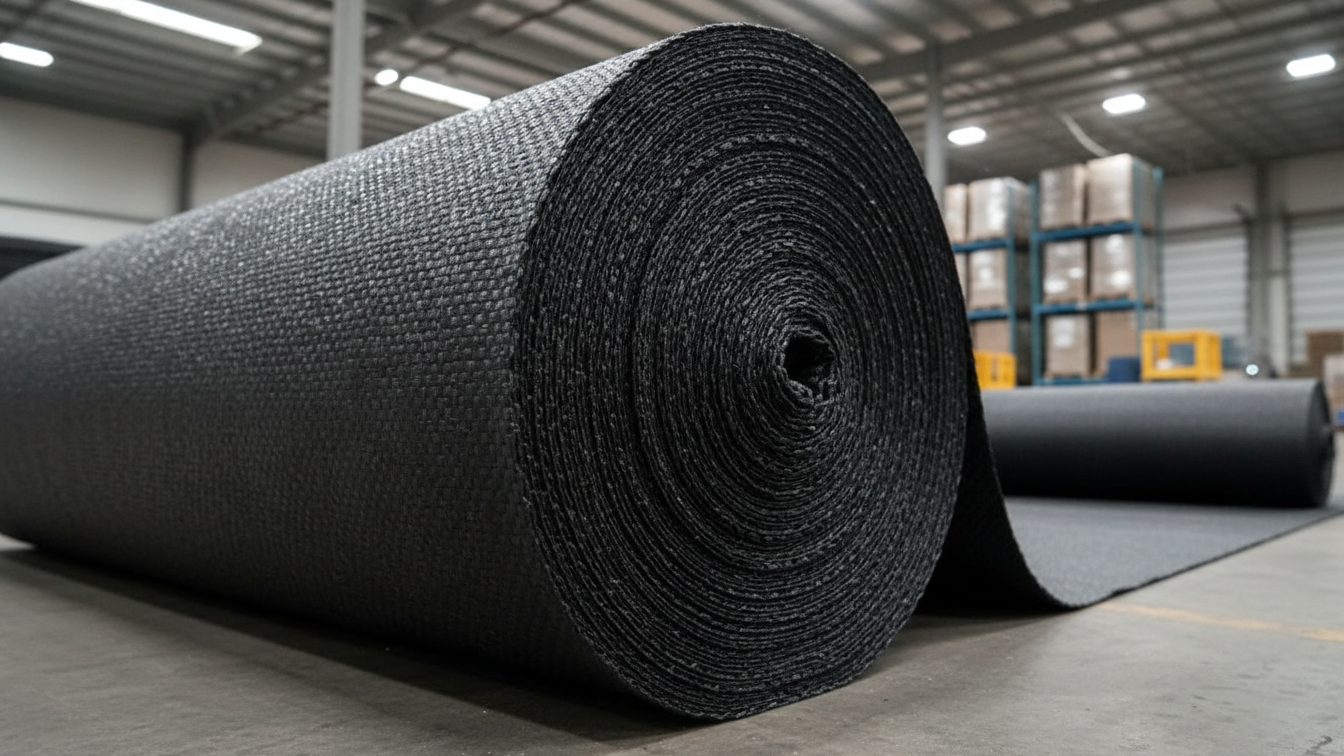
Recycled PP (rPP) has emerged as a cost and sustainability alternative to virgin resin. The price gap between virgin and recycled PP varies with market conditions but typically ranges from 10 to 25 percent in favor of recycled material.
When virgin PP prices are high (above 9,000 RMB/MT), the discount for rPP widens because recycled material costs are less tied to crude oil. Collection, sorting, washing, and reprocessing costs for rPP are relatively stable, so the rPP price does not rise as sharply when oil spikes. This makes rPP an attractive option during high-price periods.
When virgin PP prices are low (below 7,500 RMB/MT), the rPP discount narrows because the absolute savings shrink. At very low virgin prices, some buyers question whether the quality trade-off of recycled material is worth the modest cost savings.
GRS-certified recycled PP, which provides third-party verification of recycled content and chain of custody, typically commands a 5 to 10 percent premium over uncertified rPP. For brands marketing sustainability claims, the certification cost is justified. For more on recycled PP market dynamics, see our analysis of recycled PP supply and demand and GRS material costs.
Procurement Strategies to Manage Resin Cost Risk
Importers and bag buyers have several tools to manage the impact of resin price volatility:
1. Time your orders with the seasonal cycle. Placing orders in Q1, when resin prices are typically at their lowest, can save 3 to 5 percent on material costs compared to ordering in Q3. This requires planning your inventory and promotional calendar well in advance, but the savings on large orders are significant.
2. Negotiate resin-indexed pricing with your factory. Instead of accepting a fixed FOB price that includes a hidden resin risk premium, negotiate a transparent pricing formula that adjusts based on a published resin index. For example, the bag price could be set at a base level tied to PP resin at 8,000 RMB/MT, with a $0.01 per-unit adjustment for every 200 RMB/MT move in resin. This approach gives both parties visibility and eliminates the factory’s need to build a risk buffer into the price.
3. Consolidate orders to lock in favorable pricing. When resin prices drop to a cyclical low, consider placing a larger order that covers 6 to 12 months of demand. The carrying cost of inventory (typically 1 to 2 percent per month of the goods’ value) is usually less than the 10 to 15 percent price increase that can occur when resin moves from a trough to a peak. This strategy works best for standard bag designs with predictable demand. For guidance on order quantities and pricing tiers, see our MOQ guide for custom moving bags.
4. Diversify material options. If your bag design can accommodate multiple materials, you gain flexibility to switch between virgin PP, recycled PP, or alternative materials like rPET depending on relative pricing. A bag design that works in both non-woven PP and woven PP allows you to shift production to whichever material is more cost-competitive at the time of order.
What to Watch in 2026
Several market developments are likely to affect PP resin prices through the remainder of 2026:
New CTO/MTO capacity in western China is expected to come online in H2 2026, adding an estimated 2 to 3 million metric tons of annual PP production capacity. If this capacity ramps as scheduled, it will increase domestic supply and put downward pressure on prices, particularly for commodity-grade resin used in non-woven bags.
Crude oil price uncertainty remains the largest wildcard. OPEC+ production decisions, geopolitical developments, and global demand growth all influence the Brent crude price, which in turn drives propylene and PP costs. A sustained move in Brent crude above $90 per barrel would push PP resin toward the upper end of its recent range.
Regulatory pressure on single-use plastics continues to affect demand patterns. Some jurisdictions are implementing taxes or bans on non-woven PP bags, which could reduce downstream demand and soften resin prices. Conversely, if regulations shift toward favoring reusable bags made from woven PP, demand for that grade could strengthen.
Заключение
PP resin prices are the single most important commodity input for polypropylene bag manufacturing. Understanding the relationship between resin costs and bag pricing gives importers a significant advantage in budgeting, negotiation, and timing. The evidence points in one direction: non-woven bags are more sensitive to resin price changes than woven bags; seasonal ordering in Q1 typically secures the best pricing; recycled PP offers a cost hedge when virgin prices are high; and transparent resin-indexed pricing formulas benefit both buyers and factories.
Build resin price awareness into your procurement process. Monitor published price indices, talk to your factory about their resin sourcing, and time your orders to capture the seasonal trough. The difference between buying at the bottom of the cycle versus the top can be 10 to 15 percent on your total material cost.
Часто задаваемые вопросы
How often do PP resin prices change?
PP resin spot prices in China update daily on major chemical trading platforms, but meaningful price moves typically occur on a weekly to biweekly cadence. Factory quotes for PP bags are usually valid for 15 to 30 days. During periods of high volatility, some factories shorten quote validity to 7 days.
Does the resin price affect printed bags differently than plain bags?
Resin price changes affect the base fabric cost equally for printed and plain bags. However, because printing (screen printing, heat transfer, or lamination) adds cost on top of the base fabric, the resin increase represents a smaller percentage of the total FOB price for printed bags. A 20 percent resin increase might add 4 percent to a commodity plain bag’s FOB price but only about 1 to 2 percent to a fully printed premium bag with lamination.
Should I switch to rPET bags when PP prices are high?
rPET (recycled polyethylene terephthalate) and PP are different polymer markets with different price drivers. rPET prices are more influenced by bottle flake supply and recycling rates than by crude oil. When PP prices spike, rPET may or may not be cheaper. Always compare current quotes for both materials before switching. The moving bag material guide covers the performance differences alongside cost considerations.



0 комментариев