



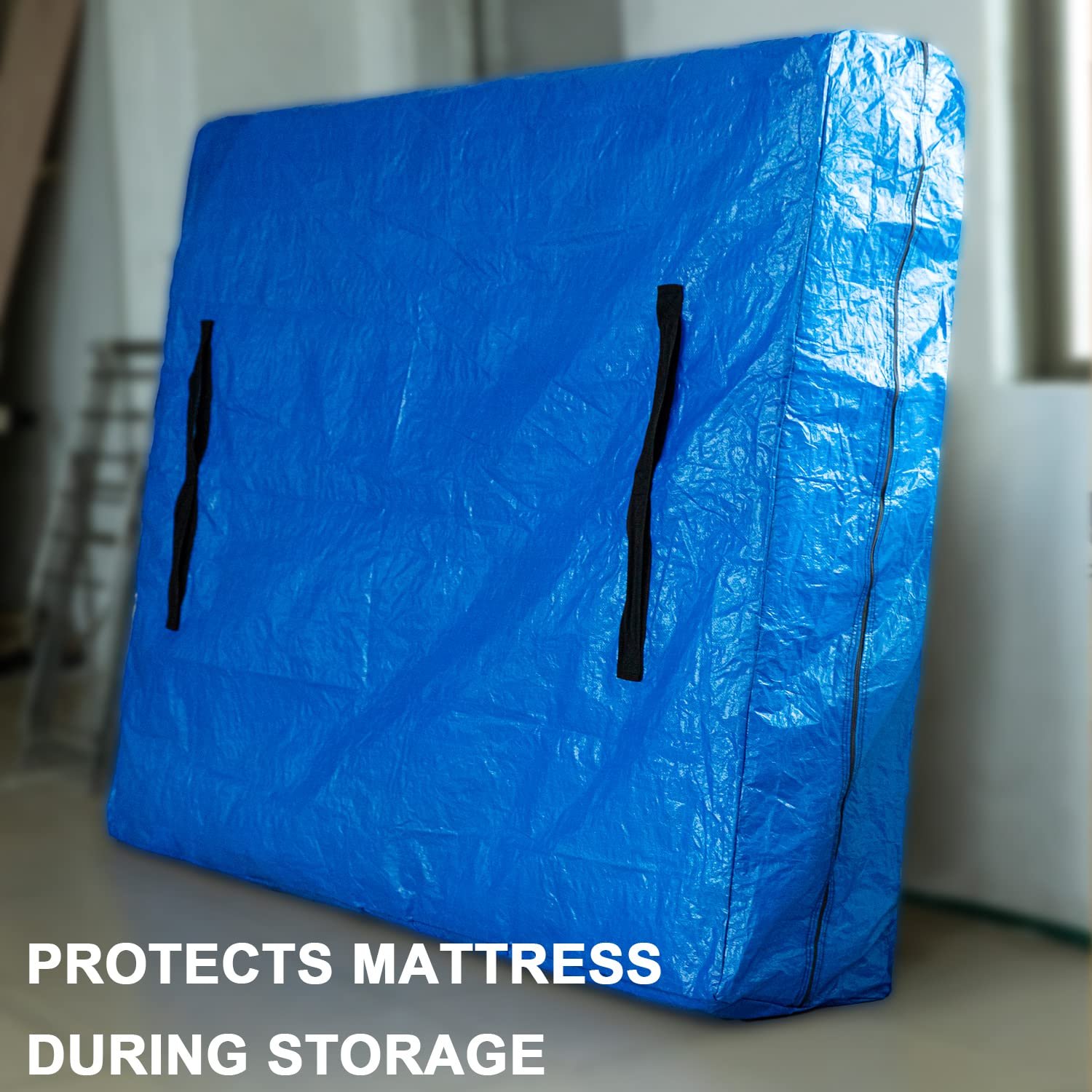
uv resistant woven pp bags is the first checkpoint buyers should lock before they approve a supplier, budget, or production slot. A 30 kg safe working load on a UV resistant woven PP bag describes day one, not year two. After 2,000 hours of ASTM G154 QUV testing, that same fabric loses 30-50% of its tensile strength — I’ve watched distributors anchor a $50K order to a pre-production sample that looked flawless in the showroom, only to see the mass production run turn brittle after a single season outdoors. The difference was never price or FOB pricing; it was test methodology.
Most buyers ask for UV resistant woven PP bags and trust the supplier’s word. Fewer request the ISO 4892 report, and fewer still verify that the test sample came from the same production batch they’re purchasing. Sample approval at the factory covers appearance and dimensions; it rarely covers what happens after 500 hours of UV exposure. When a factory claims ‘UV stabilized,’ that usually means a masterbatch additive went into the extrusion — it does not mean anyone validated performance after aging.
Veteran procurement managers close that gap with two targeted questions. Does the factory own an in-house tensile tester, and can they show a UV chamber log with aging tests run on samples pulled from production batches? Add a third: what is the lamination joint strength after UV aging? That joint is often the real weak point once the fabric starts degrading, and most spec sheets hide it. A UV claim without post-aging tensile data is a statement, not a specification.
What Makes UV Resistance Critical for Woven PP Moving Bags
We broke the same topic down in purchase order terms for bag imports
After 2,000 QUV hours, woven PP bags lose 30-50% of tensile strength.
Walk into any supplier meeting and ask whether their woven PP moving bags can handle outdoor storage. You hear yes every time. Ask for the ASTM G154 QUV test report showing tensile strength retention after 2,000 hours and the conversation changes. That gap between the sales claim and the evidence is where distributors lose margin on failed orders.
Moving bags face a storage pattern that retail totes do not. They sit on loading docks, in rental trucks, and in customer garages for weeks. Between rentals they often wait under a tarp in a yard. Each cycle adds cumulative UV exposure, and every outdoor season pushes the polymer closer to failure.
How UV Exposure Degrades Polypropylene Fabric
UV radiation triggers photo-oxidation in polypropylene. Photons carry enough energy to break carbon-hydrogen bonds along the polymer chain. The freed radicals react with oxygen and attack neighboring chains in a cascade called chain scission. Long polymer molecules fracture into shorter fragments, and the fabric loses the molecular weight that supplies its tensile strength.
This degradation is not a surface effect. It runs through the full cross-section of every tape yarn. A bag can look perfectly fine on day 30 and crack at a crease on day 180 because the polymer behind the pigment has already broken apart.
Real-World Consequences: Brittleness, Tear Strength Loss, and Color Fading
Chain scission produces three failure modes that hit your customers directly. Brittleness appears first: creases crack instead of flexing when a worker pulls the bag tight. Tear strength drops next because fewer intact polymer chains remain to stop a puncture from running. Color fading is the visible warning — the same oxidation chemistry consumes pigments and UV stabilizers.
- Tensile strength retention: After 2,000 hours of ASTM G154 Cycle 1 QUV aging, typical woven PP bags lose 30-50% of original tensile strength, cutting safe dynamic load from 30 kg to below 20 kg.
- Lamination joint integrity: The lamination joint holds a minimum 91.8 kgf when new — equal to the fabric itself. After UV aging it degrades at the same rate, making it the concealed weak point most spec sheets never show.
That is why distributors need to verify UV resistance claims instead of accepting them. Only 28% of woven PP bag factories own an in-house tensile tester. Many suppliers add UV-stabilizer masterbatch and call it resistance without ever testing post-aging performance. When you source bulk moving bags factory-direct, request QUV reports from samples aged alongside your production batch — not a generic stabilizer certificate from the sales office.
Factories that publish high load-bearing production standards treat UV resistance as a specification with test evidence, not a feature on a sales sheet. A bag rated for 30 kg after two outdoor seasons earns its place in your catalog. One that survives only until the first pallet sits in a sunny yard will cost you in returns.
Industry Testing Standards: ASTM G154, ISO 4892, and Accelerated Weathering
A 500-hour QUV report is a screening tool, not a durability certificate.
Most distributors treat ASTM G154 and ISO 4892 as interchangeable proof of UV resistance. They are not. The two standards simulate different conditions, stress different failure modes, and can produce reports that look similar while telling opposite stories about a woven PP bag’s outdoor lifespan.
QUV vs Xenon Arc: Which Test Simulates Outdoor Storage Conditions?
QUV testing per ASTM G154 uses fluorescent UVA-340 lamps and alternates UV irradiation with condensation cycles. That maps directly to how moving bags are stored — sun by day, dew by night. For woven PP bag UV degradation testing standards, this accelerated aging cycle targets the exact photo-oxidation mechanism that breaks polypropylene molecular chains.
Xenon arc testing per ISO 4892-2 runs a full-spectrum polypropylene fabric aging cycle that replicates natural sunlight more completely. It is the better instrument when you care about color fading of printed branding or dyed fabric. For structural integrity — the load capacity that keeps a 30 kg moving bag from failing — ASTM G154 QUV testing for woven polypropylene bags is the more demanding screen and the one to request first.
Interpreting Test Reports: What 500 Hours Actually Tells You
A 500-hour report is a baseline screen, not a durability certificate. Three numbers matter at this stage: tensile strength retention shows how much load capacity survived, Delta E quantifies color shift, and gloss retention flags surface embrittlement before visible tearing. A stable formulation still looks good at 500 hours; the real divergence shows up between 1000 and 2000 hours.
Here is what most spec sheets hide: after 2000 hours of ASTM G154 Cycle 1 exposure, typical woven PP bags lose 30–50% of their original tensile strength. For heavy-duty moving bags built to high load-bearing production standards, that cuts safe dynamic load capacity from 30 kg to below 20 kg — a fundamental change in what the product can carry.
The lamination joint’s minimum strength of 91.8 kgf matches the fabric’s own tensile strength, so after UV aging the joint becomes the failure point. Only 28% of woven PP bag factories own an in-house tensile tester, meaning many UV stabilizer masterbatch declarations are never verified post-aging. Demand the QUV report — and confirm the samples were aged alongside a production batch, not a lab demonstration.
- Tensile strength retention: The only metric that connects directly to safe working load. Request it as a percentage of unaged fabric strength, not a vague ‘passed’ note.
- Delta E: Color shift on the bag body and printed branding. Visible pallet-to-pallet variation means fading customers will spot during outdoor storage.
- Lamination joint integrity after UV aging: Ask specifically whether the report covers joint strength. Most spec sheets only quote flat fabric tensile values, which misses the real failure point.

Evaluating UV Stabilizer Additives: HALS, UV Absorbers, and Antioxidants
After 2000 hours of UV aging, woven PP bags typically lose 30–50% of tensile strength—plan load ratings accordingly.
Distributors sourcing UV resistant woven PP bags often treat HALS, UV absorbers, and antioxidants as interchangeable checkboxes. They are not. Each additive interrupts a different stage of polypropylene photo-oxidation, and the blend matters more than the presence of any single component.
HALS scavenge free radicals formed when UV breaks polymer chains. UV absorbers intercept damaging wavelengths before they reach the fabric. Antioxidants slow oxidation during melt processing and early exposure. A bag labeled “UV stabilized” usually contains all three. Without accelerated aging data, that label only tells you what went into the extruder—not what survives on a loading dock.
Why 2000 hours changes the safe working load
The most useful number on a woven PP bag spec sheet is not the starting tensile strength. It is the retained strength after 2000 hours of QUV testing under ASTM G154 Cycle 1. In typical woven polypropylene moving bags, that exposure cuts tensile strength by 30–50%. A bag rated for a 30 kg safe dynamic load can drop below 20 kg after that level of exposure.
- Fabric tensile loss: After 2000 hours, the face fabric may lose a third to half of its original strength, which directly reduces maximum lifting capacity.
- Lamination joint risk: Minimum lamination joint strength in tested bags sits near 91.8 kgf—close to the fabric’s own tensile strength. UV aging attacks this joint first, and most spec sheets omit it entirely.
- Supplier verification gap: Only 28% of woven PP factories own an in-house tensile tester. Many rely on masterbatch declarations rather than testing the finished bag after aging.
What to demand instead of a masterbatch sheet
Treat a UV stabilizer masterbatch certification as raw material documentation, not finished-bag proof. Ask the factory for QUV test reports with samples aged alongside production batches. The report should state tensile strength retention, lamination joint strength, and the exact weathering cycle used—ASTM G154 or ISO 4892. If the supplier cannot produce that, treat the UV claim as unverified.
As a direct factory manufacturer, we build UV checks into batch release rather than treating stabilizer dosing as a one-time formulation. That is the difference between a bag that survives a season on a construction site and one that fails at the handle on the first lift.
Quality Control Checks for Bulk Orders of UV-Resistant Moving Bags
Without a test log and random-pack verification, a UV resistance claim is just a guess.
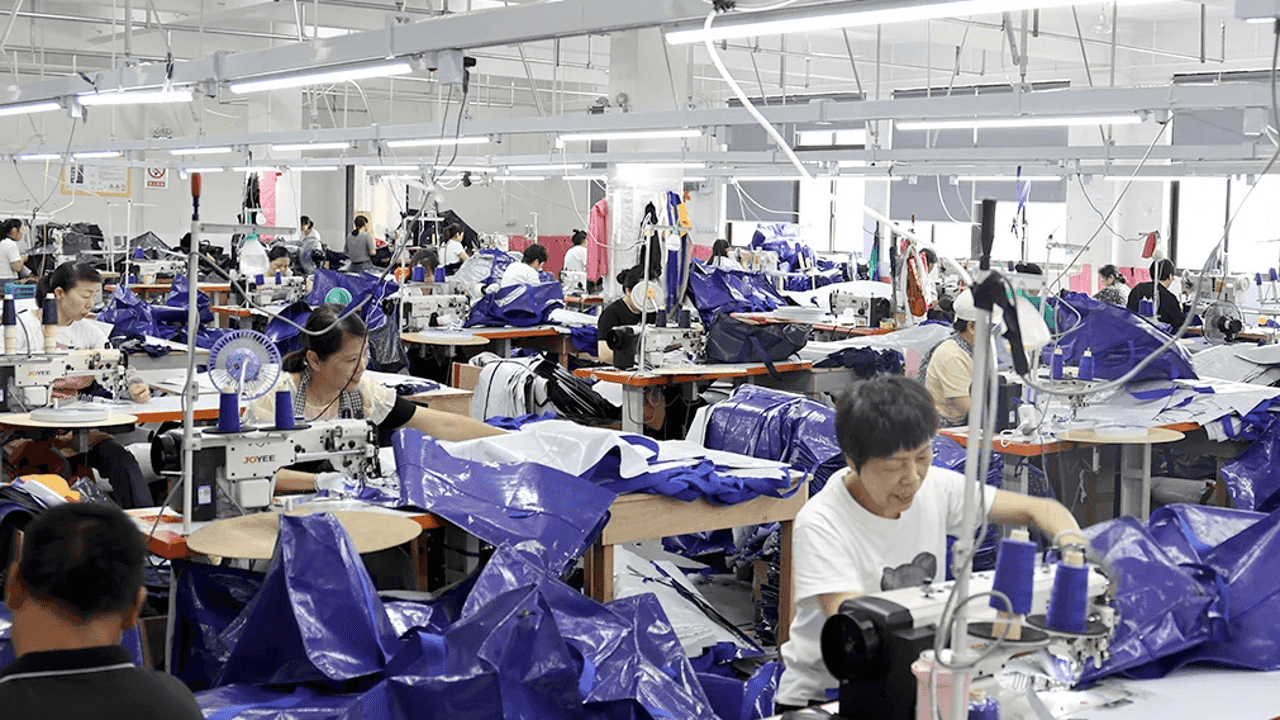
Two factories can quote identical UV-resistant woven PP bags. One has a UV chamber log tied to actual production batches. The other has a masterbatch datasheet from the additive supplier. The difference surfaces after the bags sit through one outdoor storage season. Distributors who skip verification end up owning that failure.
Factory Audit Questions: In-House Tensile Tester, UV Chamber Log, and Stabilizer Masterbatch Certificates
Only 28% of woven PP bag factories own an in-house tensile tester. Plenty of factories that claim UV resistance buy UV-stabilized masterbatch, run a color check, and never verify post-aging tensile performance. For bulk moving bag orders, that gap becomes your liability.
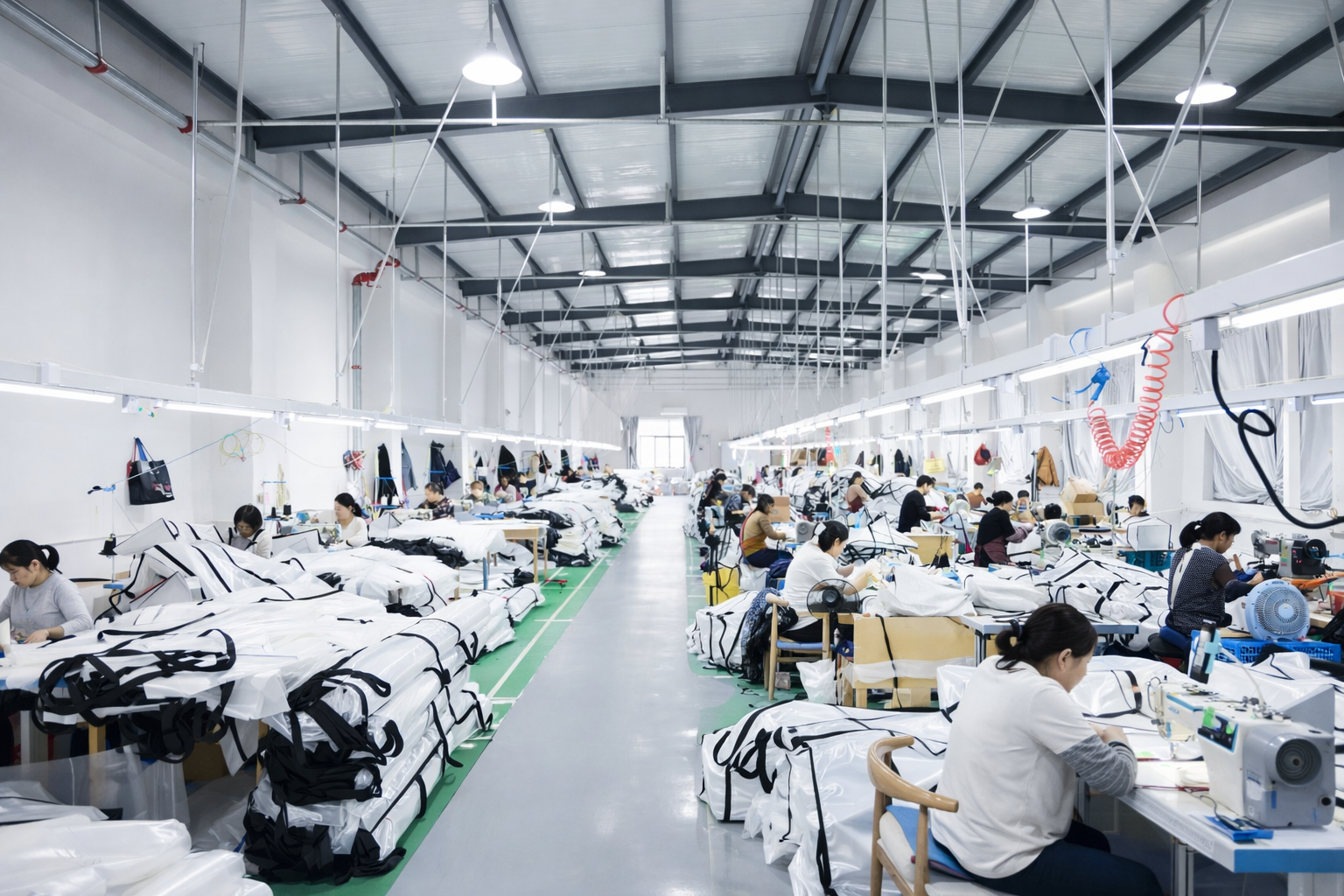
- In-house tensile tester: Confirm the machine exists. Ask for calibration certificates and the last 10 test records. A factory that ships samples to a third-party lab only does not run batch-level control, which matters when thousands of bags share one production run.
- UV chamber log: A single QUV test report proves nothing. Ask for the continuous log: dates, cycle, hours, and which batch each aged sample came from. Gaps in the log mean gaps in the process.
- Stabilizer masterbatch certificate: The certificate must state the additive type (HALS, UV absorber), dosage per kilogram of resin, and dispersion method. A trade name without dosage verification is marketing, not a spec.
Add one question most buyers skip: lamination joint strength after UV aging. The lamination joint minimum strength — 91.8 kgf on our spec sheets — equals the fabric’s tensile strength, making the joint the real weak point. Most spec sheets publish fresh fabric numbers and hide this degradation risk. Ask the factory to test joint strength after aging, not just before.
Sampling Protocol: Destructive Testing of Random Packs After Accelerated Aging
Never approve a bulk order on the pre-production sample alone. Pre-production samples get the freshest masterbatch, the best-run loom, and the most careful stitching. Production packs do not. Pull 3–5 random packs from the finished batch, cut specimens from each, and run accelerated aging before tensile testing.
After 2000 hours of QUV testing under ASTM G154 Cycle 1, typical woven PP bags lose 30–50% of original tensile strength — safe dynamic load capacity drops from 30 kg to below 20 kg. Your sampling protocol must include this check. Compare the aged random packs against the pre-production reference, and write the minimum retention threshold into the purchase contract.
That is the detail that separates professionals from amateurs. A factory with high load-bearing production standards and direct manufacturing control will hand you the logs and let you pull random packs from the line. If a supplier hesitates at destructive testing, that hesitation is your answer.
Sourcing UV-Resistant Woven PP Bags: Specification Must-Haves for Distributors
Most spec sheets conceal the real UV weak point: the lamination joint, not the base fabric.
If you distribute woven PP moving bags that get stored outdoors, the starting tensile strength means very little. The two numbers that define a credible 2-year warranty are the pre-aging tensile and the retained tensile after accelerated UV exposure. A spec sheet that only lists virgin GSM and denier is hiding the part that degrades first.
Minimum GSM and Denier for a Real 2-Year Warranty
Run the math on your own rated load. In ASTM G154 Cycle 1 QUV testing, typical woven PP moving bags lose 30-50% of original tensile strength after 2000 hours. That cuts safe working load from 30 kg to below 20 kg. If you sell a 20 kg bag with a 2-year warranty, the virgin fabric must start high enough that the aged value still clears the label.
The GSM and denier thresholds are a means, not the end. They exist so the post-aging tensile beats your rated load. Whether your supplier tests to ASTM G154 or ISO 4892 polypropylene fabric aging cycles, ask for the retained-tensile number on aged specimens — not the virgin test report.
Lamination Joint Integrity After UV Aging
Distributors check fabric tensile by hand and skip the seams. Mistake. Under our high load-bearing production standards, the lamination joint minimum strength is 91.8 kgf — equal to the fabric’s own tensile strength. That parity creates the hidden weak point: once UV degrades the lamination, the joint fails before the fabric panel does. Most spec sheets omit this aged peel-strength data entirely.
Only 28% of woven PP bag factories own an in-house tensile tester. Many suppliers sell ‘UV stabilized’ masterbatch declarations without ever measuring post-aging performance. To verify UV resistance in bulk moving bag orders, request QUV test reports with samples aged alongside your production batch — not a generic certificate from the masterbatch supplier.
- Aged tensile retention: Demand at least 50% tensile retention after 2000 hours of QUV exposure, tested on actual production-lot samples.
- Lamination peel strength: Require an aged peel-strength value for the lamination joint — this is the number that controls handle and hem life after 12+ months outdoors.
A credible spec sheet for UV-resistant woven PP bags pairs the start values with the aged values: virgin GSM and denier, retained tensile after 2000 hours, and lamination joint peel strength after the same aging cycle. When a supplier offers no aged data, treat the UV claim as a price premium — not a production standard.
| Область спецификации | Must-Have Spec | Почему это важно | Verification Method | Sourcing Red Flag |
|---|---|---|---|---|
| UV Stabilizer Masterbatch | HALS + UV absorber; ≥2% loading with masterbatch certificate | Prevents photo-oxidation and chain scission that embrittle woven PP | Masterbatch certificate + QUV report tied to production batch | Claim of ‘UV stabilized’ with no post-aging tensile data |
| Accelerated Weathering Standard | ASTM G154 Cycle 1 or ISO 4892-3; 500–2,000 hours exposure | Reproduces years of outdoor storage to validate real-world performance | Third-party lab report with cycle, irradiance, and condensation details | Short 200-hour tests with undisclosed cycle conditions |
| Tensile Strength Retention | ≥85% retention after 500 hrs; ≥50% after 2,000 hrs | Typical bags lose 30–50% strength after 2,000 hrs UV; must be planned for | ISO 13934 tensile tester on aged samples | Only pre-UV fabric strength quoted on spec sheet |
| Post-UV Safe Working Load | ≥20 kg dynamic load after 2,000 hrs (from 30 kg baseline) | Prevents bag failure when moving goods after prolonged sun exposure | Static/dynamic load test after chamber aging | Load capacity shown only for brand-new, unaged bags |
| Lamination Joint Integrity | Min 91.8 kgf joint strength; must match fabric after UV aging | Lamination joint is the hidden weak point most spec sheets omit | Post-aging peel/tear test on random production packs | UV report covers fabric only; no lamination joint data |
| Fabric Weight & Denier | 120–180 GSM; ≥1000D yarn for 2-year outdoor warranty | Heavier fabric and thicker yarn retain strength under UV stress | GSM scale + denier check from production batch | Sub-100 GSM fabric marketed as heavy duty moving bags |
| Color & Print Retention | Delta E < 3 after 500 hrs; gloss retention ≥70% | Protects retail-grade custom printing and brand presentation | Spectrophotometer reading on aged printed sample | No color-fastness data for custom-printed bags |
| Factory QC Capability | In-house tensile tester and UV chamber log | Only 28% of woven PP factories own a tensile tester; proof requires equipment | Factory audit; inspect UV chamber log and calibration records | Factory declines audit or cannot produce UV chamber log |
| Batch Sampling Protocol | QUV samples aged alongside production batch; destructive testing of random packs | Ensures certified UV performance matches actual shipped goods | Batch traceability documentation + witnessed sampling | Test report from generic material, not your production batch |
Заключение
UV resistance claims only mean something when measured against a recognized aging protocol. If a woven PP moving bag has not been through ASTM G154 or ISO 4892 cycles, its performance under outdoor storage is a guess, not a spec. The data from 2,000-hour QUV exposure separates bags that will hold a 30 kg load from bags that will turn brittle mid-contract.
- After 2,000 hours of QUV testing, woven PP bags lose 30–50% of tensile strength.
- Safe dynamic load can fall from 30 kg to below 20 kg after UV aging.
- Lamination joint strength at 91.8 kgf is the hidden weak point after UV exposure.
- Only 28% of factories own an in-house tensile tester; request aged test reports.
When you prepare your next bulk order, ask your factory for a QUV test report that used production samples aged alongside the batch, not just a masterbatch declaration. Cross-check the retained tensile strength against the 30 kg safe working load baseline for your intended outdoor storage window. You can compare UV-resistant woven PP moving bag options on the product page to see which spec matches your contract.
Часто задаваемые вопросы
What UV test standard is used for woven PP bags?
ASTM G154 (QUV) and ISO 4892-2 (xenon arc) are the two accelerated weathering standards used for woven PP. QUV is more common for cost and screening; xenon arc better mimics full-spectrum sunlight. Confirm which standard your supplier tested before requesting certs.
How much tensile strength is lost after 2000 hours?
After 2000 QUV hours, woven PP bags typically lose 30–50% of tensile strength. That means a 30 kg safe working load at day one can drop to roughly 15–21 kg after two. Plan load ratings around aged strength, not initial test results.
What is a 500-hour QUV report good for?
A 500-hour QUV report is a screening tool, not a durability certificate. It helps compare stabilizer formulations, but it does not prove performance over a two-year outdoor warranty. Ask for 1000+ hour data for long-term claims.
What additives make woven PP UV resistant?
HALS, UV absorbers, and antioxidants are the three main stabilizer additives used in woven PP. HALS protects surface color, UV absorbers protect the polymer bulk, and antioxidants fight heat-related degradation. Request masterbatch certificates to verify additive levels.
What should factory audits check for UV claims?
Audit the UV chamber log, in-house tensile tester, and stabilizer masterbatch certificates. These confirm the factory actually aged and tested the material rather than just adding a nominal UV additive. Do destructive testing on random packs after accelerated aging.

0 комментариев