



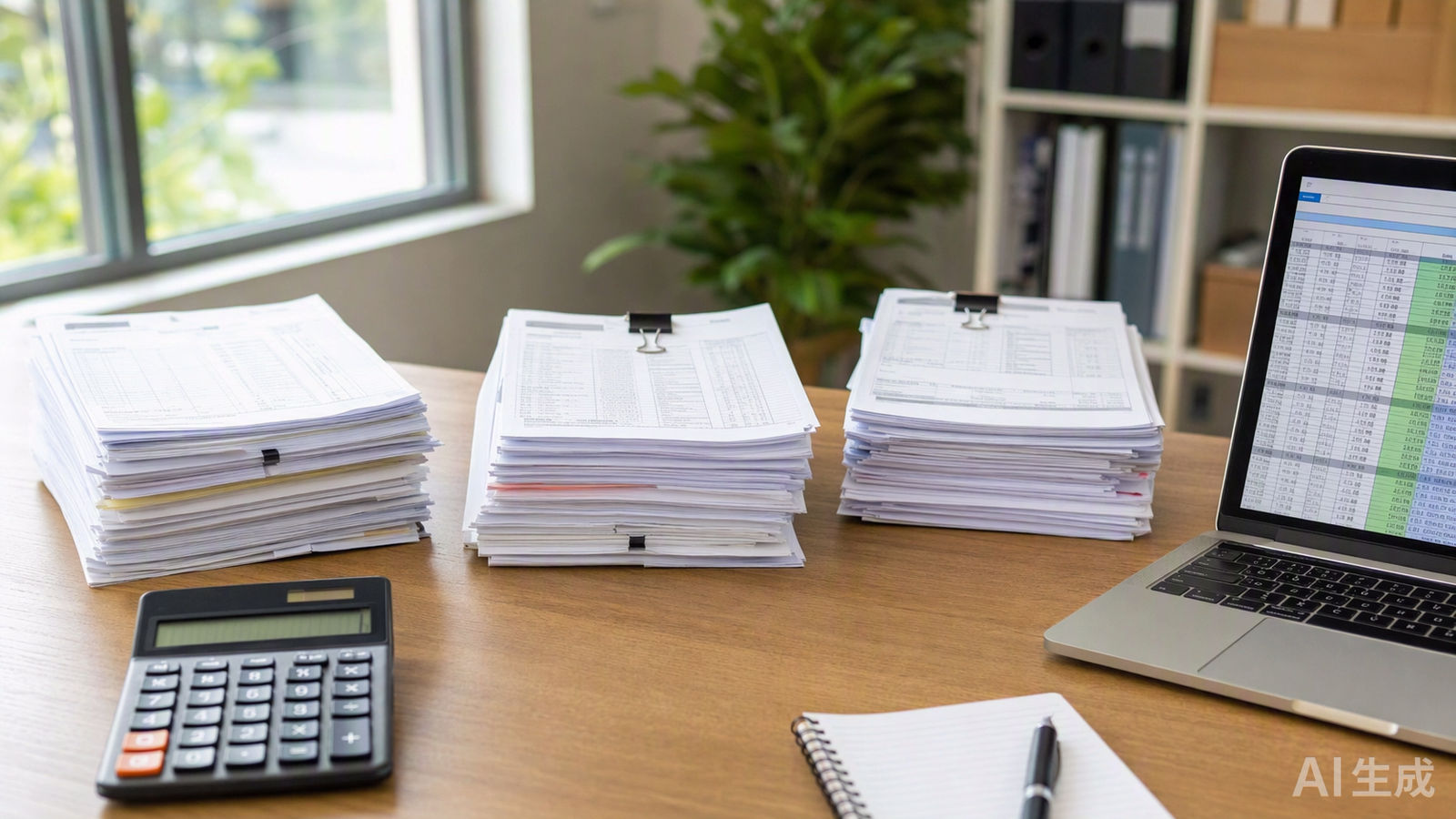
A bag lab test report is a contract document most buyers file without reading, and the unread pages are where disappointed orders explain themselves: a load rating tested at a different configuration than the buyer’s use case, a colorfastness grade that meets the standard but not the customer, a report for “the material” that says nothing about “the bag.” Reading an SGS or Intertek report takes ten minutes once someone shows you the map. This guide walks the sections that matter on a bag test report, what each result actually certifies, and the follow-up questions that turn a report into a purchasing decision.
First Page: What Was Tested, and On Whose Behalf
The report header carries the facts that frame everything else: the applicant (who commissioned the test, the factory or the buyer), the sample description (what the laboratory received, described as received), sample dates and test dates, and the report number that makes the document traceable and verifiable with the issuing laboratory. Two details deserve a slow read. The sample description must match your product: a report for “polypropylene woven fabric, blue” certifies fabric, not the finished bag with its handles and stitching, and buyers who need the finished article tested must say so at submission. And the applicant matters for claim rights: reports commissioned by the factory belong to the factory’s file, which is fine for verification requests but means the buyer’s own market submissions may need their own commissioned copies. Both major laboratories, SGS and Intertek, verify report authenticity against the number, which is worth doing on any report that arrives attached to a quotation.
The Results Section: Standards, Methods, and Grades
The body of the report reads as a table: each test row carries a method (the standardized procedure used, for example a tensile or colorfastness method code), the requirement (the pass criterion the sample was tested against, often the buyer’s own specification or a default standard), and the result. Three reading habits separate buyers from shoppers. One: read the method, because the same property tests differently at different configurations; a load test on a handle assembly at a different attachment geometry is not your bag’s handle test. Two: read the requirement column, because “pass” means passed the criterion set for the test, and the criterion is negotiable at submission: a bag tested to a generic requirement may pass where the buyer’s heavier use case needed a stricter one. Three: read units and conditions, temperature and humidity affect some results, and the report states the conditions under which its numbers are true.

The Tests That Matter on Bags
Bag programs cluster around five test families. Load and endurance: handle and seam strength, static load, and cycle tests that simulate carrying, the tests whose configuration (what is loaded, how the handle is held, how many cycles) must match the use case. Colorfastness: rubbing, washing and light exposure, graded on standard scales, where a grade that satisfies one market’s casual bags fails another’s hotel amenities. Chemical compliance: REACH restricted substances for the EU, CPSIA for children’s products in the US, and azo/phthalate panels that vary by destination market. Physical dimensions and construction: thickness, weight (GSM) verification against the specification. And for recycled-content claims: certification documents such as GRS transaction certificates travel separately from lab reports, though buyers often file them together. Our materials page maps which material grades carry which test panels as standard.
Follow-Up Questions That Make the Report Useful
Four questions convert a filed report into a decision tool. One: was the tested sample production-representative, from the actual tooling and materials the order will run? Two: does the test configuration match my use case, or should my order specify a stricter requirement? Three: is the report current, because material lots and factories change, and a two-year-old report describes a different supply chain? Four: which reports does my destination market require me to hold versus the factory holding, so the compliance file at customs is complete? Buyers who send these four questions with an RFQ get answers that shape the order, and our quality team answers them line by line with quotations, because a report that cannot survive the questions is decoration.
Frequently Asked Questions
What is the difference between an SGS and an Intertek report?
Both are accredited third-party laboratories; the difference that matters is the method and requirement each report documents, not the logo. Choose by the test scope your market and use case need.
Does a passing report certify my whole order?
No: it certifies the submitted samples against the stated methods and requirements. Production conformity needs production samples or inspection, ideally both.
What is an AQL report versus a lab report?
AQL inspection is statistical sampling of finished goods for defects; a lab report is instrument testing of samples against standardized methods. Programs need both, at different stages.
Can I use the factory’s report for my own compliance file?
For verification and supplier-file purposes, yes; for market registrations that require the importer’s own submission, commission your own copy through the lab.
Need test panels scoped for your bag program? Describe the product and destination market through our contact page, and our quality team will return the test plan with sample report templates.



0 Comments